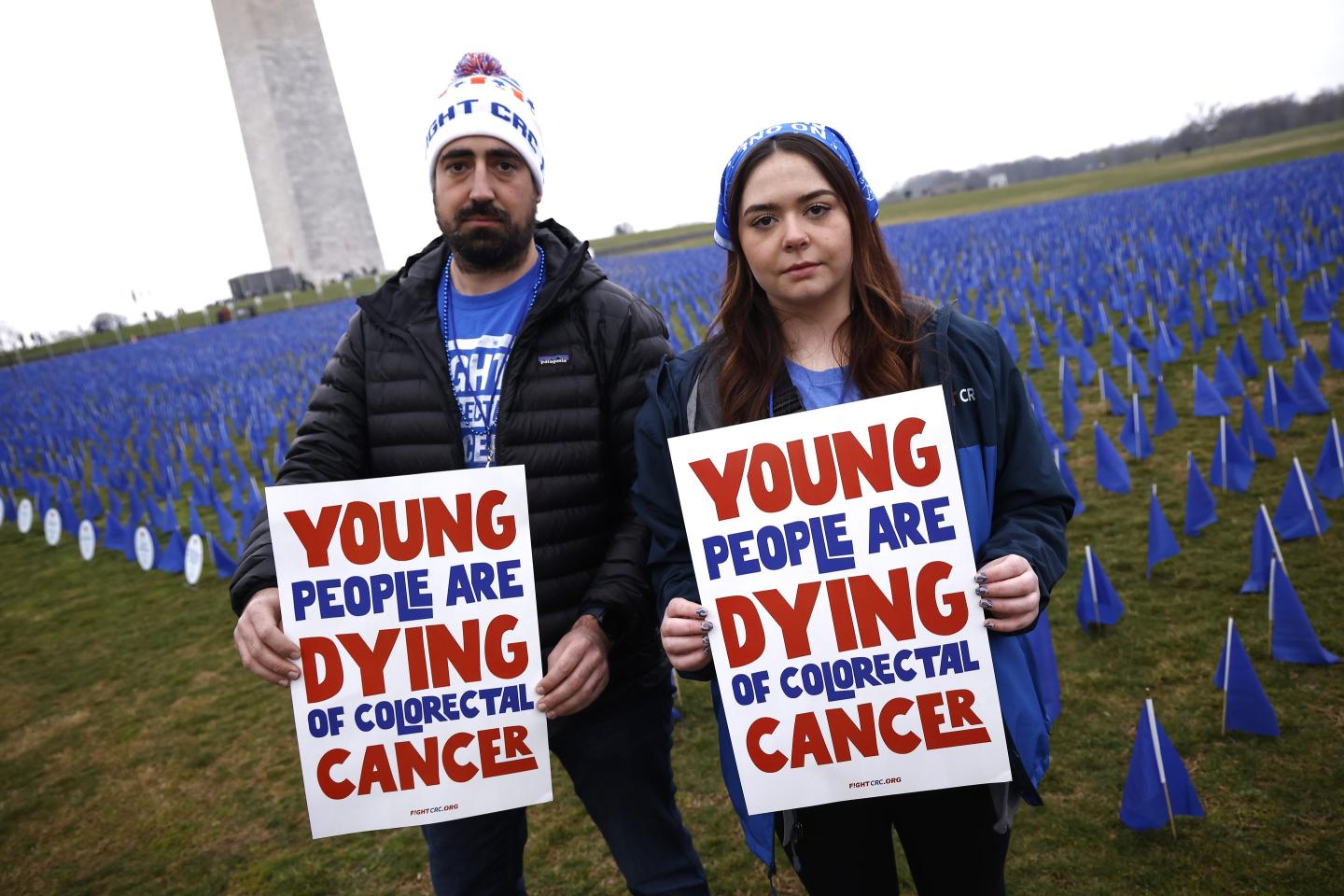
Obesity and alcohol consumption are fueling bowel cancer’s rising death toll among young adults, according to newly published research in a leading cancer journal.
The study, published Sunday in the Annals of Oncology, marks the first time bowel cancer deaths among young people—Millennials and Gen Xers ages 25-49—are predicted to rise in some European countries, and confirms a trend researchers first noted in 2021.
The greatest European increase will be seen in the U.K., where such deaths are predicted to rise by 39% and 26% in women and men, respectively, this year when compared to 2018. That’s according to Dr. Carlo La Vecchia, professor of medical statistics and epidemiology at the University of Milan, Italy, and lead author on the paper.
Such deaths among young German women are expected to rise 7.2%. They’re also anticipated to rise in Polish and Spanish men, by 5.9% and 5.5%, respectively, and in both genders in Italy (by 2.6% in women and 1.5% in men).
Being overweight or obese—and related health conditions like hyperglycemia and diabetes—are the primary factors responsible, La Vecchia said in a news release on the study.
But “heavier alcohol drinking over time in central and northern Europe and the U.K., and reductions in physical activity,” have also contributed, he added.
Alcohol consumption has been linked to early onset bowel cancer, which tends to be more aggressive and lethal, when compared to the kind that’s diagnosed in older individuals. Because France and Italy have seen a reduction in alcohol consumption, they’re not witnessing a rise in bowel cancer deaths among young adults, according to La Vecchia’s research team.
Colorectal cancer risks, deaths rising among US young adults, too
In the U.S., colon cancer diagnoses among adults younger than 50 began increasing in the mid-1990s, with deaths rising a short time later. The increase is seen mainly among white individuals, as opposed to Black or Asian, according to the U.S. National Institutes of Health’s National Cancer Institute.
In the late 1990s, colorectal cancer was the fourth-leading cause of cancer deaths in both men and women younger than age 50. Now, it’s the leading cause of cancer death among such men and the second leading among such women, according to fresh statistics released by the American Cancer Society earlier this month.
Millennials—those born between 1981 and 1996—are at twice the risk of colorectal cancer when compared to Baby Boomers born in 1950, according to a 2017 study published in the Journal of the National Cancer Institute. The same research found that people younger than 55 are almost 60% more likely to be diagnosed with late-stage disease than older adults, making survival a greater challenge.
Aside from obesity, sedentary lifestyle, and heavy alcohol use, other potential drivers proposed by researchers include:
- Smoking
- Low fiber, high-fat diet
- Diets high in processed meats
- Conditions like inflammatory bowel disease
- Genetics
Colorectal cancer: What to watch for
Given these statistics, the U.S. Preventive Services Task Force in 2021 recommended that colorectal cancer screenings begin at age 45, down from age 50. Those with risk factors like inflammatory bowel disease, certain types of polyps, and/or family history may need to be screened sooner.
Experts at Yale Medicine and University of California Davis Health recommend that everyone—young and older adults alike—watch for the following symptoms and communicate them to their health care provider:
- Rectal bleeding, including blood coming from the rectum or blood in the stool or toilet after a bowel movement
- Odd stools, including black, narrow, thin, or ribbon-like
- Change in bowel movements, including diarrhea and/or constipation, especially if such changes last 2 or more weeks
- Feeling that your bowel doesn’t fully empty
- Unexpected weight loss
- Stomach cramping or pain
- Weakness and fatigue, which could be due to anemia from blood loss. (If you’re a young woman with chronic anemia that’s presumed to be from menstrual bleeding, other causes should be explored.)
To reduce your risk, they recommend the following lifestyle changes:
- Quit smoking, including e-cigs
- Limit alcohol consumption to no more than 2 drinks a day for men and 1 for women
- Exercise
- Lose weight, if you’re overweight or obese
- Consume plenty of fiber—25 grams a day, ideally from fresh fruit, veggies, whole brains, beans, and legumes