• Home
  • Latest
  • Fortune 500
  • Finance
  • Tech
  • Leadership
  • Lifestyle
  • Rankings
  • Multimedia
MindNeuroscience

Daydreaming could amplify learning, a new study shows. Why researchers are touting the importance of ‘quiet wakefulness’

By
Erin Prater
Erin Prater
Down Arrow Button Icon
By
Erin Prater
Erin Prater
Down Arrow Button Icon
December 13, 2023, 2:19 PM ET
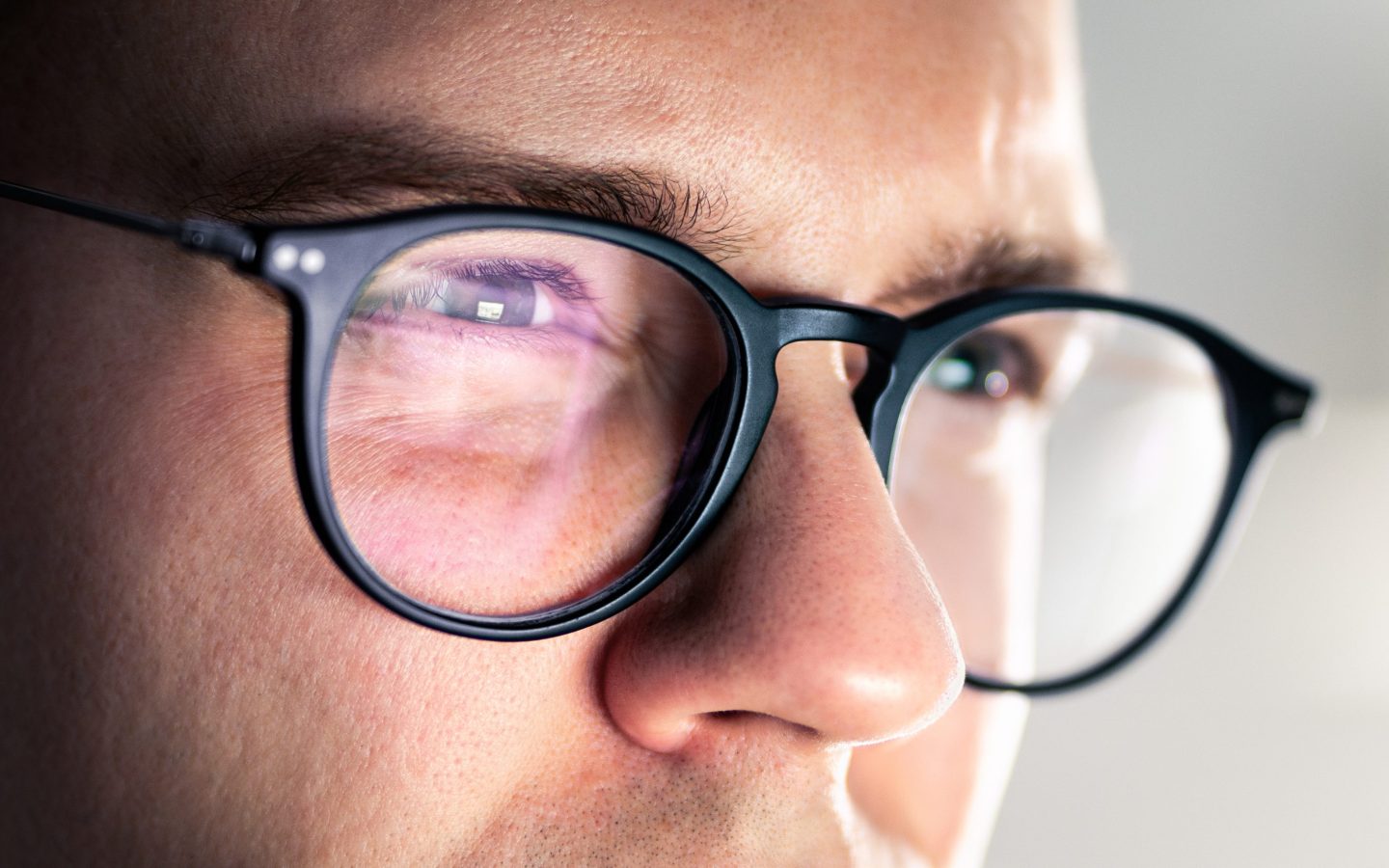
A new study from Harvard provides preliminary evidence that daydreams are involved in neuroplasticity, the brain’s ability to change and adapt due to factors like injury and learning.
A new study from Harvard provides preliminary evidence that daydreams are involved in neuroplasticity, the brain’s ability to change and adapt due to factors like injury and learning.Getty Images

Your thoughts wander during an unnecessary meeting that could have easily been summarized in an email. 

Feel guilty? Don’t—your seemingly self-indulgent mental detour may have boosted your brain’s neuroplasticity—the brain’s ability to change and adapt due to factors like injury and learning.

Researchers at Harvard tracked brain activity in mice as they looked at two images featuring distinct checkerboard patterns. During periods of rest between images, researchers found, the mice’s thoughts would drift back to those images. How could the researchers tell? The patterns of neurons fired while the mice were daydreaming looked incredibly similar to the distinct patterns fired when each image was originally shown.

What researchers didn’t expect to find: that the slightly altered pattern of neurons fired during daydreaming would influence which neurons fired when the image was shown again, in a process they call “representational drift.” What’s more, the patterns of neurons fired for each image became increasingly distinct, until each involved an almost entirely unique set of neurons.

The findings were published Wednesday in the journal Nature.

“There’s drift in how the brain responds to the same image over time, and these early daydreams can predict where the drift is going,” senior author Mark Andermann, professor of neurobiology at Harvard Medical School, said in a news release about the study.

A learning process similar to AI

The study provides preliminary evidence that daydreams are involved in neuroplasticity.

“When you see two different images many times, it becomes important to discriminate between them,” Nghia Nguyen, a doctoral student in neurobiology at the Blavatnik Institute at Harvard Medical School, said in a news release.

The team’s findings suggest that repeated daydreaming may eventually help the brain distinguish between similar images, he added. That’s because the study’s mice seemed to “be learning more about the picture by daydreaming about it,” the team said in a joint statement provided to Fortune.

“The mouse may be incorporating this new picture into its model of the world based on all the previous pictures it’s seen—kind of like when you see a small fluffy animal on a leash in New York and then you think, ‘Was that a cat or a dog?’” the researchers explained. “Then you figure it out, and next time you look at the animal, it’s obvious what it is.”

This type of learning has its advantages, the researchers assert. In the case of mice, it could allow them to learn more about a threat, like a predator, from recalling one encounter, instead of repeatedly exposing themselves to danger. For humans, it’s simply “an efficient way to learn about the world.” AI software uses a similar process to learn about images.

What is ‘quiet wakefulness’?

The study aligns with others that have shown that entering a state of “quiet wakefulness” after an experience can boost learning and memory in both rodents and humans.

Just what is quiet wakefulness? Also known as daydreaming, it’s a state of relaxed environmental awareness that helps the mind process complex thoughts, researchers say, “when you’re awake but chilling out.”

Given the results of the study, it may be important to make time for daydreaming, in a bid to cement learning accomplished during the day, the researchers suggested. Scientists have long known that memory consolidation and knowledge updates tend to occur during sleep. But more recent work suggests that similar processes may occur during daydreaming, or even a different type of learning altogether that could be a beneficial addition to what occurs at night.

For mice, that may mean taking a pause from viewing a series of images. For humans, it might entail putting down their smartphone to allow daydreaming to occur.

“We feel pretty confident that if you never give yourself any awake downtime, you’re not going to have as many of these daydream events, which may be important for brain plasticity,” Andermann said.


Join us at the Fortune Workplace Innovation Summit May 19–20, 2026, in Atlanta. The next era of workplace innovation is here—and the old playbook is being rewritten. At this exclusive, high-energy event, the world’s most innovative leaders will convene to explore how AI, humanity, and strategy converge to redefine, again, the future of work. Register now.
About the Author
By Erin Prater
See full bioRight Arrow Button Icon

Latest in Mind

Finance
Lorem ipsum dolor sit amet, consectetur adipiscing elit, sed do eiusmod tempor incididunt ut labore et dolore magna aliqua. Ut enim ad minim veniam
By Fortune Editors
October 20, 2025
Finance
Lorem ipsum dolor sit amet, consectetur adipiscing elit, sed do eiusmod tempor incididunt ut labore et dolore magna aliqua. Ut enim ad minim veniam
By Fortune Editors
October 20, 2025
Finance
Lorem ipsum dolor sit amet, consectetur adipiscing elit, sed do eiusmod tempor incididunt ut labore et dolore magna aliqua. Ut enim ad minim veniam
By Fortune Editors
October 20, 2025
Finance
Lorem ipsum dolor sit amet, consectetur adipiscing elit, sed do eiusmod tempor incididunt ut labore et dolore magna aliqua. Ut enim ad minim veniam
By Fortune Editors
October 20, 2025
Finance
Lorem ipsum dolor sit amet, consectetur adipiscing elit, sed do eiusmod tempor incididunt ut labore et dolore magna aliqua. Ut enim ad minim veniam
By Fortune Editors
October 20, 2025
Finance
Lorem ipsum dolor sit amet, consectetur adipiscing elit, sed do eiusmod tempor incididunt ut labore et dolore magna aliqua. Ut enim ad minim veniam
By Fortune Editors
October 20, 2025

Most Popular

Finance
Lorem ipsum dolor sit amet, consectetur adipiscing elit, sed do eiusmod tempor incididunt ut labore et dolore magna aliqua. Ut enim ad minim veniam
By Fortune Editors
October 20, 2025
Finance
Lorem ipsum dolor sit amet, consectetur adipiscing elit, sed do eiusmod tempor incididunt ut labore et dolore magna aliqua. Ut enim ad minim veniam
By Fortune Editors
October 20, 2025
Finance
Lorem ipsum dolor sit amet, consectetur adipiscing elit, sed do eiusmod tempor incididunt ut labore et dolore magna aliqua. Ut enim ad minim veniam
By Fortune Editors
October 20, 2025
Finance
Lorem ipsum dolor sit amet, consectetur adipiscing elit, sed do eiusmod tempor incididunt ut labore et dolore magna aliqua. Ut enim ad minim veniam
By Fortune Editors
October 20, 2025
Finance
Lorem ipsum dolor sit amet, consectetur adipiscing elit, sed do eiusmod tempor incididunt ut labore et dolore magna aliqua. Ut enim ad minim veniam
By Fortune Editors
October 20, 2025
Finance
Lorem ipsum dolor sit amet, consectetur adipiscing elit, sed do eiusmod tempor incididunt ut labore et dolore magna aliqua. Ut enim ad minim veniam
By Fortune Editors
October 20, 2025
Fortune Secondary Logo
Rankings
  • 100 Best Companies
  • Fortune 500
  • Global 500
  • Fortune 500 Europe
  • Most Powerful Women
  • Future 50
  • World’s Most Admired Companies
  • See All Rankings
Sections
  • Finance
  • Fortune Crypto
  • Features
  • Leadership
  • Health
  • Commentary
  • Success
  • Retail
  • Mpw
  • Tech
  • Lifestyle
  • CEO Initiative
  • Asia
  • Politics
  • Conferences
  • Europe
  • Newsletters
  • Personal Finance
  • Environment
  • Magazine
  • Education
Customer Support
  • Frequently Asked Questions
  • Customer Service Portal
  • Privacy Policy
  • Terms Of Use
  • Single Issues For Purchase
  • International Print
Commercial Services
  • Advertising
  • Fortune Brand Studio
  • Fortune Analytics
  • Fortune Conferences
  • Business Development
  • Group Subscriptions
About Us
  • About Us
  • Editorial Calendar
  • Press Center
  • Work At Fortune
  • Diversity And Inclusion
  • Terms And Conditions
  • Site Map
  • About Us
  • Editorial Calendar
  • Press Center
  • Work At Fortune
  • Diversity And Inclusion
  • Terms And Conditions
  • Site Map
  • Facebook icon
  • Twitter icon
  • LinkedIn icon
  • Instagram icon
  • Pinterest icon

© 2026 Fortune Media IP Limited. All Rights Reserved. Use of this site constitutes acceptance of our Terms of Use and Privacy Policy | CA Notice at Collection and Privacy Notice | Do Not Sell/Share My Personal Information
FORTUNE is a trademark of Fortune Media IP Limited, registered in the U.S. and other countries. FORTUNE may receive compensation for some links to products and services on this website. Offers may be subject to change without notice.


Latest in Mind

A pessimistic looking male worker at his desk
MindWorkplace Wellness
The ‘triple threat’ endangering worker well-being and undermining productivity—especially for Gen Z
By Beth GreenfieldJune 18, 2025
9 months ago
A man alone on a beach wearing a coat, his back to the camera
Mindmental health
Loneliness is bad for your health—but it may not be as deadly as once thought, new research finds
By Beth GreenfieldJune 16, 2025
9 months ago
Man sleeping in bed wearing eye mask
Lifestylesleep
Night owls tend to have more health risks than early birds—including cognitive decline, new study finds
By Beth GreenfieldMay 30, 2025
10 months ago
Young man sitting alone, looking forlorn, in a darkened room
Lifestylemental health
Gen Z and millennial men in the U.S. are among the loneliest in the western world. Here’s why
By Beth GreenfieldMay 21, 2025
10 months ago
LifestyleBrain
What happens to your brain when you work too many hours, according to new research
By Alexa MikhailMay 21, 2025
10 months ago
Lifestylemental health
Remote employees are lonelier, sadder, and angrier, survey finds
By Ani FreedmanMay 15, 2025
10 months ago