• Home
  • Latest
  • Fortune 500
  • Finance
  • Tech
  • Leadership
  • Lifestyle
  • Rankings
  • Multimedia
Minddementia

Will you develop dementia? These 11 factors are strong predictors in middle-age, scientists say

By
Erin Prater
Erin Prater
Down Arrow Button Icon
By
Erin Prater
Erin Prater
Down Arrow Button Icon
August 24, 2023, 6:30 PM ET
Updated July 18, 2024, 9:38 AM ET
If you’re middle-aged, 11 key factors could forecast your risk for dementia, according to a study published in August in The British Medical Journal.
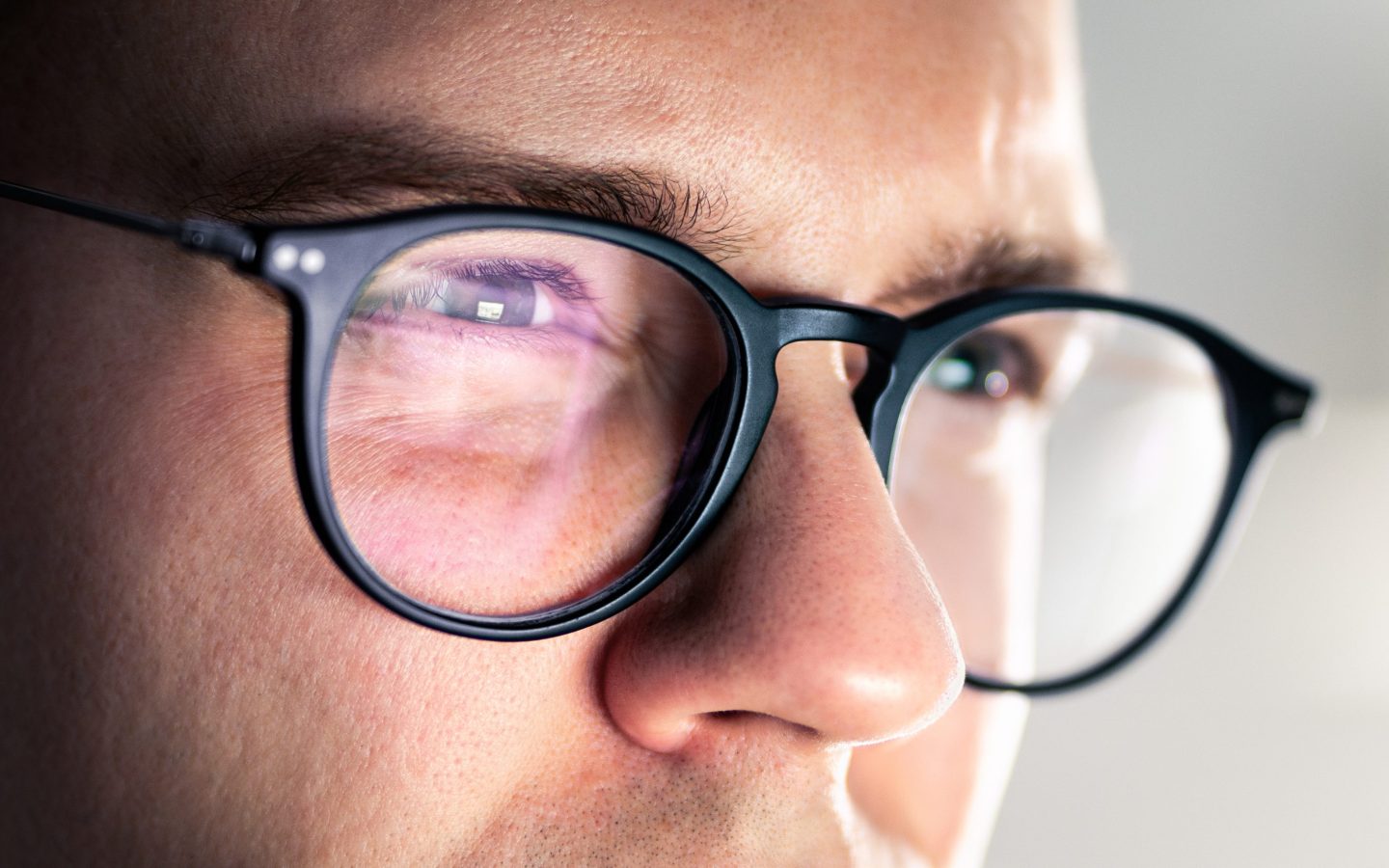
If you’re middle-aged, 11 key factors could forecast your risk for dementia, according to a study published in August in The British Medical Journal.Getty Images

If you’re middle-aged, 11 key factors could forecast your risk for dementia, according to a study published in August in The British Medical Journal.

Scientists from Oxford University and other institutes examined the data of nearly 225,000 U.K. residents with an average age of 60, following them for 14 years. Over that time, around 2% were diagnosed with the degenerative cognitive condition, experienced by an estimated 55 million worldwide.

Based on this information, researchers were able to whittle down a list of nearly 30 factors that potentially put people at a higher risk of dementia into a set of 11 that appear to be most impactful:

  • Age (typically 65 and older)
  • Lack of education
  • History of diabetes
  • History of/current depression
  • History of stroke
  • Parental dementia
  • Economic disadvantage
  • High blood pressure
  • High cholesterol
  • Living alone
  • Being male

The new screening tool developed based on the findings is called the UK Biobank Dementia Risk Score, or UKBDRS. Dr. Raihaan Patel, a professor of psychiatry at the University of Oxford and a lead author on the study, hopes it can eventually be used by primary care providers to easily screen those ages 50-73 for the condition.

“We see this fitting in as an initial step of identifying high or low risk,” Patel says, adding that high-risk individuals can be sent for further testing.

When compared with other existing screening tools, the UKBDRS—paired with knowledge of whether individuals carried the APOE e4 gene variant, putting them at higher risk of dementia—gave the most accurate results, followed by the UKBDRS alone, age alone, then three other existing screening tools.

The new screener can serve as a conversation starter, Patel says, allowing providers an opportunity to encourage patients with diabetes, depression, high blood pressure, and/or high cholesterol to make lifestyle changes that could reduce their risk of developing the condition. A person who has diabetes, depression, high blood pressure, and high cholesterol is three times more likely than a person of the same age to develop dementia.

“You can really make a big difference in your risk by focusing on cardiometabolic health,” he says.

What is dementia?

Dementia isn’t one single condition. Rather, it’s a set of symptoms that fit a variety of disorders caused by abnormal changes to the brain, from either disease or injury. Contrary to popular belief, dementia isn’t a normal part of aging.

Alzheimer’s disease accounts for the bulk of dementia cases—60% to 80%, according to the Alzheimer’s Association. Other forms, according to the World Health Organization, include:

  • Vascular dementia, caused by impaired blood flow to the brain.
  • Dementia with Lewy bodies, abnormal deposits of protein inside nerve cells. (This condition was made famous by the late actor Robin Williams.)
  • Other diseases that contribute to frontotemporal dementia, caused by degeneration of the frontal lobe of the brain. (Frontotemporal dementia has made headlines as of late thanks to Bruce Willis, who was recently diagnosed with the condition.)

It can also be caused by other factors, including medical events and conditions like:

  • Stroke
  • HIV
  • Harmful alcohol use
  • Repetitive physical brain juries (“chronic traumatic encephalopathy”)
  • Nutritional deficiencies

The boundaries between different types of dementia are “indistinct, and mixed forms often co-exist,” according to the WHO.

In addition to the risk factors discussed above, others include:

  • Being overweight or obese
  • Smoking
  • Drinking too much alcohol
  • Being physically inactive
  • Being socially isolated

Symptoms of dementia

Often, the first sign of dementia is a change in mood or behavior, according to the WHO. Symptoms typically get worse with time, leading to eventual need for assistance with daily living. 

Early signs and symptoms, according to the international health organization, include:

  • Forgetting things or recent events
  • Losing or misplacing things
  • Getting lost when walking or driving
  • Being confused, even in familiar places
  • Losing track of time
  • Difficulties solving problems or making decisions
  • Problems following conversations or troubles with finding words
  • Difficulties performing usual tasks
  • Misjudging distances to objects visually

Changes in mood or behavior may look like the following:

  • Feeling sad, angry, or anxious about memory loss
  • Personality changes
  • Inappropriate behavior
  • Withdrawal from work or social activities
  • A reduced interest in the emotions of others

What to do if you suspect dementia

Those concerned that they or a loved one may have dementia should consult their primary care provider, who will likely perform a physical exam and detailed medical history, pull labs, and ask questions. 

Sometimes, it’s difficult to diagnose a specific type of dementia due to overlap in conditions, according to the Alzheimer’s Association. If this is the case, your doctor might simply diagnose “dementia,” then make a referral to a specialist like a neurologist, psychiatrist, psychologist, or geriatrician.


Join us at the Fortune Workplace Innovation Summit May 19–20, 2026, in Atlanta. The next era of workplace innovation is here—and the old playbook is being rewritten. At this exclusive, high-energy event, the world’s most innovative leaders will convene to explore how AI, humanity, and strategy converge to redefine, again, the future of work. Register now.
About the Author
By Erin Prater
See full bioRight Arrow Button Icon

Latest in Mind

Finance
Lorem ipsum dolor sit amet, consectetur adipiscing elit, sed do eiusmod tempor incididunt ut labore et dolore magna aliqua. Ut enim ad minim veniam
By Fortune Editors
October 20, 2025
Finance
Lorem ipsum dolor sit amet, consectetur adipiscing elit, sed do eiusmod tempor incididunt ut labore et dolore magna aliqua. Ut enim ad minim veniam
By Fortune Editors
October 20, 2025
Finance
Lorem ipsum dolor sit amet, consectetur adipiscing elit, sed do eiusmod tempor incididunt ut labore et dolore magna aliqua. Ut enim ad minim veniam
By Fortune Editors
October 20, 2025
Finance
Lorem ipsum dolor sit amet, consectetur adipiscing elit, sed do eiusmod tempor incididunt ut labore et dolore magna aliqua. Ut enim ad minim veniam
By Fortune Editors
October 20, 2025
Finance
Lorem ipsum dolor sit amet, consectetur adipiscing elit, sed do eiusmod tempor incididunt ut labore et dolore magna aliqua. Ut enim ad minim veniam
By Fortune Editors
October 20, 2025
Finance
Lorem ipsum dolor sit amet, consectetur adipiscing elit, sed do eiusmod tempor incididunt ut labore et dolore magna aliqua. Ut enim ad minim veniam
By Fortune Editors
October 20, 2025

Most Popular

Finance
Lorem ipsum dolor sit amet, consectetur adipiscing elit, sed do eiusmod tempor incididunt ut labore et dolore magna aliqua. Ut enim ad minim veniam
By Fortune Editors
October 20, 2025
Finance
Lorem ipsum dolor sit amet, consectetur adipiscing elit, sed do eiusmod tempor incididunt ut labore et dolore magna aliqua. Ut enim ad minim veniam
By Fortune Editors
October 20, 2025
Finance
Lorem ipsum dolor sit amet, consectetur adipiscing elit, sed do eiusmod tempor incididunt ut labore et dolore magna aliqua. Ut enim ad minim veniam
By Fortune Editors
October 20, 2025
Finance
Lorem ipsum dolor sit amet, consectetur adipiscing elit, sed do eiusmod tempor incididunt ut labore et dolore magna aliqua. Ut enim ad minim veniam
By Fortune Editors
October 20, 2025
Finance
Lorem ipsum dolor sit amet, consectetur adipiscing elit, sed do eiusmod tempor incididunt ut labore et dolore magna aliqua. Ut enim ad minim veniam
By Fortune Editors
October 20, 2025
Finance
Lorem ipsum dolor sit amet, consectetur adipiscing elit, sed do eiusmod tempor incididunt ut labore et dolore magna aliqua. Ut enim ad minim veniam
By Fortune Editors
October 20, 2025
Fortune Secondary Logo
Rankings
  • 100 Best Companies
  • Fortune 500
  • Global 500
  • Fortune 500 Europe
  • Most Powerful Women
  • Future 50
  • World’s Most Admired Companies
  • See All Rankings
Sections
  • Finance
  • Fortune Crypto
  • Features
  • Leadership
  • Health
  • Commentary
  • Success
  • Retail
  • Mpw
  • Tech
  • Lifestyle
  • CEO Initiative
  • Asia
  • Politics
  • Conferences
  • Europe
  • Newsletters
  • Personal Finance
  • Environment
  • Magazine
  • Education
Customer Support
  • Frequently Asked Questions
  • Customer Service Portal
  • Privacy Policy
  • Terms Of Use
  • Single Issues For Purchase
  • International Print
Commercial Services
  • Advertising
  • Fortune Brand Studio
  • Fortune Analytics
  • Fortune Conferences
  • Business Development
  • Group Subscriptions
About Us
  • About Us
  • Editorial Calendar
  • Press Center
  • Work At Fortune
  • Diversity And Inclusion
  • Terms And Conditions
  • Site Map
  • About Us
  • Editorial Calendar
  • Press Center
  • Work At Fortune
  • Diversity And Inclusion
  • Terms And Conditions
  • Site Map
  • Facebook icon
  • Twitter icon
  • LinkedIn icon
  • Instagram icon
  • Pinterest icon

© 2026 Fortune Media IP Limited. All Rights Reserved. Use of this site constitutes acceptance of our Terms of Use and Privacy Policy | CA Notice at Collection and Privacy Notice | Do Not Sell/Share My Personal Information
FORTUNE is a trademark of Fortune Media IP Limited, registered in the U.S. and other countries. FORTUNE may receive compensation for some links to products and services on this website. Offers may be subject to change without notice.


Latest in Mind

A pessimistic looking male worker at his desk
MindWorkplace Wellness
The ‘triple threat’ endangering worker well-being and undermining productivity—especially for Gen Z
By Beth GreenfieldJune 18, 2025
9 months ago
A man alone on a beach wearing a coat, his back to the camera
Mindmental health
Loneliness is bad for your health—but it may not be as deadly as once thought, new research finds
By Beth GreenfieldJune 16, 2025
9 months ago
Man sleeping in bed wearing eye mask
Lifestylesleep
Night owls tend to have more health risks than early birds—including cognitive decline, new study finds
By Beth GreenfieldMay 30, 2025
10 months ago
Young man sitting alone, looking forlorn, in a darkened room
Lifestylemental health
Gen Z and millennial men in the U.S. are among the loneliest in the western world. Here’s why
By Beth GreenfieldMay 21, 2025
10 months ago
LifestyleBrain
What happens to your brain when you work too many hours, according to new research
By Alexa MikhailMay 21, 2025
10 months ago
Lifestylemental health
Remote employees are lonelier, sadder, and angrier, survey finds
By Ani FreedmanMay 15, 2025
10 months ago