• Home
  • Latest
  • Fortune 500
  • Finance
  • Tech
  • Leadership
  • Lifestyle
  • Rankings
  • Multimedia
Mindmental health

Opening up about his anxiety and depression helped this former Google executive be a better leader

By
Morra Aarons-Mele
Morra Aarons-Mele
Down Arrow Button Icon
By
Morra Aarons-Mele
Morra Aarons-Mele
Down Arrow Button Icon
May 15, 2023, 5:00 AM ET
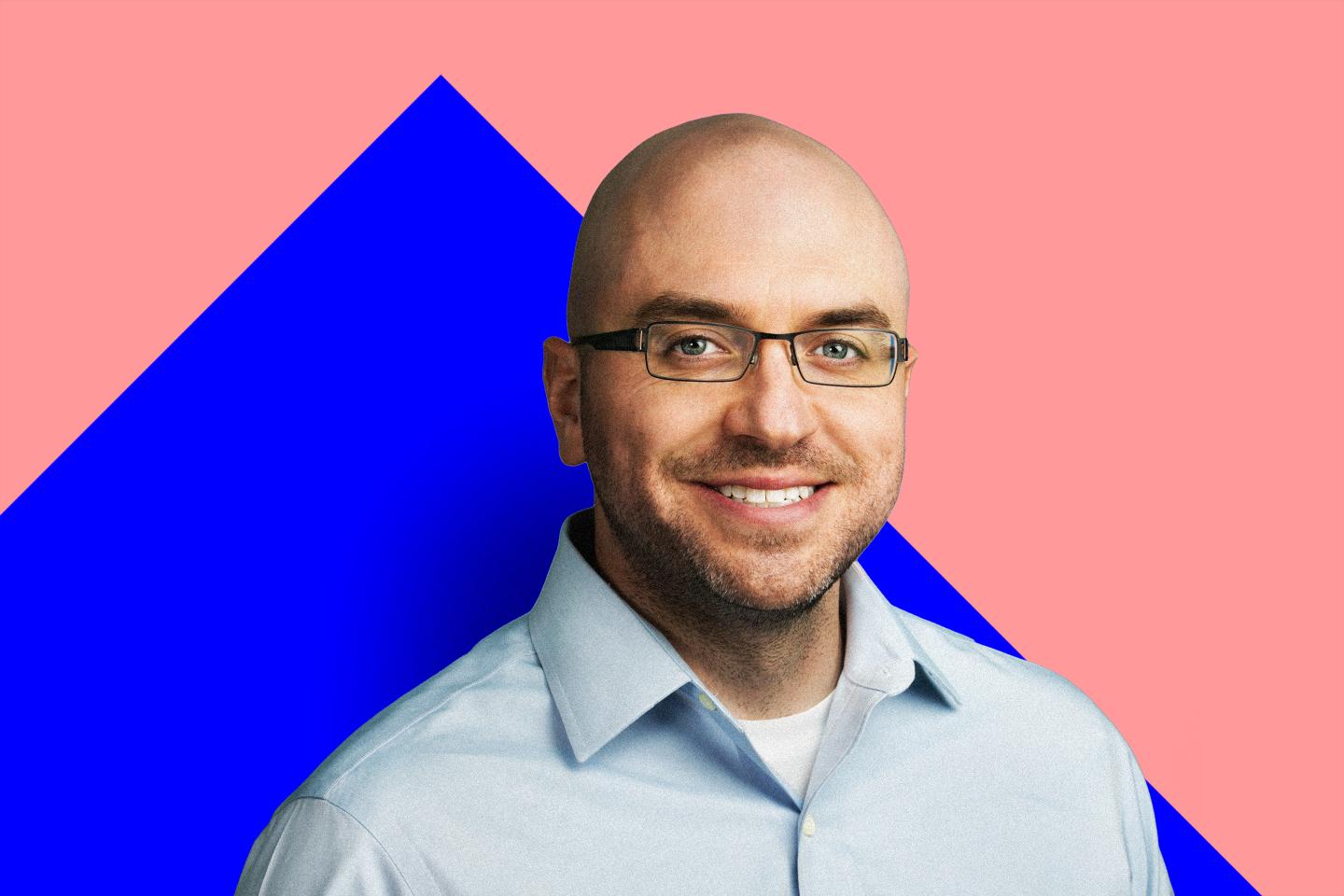
Daryll Henrich on pink and blue background.
Daryll Henrich was on the management fast track at Google while struggling with anxiety and depression. Opening up about his experience ultimately made him a better leader.Courtesy of Daryll Henrich

When leaders of public companies and other high-profile institutions start speaking openly about their experiences with depression, anxiety, and other mental health challenges, the veil of shame that conceals many of these conversations at work starts to lift.  

It can begin with an executive simply being open with their teams about their personal challenges. Or it can involve more formal storytelling. Not only does storytelling heal, it opens the door for true change. 

Through my podcast, I met Newton Cheng who serves as Director of Health and Performance at Google (he is also a world champion powerlifter). Cheng and I had a frank and inspiring conversation, and I asked him who inspired him to be public about taking mental health leave in 2021. Cheng explained he found a role model in his former Google colleague Daryll Henrich.

“He was a VP and very respected leader in our overall IT organization,” Cheng explained on the podcast. “And I first heard his story in a management training aimed at managers. Not only had [Henrich] shared his story with the entire company, but Google’s L&D team took his story and embedded it into a key manager training course. The story sat in my memory for 10 years before I experienced struggles that were similar, and it helped me feel less alone when I finally needed it.”

I tracked down Henrich, curious about the origin of a story that had clearly influenced many. Henrich, a former VP of engineering at Google, doesn’t think his journey to mental wellness at work needed to be as hard as he made it. But at the time, he had few role models.

When Henrich first began experiencing anxiety and depression in 2006, he felt alone. “There was no one in the industry I could look to and say, ‘Oh, there’s an example of someone who was able to get through or integrate that experience and thrive anyway.'” 

His recovery process was slow. “I didn’t take any medication. And I believe now in retrospect, it led me to a much longer slog through recovery. But I was stubborn. I asked my therapist at one point, When am I, quote, unquote, ‘better?’ This doesn’t feel like, Oh, I got over a cold. 

“It got to the point where it was so long and drawn out that I lost my baseline, and I didn’t remember what normal even felt like. The therapist said, ‘It begins to get better as it becomes something that happened to you rather than something that is happening to you. But it is always going to be with you.’ And he said that as I begin to integrate the experience into my ongoing life, that’s when I get better.”

It took Henrich years to feel comfortable enough to open up about his anxiety and depression. Growing up in rural Pennsylvania, he never expected to end up on the management track at Google. But he was promoted quickly, and by his late twenties, was managing a staff of 45. Around that time, he also started noticing disturbing physical symptoms and mood shifts that preoccupied him.

These were signs of anxiety, but Henrich ignored them until “it got so bad that obsessive thoughts about my own well being led to a severe hypochondria, which led to panic disorder and a night in the hospital.” After this, he finally started therapy and was diagnosed with Generalized Anxiety Disorder and Major Depressive Disorder. Henrich calls 2006-2008 the worst period of his life, where he constantly worried everything he’d built at Google was at risk. 

“I worried I’d gone from up-and-coming rockstar to what I viewed as weak,” Henrich says. His mental health struggle was a source of terror and shame. “Everyone I looked up to seemed invincible. I put other Google executives on pedestals. I felt like I did not have anybody to talk to.

“The track that I was on that was not sustainable and being interrupted by this experience was a taste of humble pie. But it forced me to address the life habits and work habits  that were completely unsustainable and really harming me.

In retrospect, Henrich is grateful for the experience. And as he began to share his story, he realized that he’s become a role model he wished he had.  

It was only when one of his direct reports came to him in 2009 to ask for a mental health leave that Henrich was moved to speak publicly about his anxiety and depression. He started sharing his story throughout Google, and included his mental health journey in management training courses he was increasingly asked to give. 

“In addition to my job, which was running a big chunk of internal systems at Google, I made that my side hustle, internally speaking out about this or whether it was just talking to people who got sent my way as that network grew. And ultimately, teaching leadership classes. The first or second slide of every leadership class I ever taught was about taking care of yourself. It’s the ‘put on your mask before helping someone else kind of thing’. And so literally, any public speaking that I ever did internally to Google included this.”

Henrich’s story even went viral on the Google Intranet. “People would tell me it was brave, and it felt like it should have gone all wrong for my career. Sharing my story didn’t destroy my career at all, and actually led to a lot of upside for my career.” 

Henrich is what Kelly Greenwood, CEO of the workforce mental health non profit Mind Share Partners, calls a leader ally. A leader ally’s story is an authentic, vulnerable, and supportive message that includes a personal experience with mental health, which can range from high stress to burnout to grief to a diagnosable condition. It can be past or present, a one-time episode, or an ongoing challenge, and it may or may not have affected work.

As we can see with Henrich, leader allies help normalize mental health challenges at work, and reduce the stigma. They signal that experiencing mental health challenges is ok, and most important, they model mentally healthy behaviors. 

Henrich credits his recovery from mental illness with his transformation as a leader who eventually built a team of thousands. He developed empathy as a boss. “Good human values as a leader creates a safe and compassionate place where people want to work,” he says.

Join us at the Fortune Workplace Innovation Summit May 19–20, 2026, in Atlanta. The next era of workplace innovation is here—and the old playbook is being rewritten. At this exclusive, high-energy event, the world’s most innovative leaders will convene to explore how AI, humanity, and strategy converge to redefine, again, the future of work. Register now.
About the Author
By Morra Aarons-Mele
LinkedIn iconTwitter icon
See full bioRight Arrow Button Icon

Latest in Mind

Finance
Lorem ipsum dolor sit amet, consectetur adipiscing elit, sed do eiusmod tempor incididunt ut labore et dolore magna aliqua. Ut enim ad minim veniam
By Fortune Editors
October 20, 2025
Finance
Lorem ipsum dolor sit amet, consectetur adipiscing elit, sed do eiusmod tempor incididunt ut labore et dolore magna aliqua. Ut enim ad minim veniam
By Fortune Editors
October 20, 2025
Finance
Lorem ipsum dolor sit amet, consectetur adipiscing elit, sed do eiusmod tempor incididunt ut labore et dolore magna aliqua. Ut enim ad minim veniam
By Fortune Editors
October 20, 2025
Finance
Lorem ipsum dolor sit amet, consectetur adipiscing elit, sed do eiusmod tempor incididunt ut labore et dolore magna aliqua. Ut enim ad minim veniam
By Fortune Editors
October 20, 2025
Finance
Lorem ipsum dolor sit amet, consectetur adipiscing elit, sed do eiusmod tempor incididunt ut labore et dolore magna aliqua. Ut enim ad minim veniam
By Fortune Editors
October 20, 2025
Finance
Lorem ipsum dolor sit amet, consectetur adipiscing elit, sed do eiusmod tempor incididunt ut labore et dolore magna aliqua. Ut enim ad minim veniam
By Fortune Editors
October 20, 2025

Most Popular

Finance
Lorem ipsum dolor sit amet, consectetur adipiscing elit, sed do eiusmod tempor incididunt ut labore et dolore magna aliqua. Ut enim ad minim veniam
By Fortune Editors
October 20, 2025
Finance
Lorem ipsum dolor sit amet, consectetur adipiscing elit, sed do eiusmod tempor incididunt ut labore et dolore magna aliqua. Ut enim ad minim veniam
By Fortune Editors
October 20, 2025
Finance
Lorem ipsum dolor sit amet, consectetur adipiscing elit, sed do eiusmod tempor incididunt ut labore et dolore magna aliqua. Ut enim ad minim veniam
By Fortune Editors
October 20, 2025
Finance
Lorem ipsum dolor sit amet, consectetur adipiscing elit, sed do eiusmod tempor incididunt ut labore et dolore magna aliqua. Ut enim ad minim veniam
By Fortune Editors
October 20, 2025
Finance
Lorem ipsum dolor sit amet, consectetur adipiscing elit, sed do eiusmod tempor incididunt ut labore et dolore magna aliqua. Ut enim ad minim veniam
By Fortune Editors
October 20, 2025
Finance
Lorem ipsum dolor sit amet, consectetur adipiscing elit, sed do eiusmod tempor incididunt ut labore et dolore magna aliqua. Ut enim ad minim veniam
By Fortune Editors
October 20, 2025
Fortune Secondary Logo
Rankings
  • 100 Best Companies
  • Fortune 500
  • Global 500
  • Fortune 500 Europe
  • Most Powerful Women
  • World's Most Admired Companies
  • See All Rankings
  • Lists Calendar
Sections
  • Finance
  • Fortune Crypto
  • Features
  • Leadership
  • Health
  • Commentary
  • Success
  • Retail
  • Mpw
  • Tech
  • Lifestyle
  • CEO Initiative
  • Asia
  • Politics
  • Conferences
  • Europe
  • Newsletters
  • Personal Finance
  • Environment
  • Magazine
  • Education
Customer Support
  • Frequently Asked Questions
  • Customer Service Portal
  • Privacy Policy
  • Terms Of Use
  • Single Issues For Purchase
  • International Print
Commercial Services
  • Advertising
  • Fortune Brand Studio
  • Fortune Analytics
  • Fortune Conferences
  • Business Development
  • Group Subscriptions
About Us
  • About Us
  • Press Center
  • Work At Fortune
  • Terms And Conditions
  • Site Map
  • About Us
  • Press Center
  • Work At Fortune
  • Terms And Conditions
  • Site Map
  • Facebook icon
  • Twitter icon
  • LinkedIn icon
  • Instagram icon
  • Pinterest icon

© 2026 Fortune Media IP Limited. All Rights Reserved. Use of this site constitutes acceptance of our Terms of Use and Privacy Policy | CA Notice at Collection and Privacy Notice | Do Not Sell/Share My Personal Information
FORTUNE is a trademark of Fortune Media IP Limited, registered in the U.S. and other countries. FORTUNE may receive compensation for some links to products and services on this website. Offers may be subject to change without notice.


Latest in Mind

A pessimistic looking male worker at his desk
MindWorkplace Wellness
The ‘triple threat’ endangering worker well-being and undermining productivity—especially for Gen Z
By Beth GreenfieldJune 18, 2025
11 months ago
A man alone on a beach wearing a coat, his back to the camera
Mindmental health
Loneliness is bad for your health—but it may not be as deadly as once thought, new research finds
By Beth GreenfieldJune 16, 2025
11 months ago
Man sleeping in bed wearing eye mask
Lifestylesleep
Night owls tend to have more health risks than early birds—including cognitive decline, new study finds
By Beth GreenfieldMay 30, 2025
11 months ago
Young man sitting alone, looking forlorn, in a darkened room
Lifestylemental health
Gen Z and millennial men in the U.S. are among the loneliest in the western world. Here’s why
By Beth GreenfieldMay 21, 2025
1 year ago
What happens to your brain when you work too many hours, according to new research
LifestyleBrain
What happens to your brain when you work too many hours, according to new research
By Alexa MikhailMay 21, 2025
1 year ago
Remote employees are lonelier, sadder, and angrier, survey finds
Lifestylemental health
Remote employees are lonelier, sadder, and angrier, survey finds
By Ani FreedmanMay 15, 2025
1 year ago

Most Popular

China dominates the world's lithium supply. The U.S. just found 328 years' worth in its own backyard
North America
China dominates the world's lithium supply. The U.S. just found 328 years' worth in its own backyard
By Jake AngeloApril 30, 2026
22 hours ago
Accenture's Julie Sweet blew up 50 years of company history. She says the hardest part is still ahead
Conferences
Accenture's Julie Sweet blew up 50 years of company history. She says the hardest part is still ahead
By Nick LichtenbergApril 29, 2026
2 days ago
Apple cofounder Ronald Wayne—whose stake would be worth up to $400 billion had he not sold it in 1976—says that at 91, he has no regrets
Success
Apple cofounder Ronald Wayne—whose stake would be worth up to $400 billion had he not sold it in 1976—says that at 91, he has no regrets
By Preston ForeApril 27, 2026
4 days ago
America shot its arsenal empty in 2 wars. Now it needs Beijing's permission to reload
Commentary
America shot its arsenal empty in 2 wars. Now it needs Beijing's permission to reload
By Steve H. Hanke and Jeffrey WengApril 30, 2026
22 hours ago
Exclusive: America's largest Black-owned bank launches podcast with mission to unlock hidden shame holding back generational wealth
Banking
Exclusive: America's largest Black-owned bank launches podcast with mission to unlock hidden shame holding back generational wealth
By Nick LichtenbergApril 29, 2026
2 days ago
The U.S. economy is booming — just not where 50 million Americans live
Commentary
The U.S. economy is booming — just not where 50 million Americans live
By Derek KilmerMay 1, 2026
7 hours ago