• Home
  • Latest
  • Fortune 500
  • Finance
  • Tech
  • Leadership
  • Lifestyle
  • Rankings
  • Multimedia
EconomyEuropean Union
Europe

“Decarbonization is not just a climate plan, it is an economic strategy.” Why European competitiveness hinges on homegrown power

By
Peter Vanham
Peter Vanham
Editorial Director, Leadership
Down Arrow Button Icon
By
Peter Vanham
Peter Vanham
Editorial Director, Leadership
Down Arrow Button Icon
August 5, 2025, 10:58 AM ET
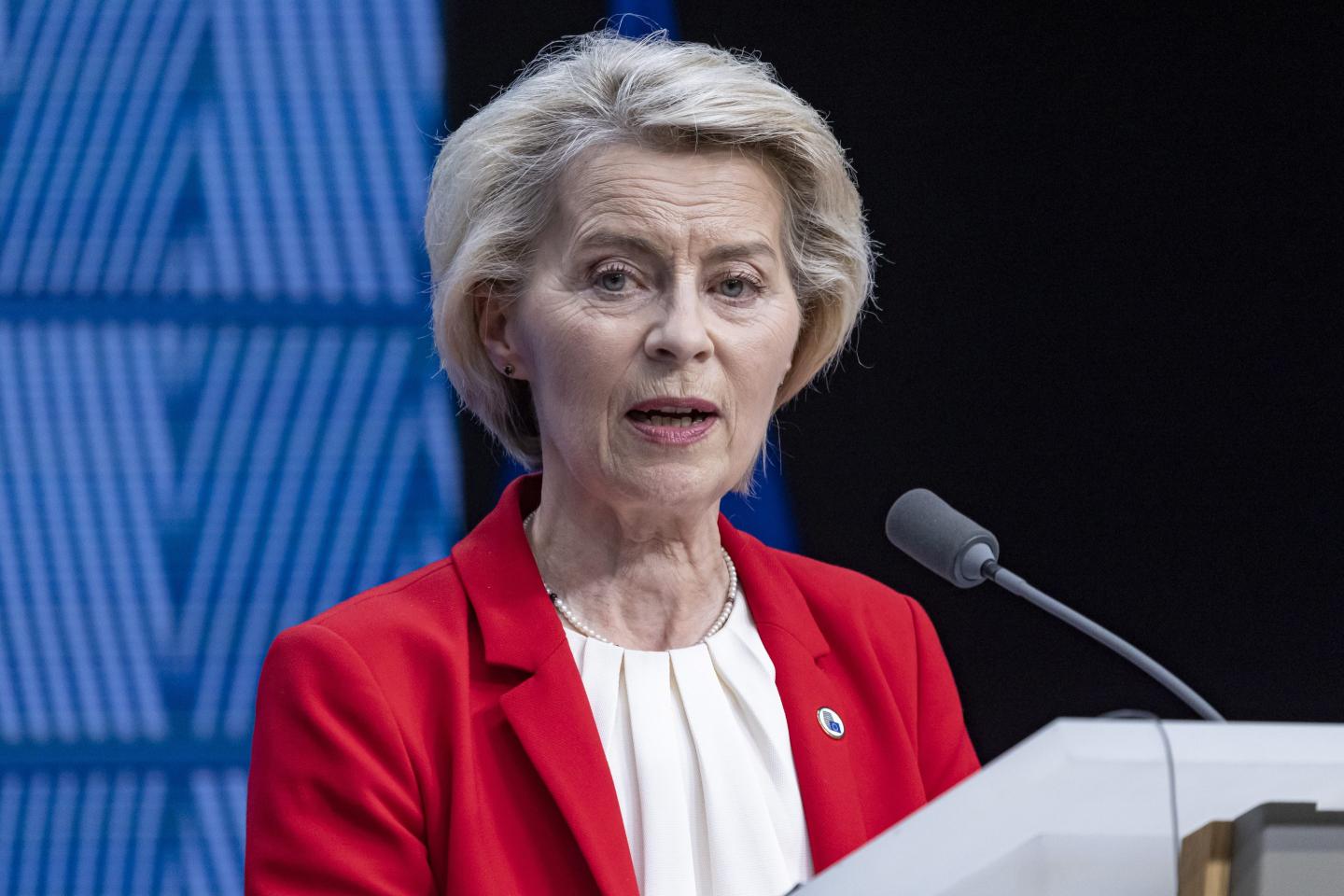
Ursula von der Leyen President of the European Commission.
Ursula von der Leyen President of the European Commission.Nicolas Economou/NurPhoto via Getty Images

“You’re losing,” JPMorgan Chase CEO Jamie Dimon told an audience in Dublin earlier in July, speaking about Europe and its companies. He warned of the continent’s declining share in global GDP, and suggested a pro-growth agenda was needed to make up for the shortfall. “Europe has some serious issues to fix,” he had previously said.   

Back in Brussels, many were nodding in agreement. After all, European growth has been tepid in the past decade, particularly compared to the US and China. In our own Fortune 500 Global list, which ranks companies by revenue, the number of European companies fell back from 142 in 2004 to 98 in 2024. And almost no new tech or industrial giants have emerged out of Europe in that time.  

Yet it wasn’t Dimon’s analysis, but that from another one-time banker, former European Central Bank president Mario Draghi, a year earlier, that made competitiveness such a hot issue. Notably, he put energy at the center of it. 
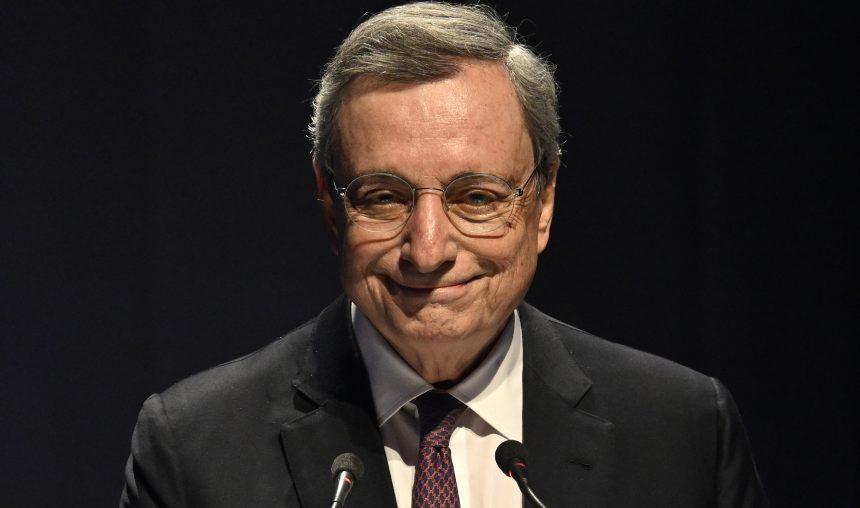
Former Italian Prime Minister and European Central Bank president, Mario Draghi.
Horacio Villalobos#Corbis/Getty Images

Alongside recommending a greater focus on innovation, security and economic independence, Draghi explicitly linked the continent’s commitment to decarbonization with the competitiveness of its economies.  

“Without a plan to transfer the benefits of decarbonization to end-users, energy prices will continue to weigh on growth. The global decarbonization drive is also a growth opportunity for EU industry… yet it is not guaranteed that Europe will seize this opportunity,” wrote Draghi, who minted his reputation in European politics with his “whatever it takes” approach to saving the euro in the global financial crisis. 

His message wasn’t that different from similar, previous reports that were quickly forgotten. After all, European industrial electricity prices can be 2-4 times higher than in the U.S., and with the exception of a few smaller countries, energy costs throughout the continent are higher than elsewhere in the industrialized world.  

But the economic and geopolitical context in which Draghi delivered his message meant that this time it carried a heightened sense of urgency.  

“Europe built its economic model around access to cheap energy from Russia, export markets in China, and security guarantees from the U.S., and none of these things are there anymore. That was the underlying message from Draghi,” Simone Tagliapietra, a senior fellow at the Brussels-based Bruegel think tank, says.  

Whether Draghi ever made his analysis so explicitly about Europe’s adversaries and allies isn’t clear: his office declined to comment on the matter when I reached out. But the idea that Europe’s economic competitiveness could only improve if it becomes energy independent, is a key consideration of President von der Leyen’s new European Commission, which started its term less than a year ago.  

“The Draghi report is the foundation of the European consensus on the new economic context that must be built at the European level for the next five years,” Stéphane Séjourné, the French Executive Vice President of the European Commission, in charge of the bloc’s industrial agenda, says. “There has truly been a change in approach on these issues… decarbonization is not just a climate plan, it is an economic strategy.”   

“Europe built its economic model around access to cheap energy from Russia, export markets in China, and security guarantees from the U.S., and none of these things are there anymore. That was the underlying message from Draghi.”

Simone Tagliapietra, a senior fellow at the Brussels-based Bruegel think tank

There is broad support beyond politics too. The link between Europe’s energy independence, decarbonization and industrialization plans was one of the main agenda items in a meeting between the European Commission and 60 business leaders, including the leaders of SAP and IKEA, this past June in Brussels.   

“Russia won’t come back,” Christian Klein, CEO of SAP, Europe’s largest tech company, told me following that meeting. “So we should rather invest in infrastructure and the grid to have access to other sources of energy.”  

Jesper Brodin, the CEO of Ingka (IKEA) agreed: “The hard-learned lesson of Russia’s invasion of Ukraine, and what it meant, is that there is a very strong majority in all camps for European energy independence.”  

Making the change 

But how can Europe even begin to turn this tide, even if the sense of urgency is real? All of Europe’s economic indicators are still blinking yellow or red, and national budgets are increasingly constrained by recent commitments to invest massively more in defense.   

“The fundamental problem is that Europe imports all the fossil fuels it needs,” Tagliapietra said. “Europe is trapped.”  

To give an idea, the North Sea, which 25 years ago produced 4.4 million barrels of oil equivalent a day, now produces around 1 million, a figure that is still dropping. The EU alone consumes over 10 million a day, even as it pushes to wean itself off hydrocarbons from Russia, which was its primary long-term supplier.  

Faced with this stark reality, Europe wants to generate more homegrown energy, more energy from electricity, and more links between countries’ electricity grids. It’s hardly a small challenge, as electricity (including solar and wind) still only supplies 23% of Europe’s energy needs. But this time Europe is serious about improving and greening the grid. 

“Russia won’t come back. So we should rather invest in infrastructure and the grid to have access to other sources of energy.”  

Christian Klein, CEO of SAP

Séjourné told me of his plans to advance the “single market”, as one key aspect. He plans to introduce a so-called “28th regime”, for example, so companies can operate all over Europe without having to establish separate entities in each market. (Europe has 27 member states, hence the notion of a 28th regime.)   

There are other reforms that could help too, including Draghi’s suggestions of improving or reducing Europe’s “inconsistent and restrictive regulations”.   

The goal is ultimately to incentivize the development of all types of European-produced energy, such as wind and solar, in a more coordinated way—and with more focus on speed of execution, compared to the country-by-country, slow, and highly bureaucratic ways of the past.  

“Europe wants to go to a world where governments are not planning their energy strategies at the national level only, but… in a way that is fully coordinated with other European countries,” Tagliapietra said.  

Will political commitment be enough for the continent to power its future, and enhance its competitiveness on the global stage? Do the continent’s leaders have the capabilities for reform to match their intent? What role will business play? In the remaining articles in this series, we plan to find out.  

Europe lags the U.S. and China in key growth sectors due to costly energy and stalled market reforms. This article series explores how technology, regulation, and innovation can revive its competitiveness. 

About the Author
By Peter VanhamEditorial Director, Leadership
LinkedIn icon

Peter Vanham is editorial director, leadership, at Fortune.

See full bioRight Arrow Button Icon

Latest in Economy

Finance
Lorem ipsum dolor sit amet, consectetur adipiscing elit, sed do eiusmod tempor incididunt ut labore et dolore magna aliqua. Ut enim ad minim veniam
By Fortune Editors
October 20, 2025
Finance
Lorem ipsum dolor sit amet, consectetur adipiscing elit, sed do eiusmod tempor incididunt ut labore et dolore magna aliqua. Ut enim ad minim veniam
By Fortune Editors
October 20, 2025
Finance
Lorem ipsum dolor sit amet, consectetur adipiscing elit, sed do eiusmod tempor incididunt ut labore et dolore magna aliqua. Ut enim ad minim veniam
By Fortune Editors
October 20, 2025
Finance
Lorem ipsum dolor sit amet, consectetur adipiscing elit, sed do eiusmod tempor incididunt ut labore et dolore magna aliqua. Ut enim ad minim veniam
By Fortune Editors
October 20, 2025
Finance
Lorem ipsum dolor sit amet, consectetur adipiscing elit, sed do eiusmod tempor incididunt ut labore et dolore magna aliqua. Ut enim ad minim veniam
By Fortune Editors
October 20, 2025
Finance
Lorem ipsum dolor sit amet, consectetur adipiscing elit, sed do eiusmod tempor incididunt ut labore et dolore magna aliqua. Ut enim ad minim veniam
By Fortune Editors
October 20, 2025

Most Popular

Finance
Lorem ipsum dolor sit amet, consectetur adipiscing elit, sed do eiusmod tempor incididunt ut labore et dolore magna aliqua. Ut enim ad minim veniam
By Fortune Editors
October 20, 2025
Finance
Lorem ipsum dolor sit amet, consectetur adipiscing elit, sed do eiusmod tempor incididunt ut labore et dolore magna aliqua. Ut enim ad minim veniam
By Fortune Editors
October 20, 2025
Finance
Lorem ipsum dolor sit amet, consectetur adipiscing elit, sed do eiusmod tempor incididunt ut labore et dolore magna aliqua. Ut enim ad minim veniam
By Fortune Editors
October 20, 2025
Finance
Lorem ipsum dolor sit amet, consectetur adipiscing elit, sed do eiusmod tempor incididunt ut labore et dolore magna aliqua. Ut enim ad minim veniam
By Fortune Editors
October 20, 2025
Finance
Lorem ipsum dolor sit amet, consectetur adipiscing elit, sed do eiusmod tempor incididunt ut labore et dolore magna aliqua. Ut enim ad minim veniam
By Fortune Editors
October 20, 2025
Finance
Lorem ipsum dolor sit amet, consectetur adipiscing elit, sed do eiusmod tempor incididunt ut labore et dolore magna aliqua. Ut enim ad minim veniam
By Fortune Editors
October 20, 2025
Fortune Secondary Logo
Rankings
  • 100 Best Companies
  • Fortune 500
  • Global 500
  • Fortune 500 Europe
  • Most Powerful Women
  • World's Most Admired Companies
  • See All Rankings
  • Lists Calendar
Sections
  • Finance
  • Fortune Crypto
  • Features
  • Leadership
  • Health
  • Commentary
  • Success
  • Retail
  • Mpw
  • Tech
  • Lifestyle
  • CEO Initiative
  • Asia
  • Politics
  • Conferences
  • Europe
  • Newsletters
  • Personal Finance
  • Environment
  • Magazine
  • Education
Customer Support
  • Frequently Asked Questions
  • Customer Service Portal
  • Privacy Policy
  • Terms Of Use
  • Single Issues For Purchase
  • International Print
Commercial Services
  • Advertising
  • Fortune Brand Studio
  • Fortune Analytics
  • Fortune Conferences
  • Business Development
  • Group Subscriptions
About Us
  • About Us
  • Lists Calendar
  • Press Center
  • Work At Fortune
  • Terms And Conditions
  • Site Map
  • About Us
  • Lists Calendar
  • Press Center
  • Work At Fortune
  • Terms And Conditions
  • Site Map
  • Facebook icon
  • Twitter icon
  • LinkedIn icon
  • Instagram icon
  • Pinterest icon

© 2026 Fortune Media IP Limited. All Rights Reserved. Use of this site constitutes acceptance of our Terms of Use and Privacy Policy | CA Notice at Collection and Privacy Notice | Do Not Sell/Share My Personal Information
FORTUNE is a trademark of Fortune Media IP Limited, registered in the U.S. and other countries. FORTUNE may receive compensation for some links to products and services on this website. Offers may be subject to change without notice.


Latest in Economy

You can fly almost anywhere in Europe for €20 while Spirit Airlines is staving off bankruptcy. Here’s the difference
PoliticsAirline industry
You can fly almost anywhere in Europe for €20 while Spirit Airlines is staving off bankruptcy. Here’s the difference
By Catherina GioinoApril 23, 2026
5 hours ago
anirudh
Conferencesdisruption
Cadence CEO on the AI boom and human nature: ‘there are more tools, but the human part is not different’
By Nick LichtenbergApril 23, 2026
6 hours ago
Meta, Microsoft look to trim workforces amid heavy AI spending
Big TechMeta
Meta, Microsoft look to trim workforces amid heavy AI spending
By Kurt Wagner, Brody Ford and BloombergApril 23, 2026
6 hours ago
President Donald Trump
EconomyImmigration
People living in the U.S. with temporary protected status, targeted by Trump, are a $29 billion economic force
By Tristan BoveApril 23, 2026
7 hours ago
David Ellison smiles
Arts & EntertainmentDeals
Paramount’s $81 billion Warner Bros mega merger moves closer to becoming a reality as shareholders approve deal
By Wyatte Grantham-Philips and The Associated PressApril 23, 2026
8 hours ago
A man walks on a patch of land that is dried and cracked
Environmentclimate change
The world has entered a ‘global water bankruptcy,’ but markets are mispricing water as drought costs rise to $307 billion annually, analysts warn
By Sasha RogelbergApril 23, 2026
8 hours ago

Most Popular

When interest on national debt overtook military spending, it triggered a limit where the U.S. may ‘cease to be a great power,’ warns Hoover historian
Economy
When interest on national debt overtook military spending, it triggered a limit where the U.S. may ‘cease to be a great power,’ warns Hoover historian
By Eleanor PringleApril 23, 2026
15 hours ago
Officials will flush 50,000 toilets to flood a Utah lake in order to generate electricity
Environment
Officials will flush 50,000 toilets to flood a Utah lake in order to generate electricity
By Mead Gruver, Dorany Pineda and The Associated PressApril 22, 2026
1 day ago
Cursor’s 25-year-old CEO is a former Google intern who just inked a $60 billion deal with SpaceX
AI
Cursor’s 25-year-old CEO is a former Google intern who just inked a $60 billion deal with SpaceX
By Marco Quiroz-GutierrezApril 22, 2026
1 day ago
Craving work-life balance is a huge red flag, says Fortune 500 Europe CEO—and like Barack Obama, he happily works through weekends
Success
Craving work-life balance is a huge red flag, says Fortune 500 Europe CEO—and like Barack Obama, he happily works through weekends
By Orianna Rosa RoyleApril 22, 2026
2 days ago
The Iran war is pushing Southeast Asia to debate the once unthinkable: Whether ships will need to pay to transit the Strait of Malacca
Economy
The Iran war is pushing Southeast Asia to debate the once unthinkable: Whether ships will need to pay to transit the Strait of Malacca
By Angelica AngApril 23, 2026
15 hours ago
The Gen Z Pout and the Gen Z Stare are both a warning to Fortune 500 CEOs
Future of Work
The Gen Z Pout and the Gen Z Stare are both a warning to Fortune 500 CEOs
By Nick LichtenbergApril 23, 2026
17 hours ago