A healthy gut can be one of the most powerful (and most overlooked) drivers of daily performance. Probiotics are beneficial bacteria that live in your digestive tract and can help support your immune system function, smooth digestion, and steady energy–all of which matter when your schedule is packed, and the stakes are high.
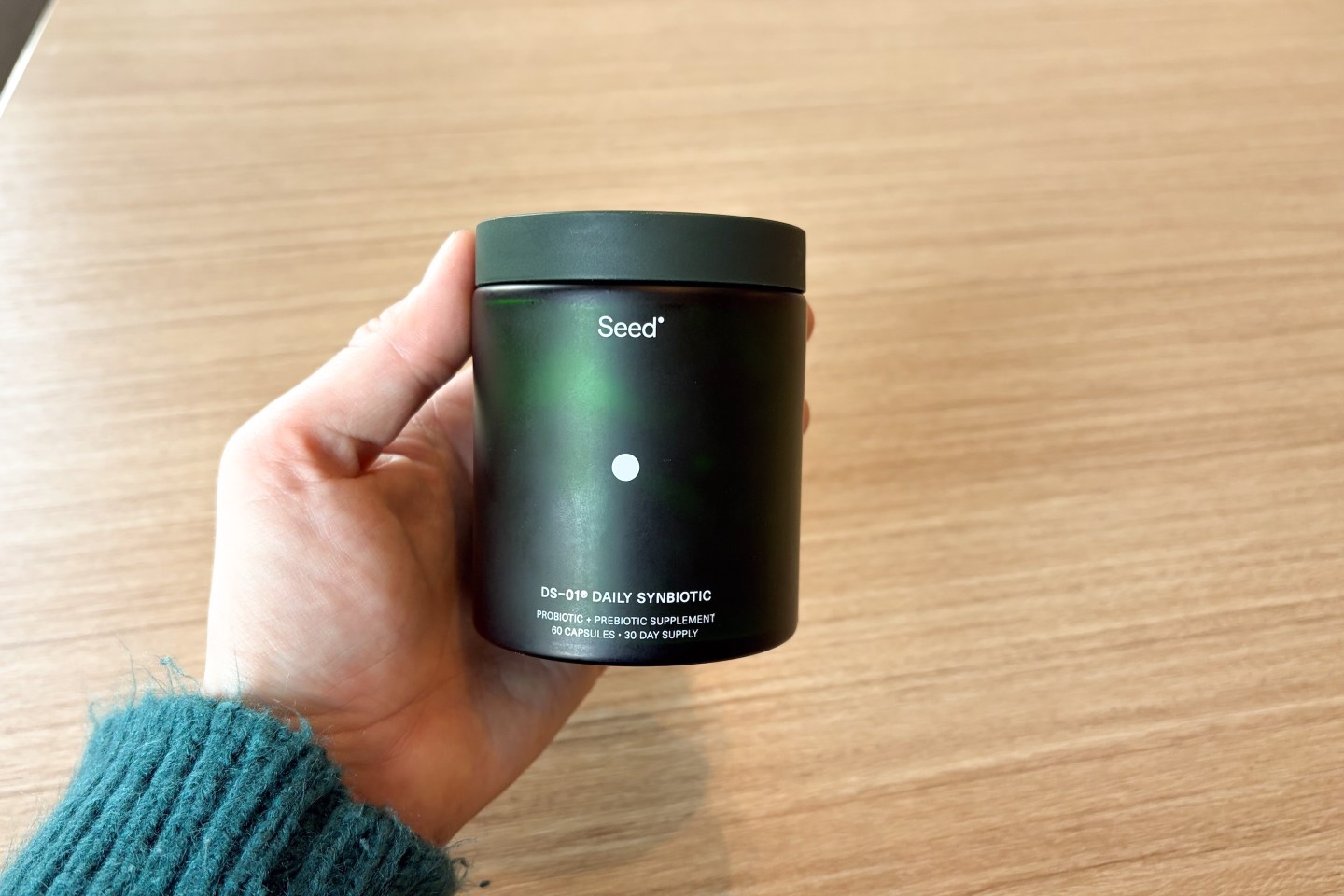
The Seed Daily Synbiotic is a prebiotic and probiotic supplement that includes 24 strains of bacteria that support your gut’s health and overall wellbeing. It also uses a delayed release capsule for maximum effectiveness. We tested Seed probiotics hands-on. Read on for our review, specs, comparison, and more.
Seed Daily Synbiotic
CFUs
53.6 billion AFUsStrains
24 strains, including Bifidobacterium longum, Bifidobacterium adolescentis, Ligilactobacillus salivariusForm
Vegan capsuleCertifications
Prop. 65 Compliant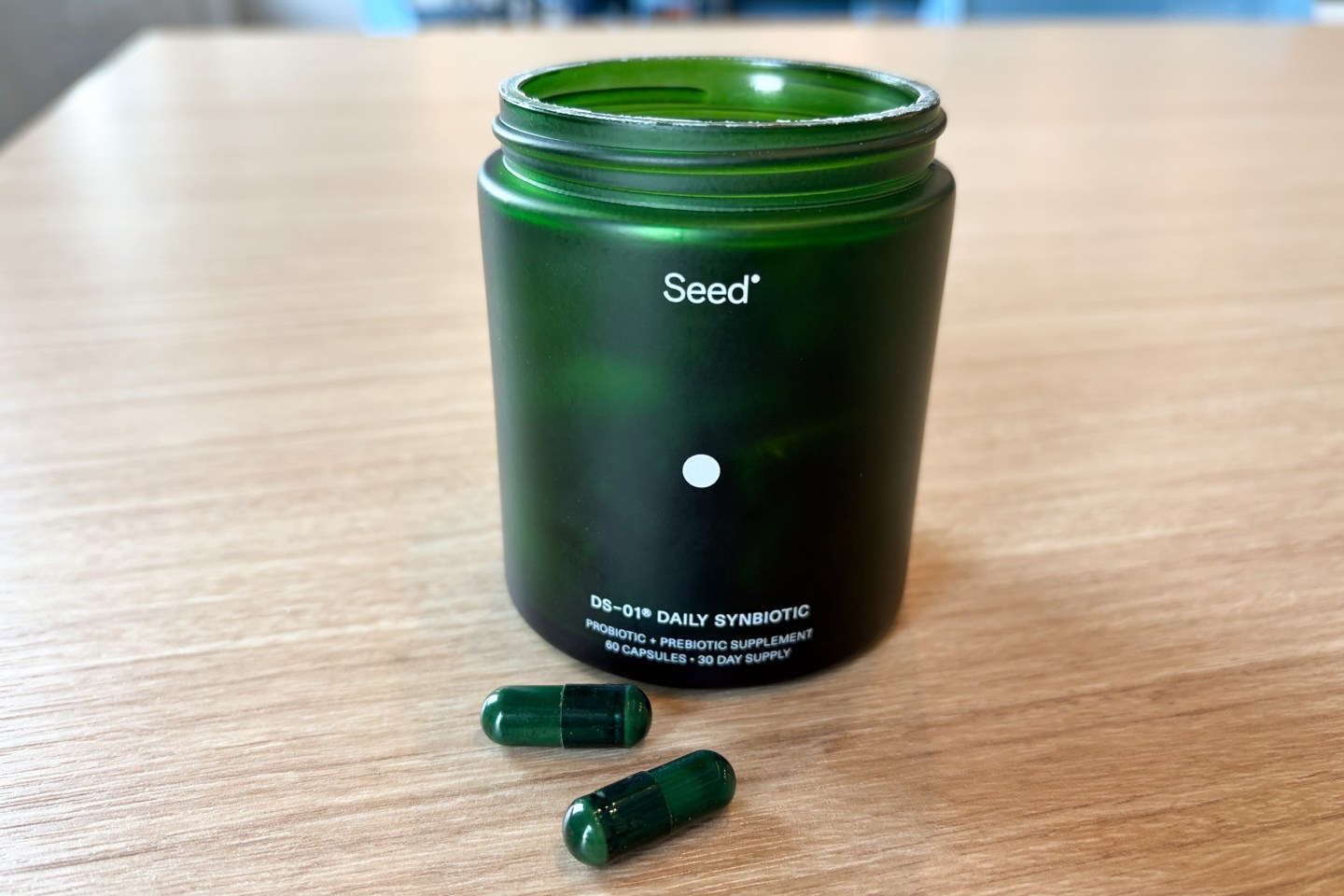
Measured in AFUs rather than CFUs for a more accurate organism count in the probiotic
Folks looking for a higher dose probiotic
- Dual‑layer capsule designed to improve absorption
- 24 distinct probiotic strains with 53.6 billion AFU per serving
- Allergen-safe
- Expensive
- Has an earthy taste
- Sold via a subscription rather than a one-off purchase as needed
Seed Daily Synbiotic Specs
Our Experience with Seed Daily Synbiotic
Pete, our certified nutrition coach, tested Seed Synbiotic. He liked that there have been four double-blind, placebo-controlled clinical trials performed on the product. “The studies support that DS-01 delivers measurable benefits beyond digestive support, including improvements in immune, skin, and heart health. Some of these benefits include stronger gut barrier integrity, improved immune signaling, improved skin appearance, and improved cholesterol balance,” said Pete.
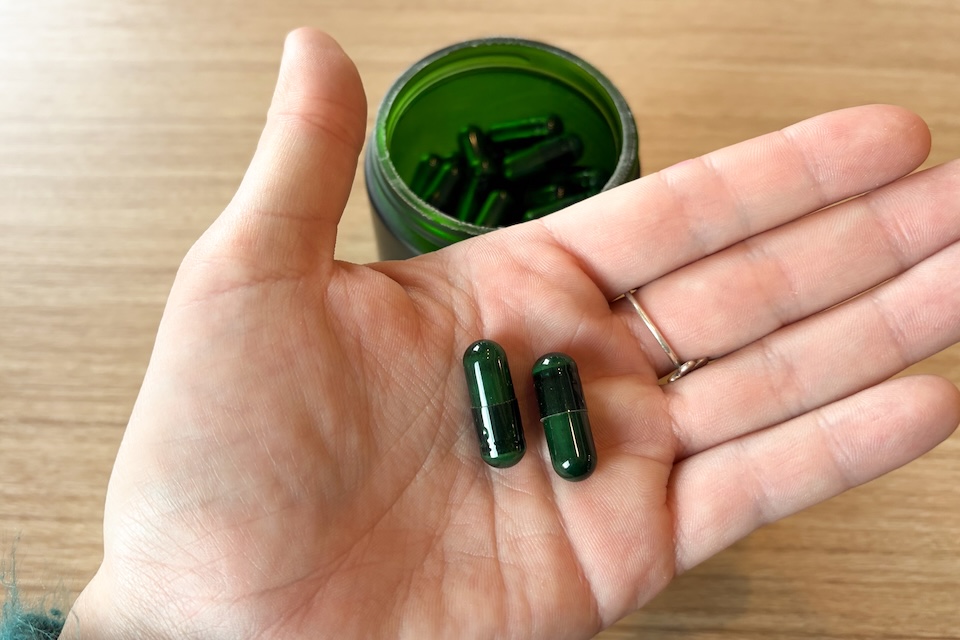
It’s worth noting that Seed is formulated differently than many probiotics, with AFUs instead of CFUs. Per Pete: “CFU stands for colony forming units, and this measures how many living microbes can grow and form colonies on a lab plate. AFU stands for active fluorescent units and measures the number of metabolically active bacteria. This means that AFU measures organisms that are alive and functional but may not form actual colonies, meaning AFU numbers are often higher but also more accurate counts of active bacteria compared to CFU.”
What We Liked
Here’s what Pete rated highly after trying Seed Synbiotic.
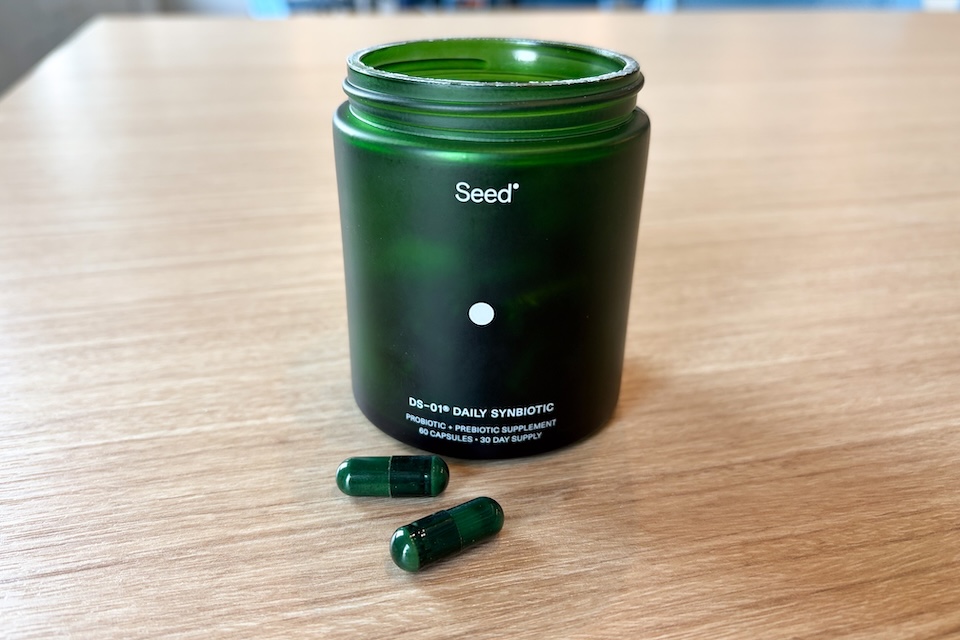
- First impression (5 out of 5): Pete liked the packaging of Seed Synbiotic. “The brand intentionally provides a high-quality, reusable glass container, since you’re meant to keep the jar and refill it each month using Seed’s refill packs,” he said.
- Instructions (5 out of 5): Pete found the instructions easy to read and follow.
- Side effects (5 out of 5): Pete only tested this probiotic one time but didn’t experience any digestive issues or negative side effects.
What We Would Change
Here’s what Pete would improve about Seed Daily Synbiotic.
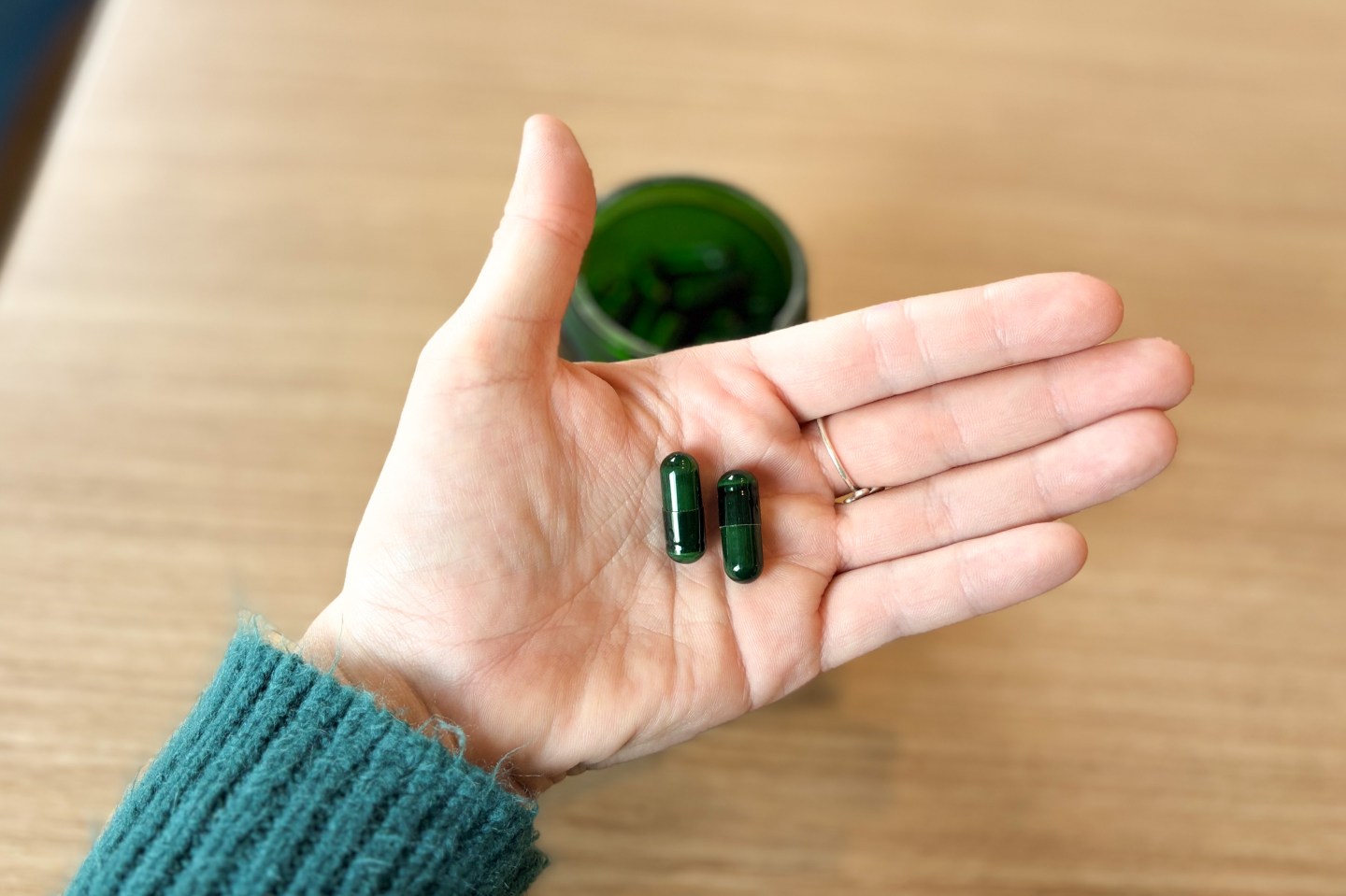
- Swallowability (3 out of 5): Each serving size is two capsules.
- Taste (3 out of 5): They capsules aren’t totally tasteless. Pete said, “There is a slight earthy taste to the capsules, but you can swallow them quickly and won’t really taste much.”
- Price per serving (1 out of 5): Seed Probiotics are among the most expensive probiotics that we’ve tested, at $1.66 per serving.
Who It’s For & Who It’s Not For
Seed may work well for some, and not for others.
Comparing Seed to Other Probiotic Supplements
Frequently asked questions
What is considered the best probiotic on the market?
Seed Daily Synbiotic won the title of our best overall probiotic because of how it was formulated. While the “good” bacteria in most probiotics are measured in CFUs, Seed uses AFUs.
Can probiotics help with estrogen?
Yes, your gut has estrogen-processing bacteria, which can help keep estrogen levels in a healthy range. Probiotics may change your gut microbes, which will influence your estrogen.
What are side effects of Seed probiotics?
Some side effects that you may potentially experience in the first few weeks of taking Seed probiotics include: bloating and gas, cramps, nausea, and possible constipation. These are likely to fade as your body adjusts to the new probiotic.