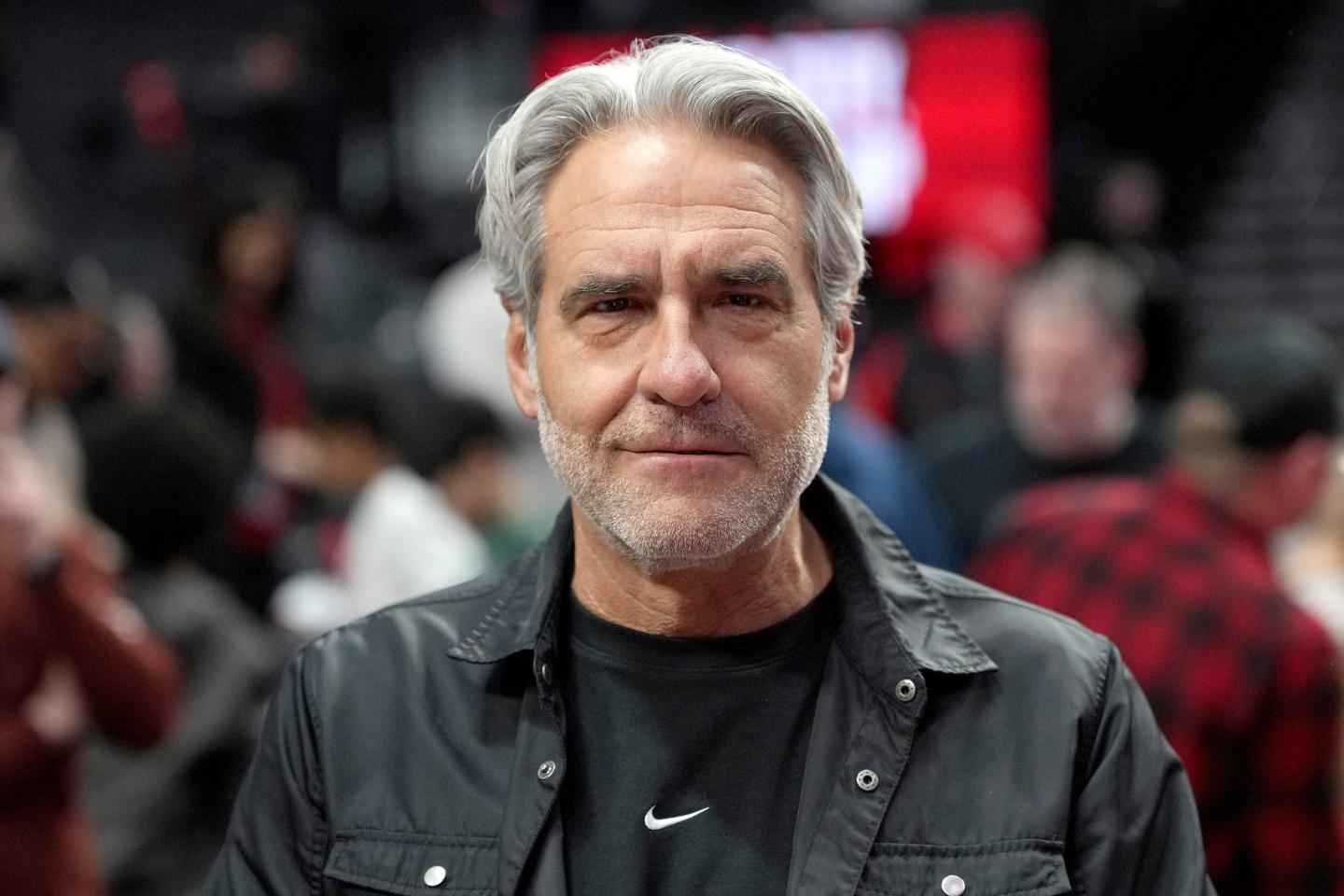
Nearly two years after Elliott Hill returned to Nike as CEO, his tenure raises a question that eventually confronts almost every leader handed a struggling business. How much time should someone get to prove that a turnaround is working?
Executives brought in to revive a company, division, or function often inherit problems that accumulated over years while facing pressure to show improvement within quarters. Hill inherited a Nike in 2024 struggling with weakened retailer relationships, excess inventory, slowing innovation, and declining cultural relevance. He has restored wholesale growth and strengthened performance running. Yet Nike Direct and digital sales have remained weak, China continues to struggle, and the stock has lost the enthusiasm that greeted his appointment.
Research on corporate transformations suggests that expecting an immediate recovery is unrealistic. McKinsey offers some indication of how slowly the economics of a transformation can emerge. In one survey, respondents reported that roughly half of a transformation’s value was realized in the first 18 months, with the remainder coming later.
Spencer Stuart’s research offers a more detailed timeline for judging a CEO’s progress. The firm describes the first year as a launch period, when new CEOs face a steep learning curve, tackle inherited problems and make decisions that can shape their tenure. By then, a leader should have a credible diagnosis, the right team and clear strategic priorities. The second year becomes a period of calibration, when boards and other stakeholders can look for movement in measures such as customer retention, product momentum, market share and operating performance. By around year three, those early decisions should increasingly translate into stronger revenue, margins and returns.
Hill is now far enough into the job to assess whether his early decisions are producing results. Simeon Siegel, senior managing director at Guggenheim Partners, argues that North America provides one such test. Nike’s largest region was among the first parts of the business to struggle, but it has returned to low single-digit growth.
“When people are saying, ‘Okay, he’s failing,’ we have to say, ‘Well, he actually got his largest section to grow 3%,’” he recently told me. The question, he argues, is whether that improvement indicates Nike has found an approach that can eventually work in other regions facing similar problems. “Maybe they do know what they’re doing,” he says. “And therefore, it’s a matter of time.”
A turnaround does not have to be complete for a leader to make the case for more time. There should, however, be evidence that the decisions made early in the process are producing results. For Hill, North America provides some of that evidence. Whether Nike can replicate that progress elsewhere will be the next test.
Ruth Umoh
ruth.umoh@fortune.com
Editor’s note: This newsletter will be off for Labor Day on Monday, Sept. 7. We will return with our next edition.
Smarter in seconds
Hustle immunity. Despite working long 12-hour days, billionaire Panda Express co-CEO says he never got burned out: ‘That’s life’
Algorithmic advancement. ‘It’s very objective’: Billionaire Marc Lore’s Wonder uses an AI algorithm to determine who gets promoted
Buffett ball. The contrarian who built the NFL’s best team by investing like Warren Buffett
Leadership lesson
Gap’s CEO on balancing buzz and sales: “Cultural connection and cultural relevance are actually a fundamental part of brand relevance.”
News to know
John Ternus will inherit a highly profitable Apple on Tuesday, but he faces mounting challenges from AI competition and the need for product innovation. Fortune
Gap CEO Richard Dickson is trying to revive the brand’s cultural relevance with buzzy campaigns and celebrity collaborations. Fortune
The DOJ is turning to a centuries-old “prize law” to prepare for the potential seizure and disposal of Iranian vessels and cargo during military conflict. Fortune
Chevron is in talks to add two Venezuelan oil fields as U.S. energy companies seek to expand their presence in the country’s vast oil industry. Bloomberg
How Taylor Farms became a fresh-food giant essential to America’s biggest grocers and restaurants. CNBC
Trump-linked companies are courting Democrats and bracing for investigations if the party retakes the House. WSJ