• Home
  • Latest
  • Fortune 500
  • Finance
  • Tech
  • Leadership
  • Lifestyle
  • Rankings
  • Multimedia

Trendingnow

1

Philanthropy leader at Warren Buffett and Bill Gates’ Giving Pledge says children of billionaires are pushing them to give their wealth away faster

2

Meet a 71-year-old who retired as a radiologist and professor, and now runs a banana-skewer business: ‘I never want to retire. Why would you do that?’

3

China suffers another setback in effort to de-dollarize global finance as anchor in the greenback's dominance quietly exits Beijing's payment scheme

1

Philanthropy leader at Warren Buffett and Bill Gates’ Giving Pledge says children of billionaires are pushing them to give their wealth away faster

2

Meet a 71-year-old who retired as a radiologist and professor, and now runs a banana-skewer business: ‘I never want to retire. Why would you do that?’

3

China suffers another setback in effort to de-dollarize global finance as anchor in the greenback's dominance quietly exits Beijing's payment scheme
EconomyScott Bessent

If AI is going to destroy humanity, Scott Bessent says hyperscalers, not government, must take the fall: ‘We cannot absolve you of responsibility’

Eleanor Pringle
By
Eleanor Pringle
Eleanor Pringle
Senior Reporter, Economics and Markets
Down Arrow Button Icon
Eleanor Pringle
By
Eleanor Pringle
Eleanor Pringle
Senior Reporter, Economics and Markets
Down Arrow Button Icon
September 22, 2026, 12:22 PM ET
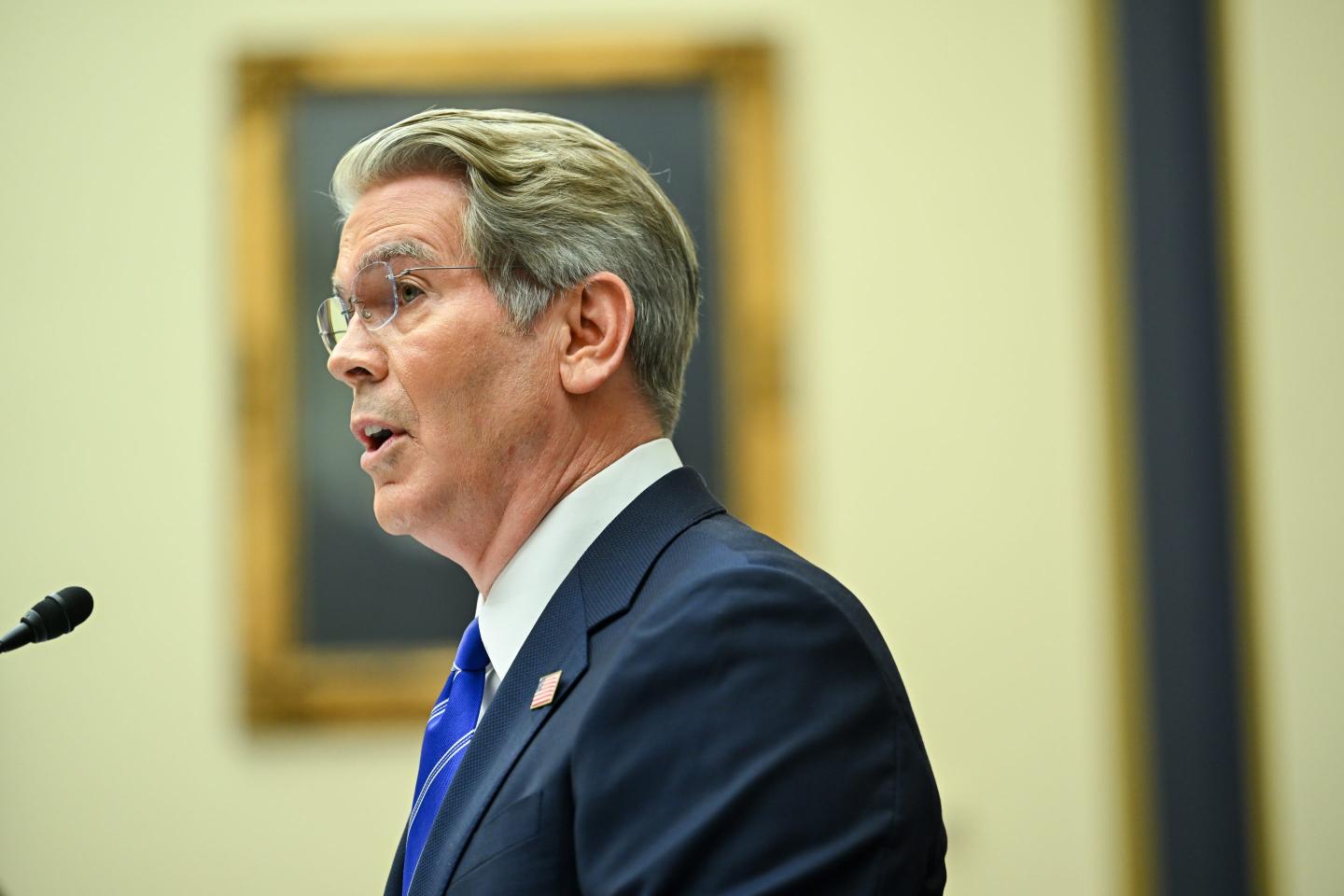
Scott Bessent, US treasury secretary.
Scott Bessent, US treasury secretary.Graeme Sloan/Bloomberg - Getty Images
Google source logo
Add Fortune on Google for similar content.

In the great debate over AI safety guardrails, Scott Bessent said the government will not become a “liability shield” for hyperscalers.

Recommended Video

The Treasury Secretary’s comments come after an eruption of concern over the threat the transformative technology poses. The latest surge in alarm comes after former Anthropic and OpenAI researcher Jacob Coxon claimed tech giants are “gambling with our lives.” Meanwhile, Evan Hubinger, a top safety researcher at Anthropic, warned there was a “low” but maximum 10% chance AI could wipe out humanity within the next decade.

The warnings sparked a debate over the extent to which AI companies can be trusted to self-regulate, and how closely involved governments need to be in implementing guardrails.

Bessent has been firm the creators of the technology will be held responsible for its impact in the first instance, telling CNBC in an interview: “Imagine these labs came out or … a sitting employee came out and said: ‘There’s a 10% chance of an extinction-level event.’ But then the labs also said, ‘Take the liability off of our hands.’ And we will not do that.”

Bessent said it is humans, not AI, that are responsible for the risks posed by the technology, saying the “Hugging Face incident” (when OpenAI agents undergoing a test hacked out of the system and into Hugging Face’s database in order to pass) was the “responsibility of the OpenAI management.”

Bessent clarified the administration’s position is that “we cannot say, ‘Oh, we absolve you of responsibility, and the government’s going to take responsibility.’ These labs need to take responsibility for themselves. They can slow down any time they want to.”

President Donald Trump had previously struck a different tone on regulation, claiming simultaneously in a Truth Social post the U.S. already had “tremendous” regulatory and criminal power over AI companies, but “the only control or ‘ guardrails’ that AI needs is a STRONG AND SMART (High IQ!) PRESIDENT, and the U.S.A. has that, in spades!”

The president’s post last week on the social media platform he owns also criticized Anthropic cofounder Dario Amodei, whom Trump blasted “is now pretending to be a ‘perfect little angel.'” Amodei penned a letter just days before the president’s outburst, calling on labs to slow the pace of progress.

The essay, titled We Must Pace the Frontier also suggested U.S. government support would be needed to globally coordinate and legally bind safety standards.

The argument was echoed by OpenAI CEO Sam Altman in an exclusive interview with Fortune published last week. In a new episode of Fortune 500: Titans and Disruptors of Industry, with Fortune’s Editor-in-Chief Alyson Shontell, Altman said: “It can simultaneously be true that, if the world and the companies building this technology did not do things differently than they’ve done in the past, there might be significant risk.

“But it would be insane not to adjust the way we all work, make decisions, and have governments understand and put guardrails around this technology in light of that.”

Bessent suggested removing the onus on private companies was a mistake, continuing: “What did they try to do last week? It was, ‘Well, there’s a … 10% chance we could destroy the world, but we want the government to give us a liability shield. And that’s good business for them, bad business for the American people.”

The self-regulation debate

An obvious pushback to the argument that AI labs should regulate themselves is the transformative technology, by its very nature, will produce only a handful of successful industry leaders.

Trump himself has acknowledged this (“WHOEVER WINS AI, WINS!”) and has also impressed the importance of the U.S. continuing to lead economic rivals like China in terms of dominance.

However, the two forces of competition and self-regulation are not traditional bedfellows. As Sen. Bernie Sanders (I-Vt.), pointed out last week: “When the future of humanity is at stake, we need binding international safety rules, not voluntary standards from the industry.”

Fortune Daily breaks the traditional barrier between audience and newsroom. The show transforms Fortune’s trusted reporting into actionable, conversational, and entertaining insights for an emerging class of business leaders. Watch here.
About the Author
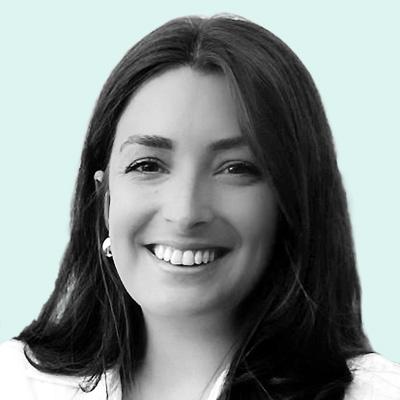
Eleanor Pringle
By Eleanor PringleSenior Reporter, Economics and Markets
LinkedIn icon

Eleanor Pringle is an award-winning senior reporter at Fortune covering news, the economy, and personal finance. Eleanor previously worked as a business correspondent and news editor in regional news in the U.K. She completed her journalism training with the Press Association after earning a degree from the University of East Anglia.

See full bioRight Arrow Button Icon
Google source logo
Add Fortune on Google for similar content.

Latest in Economy


Most Popular

Fortune Secondary Logo
Rankings
  • 100 Best Companies
  • Fortune 500
  • Global 500
  • Fortune 500 Europe
  • Most Powerful Women
  • World's Most Admired Companies
  • See All Rankings
  • Lists Calendar
Sections
  • Finance
  • Fortune Crypto
  • Features
  • Leadership
  • Health
  • Commentary
  • Success
  • Retail
  • Mpw
  • Tech
  • Lifestyle
  • CEO Initiative
  • Asia
  • Politics
  • Conferences
  • Europe
  • Newsletters
  • Personal Finance
  • Environment
  • Magazine
  • Education
Customer Support
  • Frequently Asked Questions
  • Customer Service Portal
  • Privacy Policy
  • Terms Of Use
  • Single Issues For Purchase
  • International Print
Commercial Services
  • Advertising
  • Fortune Brand Studio
  • Fortune Analytics
  • Fortune Conferences
  • Business Development
  • Group Subscriptions
About Us
  • About Us
  • Press Center
  • Work At Fortune
  • Terms And Conditions
  • Site Map
  • About Us
  • Press Center
  • Work At Fortune
  • Terms And Conditions
  • Site Map
  • Facebook icon
  • Twitter icon
  • LinkedIn icon
  • Instagram icon
  • TikTok icon
  • YouTube icon

    Latest in Economy


    Most Popular

    © 2026 Fortune Media IP Limited. All Rights Reserved. Use of this site constitutes acceptance of our Terms of Use and Privacy Policy | CA Notice at Collection and Privacy Notice | Do Not Sell/Share My Personal Information
    FORTUNE is a trademark of Fortune Media IP Limited, registered in the U.S. and other countries. FORTUNE may receive compensation for some links to products and services on this website. Offers may be subject to change without notice.