Sixty percent of Americans identify as “working class”—including millions of top earners who believe their economic struggles now match a term long reserved for low-income workers.
A new Pew Research Center analysis, based on a survey conducted in January 2026, found that 60% of U.S. adults say the term describes them well, and half of college graduates agree.
“Working class” has long been an ambiguous label for low-income earners, people without four-year degrees, and blue-collar workers. But according to the study, half of upper-income adults—those earning above $155,600 annually—now also see themselves as working class. That income would have placed them firmly in the upper middle class in the early 2000s.
The numbers were up across the board from just two years ago, when the Pew Research Center’s 2024 study found that 54% of Americans identified with the term “working class.” Researchers found that the 6-point uptick held across many demographic, socioeconomic, and political groups.
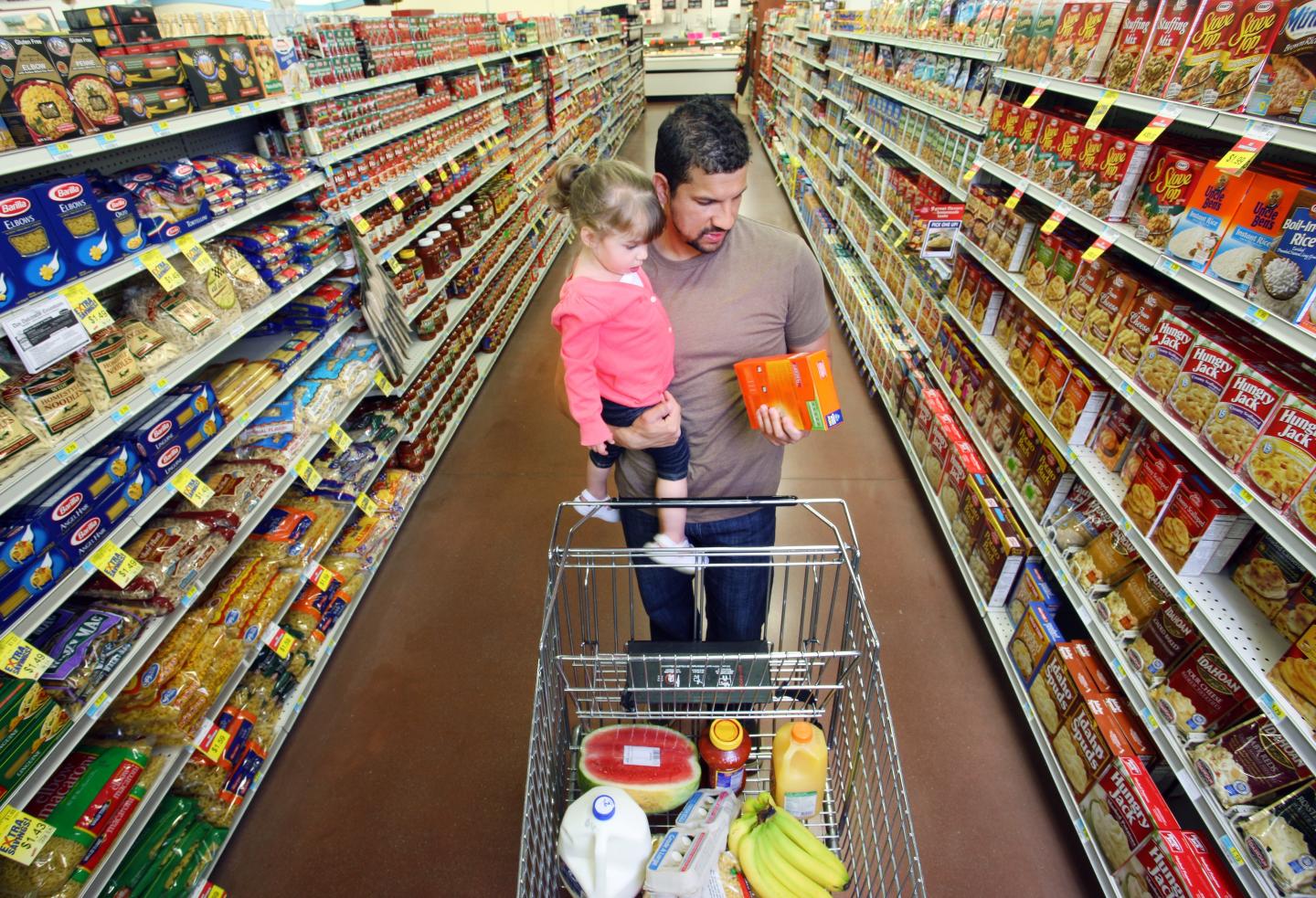
Even wealthier and more educated people have begun to feel the squeeze as inflation continues to erode Americans’ paychecks while wage growth fails to keep up. Ordinary purchases like groceries have become harder to afford, putting the American Dream more out of reach than ever.
Affordability has become a major talking point in the run-up to the November midterms, with each party trying to court working-class voters. The cost of living has been a primary concern for voters who have watched their gas bills rise after the Iran war sent gasoline and diesel prices to record highs.
Middle-income and even high earners may now feel their experiences mirror struggles traditionally associated with the “working class,” as milestones like homeownership have become even harder to achieve.
A study by Investopedia found that achieving the American Dream—a house in the suburbs, two children, and a car—costs $4.4 million, more than $1 million more than most Americans will earn in their lifetimes.
The median price of a new single-family home in the first quarter of 2026 was $403,200, according to the National Association of Home Builders. This marks the fourth consecutive quarter in which existing home prices have exceeded new home prices. The typical U.S. homebuyer is now 59 years old, up from 39 just 15 years ago, and the median first-time buyer has climbed to a record 40.
Young people give up on the American Dream
Gen Z graduates have borne the brunt of these economic fears, saddled with record college debt and facing a historically difficult entry-level job market. The most recent data from the New York Fed shows that recent graduates were unemployed at a rate of 5.7% in June, the highest in more than four years. Many are anxious that AI will make the job market even more uncertain—part of what Fortune has described as a “great postponement” of the traditional American Dream.
Only 21% of young people today think the American Dream is achievable for them, down from over 50% just a decade ago.
A 2025 Harris Poll survey found that 64% of six-figure earners said their once-high income is no longer a marker of success, but the bare minimum to stay afloat. It’s a strain Fortune has tracked as even workers earning $500,000 a year report living paycheck to paycheck, and as six-figure households increasingly say buying a home feels unattainable.
“Our data show that even high earners are financially anxious—they’re living the illusion of affluence while privately juggling credit cards, debt, and survival strategies,” Libby Rodney, the Harris Poll’s chief strategy officer, wrote in a statement.
According to the Harris Poll, these top earners are pinching pennies just like many of their lower-income counterparts.
Fifty percent have used “buy now, pay later” plans for purchases under $100, and 45% have delayed medical care because of the cost. Many also use rewards points to pay for essentials or rely on credit cards to make ends meet.
“The illusion of wealth is exhausting: Many top earners say people assume they can afford it all, yet behind the image of success are quiet sacrifices,” the report explains.