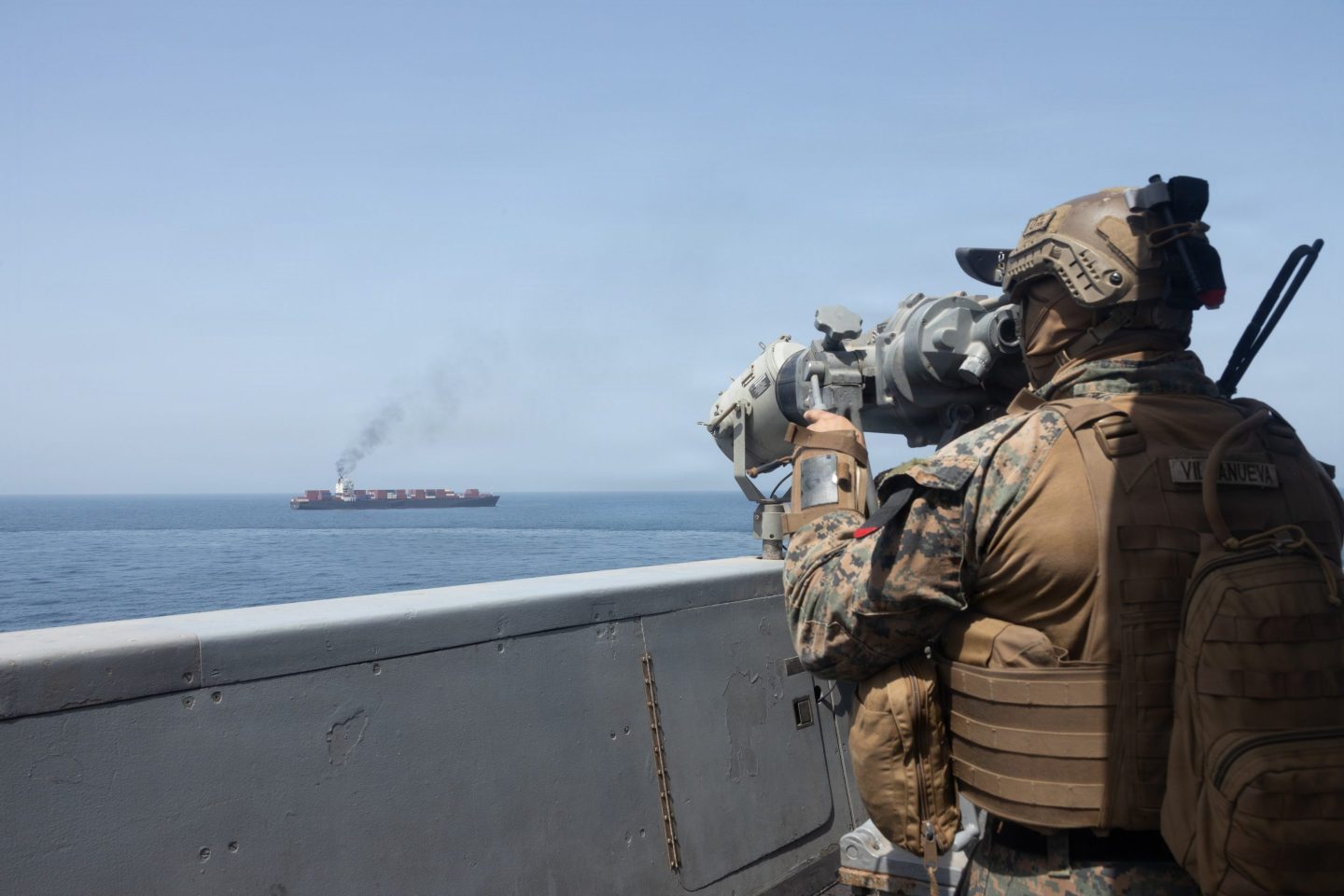
While the U.S. and Iran remain mired in a stalemate of ever-evolving ceasefires, the Strait of Hormuz energy chokepoint at stake is just one part of a global chessboard in a broader “cold war” against China, geopolitical experts and economists said.
The Iran war and Hormuz blockade just happen to be the biggest gambit in the high-tempo game thus far. At play are all critical waterways and congestion bottlenecks through which the world’s energy products, agriculture, and supply chain parts flow.
Despite China’s rapid growth, it still relies heavily on energy imports, and the U.S. continues to claim naval superiority for now. But while the Hormuz clash has dominated the headlines, behind the scenes the U.S. is quickly making moves to greater influence the world’s other shipping and strategic military arteries from the Panama Canal and Greenland to the Strait of Gibraltar between Europe and Africa, and to Asia’s Strait of Malacca—the busiest strait in the world.
“The U.S. is applying pressure, and it’s clearly addressing the weak spots that are reflected in these various nodes—or straits—of global supply chain transit,” said Thierry Wizman, a top economic strategist for the Macquarie Group. “They’re the sea lanes that China depends on to uphold its economic preeminence.”
Opening move
The escalation started soon into Trump’s second term, when he launched his global tariff war, with China as a primary target. China countered by asserting its global supply chain dominance over critical minerals and rare earths. And the U.S. is now responding by targeting strategic choke points and China’s oil-producing allies, including Iran and Venezuela.
“The U.S., in recent weeks and months, is trying to assert some dominion over those places, effectively as a way of boxing in China,” Wizman told Fortune. “It doesn’t have to lead to a kinetic war; it could just be a blocking maneuver. If the U.S. could threaten to cut off China’s energy supply, well then China would think twice about invading Taiwan or making other moves.”
Even if weakening China is only a secondary goal in the Middle East, it’s easy to see a bigger chess game at play, said energy analyst Dan Pickering, founder of Pickering Energy Partners consulting and research firm. And it’s no coincidence that nearly all of Venezuela’s and Iran’s oil exports went to China.
“Behind everything that’s going on, there’s a China angle as well,” Pickering said of the Iran war. “The impact on the energy side isn’t great for China, and that’s a fairly important secondary impact. That certainly gets woven into the broader strategy.”
The Donroe Doctrine in the West
The White House put a name to Trump’s tactics late last year, informally calling it the “Donroe Doctrine,” and encompassing all the ways in which the U.S. plans to enact greater control over the Western Hemisphere.
About a month later, the U.S. shocked the world in early January by forcibly arresting Venezuelan leader Nicolás Maduro in the middle of the night—a successful operation that left Trump feeling more confident. But it was far from a global checkmate.
The president immediately began speaking more about buying or seizing Greenland, further unnerving NATO allies. Apart from Greenland’s potential for oil and critical minerals development, Greenland also offers key economic and military passageways that could be utilized by China and Russia. That includes the key GIUK (Greenland-Iceland-United Kingdom) gap—a vital naval choke point.
And the more climate change results in ice sheets melting, the more open Greeland’s maritime passages will grow.
The other key piece of the board in the West is the Panama Canal connecting the Pacific and Atlantic oceans. The U.S. had become increasingly frustrated with China’s rising control over the canal.
Later in January, amid an intense U.S. pressure campaign, the Trump administration took a major win when the Panamanian Supreme Court ruled that Hong Kong-based CK Hutchison Holdings’ contract managing the Panama Canal was unconstitutional. The Panama government seized the canal’s ports from the company in February, greatly upsetting China.
A subsidiary of the Danish group A.P. Moller-Maersk—a U.S.-friendly European player—has assumed interim control of the critical canal until a new contract is awarded.
Middle East gambit
Backed by Israel and emboldened by the successful Venezuela campaign, the Trump administration quickly launched a surprise attack of Iran at the end of February after building up its largest naval armada in the region since the 2003 Iraq invasion.
But, expecting a quicker surrender from the shock-and-awe campaign, a weakened and cornered Iran—to borrow another chess term—played a zwischenzug—an unexpected move requiring an immediate response.
That is, Iran held the Strait of Hormuz hostage by attacking tankers with fast boats and drones and by bombing its Gulf states neighbors and their energy infrastructure. The novelty was surprising to many—even though it was predicted by some analysts—because the strait was always off limits in previous Middle Eastern conflicts.
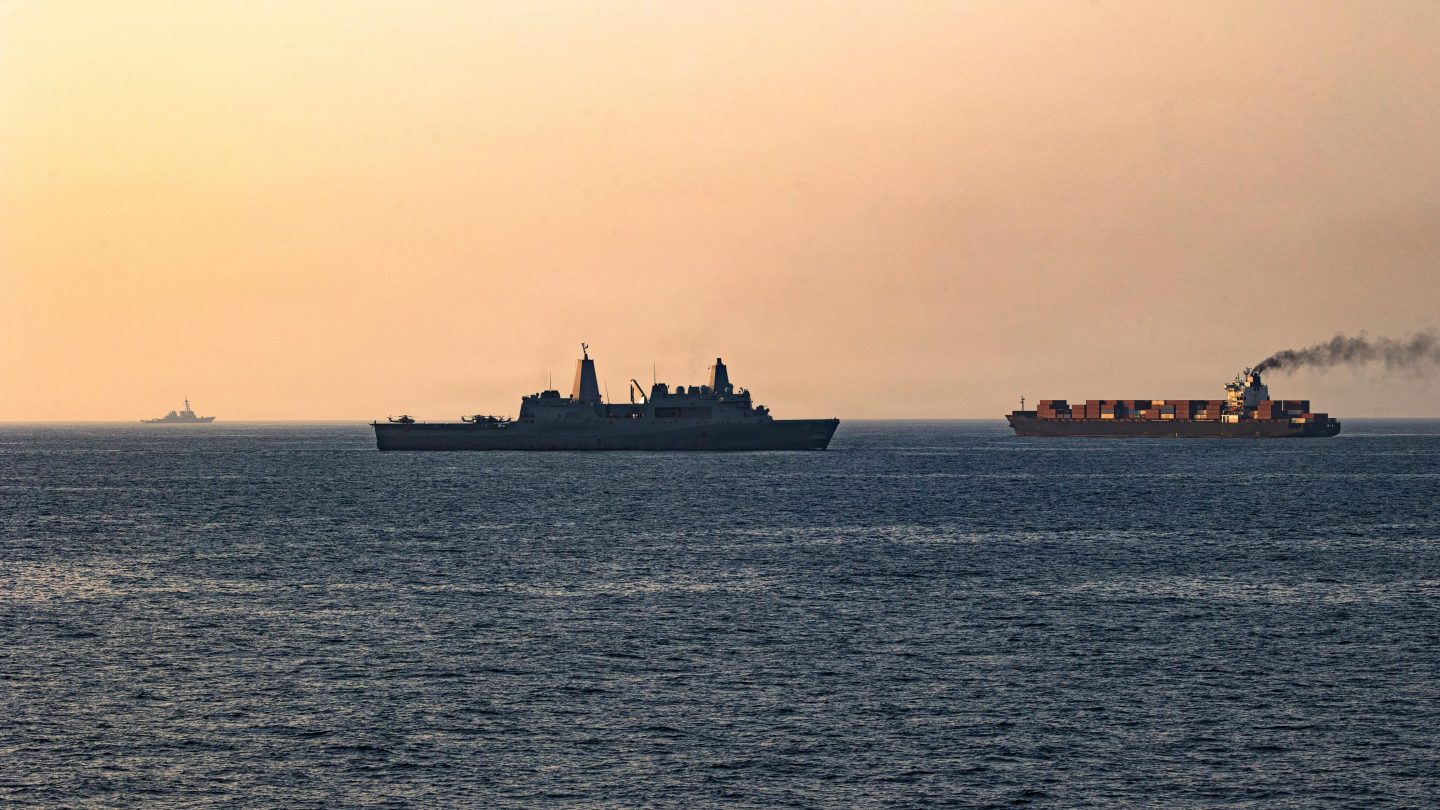
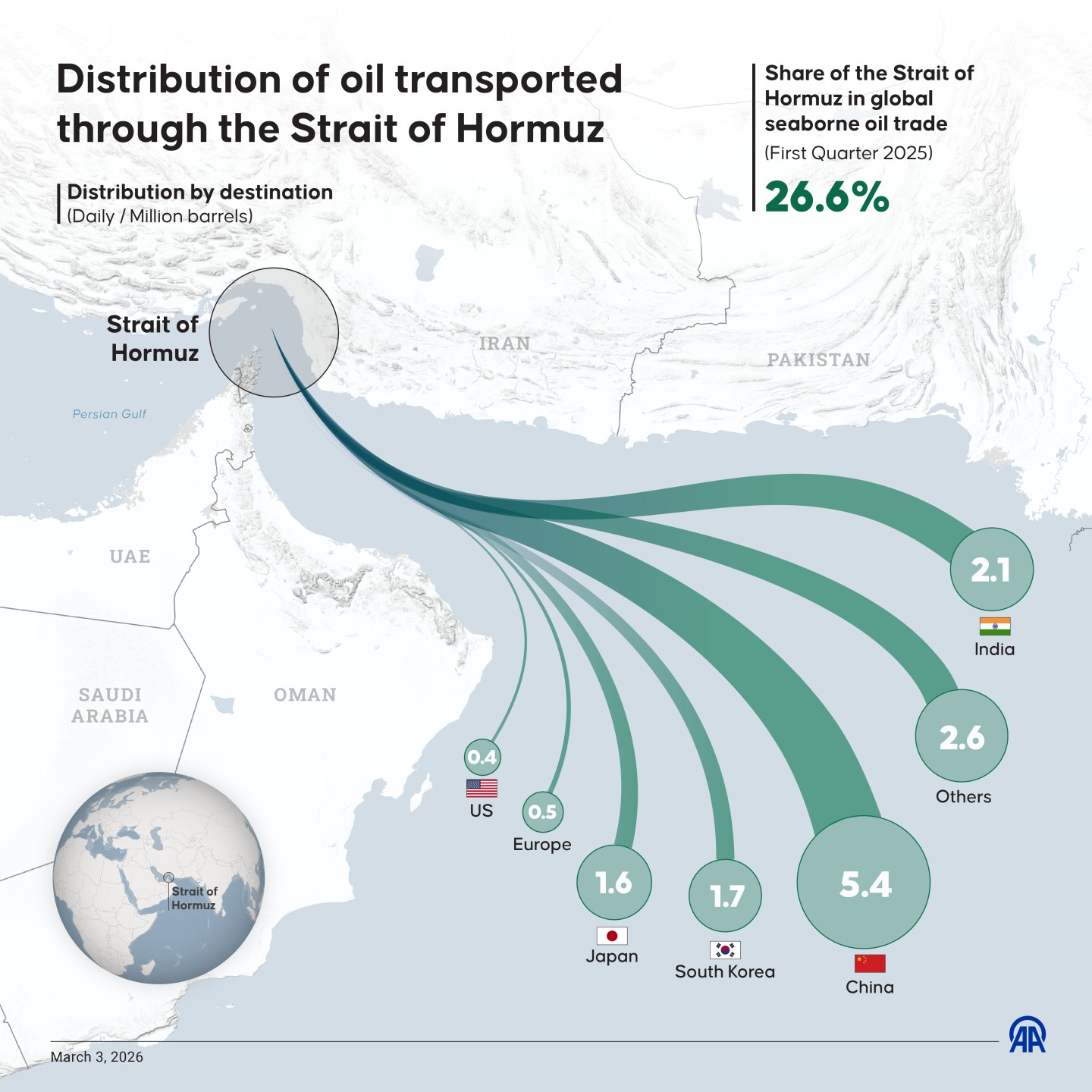
The strait and nearly 20% of the world’s flows of oil, liquefied natural gas, fertilizer, petrochemicals, and more are largely stuck. The U.S. responded by blockading Iran’s ports, and that’s where we remain today.
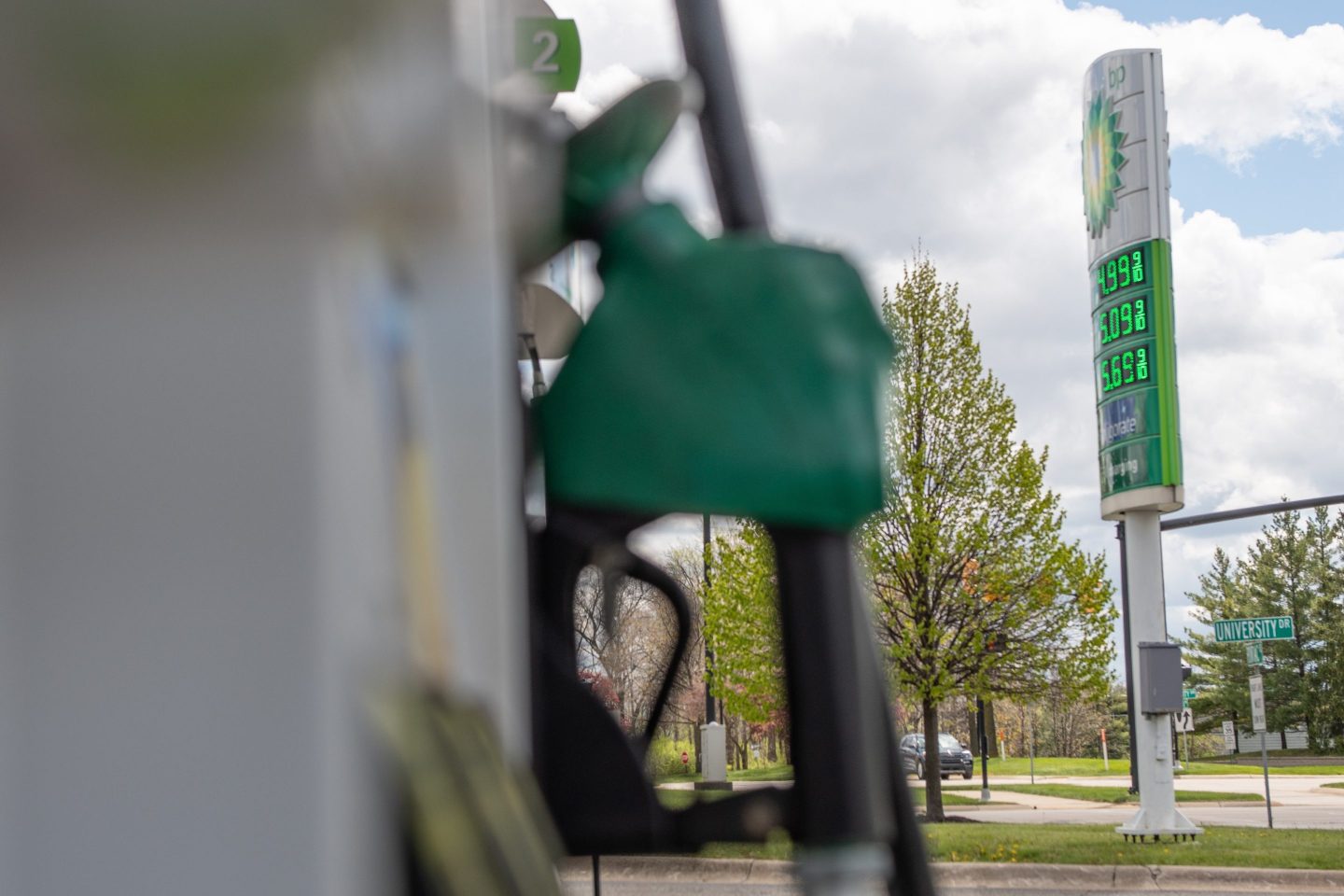
But the U.S. leads the world in both oil and natural gas production, which is why American consumers are dealing with high prices—but not shortages—at the pump, while much of Asia enforces more stringent conservation measures.
And the U.S. is potentially expanding its influence in the Middle East—while further isolating Iran—even if the war is dragging on longer than planned. OPEC, which includes Iran, is now left weaker with the surprise announcement that the United Arab Emirates is bailing.
Trump, who has criticized OPEC for its global influence on oil prices and market manipulations, can instead focusing on working more closely with the six monarchies in the Gulf Cooperation Council—Saudi Arabia, UAE, Kuwait, Qatar, Oman, and Bahrain, all of which are partnered with the U.S. and all of which were attacked by Iran in retaliation to the war.
Overlooked April moves
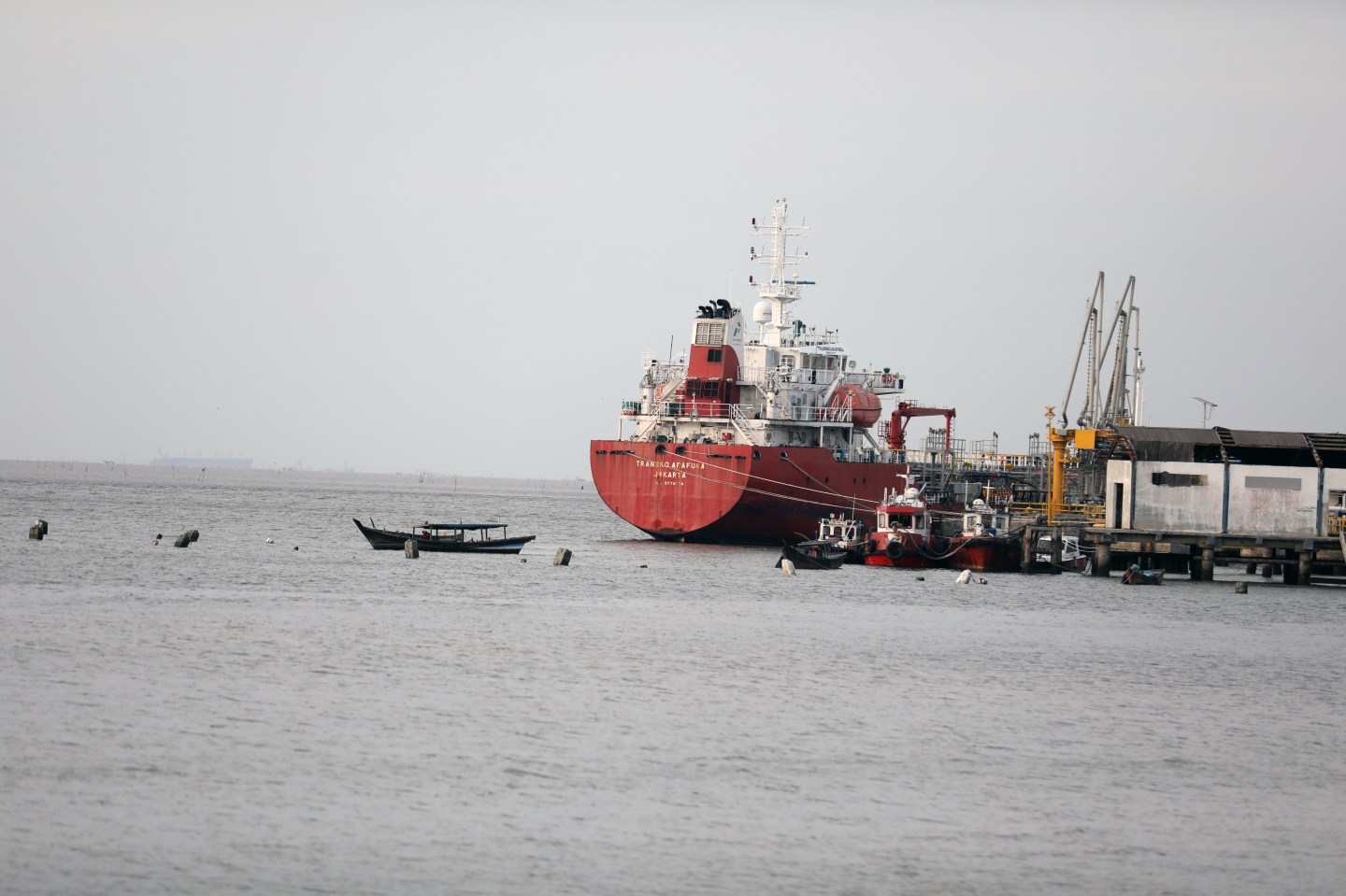
In addition in April, as the Iran war waged on, the U.S. quietly made new deals with Morocco and Indonesia, potentially impacting both the critical straits of Gibraltar and Malacca, respectively.
In the middle of the month, the U.S. and Indonesia announced a new military partnership, theoretically giving the U.S. greater influence over the Strait of Malacca—the busiest strait in the world and the primary shipping route between the Indian and Pacific oceans. And, make no mistake, China, which has vocalized the potential “Malacca dilemma” for decades, relies heavily on the shipping route for its imports.
A few days later, the U.S. and Morocco announced a new military cooperation roadmap. The Strait of Gibraltar is between Spain and Morocco, but more critically it’s the busy maritime passageway between all of Europe and Africa.
“These are clear wins for the U.S.,” Wizman said of the Morocco and Indonesia deals, even if they’re more symbolic than anything.
Speaking at a CNBC conference last week, Singapore Foreign Minister Vivian Balakrishnan warned that the war in the Middle East may just be a “dry run” for a war between the U.S. and China in the Pacific.
Singapore, which is on the other side of the Strait of Malacca from Indonesia, is well positioned to stay neutral and do business with both world powers, he said. But he fears being caught in the middle of a war if things escalate.
And, just as Iran aims to implement a paid tolling system in the Strait of Hormuz, Indonesia, Singapore, and Malaysia already are publicly debating the merits of doing so within the Strait of Malacca. Balakrishnan made it clear he’s opposed to the idea—supporting the right of free passage for all.
Trump blunders and the China perspective
This is not to say the White House is playing “4D chess” as Trump’s most sycophantic supporters claim. In fact, Wizman said, Trump’s blunders include weakening the country’s NATO alliances and seemingly lacking a clear endgame in the Middle East after Iran’s countermoves.
“I think this has to do with poor execution more than anything else. It’s not a flaw in the theory of geopolitical competition with China; I think it’s the flaw in the execution,” Wizman said. “It has a lot to do with the president’s personality and his impulses.
“We don’t have an articulate administration in Washington,” he continued. “We don’t have an administration that can really speak to the underlying issues with clarity and credibility, unfortunately.”
On the other side of the board—or world—is China watching everything unfold and enjoying watching the U.S. potentially flounder in the Middle East while harming many of its historic friendships?
Will Trump’s aggressive actions eventually help China justify invading Taiwan and trying to influence the rest of the world?
Those questions are very much unresolved, Wizman said.
In the meantime, China—even as it mothballs some petrochemical plants and reduces oil refining activity—has plenty of time to sit and wait because of its world-leading emergency oil reserves.
By the United States’ own estimations, China has about 1.4 billion barrels of crude oil in its reserves—comparable to the rest of the world’s emergency supplies combined. The U.S. Strategic Petroleum Reserve ranks second in the world with a distant 400 million barrels.
China also is leading the world in renewable energy deployment and in electric vehicle manufacturing as it slowly reduces its reliance on foreign oil and gas.
For the U.S., the renewed focus on shipping channels beyond the Western Hemisphere isn’t necessarily a contradiction of the Donroe Doctrine—it’s an extension, Wizman said.
“I think the U.S. is playing it both ways,” Wizman said. “The U.S. is being aggressive with regard to these places are outside the hemisphere.”
That leaves the potential Western Hemisphere dominance as a redoubt, or fallback situation, he said, if China does manage to keep growing and add more of the Eastern Hemisphere to its purview.
“The U.S. still needs to maintain a zone of influence, and the fallback would be the Western Hemisphere,” Wizman said, although stronger supply chains must be built up within the Americas. “You can make a case that it’s self-contained. The Western Hemisphere has all the resources and the population that the U.S. needs without really having to depend on other countries.”