
• Home
  • Latest
  • Fortune 500
  • Finance
  • Tech
  • Leadership
  • Lifestyle
  • Rankings
  • Multimedia
Commentary250 Years of Innovation

The longevity revolution is here. Our systems still think we die at 65

By
Ken Dychtwald
Ken Dychtwald
Down Arrow Button Icon
By
Ken Dychtwald
Ken Dychtwald
Down Arrow Button Icon
April 23, 2026, 4:05 PM ET

Ken Dychtwald Ph.D. is widely viewed as one of America’s most visionary and original thinkers about the longevity revolution. Having spent more than 50 years in the fields of psychology and gerontology, he is the CEO of Age Wave and the author of 19 books, including his recent memoir Radical Curiosity” My Life on the Age Wave.

ken
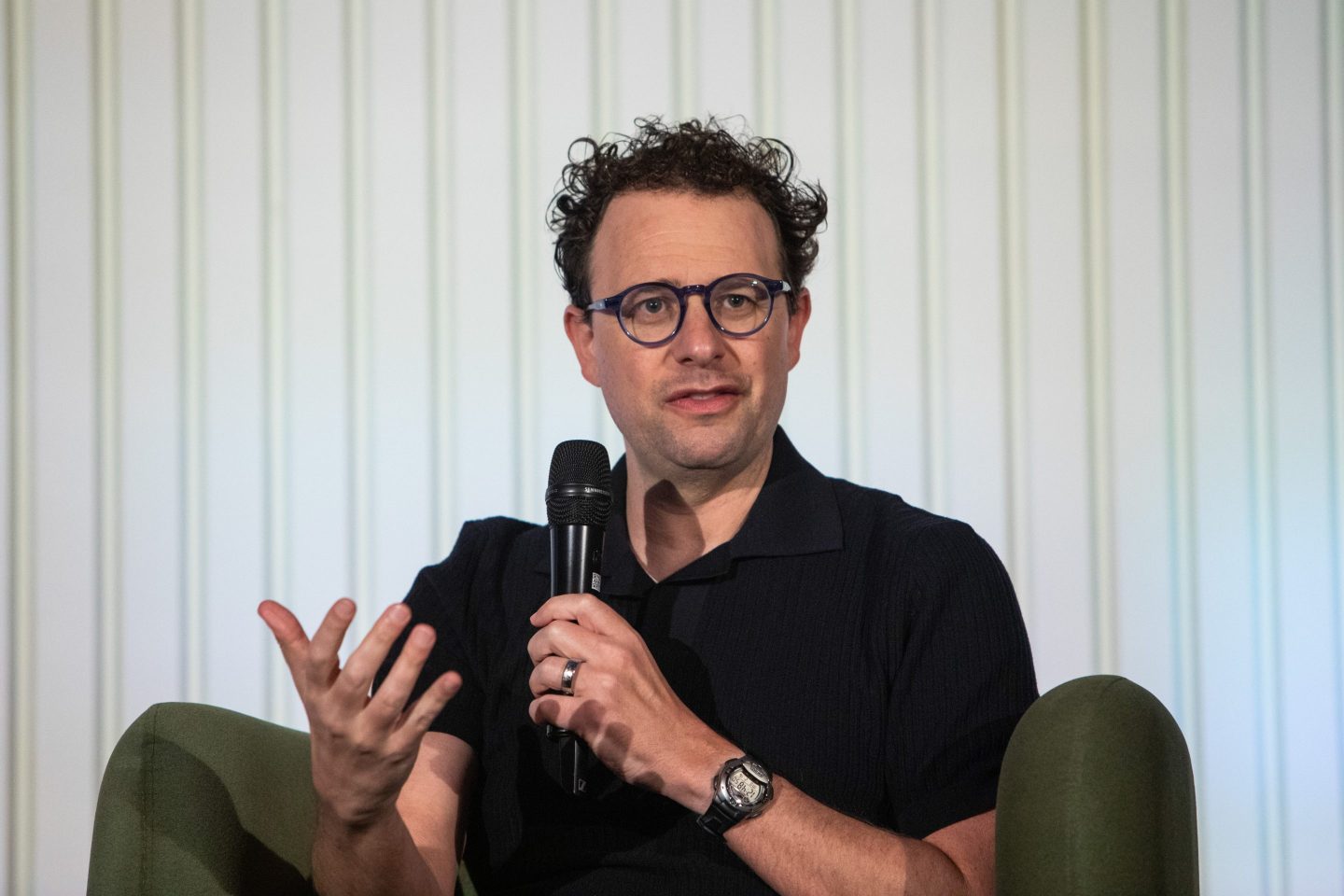
Ken Dychtwald Ph.D., a noted thinker about the longevity revolution.courtesy of Ken Dychtwald

When I ask audiences who wants to live to 100, most hands go up. When I add “no matter what,” most of those hands drop.

That reaction captures both the promise and the peril of what I call the longevity revolution. For the first time in human history, tens of millions of us can reasonably expect to live into our 80s, 90s, and beyond—yet we’ve barely begun to innovate for what those extra decades should look and feel like.

Throughout most of human history, average life expectancy at birth hovered somewhere in the mid‑20s. Most people didn’t age; they died. Even in 1787, when John Hancock was considered “very elderly” at 50, and Alexander Hamilton wore a white wig to look old, even though he was a mere 32, the average life expectancy in the young United States was just 37. The medical breakthroughs of the 20th century—public health departments, vaccines, antibiotics, sanitation, lifestyle medicine—changed that trajectory. Now AI, genomics, CRISPR, focused ultrasound, and continuous monitoring are poised to extend both life span and health span even further.

But our systems, products, and mindsets are still built for a short‑life world.

In the U.S. today, 80 million people are over 60. Globally, that number is on the order of a billion. Yet we’ve designed everything from traffic lights and office chairs to financial plans and healthcare around younger bodies and shorter lives. Medicare was created to pay doctors, not to keep older adults healthy. Most American medical schools ensure that every student rotates through pediatrics; far fewer require a dedicated geriatrics rotation. Our healthcare professionals are good people doing their best—but many are winging it when it comes to the fastest‑growing segment and most complex of their patient base.

That misalignment is not just a social challenge. It is one of the biggest under‑leveraged innovation opportunities of our time. Although we’re being led to believe that the new frontier is AI, it may actually be longevity.

Consider dementia, the condition people fear most when I ask what worries them about living longer. A large share of those who survive to advanced ages may have decent hearts and kidneys—but still face many years with significant cognitive decline. The financial and emotional costs are staggering. Unless we find ways to prevent, delay, or end this disease, it will become the economic and spiritual sinkhole of the longevity era. That should be a clarion call for innovators in AI, diagnostics, therapeutics, housing, robotics, caregiving, and financial protection.

Or what about other extraordinary new technologies? Take my own experience. Two and a half years ago, I was diagnosed with prostate cancer. Because I’d been advising the Focused Ultrasound Foundation, I knew a great deal about high‑intensity focused ultrasound—HIFU—which uses converging sound waves to destroy tumors without incisions, chemotherapy or radiation. My procedure lasted eight minutes. I was back at my desk that afternoon and have been cancer‑free ever since. It’s reimbursed by Medicare, yet most people have never heard of it. Our problem is not just a lack of breakthroughs. It’s a failure to promote, integrate and scale the breakthroughs that are swiftly emerging.

Then there is time itself. For the first time in history, large numbers of people in their 60s, 70s and 80s are experiencing what I call “time affluence”—decades of relatively healthy life with no clear script. When financial advisors ask someone in their 60s, “Are you looking forward to winding down and retiring?” they may be asking the wrong question. A better one may be, “What are your new dreams?”

We need to stop thinking of later life as a disappearing act and start seeing it as a new stage with its own possibilities and ambitions. When astronaut turned senator John Glenn announced he was going back up into space at 77, he told me, “Just because I’ll be 77 doesn’t mean I still don’t have dreams. Maybe you take up the piano at 80. Maybe you start a business at 67. Maybe you fall in love again after being widowed or divorced. Our products, workplaces, and financial tools have not caught up to that reality.

The opportunity spans every sector of the longevity economy:

Health: Precision wellness, user‑friendly navigation through a maze of devices, apps, and tests, and age‑friendly systems that match health span to life span.

Finance: Solutions that prioritize guaranteed income, rising healthcare and long-term care costs, and peace of mind over aggressive growth—especially for women, who live longer and are increasingly financial decision‑makers.

Work: Five‑generation workforces that tap older adults as talent, mentors, and innovators instead of nudging them to the sidelines.

Purpose: Platforms that connect older adults to roles that matter—to families, communities, and causes—because usefulness, not youthfulness, is what most people crave.

I’ve watched every U.S. presidential debate for the past twenty years. I’ve heard almost no serious discussion about how to harness the extraordinary concentration of wisdom, experience, and resilience of our older population. It’s as if we told everyone over 65, “You’re done. Enjoy yourself,” and then wondered why our systems are strained and our communities feel frayed.

Seventy years ago, John F. Kennedy and Sargent Shriver launched the Peace Corps, tapping the idealism and energy of young adults. Today we need the equivalent for older adults—an “Elder Corps.” It doesn’t have to be strenuous: a half‑day a week tutoring, mentoring, helping families, supporting climate resilience, or reducing loneliness. The point is simple: as people grow older, they don’t just need our help. We need theirs too.

Language matters here. Many people tell me “aging” sounds heavy, while “longevity” feels aspirational. Longevity suggests a new horizon—a chance not only to live longer, but to grow, contribute, and imagine new possibilities over a longer arc of life. That’s the mindset shift business and policy leaders must make.

We stand at the threshold of a longevity revolution that has never happened before. We can muddle through with 20th‑century systems stretched over 21st‑century lives—or we can see this as the innovation challenge of a generation.

The longevity economy is not a niche “senior” market. It is the new mainstream. The question is whether we will treat added years as a problem to be managed, or as a canvas on which to design entirely new ways of living, working, and caring—for ourselves and for one another.

The opinions expressed in Fortune.com commentary pieces are solely the views of their authors and do not necessarily reflect the opinions and beliefs of Fortune.

Recommended Video
Join us at the Fortune Workplace Innovation Summit May 19–20, 2026, in Atlanta. The next era of workplace innovation is here—and the old playbook is being rewritten. At this exclusive, high-energy event, the world’s most innovative leaders will convene to explore how AI, humanity, and strategy converge to redefine, again, the future of work. Register now.
About the Author
By Ken Dychtwald
See full bioRight Arrow Button Icon

Latest in Commentary

Finance
Lorem ipsum dolor sit amet, consectetur adipiscing elit, sed do eiusmod tempor incididunt ut labore et dolore magna aliqua. Ut enim ad minim veniam
By Fortune Editors
October 20, 2025
Finance
Lorem ipsum dolor sit amet, consectetur adipiscing elit, sed do eiusmod tempor incididunt ut labore et dolore magna aliqua. Ut enim ad minim veniam
By Fortune Editors
October 20, 2025
Finance
Lorem ipsum dolor sit amet, consectetur adipiscing elit, sed do eiusmod tempor incididunt ut labore et dolore magna aliqua. Ut enim ad minim veniam
By Fortune Editors
October 20, 2025
Finance
Lorem ipsum dolor sit amet, consectetur adipiscing elit, sed do eiusmod tempor incididunt ut labore et dolore magna aliqua. Ut enim ad minim veniam
By Fortune Editors
October 20, 2025
Finance
Lorem ipsum dolor sit amet, consectetur adipiscing elit, sed do eiusmod tempor incididunt ut labore et dolore magna aliqua. Ut enim ad minim veniam
By Fortune Editors
October 20, 2025
Finance
Lorem ipsum dolor sit amet, consectetur adipiscing elit, sed do eiusmod tempor incididunt ut labore et dolore magna aliqua. Ut enim ad minim veniam
By Fortune Editors
October 20, 2025

Most Popular

Finance
Lorem ipsum dolor sit amet, consectetur adipiscing elit, sed do eiusmod tempor incididunt ut labore et dolore magna aliqua. Ut enim ad minim veniam
By Fortune Editors
October 20, 2025
Finance
Lorem ipsum dolor sit amet, consectetur adipiscing elit, sed do eiusmod tempor incididunt ut labore et dolore magna aliqua. Ut enim ad minim veniam
By Fortune Editors
October 20, 2025
Finance
Lorem ipsum dolor sit amet, consectetur adipiscing elit, sed do eiusmod tempor incididunt ut labore et dolore magna aliqua. Ut enim ad minim veniam
By Fortune Editors
October 20, 2025
Finance
Lorem ipsum dolor sit amet, consectetur adipiscing elit, sed do eiusmod tempor incididunt ut labore et dolore magna aliqua. Ut enim ad minim veniam
By Fortune Editors
October 20, 2025
Finance
Lorem ipsum dolor sit amet, consectetur adipiscing elit, sed do eiusmod tempor incididunt ut labore et dolore magna aliqua. Ut enim ad minim veniam
By Fortune Editors
October 20, 2025
Finance
Lorem ipsum dolor sit amet, consectetur adipiscing elit, sed do eiusmod tempor incididunt ut labore et dolore magna aliqua. Ut enim ad minim veniam
By Fortune Editors
October 20, 2025
Fortune Secondary Logo
Rankings
  • 100 Best Companies
  • Fortune 500
  • Global 500
  • Fortune 500 Europe
  • Most Powerful Women
  • World's Most Admired Companies
  • See All Rankings
  • Lists Calendar
Sections
  • Finance
  • Fortune Crypto
  • Features
  • Leadership
  • Health
  • Commentary
  • Success
  • Retail
  • Mpw
  • Tech
  • Lifestyle
  • CEO Initiative
  • Asia
  • Politics
  • Conferences
  • Europe
  • Newsletters
  • Personal Finance
  • Environment
  • Magazine
  • Education
Customer Support
  • Frequently Asked Questions
  • Customer Service Portal
  • Privacy Policy
  • Terms Of Use
  • Single Issues For Purchase
  • International Print
Commercial Services
  • Advertising
  • Fortune Brand Studio
  • Fortune Analytics
  • Fortune Conferences
  • Business Development
  • Group Subscriptions
About Us
  • About Us
  • Lists Calendar
  • Press Center
  • Work At Fortune
  • Terms And Conditions
  • Site Map
  • About Us
  • Lists Calendar
  • Press Center
  • Work At Fortune
  • Terms And Conditions
  • Site Map
  • Facebook icon
  • Twitter icon
  • LinkedIn icon
  • Instagram icon
  • Pinterest icon

Latest in Commentary

Gen Alpha can’t write emails to grandma without ChatGPT. It’s time for a ‘Digital Harm Tax’
CommentarySocial Media
Gen Alpha can’t write emails to grandma without ChatGPT. It’s time for a ‘Digital Harm Tax’
By Larz MayApril 24, 2026
7 hours ago
dario
CommentaryAnthropic
Mythos access by Discord group reveals real danger of AI-powered hacking
By Stefanie SchappertApril 24, 2026
7 hours ago
kiani
CommentaryHealth
We could cut 180,000 preventable hospital deaths a year. Here’s exactly why we haven’t
By Joe KianiApril 24, 2026
9 hours ago
ken
Commentary250 Years of Innovation
The longevity revolution is here. Our systems still think we die at 65
By Ken DychtwaldApril 23, 2026
1 day ago
tenzin
Commentaryclean energy
The Iran War just made the clean energy transition non-negotiable
By Tenzin SeldonApril 23, 2026
1 day ago
Software developers discussing programming code and planning how to create innovative software at co-working office. Two software developers checking programming code on computer screen. working through a coding problem together.
Commentaryregulation
Inflated AI claims are under fire—and the regulatory reckoning is coming
By Perrie M. WeinerApril 23, 2026
1 day ago

Most Popular

Despite nearing their 60s, nearly four in 10 Americans heading towards the end of their careers don’t even have a retirement account
Success
Despite nearing their 60s, nearly four in 10 Americans heading towards the end of their careers don’t even have a retirement account
By Emma BurleighApril 23, 2026
1 day ago
When interest on national debt overtook military spending, it triggered a limit where the U.S. may ‘cease to be a great power,’ warns Hoover historian
Economy
When interest on national debt overtook military spending, it triggered a limit where the U.S. may ‘cease to be a great power,’ warns Hoover historian
By Eleanor PringleApril 23, 2026
1 day ago
‘Don’t leave’: Jensen Huang challenges billionaire class as he insists ‘highest taxes in the world’ are OK with him
Big Tech
‘Don’t leave’: Jensen Huang challenges billionaire class as he insists ‘highest taxes in the world’ are OK with him
By Jacqueline MunisApril 23, 2026
23 hours ago
Teen boys are choosing AI girlfriends over real ones for 'maximum control, zero rejection'—experts say it could make them unemployable
Success
Teen boys are choosing AI girlfriends over real ones for 'maximum control, zero rejection'—experts say it could make them unemployable
By Orianna Rosa RoyleApril 17, 2026
8 days ago
A group of users leaked Anthropic's AI model Mythos by reportedly guessing where it was located
Cybersecurity
A group of users leaked Anthropic's AI model Mythos by reportedly guessing where it was located
By Marco Quiroz-GutierrezApril 23, 2026
1 day ago
The longevity revolution is here. Our systems still think we die at 65
Commentary
The longevity revolution is here. Our systems still think we die at 65
By Ken DychtwaldApril 23, 2026
1 day ago

© 2026 Fortune Media IP Limited. All Rights Reserved. Use of this site constitutes acceptance of our Terms of Use and Privacy Policy | CA Notice at Collection and Privacy Notice | Do Not Sell/Share My Personal Information
FORTUNE is a trademark of Fortune Media IP Limited, registered in the U.S. and other countries. FORTUNE may receive compensation for some links to products and services on this website. Offers may be subject to change without notice.