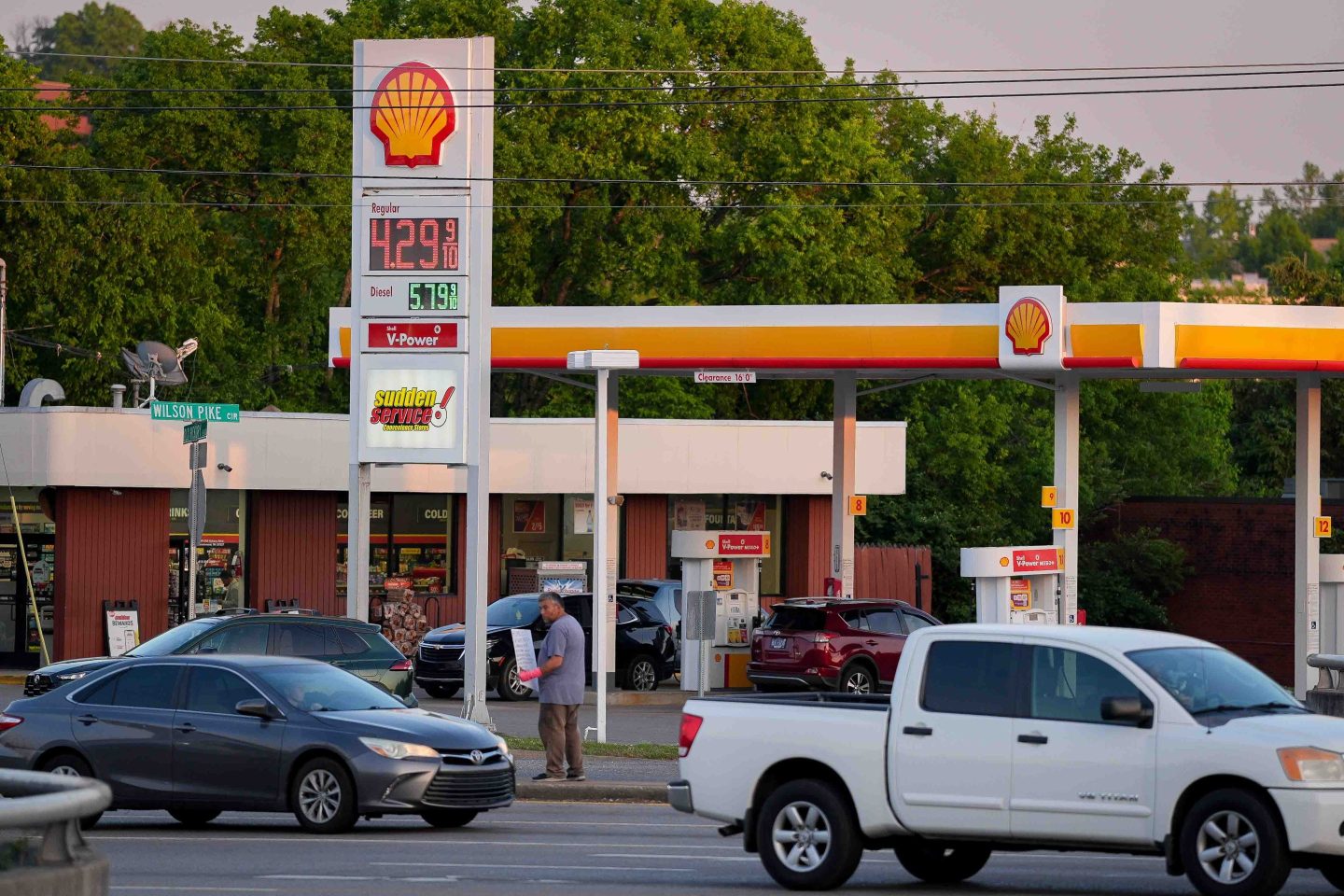
After U.S. gas prices soared to over $4 a gallon this month, Americans are cautiously exhaling a long-held breath that they’ve been holding for weeks since the Iran war began.
But Energy Secretary Chris Wright says it may be quite some time before Americans see any price reduction at the gas pump.
“That could happen later this year. That might not happen until next week, but prices have likely peaked,” Wright said on CNN’s “State of the Union” on Sunday.
“Certainly, with a resolution of this conflict, you will see prices go down. Prices across the board on energy prices will go down.”
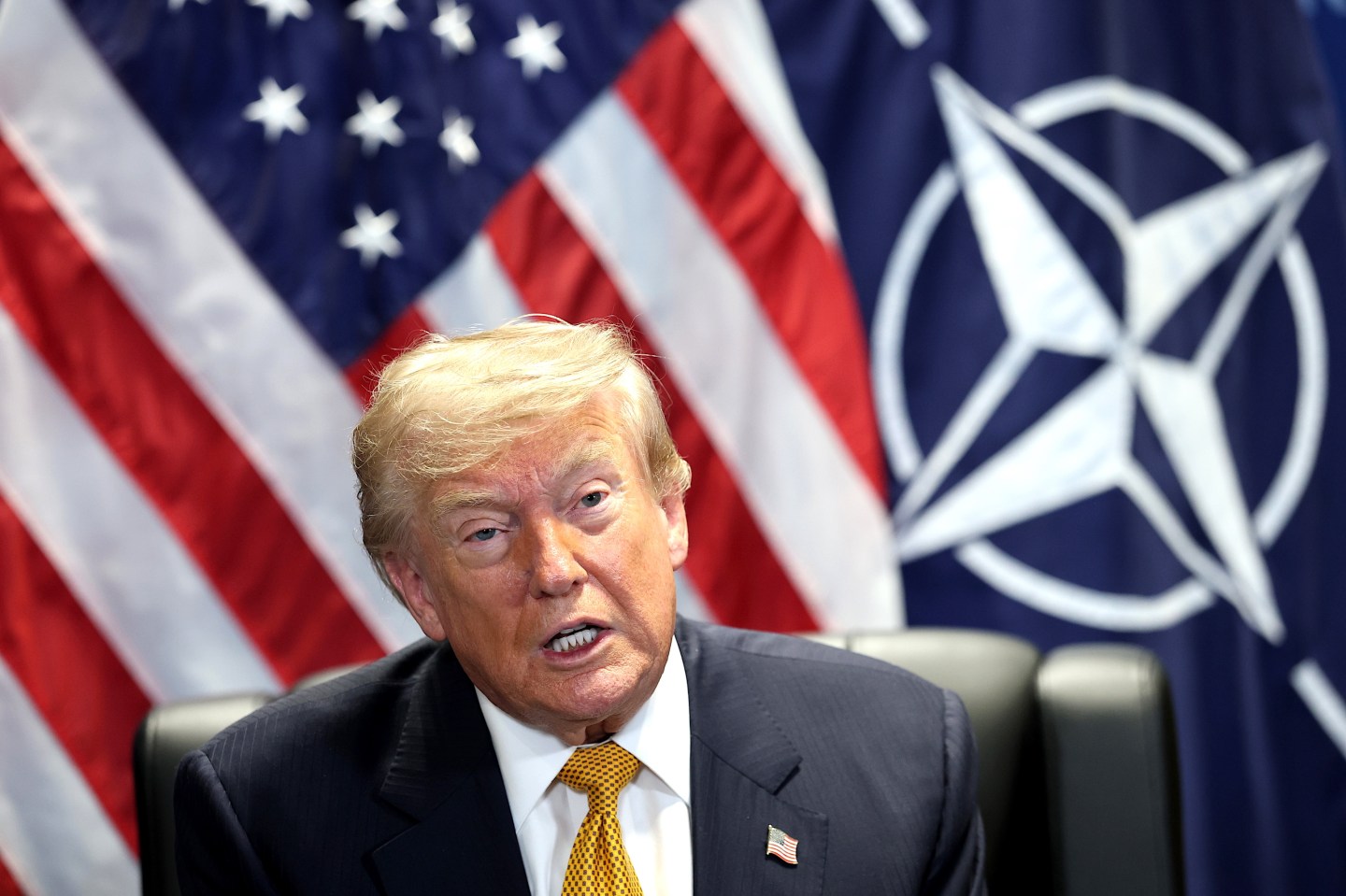
President Donald Trump, however, disagrees with Wright’s timeline.
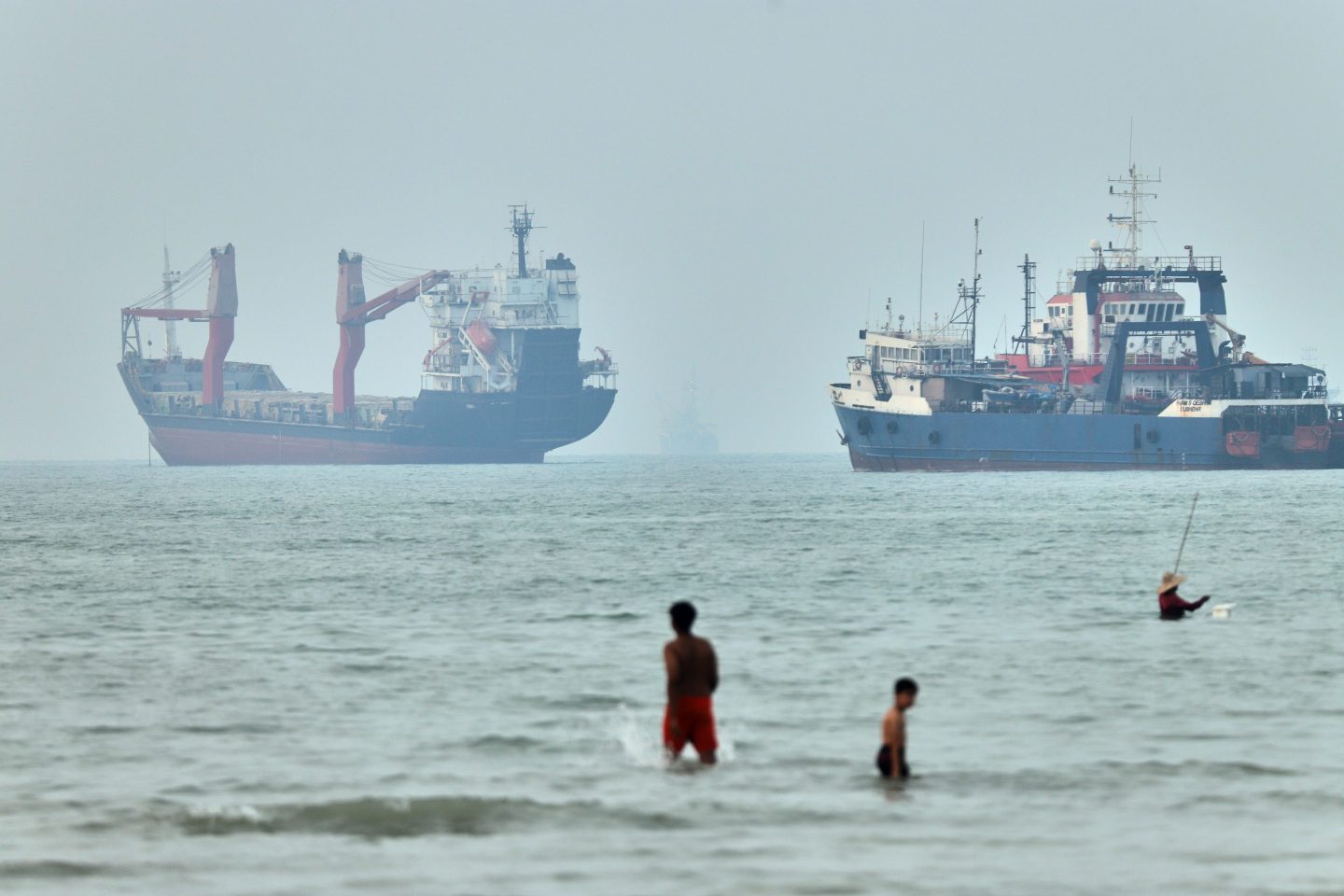
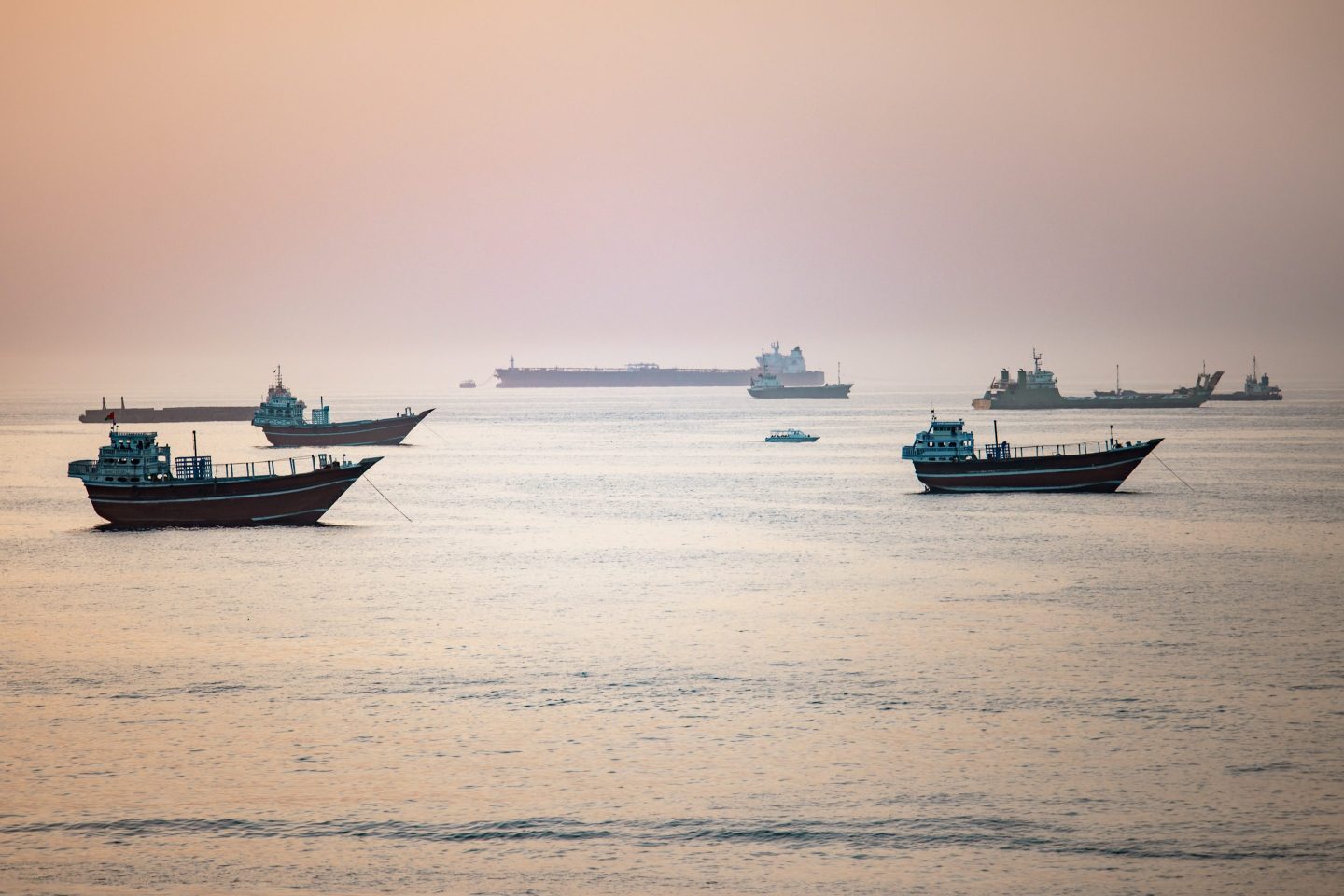
“No, I think he’s wrong on that,” President Trump told The Hill on Monday. “Totally wrong.” He said gas prices will drop “as soon as this ends,” referring to the war, now entering its seventh week. Traffic through the Strait of Hormuz, where usually 20% of the world’s oil and liquified natural gas supplies would pass through, has virtually come to a standstill since the war began.
Trump’s comments on Monday seem to completely contradict his previous claims just over a week ago, in which he warned gas prices could stay the same or even increase by the midterm elections come November.
Wright says the war’s end is in sight
Since the war began, average gas prices have increased by more than $1 per gallon. They reached a peak average of $4.17 per gallon on April 9, the highest since the war began on Feb. 28 when Israeli and U.S. launched coordinated attacks on Iran. On Monday, when Trump made those comments, the average price for a gallon of regular gas was $4.04, compared to $3.15 a year ago, according to AAA.
About half of American adults say that gas prices are a “financial hardship” or “difficult,” according to a recent CBS News/YouGov Poll released on April 12 that surveyed 2,387 adults across the country.
Although Wright said either this or next week would be “a reasonable timeframe” for the war to end, it would require “a defanged and de-armed Iran.” He said that prices under $3 a gallon would be “pretty tremendous in inflation-adjusted terms,” but added, “we’ll get back there for sure.”
The war appeared to reach a tipping point on April 7, when Trump said if Iran did not capitulate, a “whole civilization will die tonight.” That evening, the U.S. and Iran agreed to a two-week ceasefire and began peace talks.
The ceasefire—which has been mired by a U.S. blockade of Iranian ports—is set to end on Wednesday, Trump said. Vice President JD Vance is expected to return to Islamabad, Pakistan on Tuesday to meet with Iranian officials after the most recent peace talks stalled without a deal.
Energy crisis around the world
Although gas prices remain high for American consumers, Asian and European nations are fairing far worse, with depleting oil reserves forcing some life-altering measures.
During a recent G20 meeting on April 16, Wright told CNN that bankers from around the world were “basically making pleas” to avoid reimposing sanctions on Russia after lifting them in March. “It’s to lower the price of energy in Asia and Europe.”
The U.S. has imposed sanctions on Russia oil since March 2022, after the country invaded Ukraine in February of that year. Although many countries feared secondary sanctions from the U.S. for buying oil from Russia, which produces about 11% of the world’s supply, Russian oil has become a necessary import for countries such as Brazil, Singapore, and those in the European Union, following the conflict in Iran.
On Friday, the U.S. extended the waiver
Once the war ends, the U.S. will be quick to reimpose sanctions on Russian oil, Wright said.
Europe has “maybe six weeks or so (of) jet fuel left,” the head of the International Energy Agency said last week. As a result, the European Commission has called on people to drive and fly less, as well as work from home.
Many Asian countries are making even larger sacrifices. Filipino President Ferdinand Marcos Jr. declared a year-long state of emergency on March 24, as the country only had enough fuel to last about 45 days. The country has since received shipments of Russian crude oil and has a gasoline supply to last 54 days as of Monday.
Thailand has ordered civil servants to work from home and take the stairs over elevators until the crisis is over. Many countries have instituted a four-day week for schools and government workers.