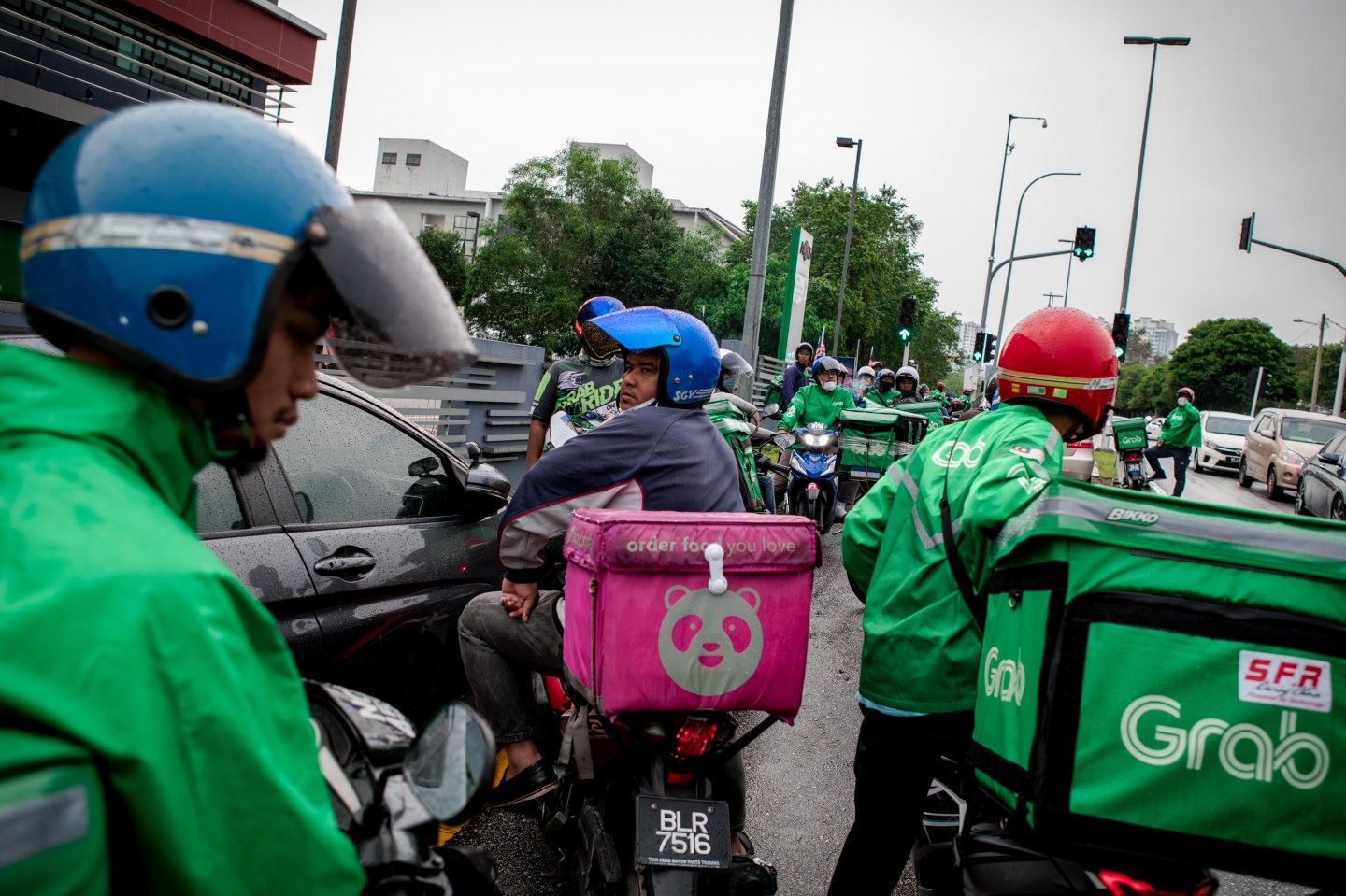
Grab will acquire Foodpanda’s Taiwan business for $600 million, in the superapp’s first foray outside Southeast Asia. The Singapore-based company signed a deal with Foodpanda parent Delivery Hero just one year after Uber abandoned its bid to buy the Taiwanese platform, citing regulatory pushback.
The acquisition is set to complete by the second half of 2026, and Grab plans to fully migrate all users, merchants and drivers to its platform by early 2027.
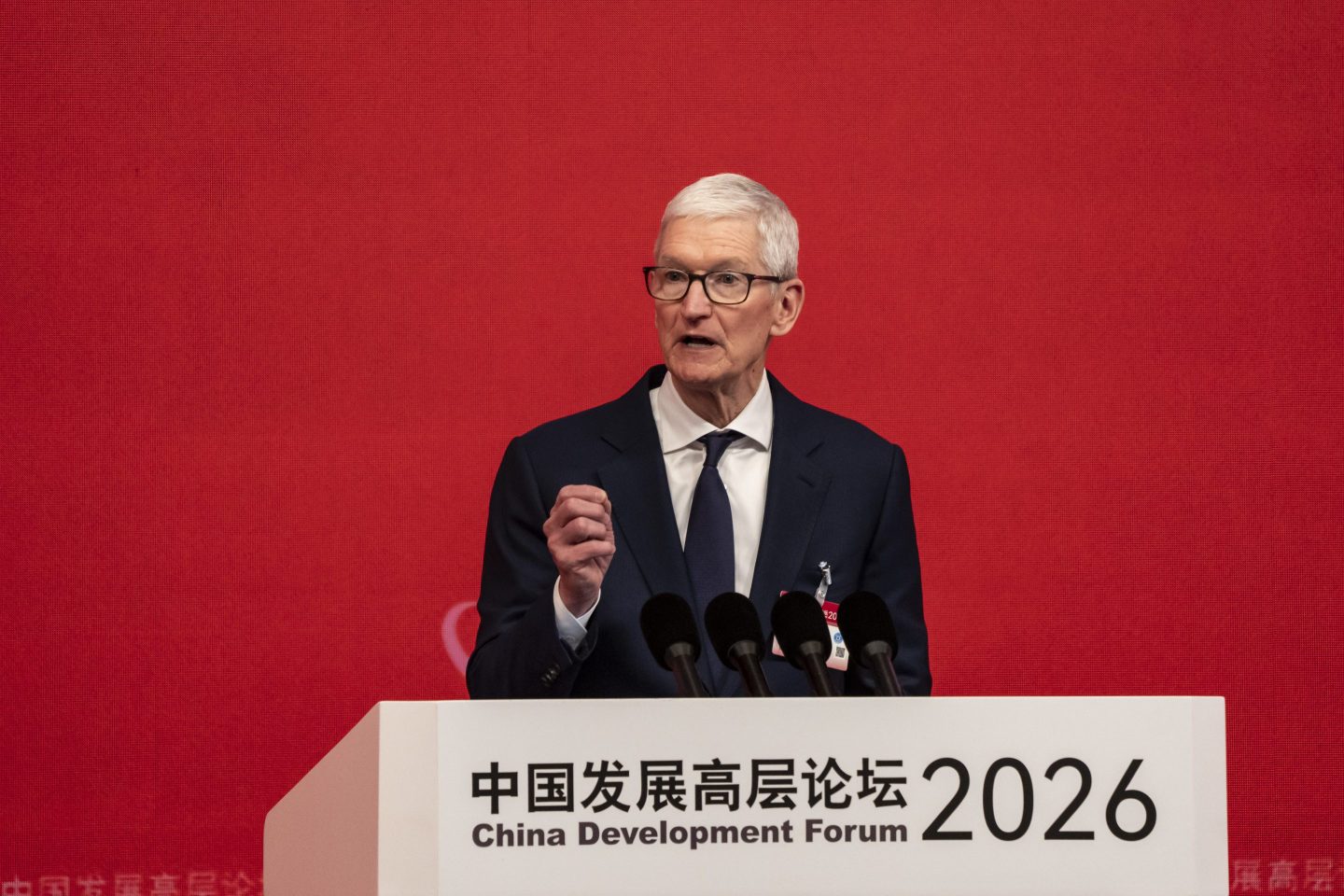
“This is a natural next step for Grab, as our experience in Southeast Asia is a direct fit for this market,” said Grab CEO Anthony Tan, in a press statement on Monday. “Our longstanding expertise in managing complex delivery logistics for dense and high-traffic cities is well-suited for Taiwan.”
Analysts call the deal a timely move for Grab, with Maybank Securities analyst Hussaini Saifee describing it as “a compelling new growth leg” for the Southeast Asian company given Taiwan’s robust economy.
The expansion also vindicates Grab’s business model, which has dominated Southeast Asia’s ride-hailing and food-delivery market for close to a decade. The company is now “exporting its playbook,” says Tan Joo Seng, an associate professor of business at Singapore’s Nanyang Technological University (NTU). Tan calls Grab’s move a faster way to get access to Taiwan’s market, rather than building something from scratch, like “taking a high-speed train instead of laying the tracks.”
Foodpanda Taiwan generated $1.8 billion in gross merchandise value last year, despite having only 10% user penetration amongst Taiwan’s population, according to a Maybank Securities research note.
If the deal goes through, Grab will have a presence across 21 cities in Taiwan, with Uber Eats being the platform’s only major competitor.
Uber made a bid for Delivery Hero’s Taiwan business in May 2024. Yet Taiwan’s Fair Trade Commission raised antitrust concerns around a merger between the two platforms, which together account for roughly three-quarters of the market. Uber, which also operates a ride-hailing business in Taiwan, eventually dropped its bid early last year.
Delivery Hero is under pressure from investors to divest some of its overseas businesses, if not an outright sale of the whole company. Aspex, a Hong Kong fund that’s Delivery Hero’s second-largest shareholder, threatened to replace CEO Niklas Östberg if he didn’t do more to sell parts of the company, Bloomberg reported in mid-March.
Grab isn’t the only company expanding to Taiwan. Both Singapore-based Sea, as well as South Korea’s Coupang see Taiwan as an increasingly important business for their e-commerce platforms.
In a LinkedIn post, Grab CFO Peter Oey described Taiwan as a “structurally compelling market” with high urban density, strong consumer spending power and a digital economy driven by the AI and semiconductor boom. (Taiwan’s economy grew by 9% last year, the highest level since 2010).
Tan, from NTU, calls Taiwan the “perfect bridge” to the rest of North Asia, citing its high density and digital-friendly consumers.
Grab’s regional expansion
Anthony Tan and Tan Hooi Ling founded Grab in 2012 as a mobile app to provide safe taxi-hailing services in Malaysia. Since then, it’s expanded across eight Southeast Asian markets, including Singapore, Indonesia, Vietnam, Cambodia and the Philippines. It holds a 55% share of the market, and outcompeted both domestic players like Indonesia’s GoTo and global giants like Uber.
After starting with ride-hailing, Grab has expanded its suite of offerings to include food and grocery deliveries and cashless payments, making it one of Southeast Asia’s leading superapps.
Grab, No. 128 on the Southeast Asia 500, reported record annual profits of $268 million last year, on top of $3.4 billion of revenue.
Grab shares, which trade on the NASDAQ, rose 2.3% on Monday, after the company announced its acquisition of Foodpanda Taiwan. Shares are down by over 20% for the past 12 months.