Good morning. In today’s Fortune:
- Oil was at $106 per barrel this morning.
- Trump threatens NATO, again.
- Wall Street digs in, and not in a good way.
- Who won what at the Oscars.
- Investment in physical AI robots hit $41 billion per year.
- Fertilizer prices go through the roof.
- Crypto markets are betting big on oil.
THE MARKETS
Oil driving everything
Oil was up to $106 per barrel this morning. S&P 500 futures were up 0.44% prior to the opening in New York. The index closed down 0.61% on Friday and is now 4% below its peak. Asia and the U.K. are largely up or flat this morning but the Stoxx Europe 600 was down 0.43% before lunch. Bitcoin is at $73K.
- Central bank-a-palooza: There’s an unusual confluence of base interest rate decisions coming this week from the U.S. Fed, the European Central Bank, the Bank of Japan, the Bank of England, the Royal Bank of Australia, and the Bank of Canada.
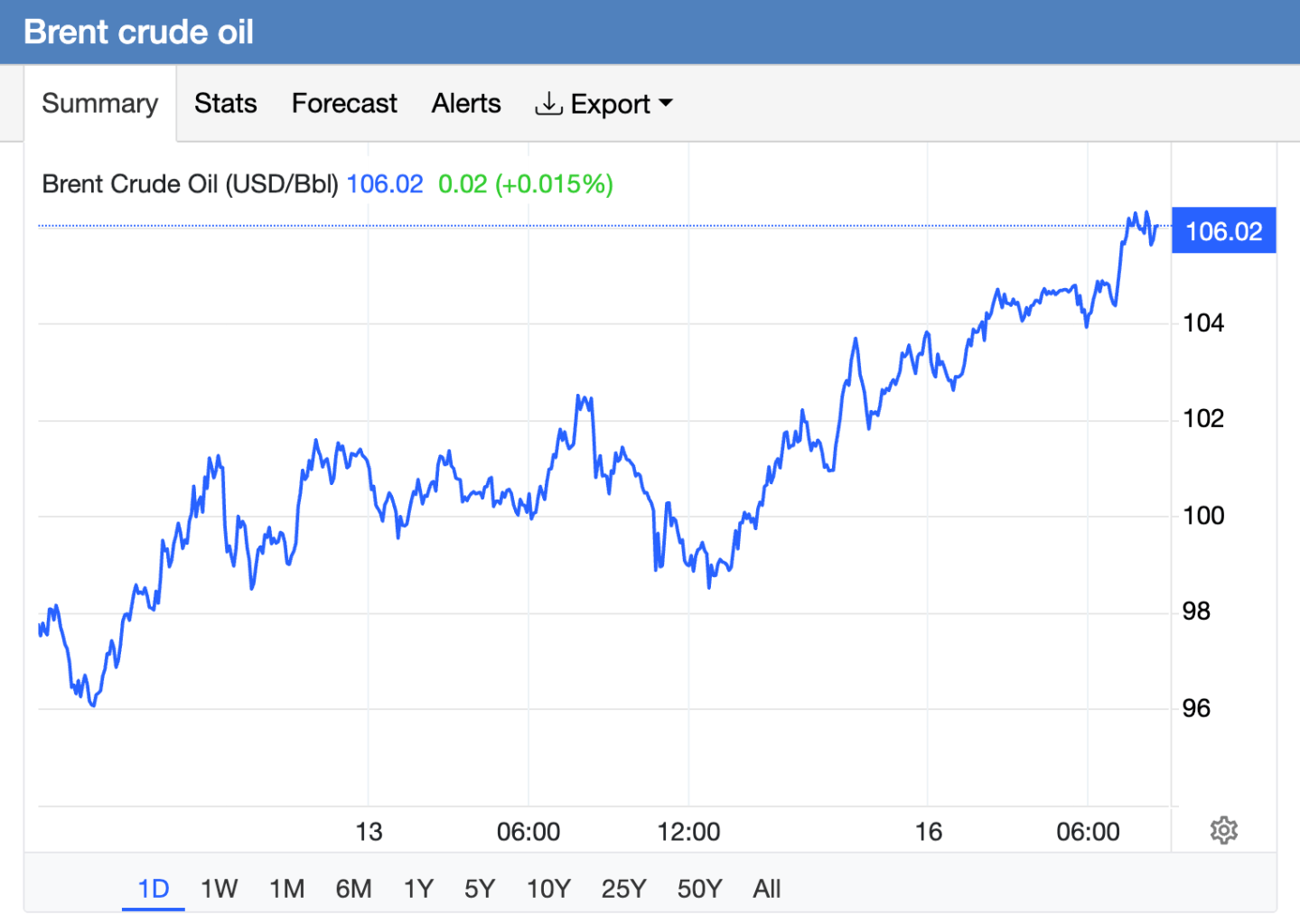
Chart from TradingEconomics.com
TOP STORIES
IRAN
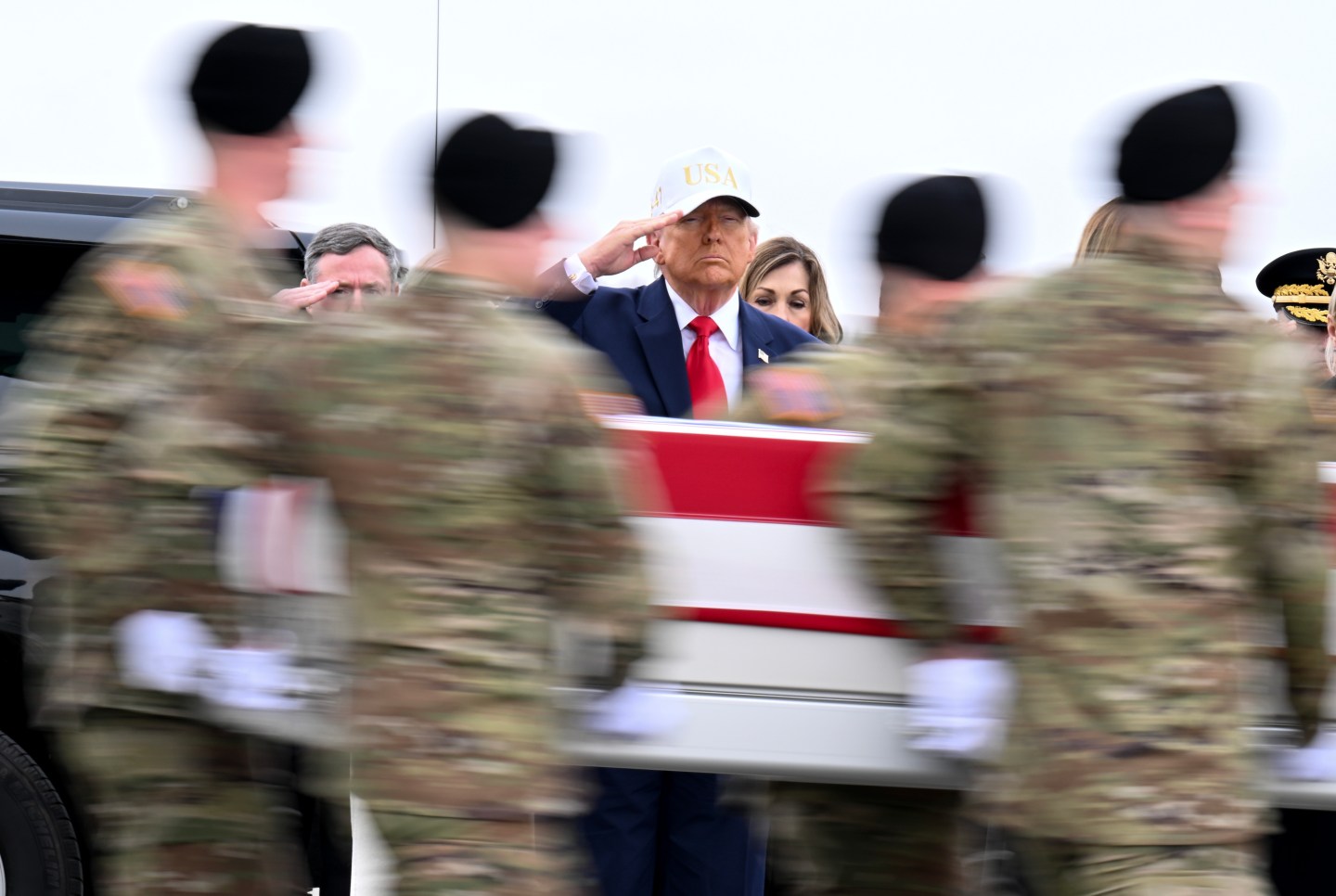
Trump threatens NATO if it doesn’t support him on Iran
In a move that will win him no new friends in the West, President Trump threatened “very bad” things for NATO if the alliance’s countries don’t send ships to help him reopen the Strait of Hormuz, Fortune’s Jason Ma noted late last night. “If there’s no response or if it’s a negative response I think it will be very bad for the future of NATO,” Trump said. Context: Trump previously threatened to invade Greenland and Canada, both NATO members. He also implied he might retract support for Ukraine. And he lifted sanctions on Russian oil even though that country is bombing Europe’s Eastern flank.
Trump’s plea underlines the most important dynamic in the war against Iran right now: The fact that Iran controls the strait but has not blocked it. Iran allowed a tanker to sail to China, for instance. U.S.-Israeli forces haven’t been able to gain access for Western-allied vessels. “It is only closed to the tankers and ships belonging to our enemies, to those who are attacking us and their allies,” Iran’s Foreign Minister Abbas Araghchi said on Saturday.
Iran has options, according to MIT political science professor Caitlin Talmadge: mines. “Historically, mine clearance has been slow and it is almost impossible to do under fire,” she wrote in Foreign Affairs. “In short, if Iran effectively mines the strait, all U.S. response options are suboptimal,” Talmadge warned. “The United States should therefore focus aggressively on preventing Iranian mine-laying in the first place and finding an off-ramp from the larger war. If it does not, Washington should expect that ongoing harassment of traffic in the strait will be but one of a number of responses that Iran has long prepared and will now deploy.”
- Live coverage of today’s attacks from the BBC here.
It’s the media’s fault: With his poll numbers in decline and MAGA supporters frustrated by a war he promised not to start, Trump is increasingly complaining about media coverage of the conflict. On Saturday, he said: “Media actually want us to lose the War.” His FCC chief threatened to cancel network broadcast licenses unless they “correct course.”
- Trump was up late last night writing long posts about judges he doesn’t like.
Wall Street sees a long war
Six more weeks? As of Saturday, the Pentagon “believed that it would take four to six weeks to complete this mission and that we’re ahead of schedule,” Kevin Hassett said on CBS’ Face the Nation. “We expect that the global economy is going to have a big positive shock as soon as this is over.”
“Protracted war cannot be ruled out”: But investment bank analysts are increasingly pessimistic that Trump will declare victory and leave the Gulf anytime soon. Bank of America’s Antonio Gabriel sent a terse note this morning: “While a quick resolution to the conflict is certainly a possibility, we view the conflict extending into 2Q as an equally likely outcome, and a more protracted war cannot be ruled out. However, markets seem to be pricing a largely transitory shock…In our view, the more disruptive scenarios for global growth are underpriced.”
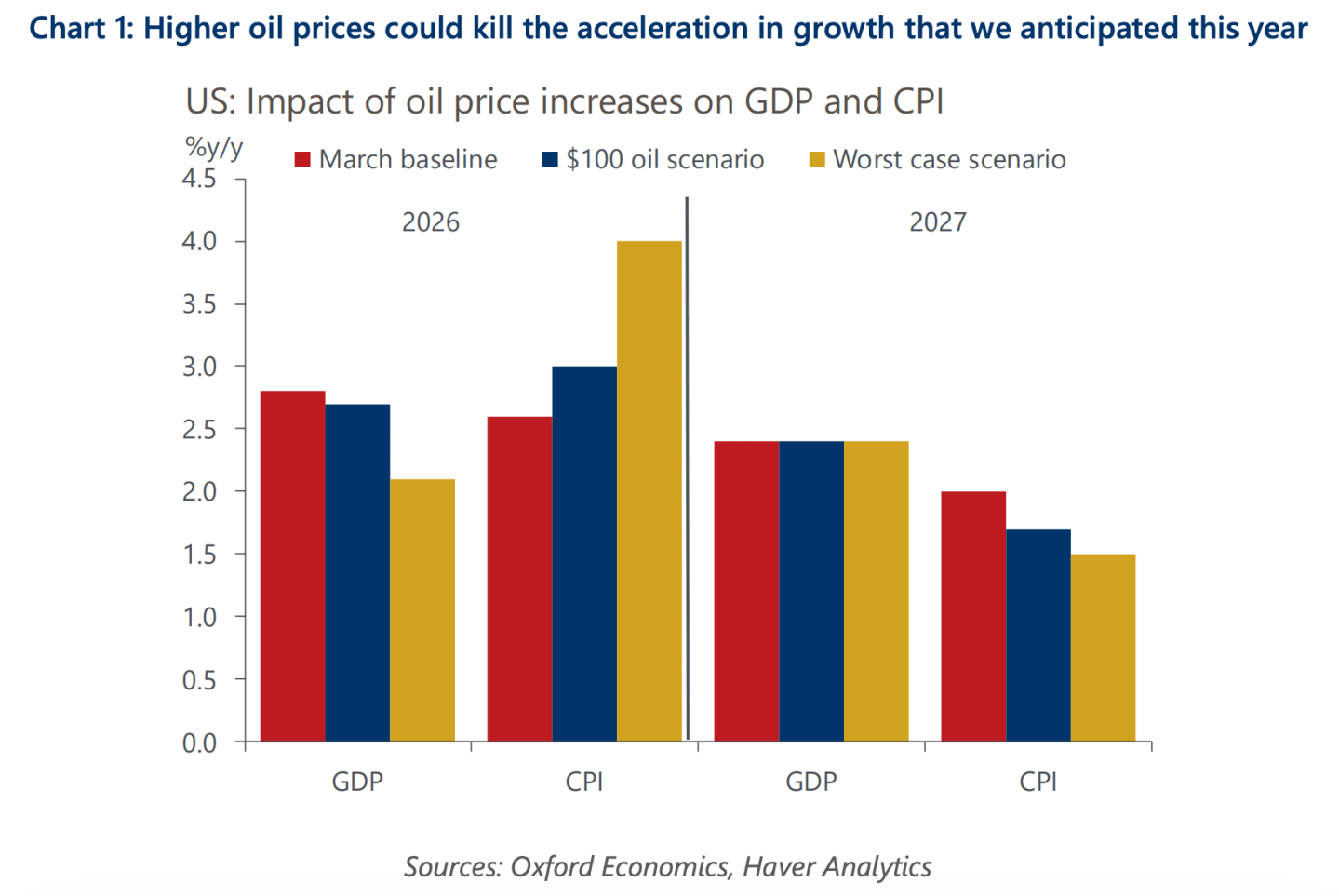
$100 oil will “break parts of the world economy”. Oxford Economics’ Michael Pearce told clients that the impact of oil going to $100 per barrel is “a worst-case scenario that begins to break parts of the world economy. The impact to the U.S. economy is still mostly via higher gasoline prices, which boost inflation and weigh on households’ real disposable incomes and consumer spending. There would be some offset from higher oil production and investment, but there’s a lag effect, and in the near term, the economy would take a hit,” with GDP growth being cut by the better part of a percentage point:
HOLLYWOOD
Who won what at the Oscars
One Battle After Another was the big winner with six awards last night, including best picture and best director. Sinners got four (Michael B. Jordan got best actor), and Frankenstein took three. Full coverage from The Hollywood Reporter here.
CHART OF THE DAY
Record funding for physical AI robots
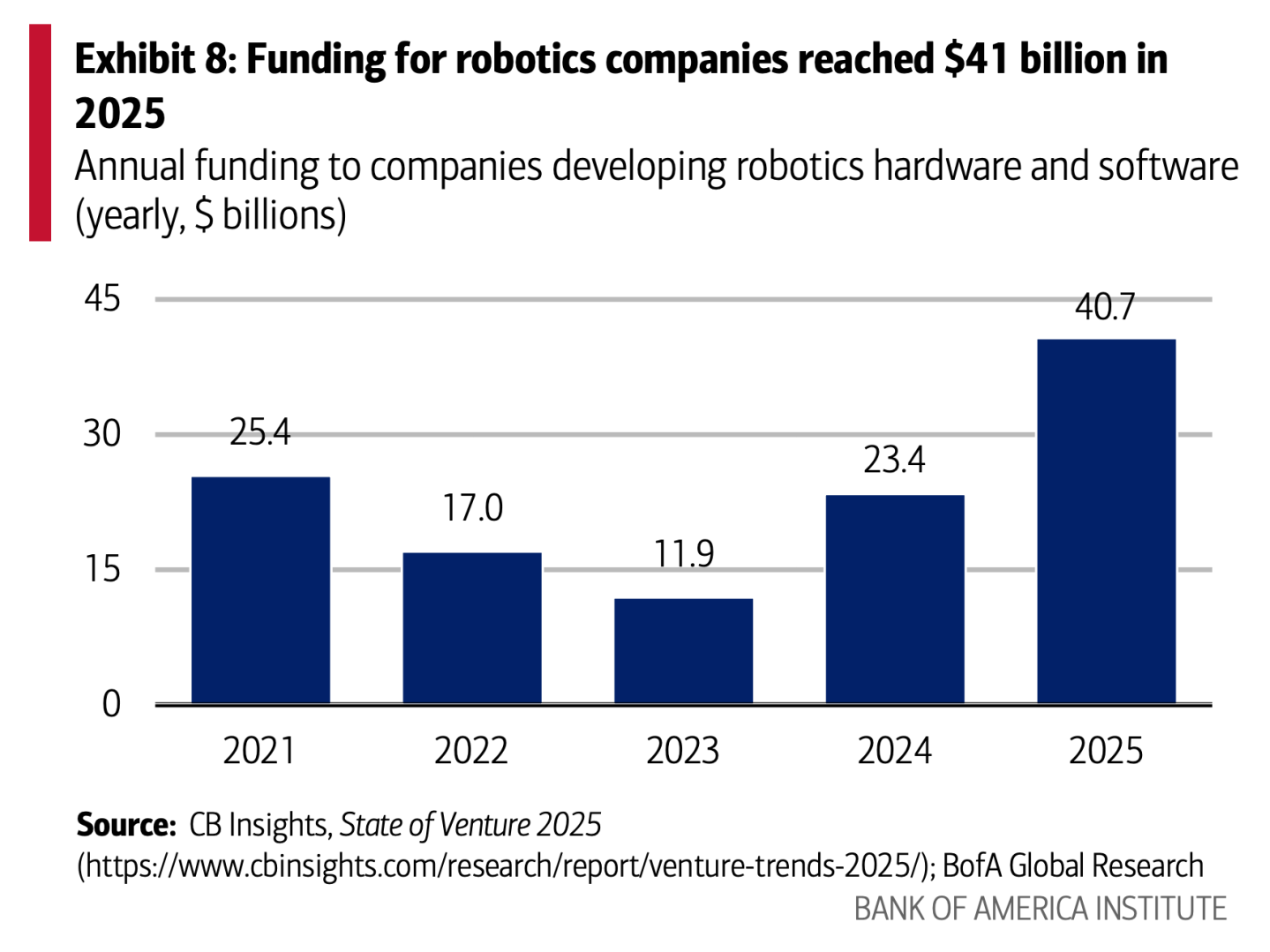
Investment in companies looking to develop physical, artificially intelligent robots made 32 equity deals with developers in 2025 compared to just three in 2021, according to Bank of America’s Vanessa Cook and Lynelle Huskey. Funding hit a record high in 2025 at $41 billion.
NUMBER OF THE DAY
60%
The rise in the price of urea—the world’s most widely used nitrogen fertilizer—since the war began, per Bruce Kasman and the team at J.P. Morgan.
QUICK HITS
- Ray Dalio: I’ve studied 500 years of history and fear we’re entering the most dangerous phase of the ‘Big Cycle’
- What Airbnb’s CFO learned when the pandemic made trust a balance sheet decision by Ruth Umoh
- Asia scrambles to respond to Trump’s sweeping Section 301 trade probes, which could pave the way for new tariffs by Angelica Ang
- Top airline CEOs plead with Congress to restore DHS funding and pay airport workers. ‘Once again, air travel is the political football’ by the AP
- An OpenAI cofounder ‘vibe coded’ an analysis of the U.S. labor market’s exposure to AI, and the highest-paying jobs have the worst scores by Jason Ma
THE FRONT PAGES TODAY
WATCH: Anduril’s Palmer Luckey talks AI, nukes and Iran on “The Axios Show” – Axios
Retail investors pull billions from private capital’s credit gold mine – FT
OpenAI’s Bid to Allow X-Rated Talk Is Freaking Out Its Own Advisers – WSJ
How Trump’s Homeland Security Pick, a Prolific Investor, Got a Lot Wealthier in Congress – NYT
The best-dressed celebrities at the Oscars 2026: Teyana Taylor, Jessie Buckley, Rose Byrne and more – NY Post
ONE MORE THING
The crypto nerds have come for the oil market
Oil markets are going crazy and one crypto ecosystem has become a go-to destination for speculating on where prices are going next: A blockchain called Hyperliquid saw daily trading volume for a popular oil contract reach a high of nearly $1.7 billion, which is nearly 250 times more volume than the contract saw right before the U.S. and Israel started bombing Iran in late February. Fortune’s Ben Weiss reports.