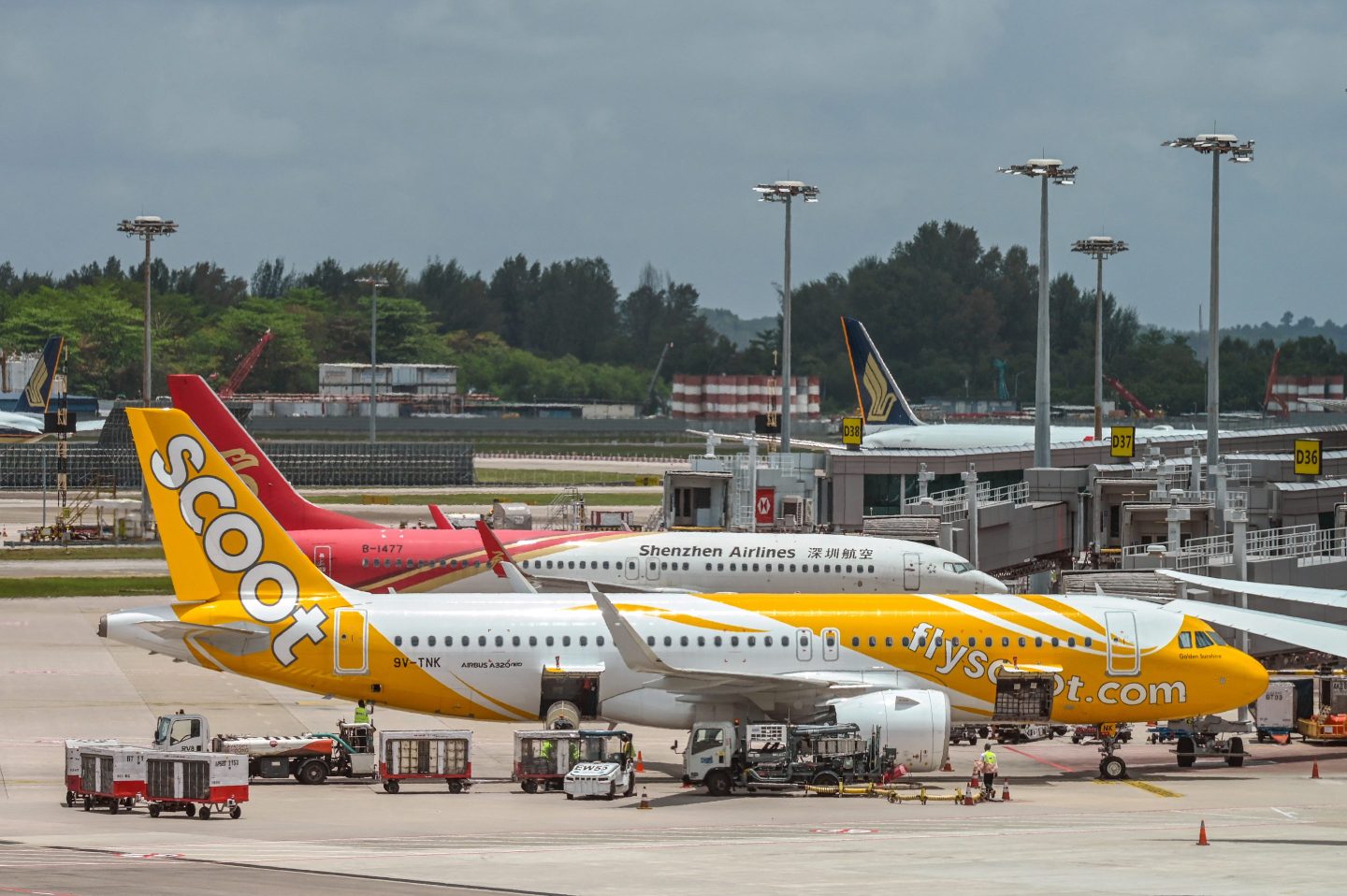
The Iran war is reshaping global flight paths, posing a threat to Southeast Asia’s key tourism sector. Iranian missile and drone attacks have shut down key Middle Eastern aviation hubs like Dubai, Abu Dhabi and Doha, cutting off popular travel routes for European and U.S. travelers to get to Southeast Asia’s beaches and temples. Travel experts now fear that countries like Thailand, Cambodia and Indonesia may soon see a dip in tourists.
“There aren’t non-stop flights between Europe and destinations like Bali and Cambodia,” Brendan Sobie, a Singapore-based independent aviation analyst, tells Fortune. “These countries, which are heavily dependent on tourism, are also more impacted due to the trickle down effect on their economies.”
Tourism is a mainstay of Southeast Asia’s economy. In 2024, tourism accounted for 9.4% of Cambodia’s GDP, and 12% of Thailand’s.
Major Gulf carriers including Emirates, Qatar Airways and Etihad have scrapped thousands of flights to and from the Middle East. This has ripple effects on some Southeast Asian carriers; Malaysia Airlines, for instance, relies on Qatar Airways to move tourists from the U.S., Europe, and the Middle East into Southeast Asia.
“Malaysia Airlines doesn’t fly into Europe much, except for London and Paris,” said Mayur Patel, the Asia head at aviation consultancy OAG. “A lot of their codeshares were through Doha with Qatar Airways, and if airplanes can’t fly into Doha, it would certainly put a constraint on traffic flow.”
How have global airlines been hit?
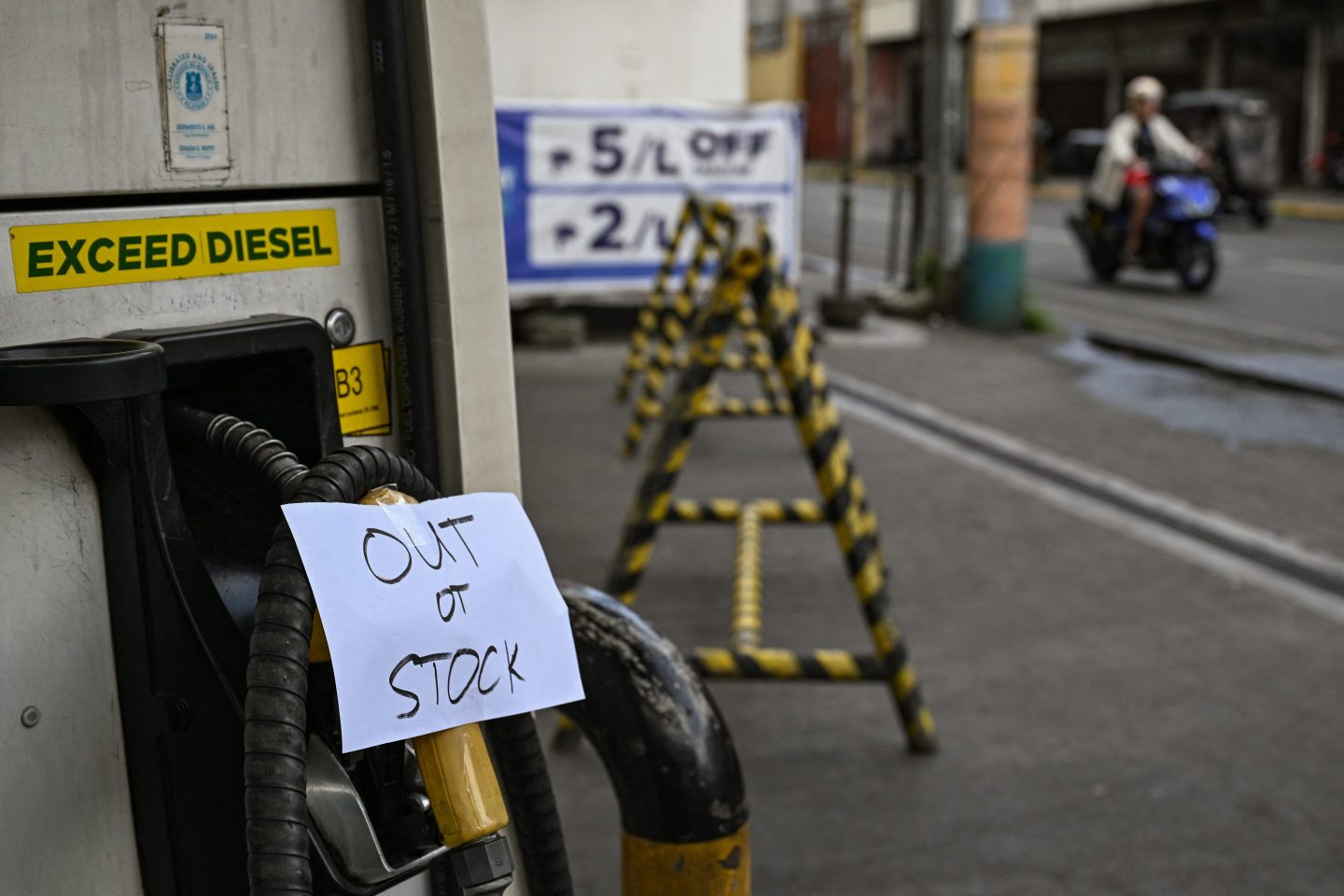
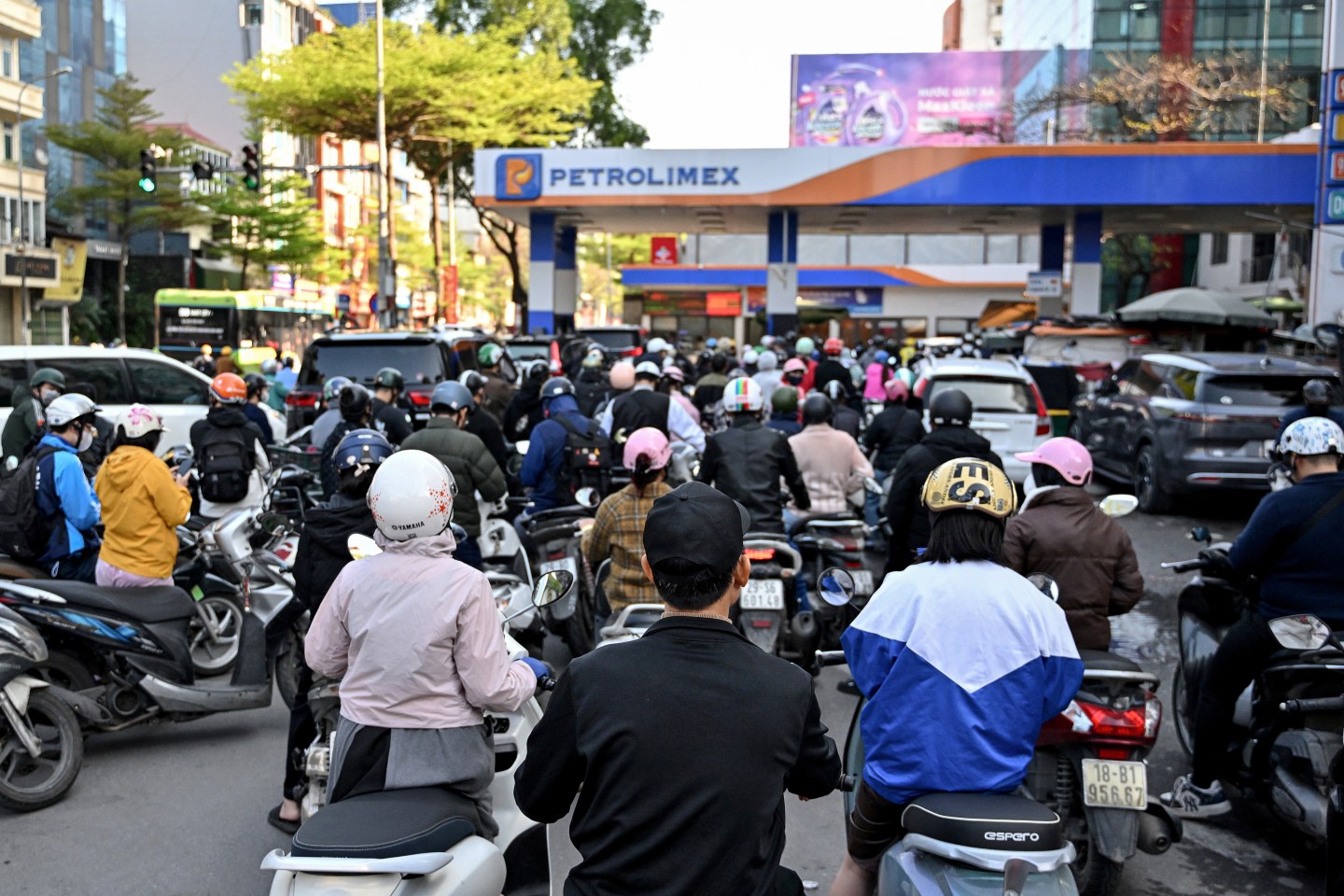
Airline networks worldwide have been rattled by airspace closures and skyrocketing jet fuel prices, which have doubled since the Iran conflict began. Airlines are suspending some routes to the Middle East for weeks, if not months. Carriers are also slapping fuel surcharges on flights, and Air New Zealand pulled its guidance on Tuesday due to increased fuel costs.
“In the first week of the war, we saw a 50% drop in total bookings,” said Lucy Jackson Walsh, the co-founder and managing director of Lightfoot Travel, a luxury travel firm with offices in Dubai, London, Singapore and Hong Kong. Bookings for Middle Eastern destinations—about 15% of Lightfoot’s business—vanished almost immediately.
“We’re shifting our focus towards Asia‑to‑Asia regional travel and also trips to further‑flung destinations like Australia which don’t have to route through the Middle East,” she said.
Supply chain disruptions from closed airspace and waterways are also delaying aircraft maintenance, repair and operations (MRO), and exacerbating existing aircraft delivery delays from manufacturers like Airbus and Boeing.
“There’s a shortage of aerospace spare parts and components, which may be delivered from Europe or the U.S.,” Kent Yar, an independent aerospace consultant, told Fortune. “To manufacture airplane parts, you also need raw materials… everything boils down to supply chain issues.” He estimates that airplane spare parts have seen a 15% jump in price since the Iran war began.
Do any airlines stand to benefit?
Still, some Asian carriers like Singapore Airlines and Hong Kong’s Cathay Pacific, which fly several non-stop routes between Asia and Europe, might have an edge over other disrupted carriers. “Existing non-stop flights between Asia and Europe have already re-routed in light of the Russia-Ukraine war, and don’t necessarily use Iran or Middle Eastern airspace,” Sobie explained.
But this will be a slim silver lining compared to the overall hit to the sector.
“I don’t think anybody’s happy,” Sobie said. “Some airlines will have routes that see an extra surge in load factor and revenue—and that’s natural—but it does not offset the negative of how this crisis has impacted the overall industry.”
Even so, some in the industry hope things will recover when, or if, the conflict dies down.
“What I’m hoping is that we’ll see revenge travel after the conflict dies down,” says Walsh of Lightfoot. “Like after the COVID‑19 pandemic, when markets came back, travel took off again.”