• Home
  • Latest
  • Fortune 500
  • Finance
  • Tech
  • Leadership
  • Lifestyle
  • Rankings
  • Multimedia
EnergyOil

Plastics, fertilizers, clothing, medicines and electronics: $100-a-barrel oil has huge downstream consequences

By
André O. Hudson
André O. Hudson
and
The Conversation
The Conversation
Down Arrow Button Icon
By
André O. Hudson
André O. Hudson
and
The Conversation
The Conversation
Down Arrow Button Icon
March 11, 2026, 1:53 PM ET
barrel
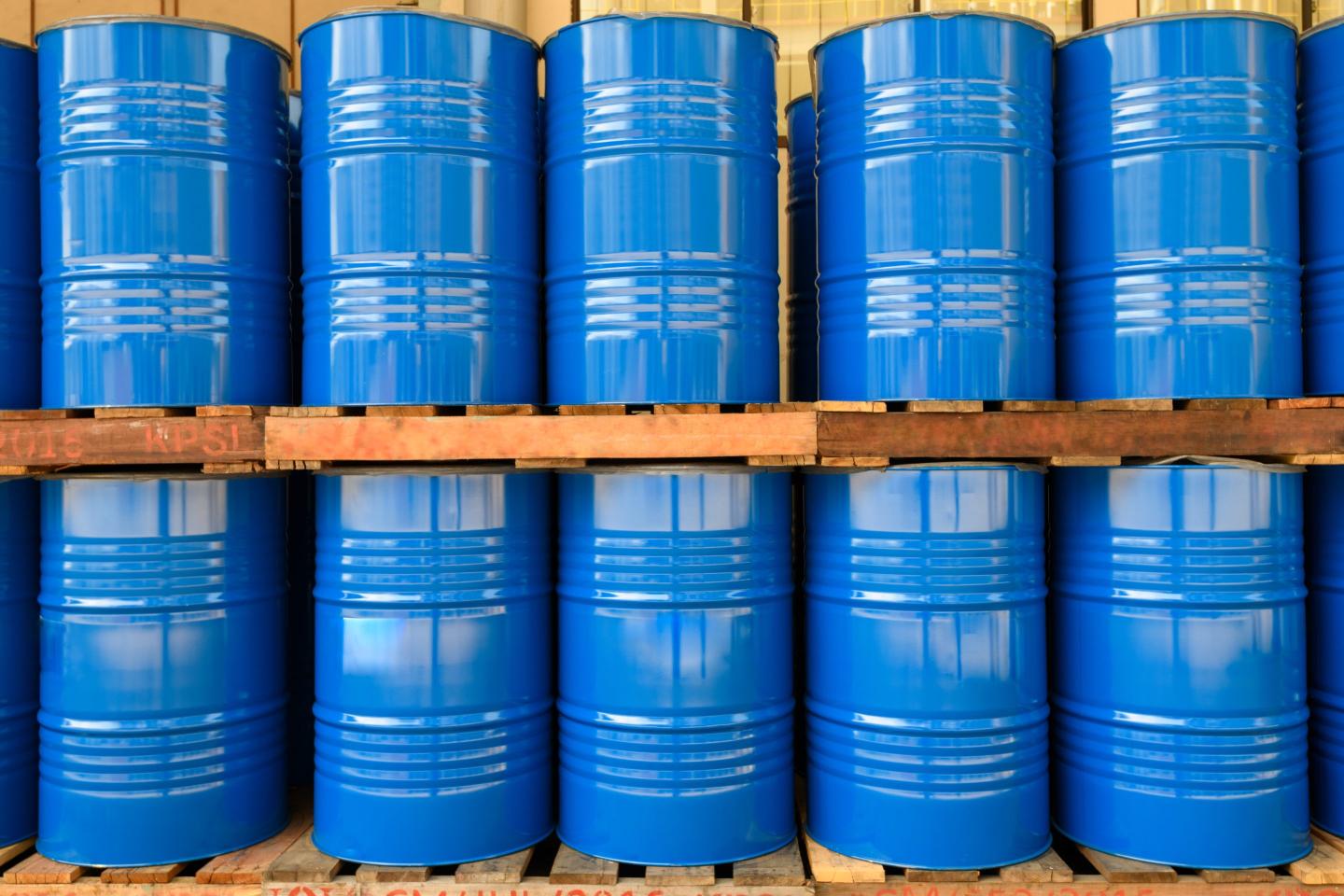
A lot comes out of a barrel of oil.Getty Images

Tensions in the Middle East often trigger concerns about rising gasoline prices. But disruptions to oil supplies could affect much more than the cost of filling up a car. That’s because crude oil is not only burned as fuel. It is also the raw material for thousands of products that modern societies depend on, including plastics, fertilizers, clothing fibers, medicines and electronics.

Recommended Video

As a biochemist, I’m interested in how certain chemicals can shape society, and oil is a prime example.

The stakes become clearer when looking at the Strait of Hormuz, a narrow waterway between Iran and Oman. About one-fifth of the world’s petroleum liquids consumption passes through the strait each day, making it one of the most important oil shipping routes on Earth. If conflict significantly disrupts traffic there, the effects could ripple far beyond energy markets.

A map of the Strait of Hormuz, which is a narrow body of water between Iran and Oman.
The Strait of Hormuz. Goran_tek-en/Wikimedia Commons, CC BY-SA

Oil is a chemical starting point

Crude oil is a complex mixture of hydrocarbons – molecules made mainly of carbon and hydrogen. Refineries and chemical plants separate and transform these molecules into smaller chemical building blocks known as petrochemicals.

Some of the most important petrochemical building blocks include chemicals such as ethylene, propylene and benzene. Manufacturers can then convert these building blocks into more complex forms, which make up plastics, solvents, synthetic rubber and other industrial materials.

While fuel is a well-known product, fuels actually represents only a portion of what is produced from crude oil. The refining process generates a wide range of petroleum-based materials used to manufacture everyday items, such as plastics, medicines, electronics, cosmetics, clothing fibers and household goods.
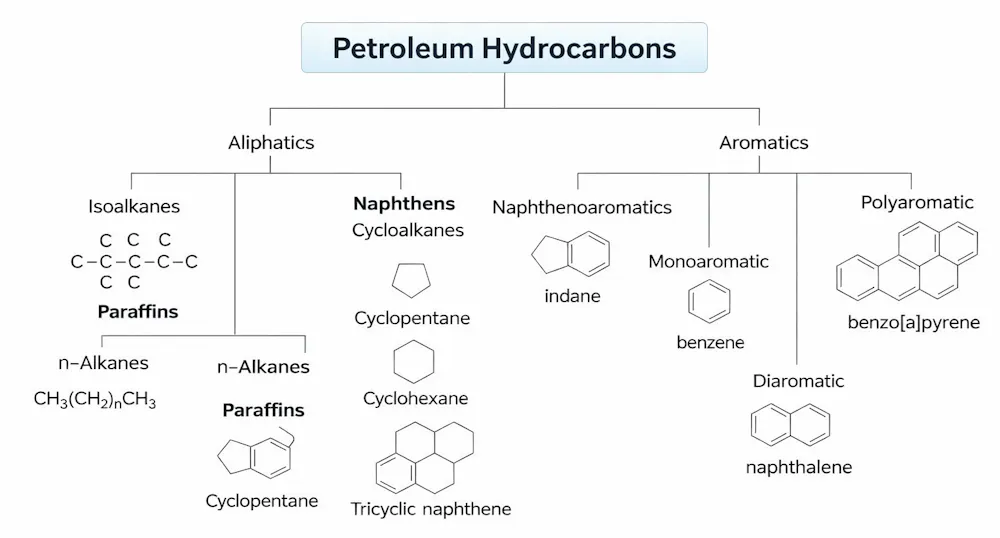
A diagram showing a bunch of different types of hydrocarbon molecules derived from petroleum
Hydrocarbons are molecules made predominantly from hydrogen and carbon. Different forms, derived from crude oil, are used in many types of manufacturing. André O. Hudson/Patel & Shah, 2013

Plastics that shape modern life

One of the most visible uses of oil is the production of plastics. Scientists can link individual petrochemical molecules to form polymers, which are long chains of repeating units that create materials such as polyethylene, polypropylene and polystyrene.

Because plastics are lightweight, durable and relatively inexpensive, they have become essential to global manufacturing.

These plastics appear in countless products, including food packaging and water bottles; medical equipment, such as syringes and IV bags; electronics casings and appliances; automotive parts; and construction materials, such as pipes and insulation.

Even technologies designed to reduce carbon emissions depend on them. Wind turbines, solar panels and electric vehicles all contain plastic components derived from petrochemicals.

Fertilizer that feeds billions

Oil and natural gas also play a critical role in agriculture. Modern fertilizers rely on nitrogen compounds, such as ammonia. Ammonia is produced through the Haber-Bosch process, which uses hydrogen typically derived from natural gas or other fossil fuels.

These fertilizers replenish nutrients in soil and dramatically increase crop yields. Without them, global food production would be far lower. Petrochemicals are also used to produce pesticides, herbicides and plastics used in irrigation systems and agricultural equipment.

Clothing, cosmetics and medicines

Petrochemicals also appear in many everyday consumer goods. Synthetic fabrics, such as polyester, nylon and acrylic, are made from petrochemical feedstocks. These feedstocks are the basic chemicals, made from crude oil or natural gas, that serve as the starting ingredients for products widely used in clothing, carpets and furniture.

Petroleum-derived ingredients are also common in cosmetics and personal care products. Certain lotions, shampoos and lipsticks rely on these compounds because they help stabilize formulas and extend shelf life.

Petrochemicals are also important in medicine. Petroleum-derived chemical intermediates − compounds made during the process of turning raw materials into a final product − are used to manufacture pharmaceuticals, medical tubing, sterile packaging and disposable gloves.

These materials help hospitals maintain sterility and safety in health care environments.

Why the Strait of Hormuz matters

Because oil and petrochemical feedstocks move through global shipping routes, disruptions in one region will affect supply chains worldwide. The Strait of Hormuz is particularly important. If conflict or political tensions continue to interrupt shipping through the Strait, oil prices will rise quickly. Energy analysts have long warned that disruptions to the strait could send shock waves through global markets. The impact would not be limited to transportation fuels.

Petrochemical industries depend on steady supplies of crude oil and natural gas liquids as raw materials. If those supplies become more expensive or harder to obtain, manufacturers could face higher production costs.

The proportion of crude oil used for petrochemical feedstocks to create plastics, fertilizers and other materials represents around 10% to 20% of oil consumption. Most crude oil is refined for fuel production, including gasoline, diesel and jet fuel, so these fuel supply chains would likely be the first to take a hit. But over time, disruptions could affect the availability and price of products ranging from plastics and packaging to fertilizers, synthetic clothing fibers and even food.

A hidden foundation of modern economies

Because petrochemicals are often used behind the scenes as ingredients rather than finished products, the connection many agricultural, medical and consumer goods have to oil is easy to overlook. Yet, petrochemicals form a hidden foundation for modern economies. They enable large-scale agriculture, advanced health care systems and global manufacturing supply chains.

At the same time, concerns about climate change and plastic pollution are driving research into alternatives. Scientists are developing bio-based plastics made from plant materials, improving recycling technologies and exploring new ways to produce fertilizers with lower carbon emissions.

For now, the modern world remains deeply dependent on oil, not only for energy but also for the materials that shape everyday life. When news headlines focus on disruptions to oil supply, the consequences may extend far beyond the gas pump, affecting the products that underpin modern society.

André O. Hudson, Dean of the College of Science, Professor of Biochemistry, Rochester Institute of Technology

This article is republished from The Conversation under a Creative Commons license. Read the original article.

The Conversation

The Fortune 500 Innovation Forum will convene Fortune 500 executives, U.S. policy officials, top founders, and thought leaders to help define what’s next for the American economy, Nov. 16-17 in Detroit. Apply here.
About the Authors
By André O. Hudson
See full bioRight Arrow Button Icon
By The Conversation
See full bioRight Arrow Button Icon

Latest in Energy

Finance
Lorem ipsum dolor sit amet, consectetur adipiscing elit, sed do eiusmod tempor incididunt ut labore et dolore magna aliqua. Ut enim ad minim veniam
By Fortune Editors
October 20, 2025
Finance
Lorem ipsum dolor sit amet, consectetur adipiscing elit, sed do eiusmod tempor incididunt ut labore et dolore magna aliqua. Ut enim ad minim veniam
By Fortune Editors
October 20, 2025
Finance
Lorem ipsum dolor sit amet, consectetur adipiscing elit, sed do eiusmod tempor incididunt ut labore et dolore magna aliqua. Ut enim ad minim veniam
By Fortune Editors
October 20, 2025
Finance
Lorem ipsum dolor sit amet, consectetur adipiscing elit, sed do eiusmod tempor incididunt ut labore et dolore magna aliqua. Ut enim ad minim veniam
By Fortune Editors
October 20, 2025
Finance
Lorem ipsum dolor sit amet, consectetur adipiscing elit, sed do eiusmod tempor incididunt ut labore et dolore magna aliqua. Ut enim ad minim veniam
By Fortune Editors
October 20, 2025
Finance
Lorem ipsum dolor sit amet, consectetur adipiscing elit, sed do eiusmod tempor incididunt ut labore et dolore magna aliqua. Ut enim ad minim veniam
By Fortune Editors
October 20, 2025

Most Popular

Finance
Lorem ipsum dolor sit amet, consectetur adipiscing elit, sed do eiusmod tempor incididunt ut labore et dolore magna aliqua. Ut enim ad minim veniam
By Fortune Editors
October 20, 2025
Finance
Lorem ipsum dolor sit amet, consectetur adipiscing elit, sed do eiusmod tempor incididunt ut labore et dolore magna aliqua. Ut enim ad minim veniam
By Fortune Editors
October 20, 2025
Finance
Lorem ipsum dolor sit amet, consectetur adipiscing elit, sed do eiusmod tempor incididunt ut labore et dolore magna aliqua. Ut enim ad minim veniam
By Fortune Editors
October 20, 2025
Finance
Lorem ipsum dolor sit amet, consectetur adipiscing elit, sed do eiusmod tempor incididunt ut labore et dolore magna aliqua. Ut enim ad minim veniam
By Fortune Editors
October 20, 2025
Finance
Lorem ipsum dolor sit amet, consectetur adipiscing elit, sed do eiusmod tempor incididunt ut labore et dolore magna aliqua. Ut enim ad minim veniam
By Fortune Editors
October 20, 2025
Finance
Lorem ipsum dolor sit amet, consectetur adipiscing elit, sed do eiusmod tempor incididunt ut labore et dolore magna aliqua. Ut enim ad minim veniam
By Fortune Editors
October 20, 2025
Fortune Secondary Logo
Rankings
  • 100 Best Companies
  • Fortune 500
  • Global 500
  • Fortune 500 Europe
  • Most Powerful Women
  • Future 50
  • World’s Most Admired Companies
  • See All Rankings
Sections
  • Finance
  • Fortune Crypto
  • Features
  • Leadership
  • Health
  • Commentary
  • Success
  • Retail
  • Mpw
  • Tech
  • Lifestyle
  • CEO Initiative
  • Asia
  • Politics
  • Conferences
  • Europe
  • Newsletters
  • Personal Finance
  • Environment
  • Magazine
  • Education
Customer Support
  • Frequently Asked Questions
  • Customer Service Portal
  • Privacy Policy
  • Terms Of Use
  • Single Issues For Purchase
  • International Print
Commercial Services
  • Advertising
  • Fortune Brand Studio
  • Fortune Analytics
  • Fortune Conferences
  • Business Development
  • Group Subscriptions
About Us
  • About Us
  • Editorial Calendar
  • Press Center
  • Work At Fortune
  • Diversity And Inclusion
  • Terms And Conditions
  • Site Map
  • About Us
  • Editorial Calendar
  • Press Center
  • Work At Fortune
  • Diversity And Inclusion
  • Terms And Conditions
  • Site Map
  • Facebook icon
  • Twitter icon
  • LinkedIn icon
  • Instagram icon
  • Pinterest icon

Latest in Energy

broker
EnergyMarkets
Oil is back to early war days, S&P 500 jumps to all-time high
By Stan Choe and The Associated PressApril 17, 2026
10 hours ago
trump
EnergyIran
Iran and White House say the Strait of Hormuz is ‘completely open.’ But it definitely isn’t—at least for now
By Jordan BlumApril 17, 2026
13 hours ago
trump
EnergyIran
Trump says Iran to suspend nuclear program, won’t get funds
By Kate Sullivan and BloombergApril 17, 2026
14 hours ago
A person points at a page on the Marinetraffic website that shows commercial boats traffic on the edge of the Strait of Hormuz near the Iranian coast, in Paris on March 4, 2026. (Photo by JULIEN DE ROSA / AFP via Getty Images)
EnergyIran
Iran has reopened the Strait of Hormuz—but experts say it now holds a card that works ‘almost like a nuclear deterrent’
By Eva RoytburgApril 17, 2026
14 hours ago
trump
EuropeIran
Trump still furious about NATO: ‘useless when needed, a Paper Tiger!’
By Sylvie Corbet, Jill Lawless and The Associated PressApril 17, 2026
14 hours ago
iran
EnergyIran
Iran says it fully reopens Strait of Hormuz as Trump says blockade will ‘remain in force’
By Kareem Chehayeb, Aamer Madhani, Elena Becatoros and The Associated PressApril 17, 2026
14 hours ago

Most Popular

Pope Leo warned the world is in ‘big trouble’ if Elon Musk becomes the first trillionaire
Success
Pope Leo warned the world is in ‘big trouble’ if Elon Musk becomes the first trillionaire
By Preston ForeApril 17, 2026
21 hours ago
A world going broke: IMF says America's $39 trillion national debt is actually a global problem—and AI may be the only rescue
Economy
A world going broke: IMF says America's $39 trillion national debt is actually a global problem—and AI may be the only rescue
By Nick LichtenbergApril 16, 2026
1 day ago
Jeff Bezos pledged $10 billion for climate change. With the 2030 clock ticking, his wife, Lauren Sánchez Bezos, is leading the charge to spend it
Environment
Jeff Bezos pledged $10 billion for climate change. With the 2030 clock ticking, his wife, Lauren Sánchez Bezos, is leading the charge to spend it
By Sydney LakeApril 15, 2026
3 days ago
Germany already told its workers to ditch four-day weeks and work-life balance. Now the government wants to cut their pay for calling in sick, too
Success
Germany already told its workers to ditch four-day weeks and work-life balance. Now the government wants to cut their pay for calling in sick, too
By Orianna Rosa RoyleApril 16, 2026
2 days ago
Older millennials are starting to act like boomers in the housing market—and pulling away from the pack
Real Estate
Older millennials are starting to act like boomers in the housing market—and pulling away from the pack
By Nick LichtenbergApril 17, 2026
22 hours ago
Iran has reopened the Strait of Hormuz—but experts say it now holds a card that works ‘almost like a nuclear deterrent’
Energy
Iran has reopened the Strait of Hormuz—but experts say it now holds a card that works ‘almost like a nuclear deterrent’
By Eva RoytburgApril 17, 2026
14 hours ago

© 2026 Fortune Media IP Limited. All Rights Reserved. Use of this site constitutes acceptance of our Terms of Use and Privacy Policy | CA Notice at Collection and Privacy Notice | Do Not Sell/Share My Personal Information
FORTUNE is a trademark of Fortune Media IP Limited, registered in the U.S. and other countries. FORTUNE may receive compensation for some links to products and services on this website. Offers may be subject to change without notice.