• Home
  • Latest
  • Fortune 500
  • Finance
  • Tech
  • Leadership
  • Lifestyle
  • Rankings
  • Multimedia
Middle EastOil

Something’s different about America since the early 2000s and it has to do with drill, baby, drill

By
Amy Myers Jaffe
Amy Myers Jaffe
and
The Conversation
The Conversation
Down Arrow Button Icon
By
Amy Myers Jaffe
Amy Myers Jaffe
and
The Conversation
The Conversation
Down Arrow Button Icon
March 10, 2026, 4:34 PM ET
trump
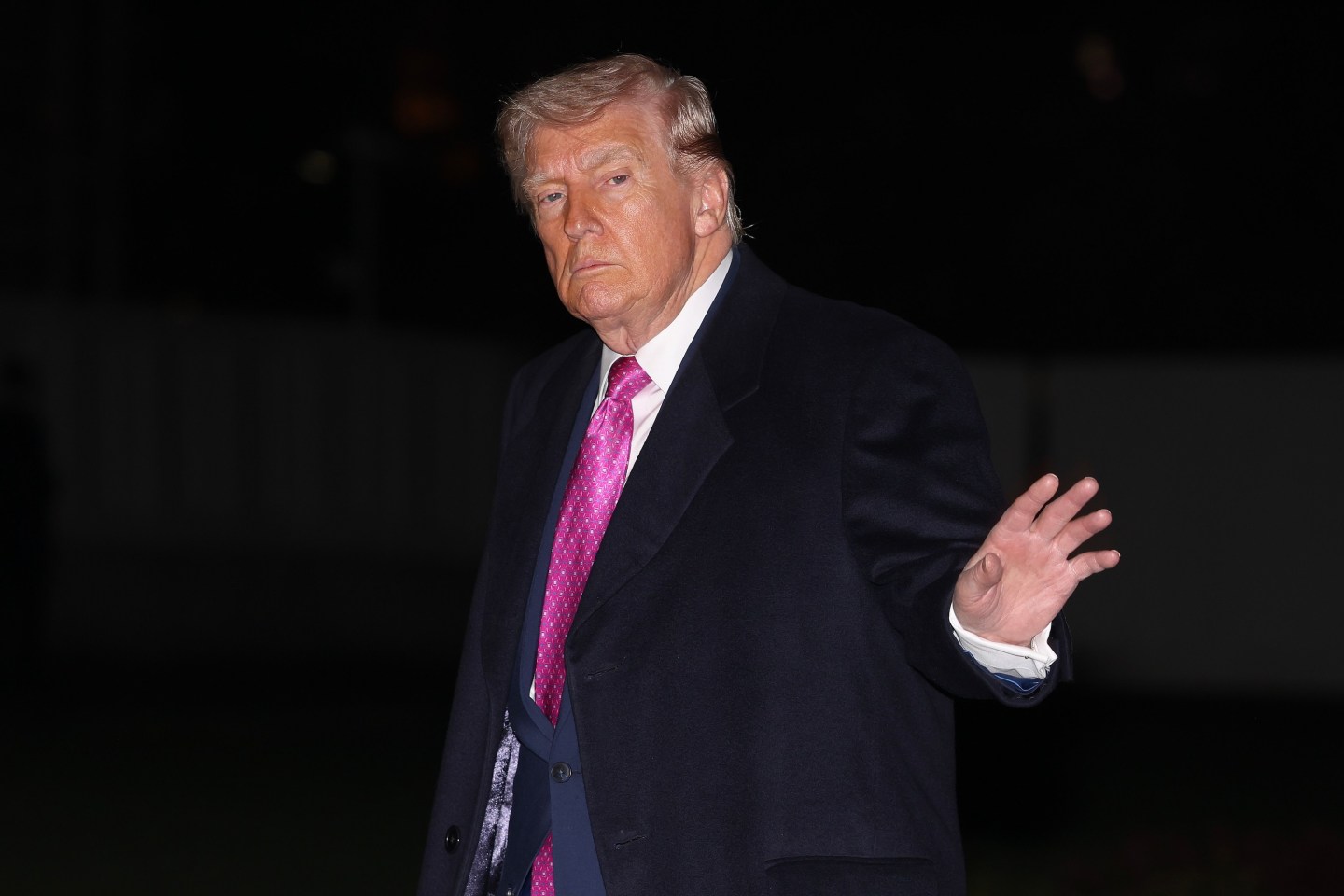
The policy of "drill, baby, drill" has transformed the American economy since the early 2000s.Win McNamee/Getty Images

Oil is a global market, so when prices rise in one place, they rise everywhere. The current war against Iran has already raised oil prices significantly.

Recommended Video

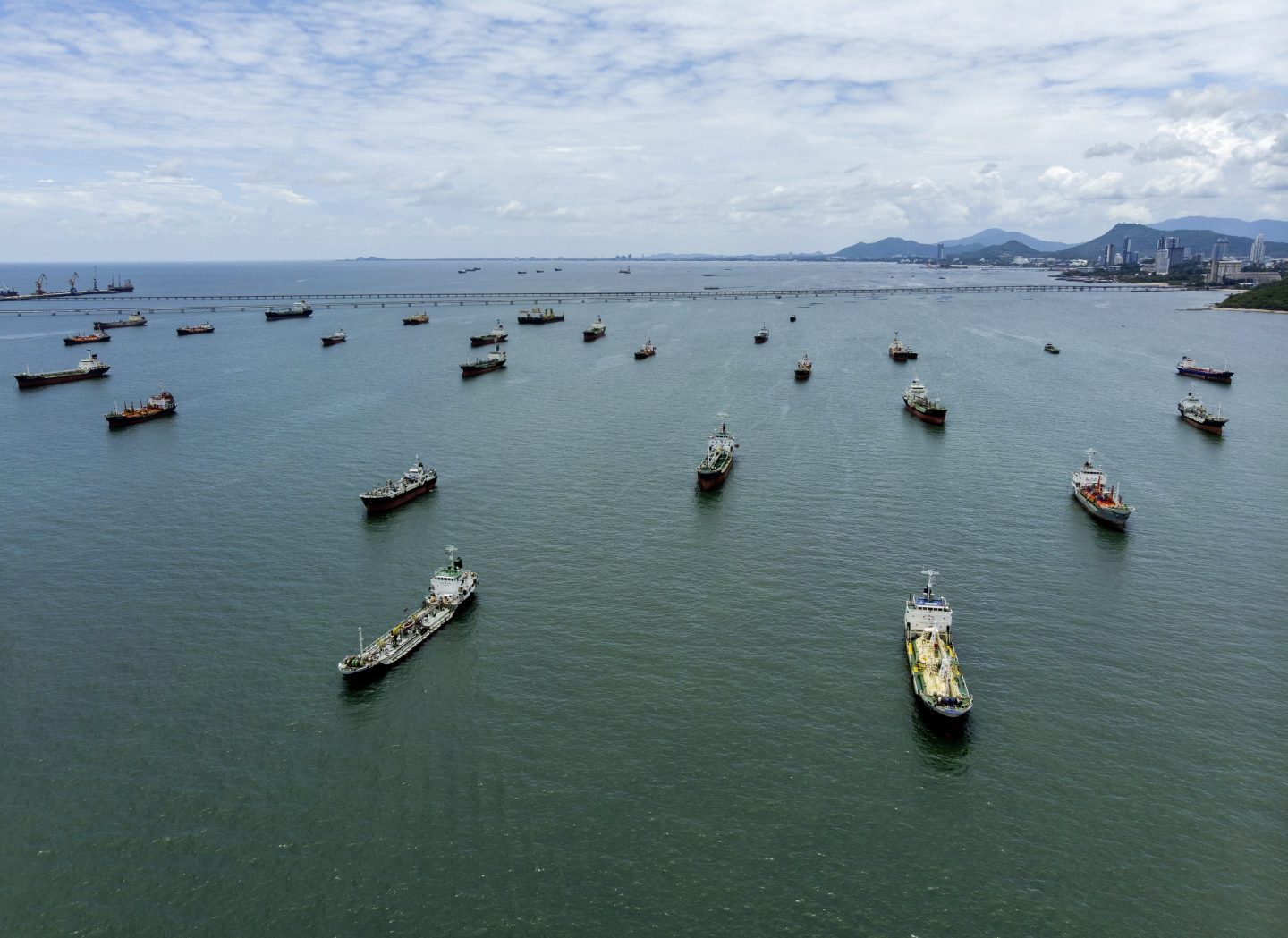
Mideast oil production has been slowed by efforts to close the Strait of Hormuz, a key route for oil tankers from the Middle East to the rest of the world, as well as by attacks – and fears of attacks – on oil production, storage and shipment installations.

And this war has also disrupted the flow of liquefied natural gas from Qatar, which controls almost 20% of the global market. That also affects the world economy and supply chains. And shortages of natural gas affect production of fertilizer and aluminium, as well as other key materials.

As a professor who has been studying oil price shocks for two decades, I’m often asked about the effects of rising oil prices on the U.S. economy. The answer to that question has changed over the past two decades.

The global economic picture

Countries that import much of their oil have to pay other countries for that imported oil.

That was a problem for the U.S. back in the 1970s through the early 2000s. The U.S. sent billions of dollars a year abroad to oil-producing countries in the Middle East, Africa and Latin America. That money built up other countries’ economies or sloshed around as financial surpluses that fueled financial market exuberance and asset bubbles that could suddenly pop.

Oil imports increased the U.S. trade deficit in the 1970s and beyond. And as a result, U.S. industries suffered from high energy costs, which forced closures of major U.S. steel plants and iron and copper mines. Falling purchases of cars and other durable goods also stimulated worker layoffs.

A shift in US production

Now, however, the United States is a major producer and exporter of oil and refined petroleum products. Every day, on average, the U.S. exports over 6 million barrels of refined products and over 4 million barrels of crude oil.

The U.S. does still import some crude oil, most of which is heavy oil from Canada handled at certain American refineries on the U.S. Gulf Coast. Factoring in those imports, net U.S. oil trade balance is a positive 2.8 million barrels per day, as contrasted with the mid-2000s, when the balance was a deficit of 12 million barrels per day.

U.S. production comes from 32 states – though mainly from the biggest producers: Texas, New Mexico, North Dakota, Alaska, Oklahoma and Colorado. Because that revenue comes to companies in the U.S., the nation’s gross domestic product is less vulnerable to oil price increases than in the past, when high prices meant more U.S. dollars flowing overseas.

A changed economy

In addition to being less dependent on imports, the U.S. economy is much less oil-intensive than it used to be, producing more economic value with far less oil use today than in the past.

And researchers at the U.S. Federal Reserve report that gasoline prices haven’t been a major contributor to U.S. inflation in recent years. That’s because there are lots of ways Americans use less gasoline, including telecommuting and remote work, online shopping and using electric vehicles and delivery trucks that run on batteries or other fuels.

Still, other economists disagree and say current oil prices, which are above $100 a barrel, could increase current U.S. inflation rates by as much as 1 percentage point.

The mental toll

Though the U.S. is economically less vulnerable to oil-price shocks, there is also a psychological factor. It’s hard not to feel pessimistic when gasoline prices at the local pump are already rising: Bulk market prices are already soaring amid hedging trades and speculative fervor among traders and wholesalers and on U.S. commodity futures markets.

Americans feel pessimistic about consumer spending when gasoline prices are rising. And a study found that high gas prices even make people feel unhappy.

Research also shows that people tend to put off major durable goods purchases, such as automobiles, when oil prices rise sharply. That could mean bad news for the U.S. auto industry.

But it is also possible that high gasoline prices might encourage more Americans to consider buying electric cars. That could help the car companies that were having difficulty moving their electric-vehicle inventories. And for people who own electric vehicles, the war and its resulting price increases can be a reminder of the benefits of living gasoline-free.

More broadly, the war might be yet another reminder of the benefits of diversifying energy sources away from fossil fuels. As my research shows, oil price shocks generally lead to greater investment in clean technologies.

Amy Myers Jaffe, Director, Energy, Climate Justice, and Sustainability Lab, and Research Professor, New York University; Tufts University

This article is republished from The Conversation under a Creative Commons license. Read the original article.

The Conversation

The Fortune 500 Innovation Forum will convene Fortune 500 executives, U.S. policy officials, top founders, and thought leaders to help define what’s next for the American economy, Nov. 16-17 in Detroit. Apply here.
About the Authors
By Amy Myers Jaffe
See full bioRight Arrow Button Icon
By The Conversation
See full bioRight Arrow Button Icon

Latest in Middle East

Finance
Lorem ipsum dolor sit amet, consectetur adipiscing elit, sed do eiusmod tempor incididunt ut labore et dolore magna aliqua. Ut enim ad minim veniam
By Fortune Editors
October 20, 2025
Finance
Lorem ipsum dolor sit amet, consectetur adipiscing elit, sed do eiusmod tempor incididunt ut labore et dolore magna aliqua. Ut enim ad minim veniam
By Fortune Editors
October 20, 2025
Finance
Lorem ipsum dolor sit amet, consectetur adipiscing elit, sed do eiusmod tempor incididunt ut labore et dolore magna aliqua. Ut enim ad minim veniam
By Fortune Editors
October 20, 2025
Finance
Lorem ipsum dolor sit amet, consectetur adipiscing elit, sed do eiusmod tempor incididunt ut labore et dolore magna aliqua. Ut enim ad minim veniam
By Fortune Editors
October 20, 2025
Finance
Lorem ipsum dolor sit amet, consectetur adipiscing elit, sed do eiusmod tempor incididunt ut labore et dolore magna aliqua. Ut enim ad minim veniam
By Fortune Editors
October 20, 2025
Finance
Lorem ipsum dolor sit amet, consectetur adipiscing elit, sed do eiusmod tempor incididunt ut labore et dolore magna aliqua. Ut enim ad minim veniam
By Fortune Editors
October 20, 2025

Most Popular

Finance
Lorem ipsum dolor sit amet, consectetur adipiscing elit, sed do eiusmod tempor incididunt ut labore et dolore magna aliqua. Ut enim ad minim veniam
By Fortune Editors
October 20, 2025
Finance
Lorem ipsum dolor sit amet, consectetur adipiscing elit, sed do eiusmod tempor incididunt ut labore et dolore magna aliqua. Ut enim ad minim veniam
By Fortune Editors
October 20, 2025
Finance
Lorem ipsum dolor sit amet, consectetur adipiscing elit, sed do eiusmod tempor incididunt ut labore et dolore magna aliqua. Ut enim ad minim veniam
By Fortune Editors
October 20, 2025
Finance
Lorem ipsum dolor sit amet, consectetur adipiscing elit, sed do eiusmod tempor incididunt ut labore et dolore magna aliqua. Ut enim ad minim veniam
By Fortune Editors
October 20, 2025
Finance
Lorem ipsum dolor sit amet, consectetur adipiscing elit, sed do eiusmod tempor incididunt ut labore et dolore magna aliqua. Ut enim ad minim veniam
By Fortune Editors
October 20, 2025
Finance
Lorem ipsum dolor sit amet, consectetur adipiscing elit, sed do eiusmod tempor incididunt ut labore et dolore magna aliqua. Ut enim ad minim veniam
By Fortune Editors
October 20, 2025
Fortune Secondary Logo
Rankings
  • 100 Best Companies
  • Fortune 500
  • Global 500
  • Fortune 500 Europe
  • Most Powerful Women
  • Future 50
  • World’s Most Admired Companies
  • See All Rankings
Sections
  • Finance
  • Fortune Crypto
  • Features
  • Leadership
  • Health
  • Commentary
  • Success
  • Retail
  • Mpw
  • Tech
  • Lifestyle
  • CEO Initiative
  • Asia
  • Politics
  • Conferences
  • Europe
  • Newsletters
  • Personal Finance
  • Environment
  • Magazine
  • Education
Customer Support
  • Frequently Asked Questions
  • Customer Service Portal
  • Privacy Policy
  • Terms Of Use
  • Single Issues For Purchase
  • International Print
Commercial Services
  • Advertising
  • Fortune Brand Studio
  • Fortune Analytics
  • Fortune Conferences
  • Business Development
  • Group Subscriptions
About Us
  • About Us
  • Editorial Calendar
  • Press Center
  • Work At Fortune
  • Diversity And Inclusion
  • Terms And Conditions
  • Site Map
  • About Us
  • Editorial Calendar
  • Press Center
  • Work At Fortune
  • Diversity And Inclusion
  • Terms And Conditions
  • Site Map
  • Facebook icon
  • Twitter icon
  • LinkedIn icon
  • Instagram icon
  • Pinterest icon

Latest in Middle East

Current price of oil as of March 31, 2026
Personal FinanceOil
Current price of oil as of March 31, 2026
By Joseph HostetlerMarch 31, 2026
3 days ago
Anil Agarwal, founder and chairman of Vedanta Group, at the CERAWeek by S&P Global conference in Houston, Texas, US, on Wednesday, March 25, 2026. The event convenes more than 10,000 participants from over 2,350 companies across 89 countries for dialogue on the agenda ahead as the world enters a new era of energy transition. Photographer: Aaron M. Sprecher/Bloomberg via Getty Images
EnergyIndia
Energy ‘vulnerable’ India seeks U.S. help to produce more oil and wean itself off Russia, Middle East reliance amid geopolitical turmoil
By Jordan BlumMarch 31, 2026
3 days ago
Bond yields are falling even as oil tops $102, showing that Wall Street fears recession more than inflation
EnergyOil
Bond yields are falling even as oil tops $102, showing that Wall Street fears recession more than inflation
By Jason MaMarch 30, 2026
4 days ago
War against Iran to escalate as we approach six-week ‘TACO’ timetable, analysts say
EconomyMarkets
War against Iran to escalate as we approach six-week ‘TACO’ timetable, analysts say
By Jim EdwardsMarch 30, 2026
4 days ago
hormuz
CommentaryOil
Iran’s Hormuz toll booth points toward an L-shaped price plateau, not the V-shaped recovery traders want
By Siddharth MisraMarch 28, 2026
6 days ago
The Iran war could drag into 2027, analyst warns. The economic fallout is just getting started
Middle EastIran
The Iran war could drag into 2027, analyst warns. The economic fallout is just getting started
By Jason MaMarch 27, 2026
6 days ago

Most Popular

Gen Z fled San Francisco for Texas and Florida. Now they’re turning ‘welcomer cities’ into the next big tech towns
Real Estate
Gen Z fled San Francisco for Texas and Florida. Now they’re turning ‘welcomer cities’ into the next big tech towns
By Fortune EditorsApril 2, 2026
20 hours ago
Current price of gold as of April 1, 2026
Personal Finance
Current price of gold as of April 1, 2026
By Fortune EditorsApril 1, 2026
2 days ago
The tax escape map: Billionaires are bolting for Florida from the West Coast and taking billions in tax revenue with them
Real Estate
The tax escape map: Billionaires are bolting for Florida from the West Coast and taking billions in tax revenue with them
By Fortune EditorsApril 2, 2026
20 hours ago
Two-thirds of parents say their adult Gen Z kids still rely on them financially  for support—even though it's putting them under strain
Success
Two-thirds of parents say their adult Gen Z kids still rely on them financially  for support—even though it's putting them under strain
By Fortune EditorsMarch 31, 2026
2 days ago
Major 4-day workweek study suggests that when we work 5 days we spend one doing basically nothing
Success
Major 4-day workweek study suggests that when we work 5 days we spend one doing basically nothing
By Fortune EditorsApril 2, 2026
12 hours ago
Deutsche Bank asked AI if it’s true that AI will solve the economy’s inflation problems. The robots answered
Economy
Deutsche Bank asked AI if it’s true that AI will solve the economy’s inflation problems. The robots answered
By Fortune EditorsApril 1, 2026
1 day ago

© 2026 Fortune Media IP Limited. All Rights Reserved. Use of this site constitutes acceptance of our Terms of Use and Privacy Policy | CA Notice at Collection and Privacy Notice | Do Not Sell/Share My Personal Information
FORTUNE is a trademark of Fortune Media IP Limited, registered in the U.S. and other countries. FORTUNE may receive compensation for some links to products and services on this website. Offers may be subject to change without notice.