One of the most influential venture capitalists in Silicon Valley says the tradition of a four-year college education is up in the air.
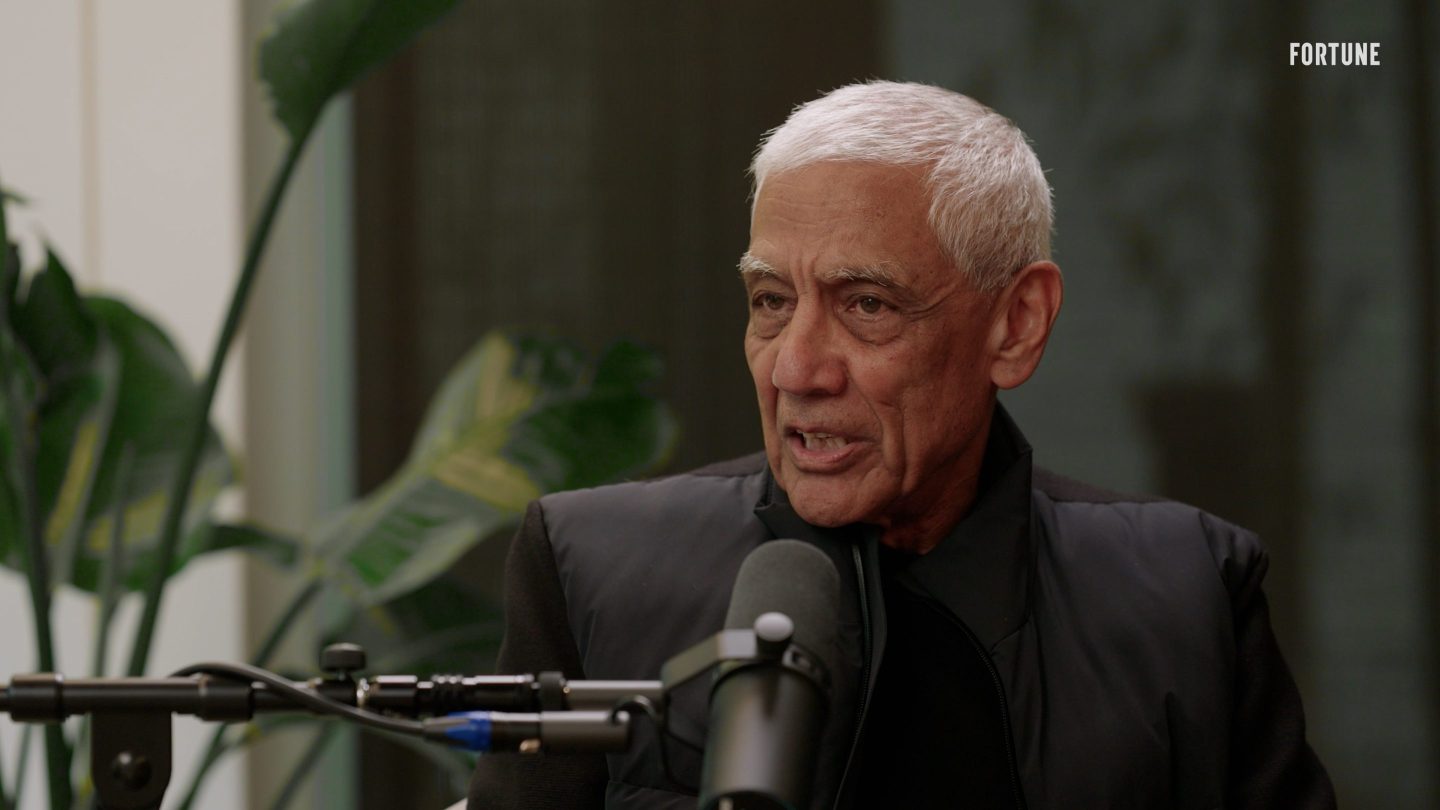
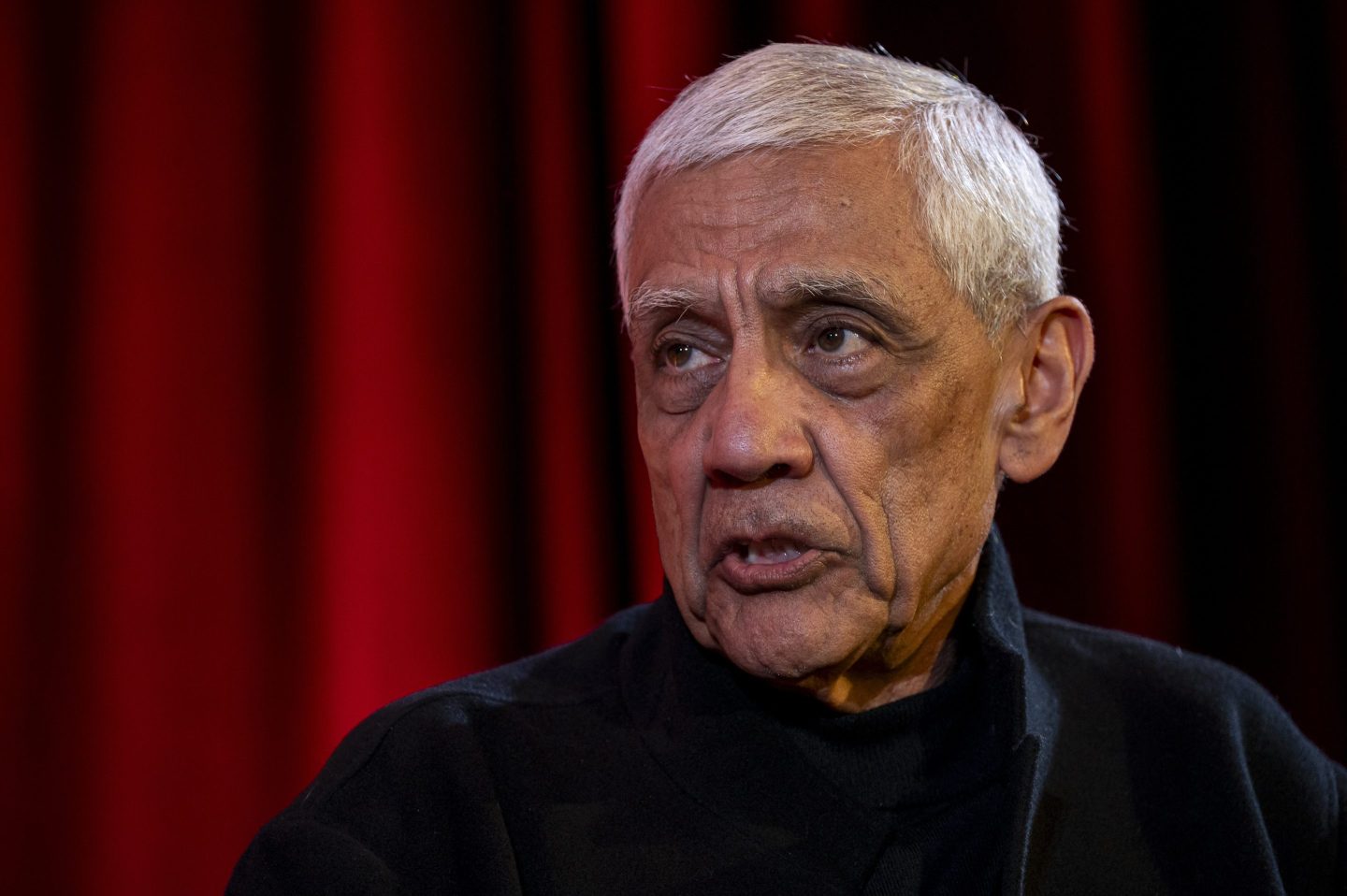
Vinod Khosla, founder of Sun Microsystems and Khosla Ventures, told Fortune editor-in-chief Alyson Shontell on the Titans and Disruptors of Industry podcast that when everything can be learned or achieved through technology, abundance will rule.
“All education should be free,” Khosla said, while noting the fate of universities themselves is “a real question.”
To be sure, people like the idea of institutions, he added. But in a world where technology rules and higher education is free, attending college may be more like a hobby than a necessity.
“You won’t need a college to get an engineering degree. You won’t even need the engineering degree, except if your passion is learning,” Khosla said.
The shift away from traditional higher education that Khosla predicted may already be underway among young people today. A Gallup poll from September found only 35% of Americans say going to college is “very important”—a record low, and down from more than half who said the same in 2019.
As soaring tuition costs and a shaky job market have eroded confidence in the four-year degree, another survey showed that a quarter of Gen Zers say they regret going to college altogether. And young people have increasingly turned to trade jobs such as welding, plumbing, and carpentry over white-collar positions.
At the same time, when AI levels the playing field by making expertise free and nearly equal, it raises serious questions about how to value the knowledge a person actually has.
“Do you pay a farmworker the same as an oncologist, because they happen to have the same expertise, which is the expertise of AI?” Khosla asked.
For younger generations, the effects of AI may be even more transformative. He added that in a world where AI takes over so many of the jobs we see as essential today, the cost of living will also decrease and free up young people to focus on what fulfills them.
The end of work
Still, hand in hand with free education and the freedom to pursue our interests comes major disruption in the job market.
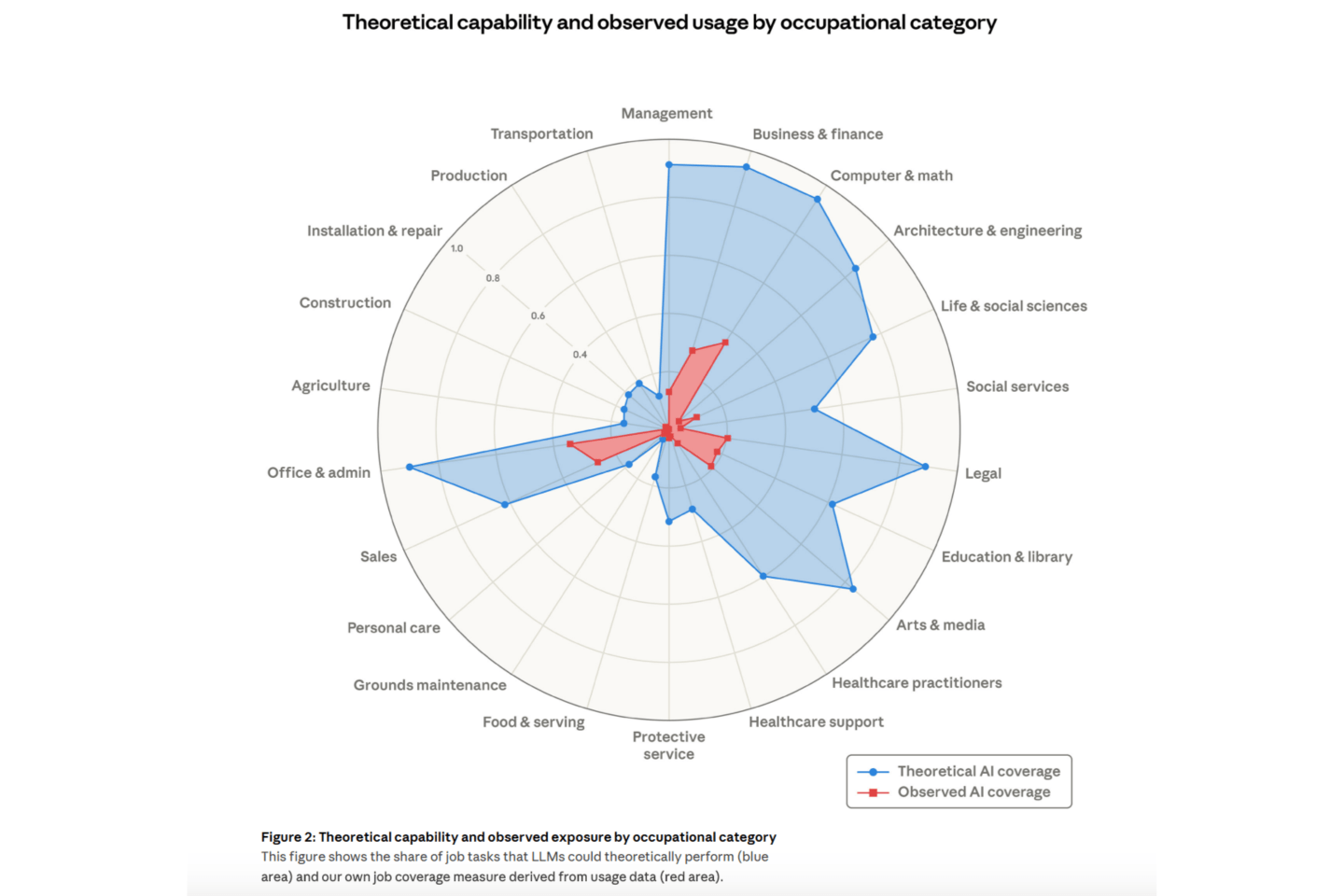
Khosla warned the impending AI jobs apocalypse will upend the economy by the end of the decade, and tech could soon replace some 80% of jobs, including some of the roles that have traditionally been associated with years of training or education.
“Two-thirds of all jobs will be capable of being done by an AI. So whether you’re a physician, whether you’re a radiologist, whether you’re an accountant, whether you’re a chip designer, whether you’re a salesperson, AI will do your job better,” he told Fortune.
The venture capitalist’s arguments go right to the heart of the growing wave of AI anxiety affecting both job seekers and workers fearing future layoffs. Just last week, financial technology company Block laid off 4,000 workers, with CEO Jack Dorsey citing the growing capability of “intelligence tools.”
Influential business leaders in the AI industry and elsewhere have also been sounding the alarm about future AI-fueled job displacement. Microsoft’s AI chief, Mustafa Suleyman, warned workers who mostly do computer tasks could see their jobs fully automated by AI in the next 18 months. JPMorgan CEO Jamie Dimon also chimed in, saying the disruption could prove so dramatic, he’d support the government stepping in with regulation to slow AI-related layoffs.
This AI-fueled disruption to the job market will immediately erase $15 trillion in GDP associated with labor, Khosla said, creating a deflationary environment. But thanks to the productivity potential of AI, the economy will produce plenty of goods and services to go around while prices remain low.
By 2040, Khosla predicts that a person with a $30,000 salary will be able to buy more than what they could with a $100,000 salary now.
“I think we will have enough abundance; the need to work will go away,” Khosla said.