
Time and again, experts have warned that the economy’s youngest participants are on the sharpest end of reality. But undeterred, it seems Generation Z is growing in confidence about the future of the economy, while their older counterparts remain relatively pessimistic.
The latest Consumer Confidence Index from the Conference Board, released yesterday, increased by 2.2 points in February to 91.2 (compared with a basis of 100, recorded in 1985). This was a rise from an upwardly revised 89 reading in January.
Among the components of the index, the short-term view was rosier than the current situation. The board’s present situation index, which is based on consumers’ assessment of current labor market and business conditions—decreased by 1.8 points in February, having steadily trended downward since mid-2021. On the other hand, the expectations index (which evaluates the six-month outlook for income, business conditions, and the jobs market) rose by 4.8 points to 72. This is roughly in line with expectations throughout 2025.
And while sentiments are picking up as the U.S. heads into spring, there’s a specific demographic that is feeling the most positive: Gen Z and young millennials. On a six-month moving average basis, confidence grew in February for consumers under the age of 35—the most optimistic group overall. Indeed, since around summer 2023, Gen Z has been the most confident cohort surveyed by the Conference Board.
In February, the six-month average on confidence moved markedly lower among baby boomers, Gen X, and the Silent Generation.
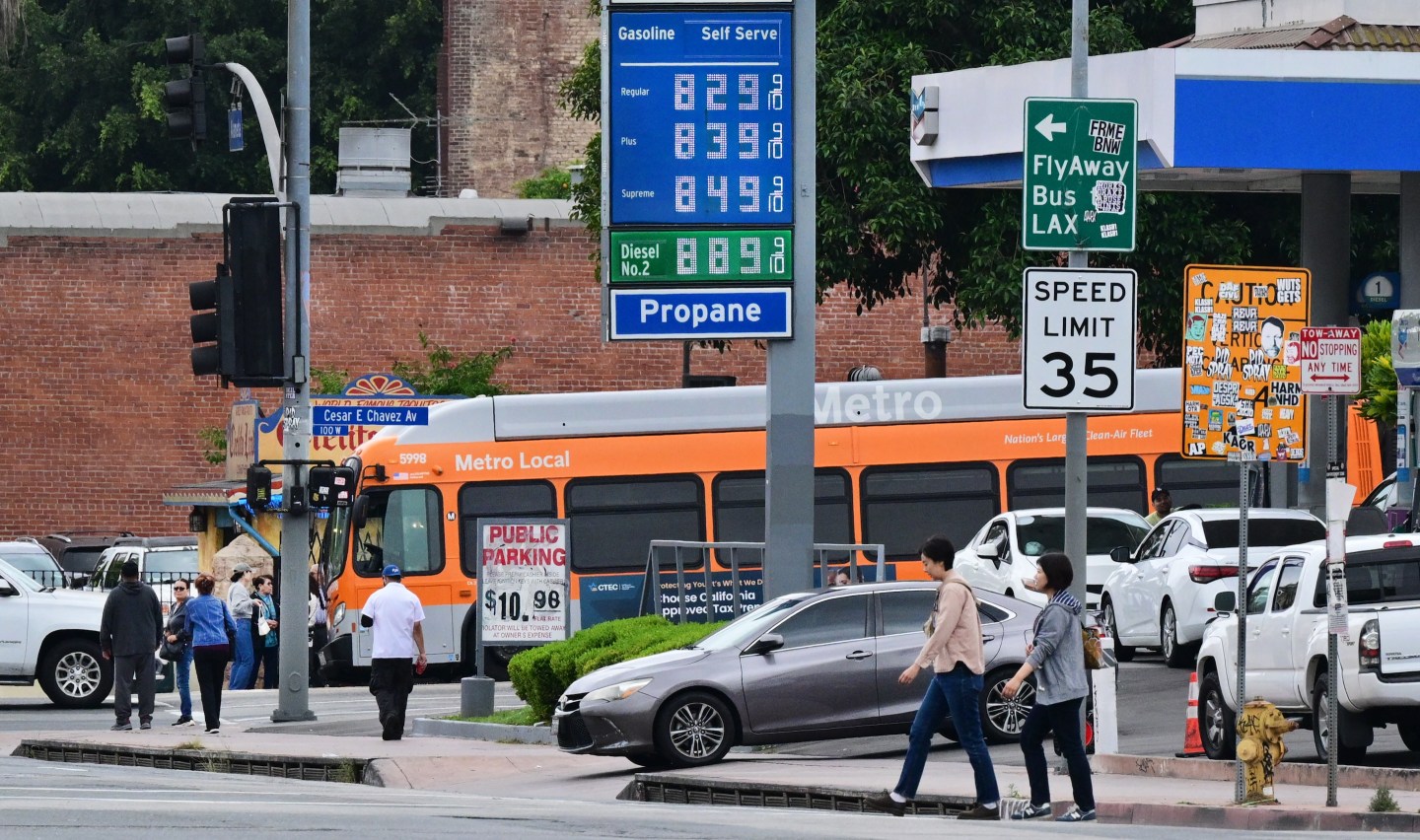
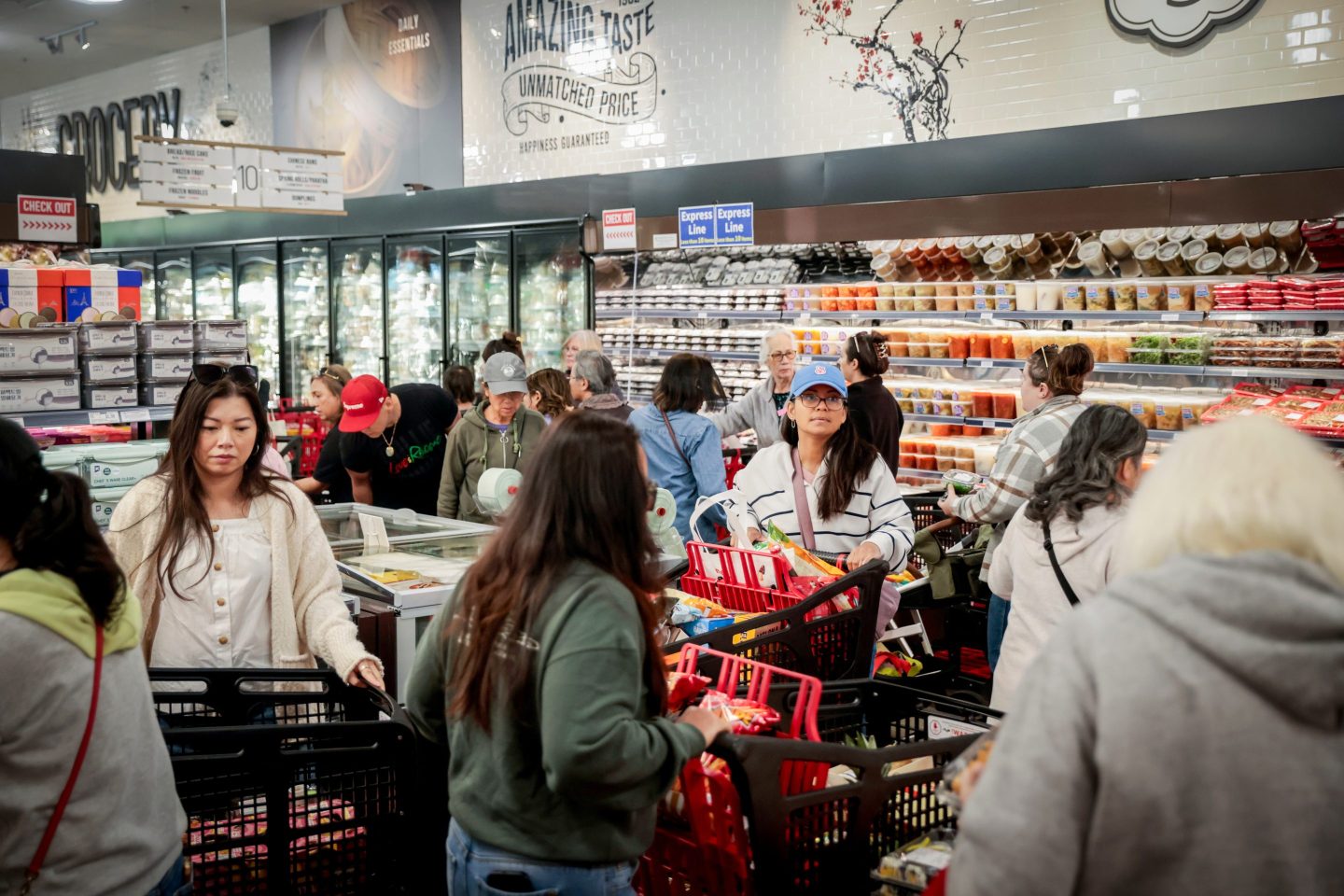
Overall, “consumers’ write-in responses on factors affecting the economy continued to skew towards pessimism,” noted Dana M. Peterson, chief economist at the Conference Board. “Comments about prices, inflation, and the cost of goods remained at the top of consumers’ minds. Mentions of trade and politics also increased in February. Labor market mentions eased a bit in February, while observations about immigration increased somewhat.”
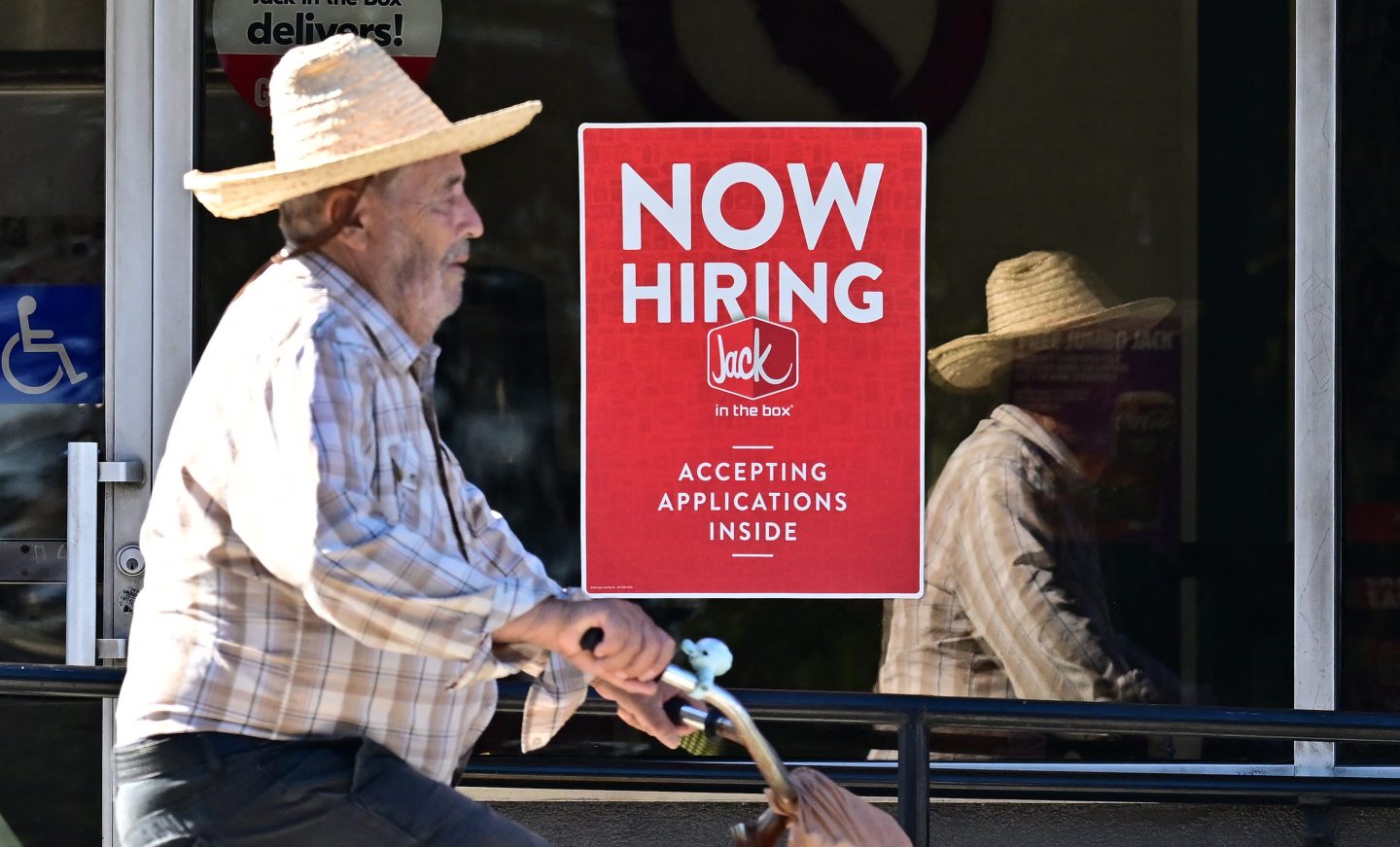
Gen Z’s youthful exuberance when it comes to the economic outlook is at odds with the data many economists are seeing. ADP reported that in January private payrolls in the U.S. added only 22,000 jobs—a relatively small number that is nonetheless managing to hold the unemployment rate steady. Last year, private employers added 398,000 jobs, down from 771,000 in 2024, according to ADP chief economist Nela Richardson.
The market is especially tough for younger market entrants, she previously told Fortune: “If you think of a recent college graduate compared to maybe their older brother or sister, it’s not the same jobs market. If you were looking for a job in 2023, and you were a young person, you could probably name your price: You could work from home, you could work remotely, there were a lot of different benefits.”
But green shoots are beginning to appear (albeit very, very slowly). The Bureau of Labor Statistics’ latest employment update showed the unemployment rate among 16- to 19-year-olds is slowly decreasing. In November and December of 2025, the unemployment rate among the age cohort stood at 16.3% and 15.7%, respectively. By January 2026, that had declined to 13.6%.
Those ages 20 to 24 are faring better: Their unemployment rate in November and December last year sat at 8.3% and 8.2%—by January that had fallen to 7.1%.
Spending plans
Despite confidence remaining relatively subdued, some of the biggest concerns among consumers are beginning to ease.
A measure not included in the Consumer Confidence Index is recession odds. Indeed, the share of consumers who said a U.S. recession over the next 12 months is “very likely” fell, and those saying it would be unlikely rose. Likewise, the percentage of people who believe the U.S. is already in a recession dipped. The Conference Board did not provide the data to illustrate how much the responses had shifted.
Consumers are also feeling happier about forking out for more expensive items. When asked about big-ticket spending over the next six months, consumers in February were more comfortable planning their spending than in December. Their main area of focus was dining out, as well as hotel stays and personal travel. Utilities, pet care, and motor vehicle service payment expectations also increased.