Google provided a major breakthrough in the investigation into the disappearance of Nancy Guthrie when it surfaced video of an apparent intruder entering her home.
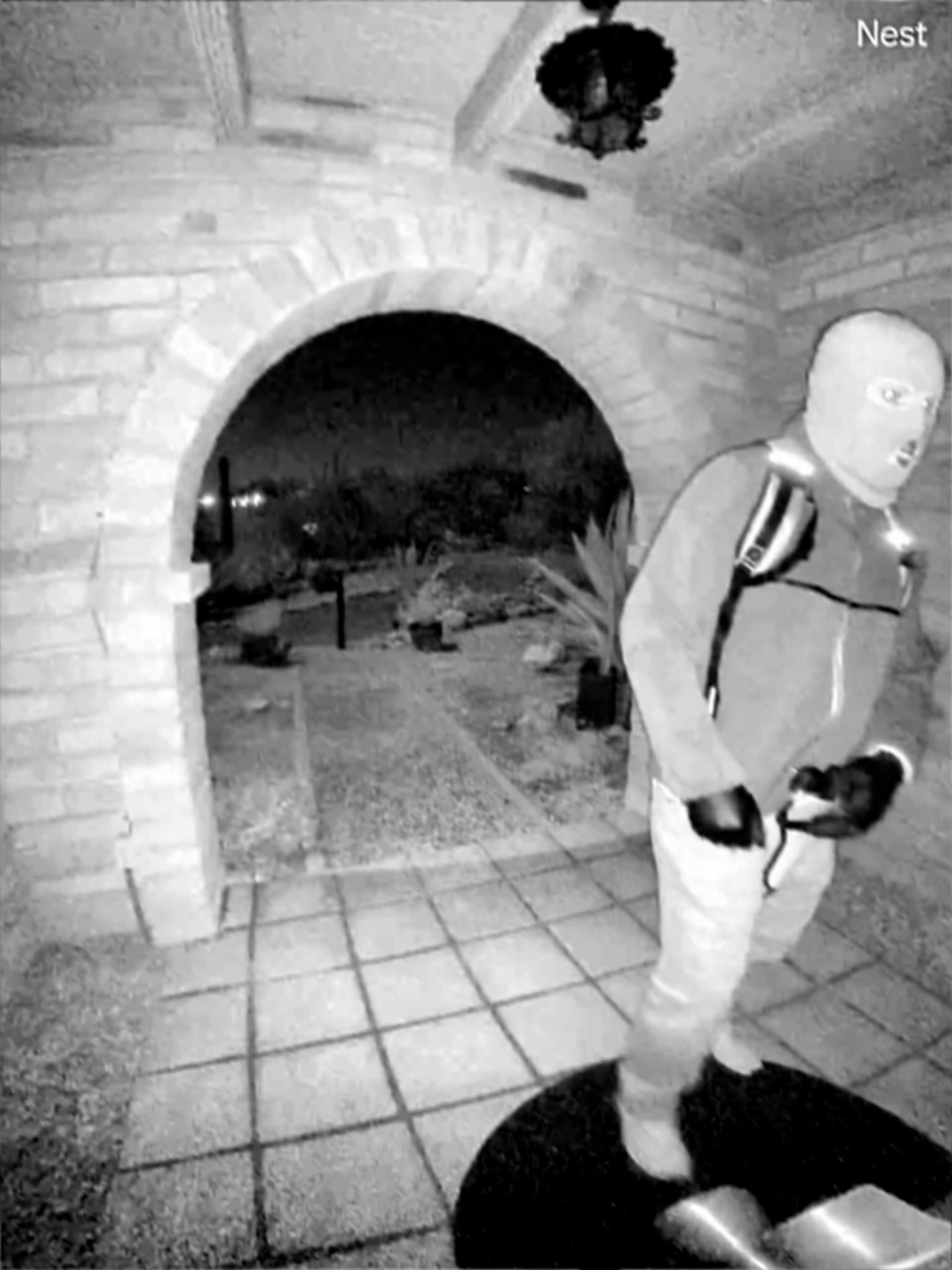
The 84-year-old mother of Today Show host Savannah Guthrie has been missing since February 1st. The Nest camera at her front door was removed, and because investigators said she didn’t pay for a premium subscription, the footage was presumed lost. But yesterday, the FBI finally shared footage of a masked and armed person of interest entering her home on the night she disappeared.
Brian Stelter, chief media analyst at CNN, reported that Google’s technical expertise provided a break that could help investigators solve the case.
“Google, which owns Nest, was able to recover data from the Nest-made doorbell camera at Guthrie’s front door,” Stelter wrote on X. “The recovery process took several days and was so technically complex that investigators didn’t know whether it would be successful,” he added, citing sources in law enforcement.
But the footage also raises some uncomfortable questions around digital privacy and surveillance.
“Fortunate for this case but don’t know how I feel about them recording everything- I just don’t have access unless I pay,” one X user said in reaction to Stelter’s post.
“CNN is promoting Big Tech’s surveillance state today instead of framing this as a massive privacy invasion,” wrote another.
Google did not immediately respond to Fortune‘s request for comment.
Nest, subscriptions, and privacy
The video released by investigators shows a Nest logo. That’s Google’s $150 home camera device. A customer who doesn’t pay for a subscription can see real-time footage and alerts to movement at their doorstep. Paying a premium subscription of $10 to $20 a month means videos can be stored and accessed later.
An internet-enabled Nest doorbell, which sells for about $150, can record video and alert homeowners to sounds and movements on their doorsteps. Owners can pay a monthly subscription to get premium features, like long-term video history. However, The New York Times reported comments by Chris Nanos, Pima County Sheriff, that Ms. Guthrie did not pay for a subscription that would have stored the video, suggesting that she may have been able to only access real-time video, whereas historical footage would likely be stored on a server somewhere in a Google vast data centers.
Ring, the doorbell camera company owned by Amazon, has built an evolving system that lets police see posts in its Neighbors app and request user video footage. By 2023, more than 2,600 police departments had some kind of formal partnership with Ring.
This has drawn sustained criticism from civil-liberties and tech-advocacy groups as a form of warrantless, networked surveillance that can fuel over‑policing and bias. Some groups recommend that, if people insist on using a doorbell camera, they disable law‑enforcement integration features and avoid cloud storage where possible to reduce the risk of secondary use or compelled disclosure.
In a 2024 blog post, Ring said it would sunset a tool that allowed law enforcement to request door camera footage. It reversed its 2025 decision, announcing a partnership with Axon, a law-enforcement tech company. Under the new setup, police will be able to ask Ring owners for relevant clips through Axon’s digital evidence system, and Ring is exploring an opt‑in feature that could let users livestream camera footage directly to law enforcement. Ring’s returning founder Jamie Siminoff frames this as strengthening ties between “neighbors” and public‑safety agencies.
The Nancy Guthrie case highlights mounting unease over how much control Nest‑ and Ring‑style devices give both tech companies and law enforcement over intimate footage from people’s homes. Connected doorbells may help solve serious crimes, but they also create always‑on, cloud‑stored records of home life that are governed by opaque retention policies, loophole‑filled data‑sharing rules, and public attitudes that may be “too comfortable” with pervasive surveillance seeping from public streets into private homes.