
Tech leaders like Google DeepMind’s Demis Hassabis and Tesla CEO Elon Musk have described AI as a win-win for society; they make ambitious promises that the advanced tech will allow us to turbocharge the labor force, cure cancers, and create new “super well-paid, super interesting jobs” that didn’t exist before.
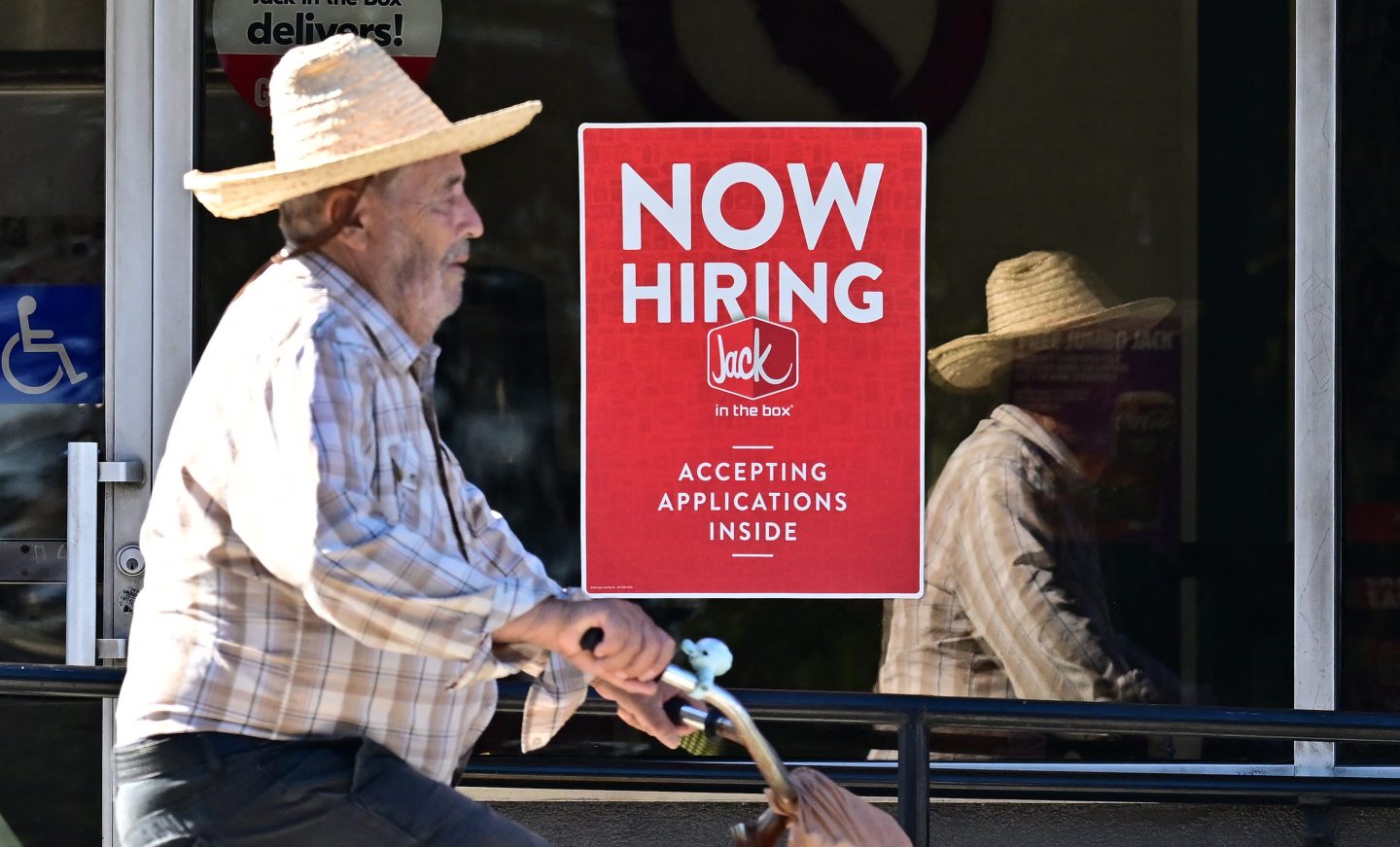
But instead of feeling empowered, many workers fear their jobs are at risk of being automated—and the flood of layoffs in 2025 confirmed their suspicions.
A staggering 1.2 million job cuts were announced last year, up 58% from the roughly 760,000 layoffs in 2024, according to a recent report from employment consultancy Challenger, Gray & Christmas.
In fact, 2025 had the highest level of workforce reductions since 2020, and was neck-and-neck with the 2008 financial crisis, when 1.22 million roles were slashed.
The biggest victims of last year’s headcount reduction bloodbath were federal workers. Extreme cost-cutting efforts from Elon Musk’s DOGE crippled entire agencies, including USAID, the Department of Education, and the Department of Health and Human Services. In total, about 308,000 government jobs were cut last year.
However, the tech industry took the heaviest blow in the private sector. Last year, tech announced that about 154,000 roles would be slashed, a 15% increase from nearly 134,000 job cuts in 2024. The culprit? Rapid AI implementation—and the industry self-correcting from pandemic-era overhiring. In 2025, AI was responsible for 54,836 layoff plans overall; since 2023, the tech has been connected to 71,825 job cut announcements.
“Technology has been pivoting to both developing and implementing artificial intelligence much more quickly than any other industry,” the report noted. “This coupled with over-hiring over the last decade created a wave of job loss in the industry.”
Tech companies are shedding staffers—especially Gen Zers
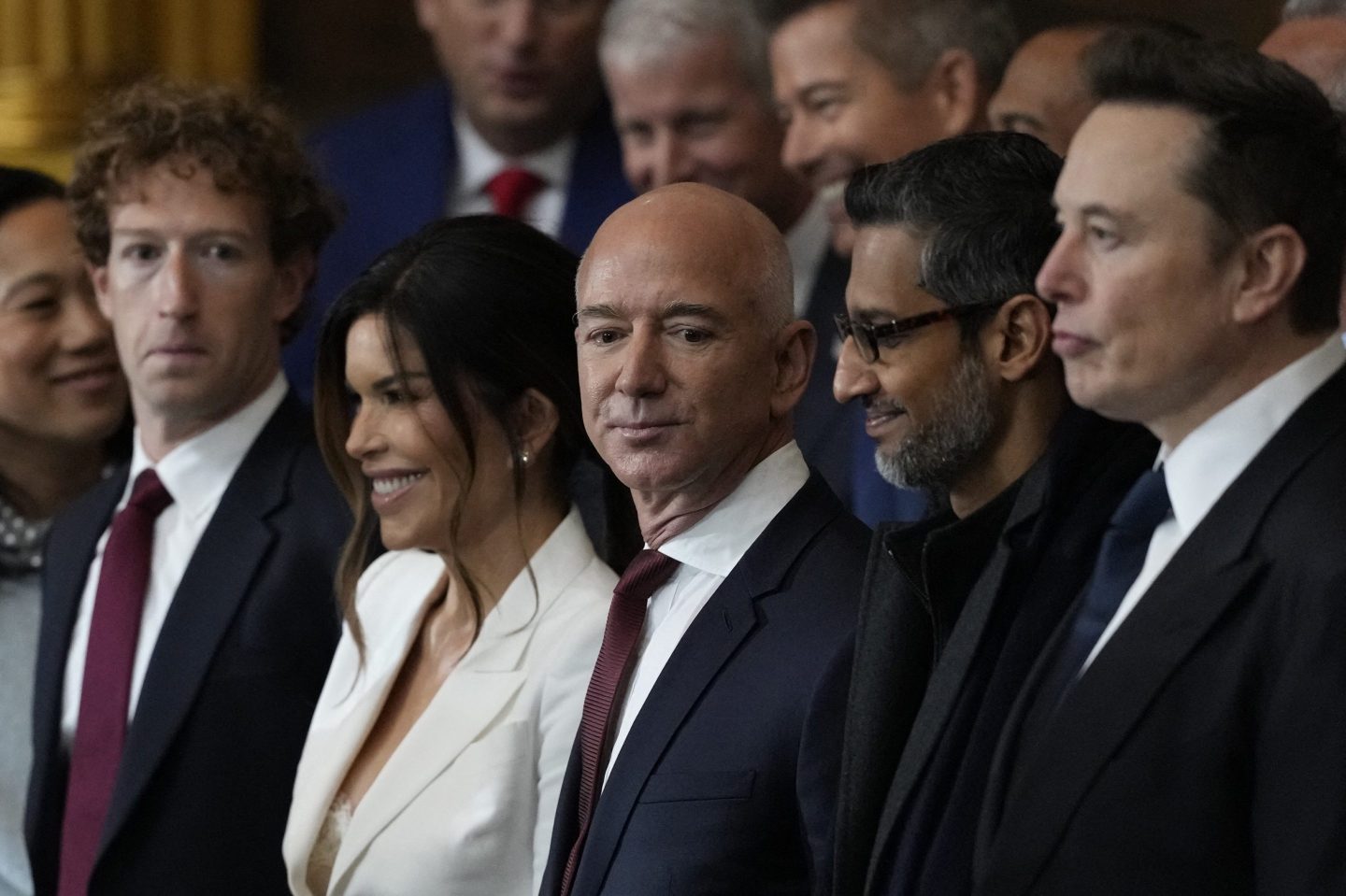
In a time where the tech industry is growing fast and companies are vying to win the AI race, it might sound counterintuitive for trillion-dollar innovators to be offloading their talent. But CEOs have been open about how AI tools are taking over human skills, and they’re gearing up for more workforce changes.
Microsoft let go of 6,000 employees last May, dishing out another round of 9,000 cuts in July. Meanwhile, its CEO Satya Nadella announced AI now writes 20% to 30% of the company’s code; technology that has proven to be so powerful, that the business is funding a $80 billion AI infrastructure drive. At the start of this past year, Meta also announced a 5% workforce reduction—impacting around 3,600 staffers—in an attempt to “move out low-performers faster,” CEO Mark Zuckerberg said.
This came as the tech billionaire admitted AI was on the precipice of “effectively be a sort of mid-level engineer.” Amazon chief executive Andy Jassy also admitted in a memo sent out to staffers last year that the business “will need fewer people doing some of the jobs that are being done today.” Just a few months later, Reuters reported that Amazon plans to cut as many as 30,000 roles.
While tech layoffs are nothing new, entry-level staffers—who are already facing challenges getting their careers off the ground—will likely feel the sting of AI-related workforce changes more than others. The percentage of employees between the ages of 21 and 25 has been cut in half at technology companies over the past two years, according to 2025 data from compensation management software business Pave. These Gen Z workers accounted for 15% of the workforce at large public tech firms in January 2023; but by August 2025, they only represented 6.8%. The situation isn’t pretty at big private tech companies, either—during that same time period, the proportion of early-career Gen Z employees dwindled from 9.3% to 6.8%.
“If you’re 35 or 40 years old, you’re pretty established in your career, you have skills that you know cannot yet be disrupted by AI,” Matt Schulman, founder and CEO of Pave, told Fortune last year. “There’s still a lot of human judgment when you’re operating at the more senior level…If you’re a 22-year-old that used to be an Excel junkie or something, then that can be disrupted. So it’s almost a tale of two cities.”