After nearly a year of promises that tariffs would boost the U.S. economy while other countries footed the bill, a new study shows almost all of the tariff burden is falling on American consumers.
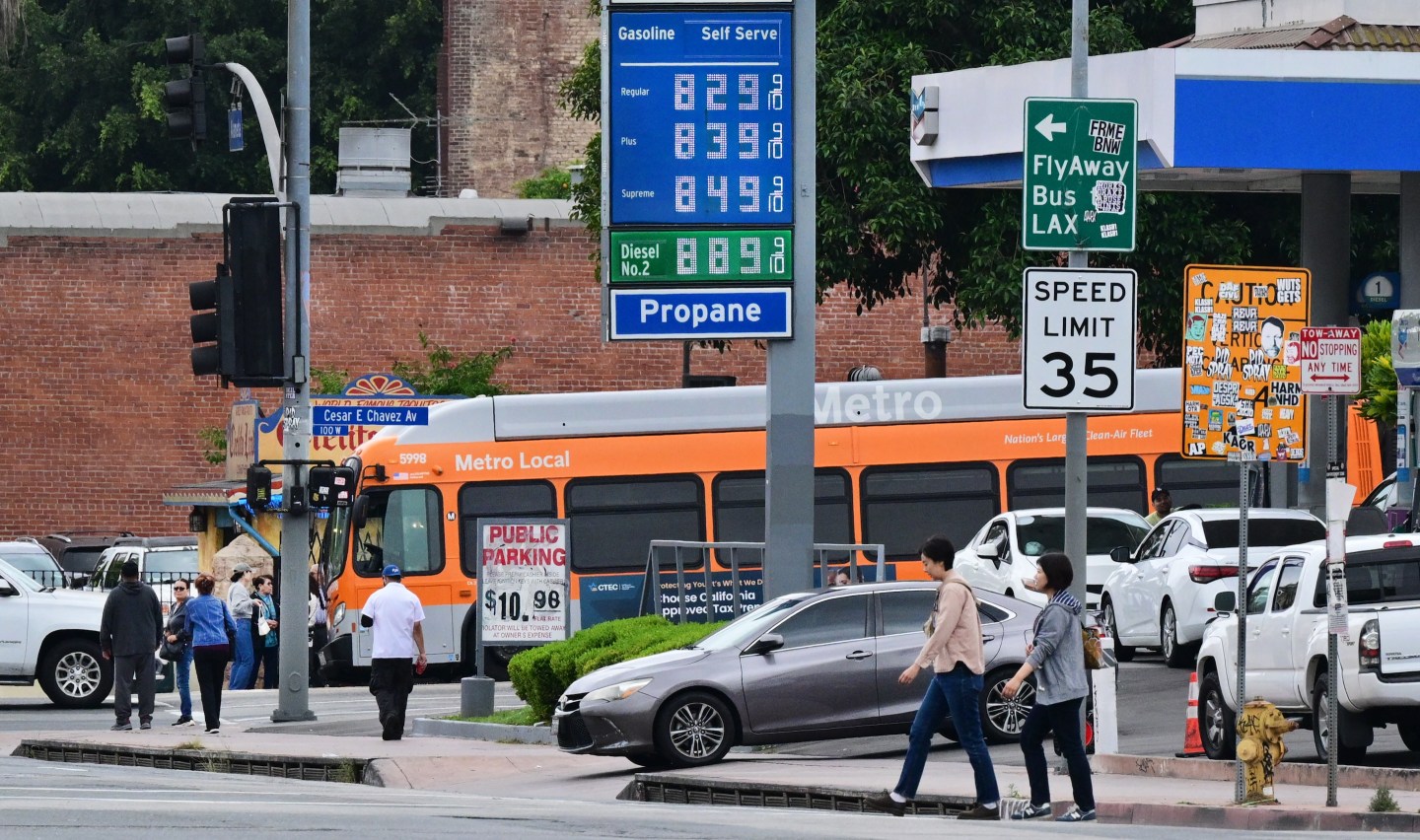
Americans are paying 96% of the cost of tariffs as prices for goods rise, according to research published Monday by the Kiel Institute for the World Economy, a German think tank.
In April 2025 when President Donald Trump announced his “Liberation Day” tariffs, he claimed: “For decades, our country has been looted, pillaged, raped, and plundered by nations near and far, both friend and foe alike.” But the report suggests tariffs have actually cost Americans more money.
Trump has long used tariffs as leverage in non-trade political disputes. Over the weekend, Trump renewed his trade war in Europe after Denmark, Norway, Sweden, France, Germany, the United Kingdom, the Netherlands, and Finland sent troops for training exercises in Greenland. The countries will be hit with a 10% tariff starting on Feb. 1 that is set to rise to 25% on June 1, if a deal for the U.S. to buy Greenland is not reached.
On Monday, Trump threatened a 200% tariff on French wine, after French President Emmanuel Macron refused to join Trump’s “Board of Peace” for Gaza, which has a $1 billion buy-in for permanent membership.
“The claim that foreign countries pay these tariffs is a myth,” wrote Julian Hinz, research director at the Kiel Institute and an author of the study. “The data show the opposite: Americans are footing the bill.”
The research shows export prices stayed the same, but the volume has collapsed. After imposing a 50% tariff on India in August, exports to the U.S. dropped 18% to 24%, compared with the European Union, Canada, and Australia. Exporters are redirecting sales to other markets so they don’t need to cut sales or prices, according to the study.
“There is no such thing as foreigners transferring wealth to the U.S. in the form of tariffs,” Hinz told the Wall Street Journal.
For the study, Hinz and his team analyzed more than 25 million shipment records between January 2024 through November 2025 that were worth nearly $4 trillion. They found that exporters absorbed just 4% of the tariff burden and that American importers are largely passing on the costs to consumers.
Tariffs have increased customs revenue by $200 billion, but nearly all of that comes from American consumers. The study’s authors likened this to a consumption tax as wealth transfers from consumers and businesses to the U.S. Treasury.
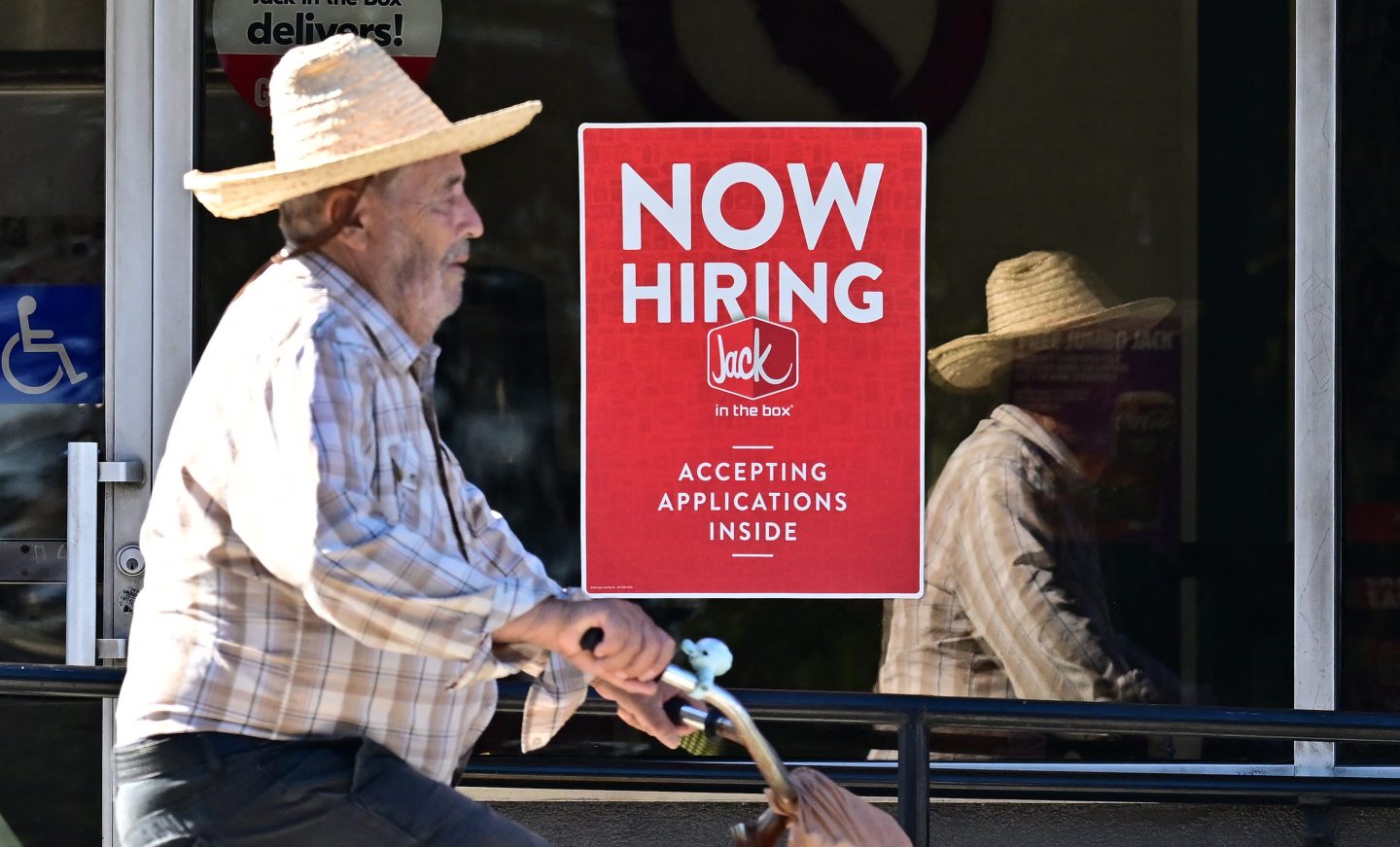
Trump has also repeatedly claimed tariffs would boost American manufacturing, but the economy has shown declines in manufacturing jobs every month since April 2025, losing 60,000 manufacturing jobs between Liberation Day and November.
The Supreme Court was expected to rule as soon as today on whether Trump’s use of emergency powers to levy tariffs under the International Emergency Economic Powers Act was legal. The court initially announced they planned to rule last week and gave no explanation for the delay.
Although justices appeared skeptical of the administration’s authority during oral arguments in November, economists predict the Trump administration will find alternative ways to keep the tariffs.