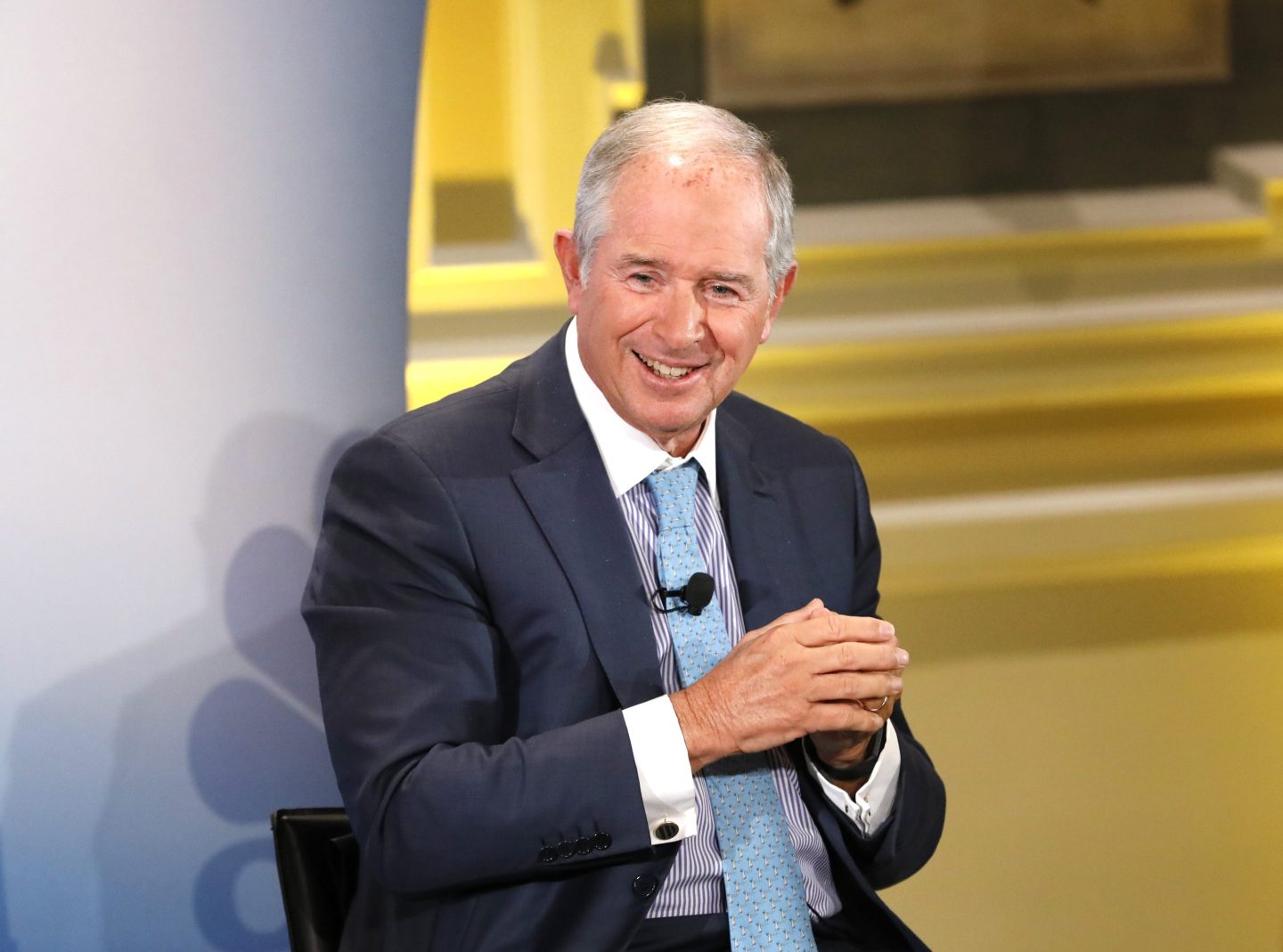
When Lloyd Blankfein was CEO of Goldman Sachs, thousands of newly minted graduates from top universities joined the ranks of the investment banking giant.
But despite being a Harvard alum himself, he wasn’t a snob about where someone went to school and recognized that superior talent can come from outside the Ivy League.
In an interview on the Big Shot podcast two weeks ago, Blankfein pointed out that his colleague Gary Cohn, Goldman’s former president and chief operating officer, attended American University, and current CEO David Solomon went to Hamilton College.
To be sure, the overall population of grads from elite schools should exceed their peers elsewhere, Blankfein conceded.
“The average is going to be higher at these great schools, which are very, very hard to get into and have very high thresholds,” he said. “And the average person may be higher, and certainly the bottom quartile is going to be a lot higher.”
But when assessing the cream of the crop, that advantage disappears, Blankfein added. That’s because a large public university has a much bigger student population.
So surviving such a gauntlet to emerge at the head of the class means more than being the best in a significantly smaller pool.
“If you’re going to look at the tippy, tippy top of Harvard or the tippy, tippy top of the University of Minnesota—where you’re the top of 50,000 as opposed to the top of 1,600—and you’ve gone through that,” he said, “I would say that having gone through that they’re at least as good, maybe better.”
In fact, developing that edge actually begins before college even starts. Students who matriculated into non-elite universities have been “swimming upstream against a much bigger current,” Blankfein said.
But for students who went to top prep boarding schools like Choate or Andover, which send many grads to the Ivy League, “the current’s going with you.”
The comments come as Americans reconsider the value of a college degree as AI shrinks demand for entry-level workers in professional careers. By contrast, interest in skilled trades is booming as those jobs have been less affected by AI and don’t require taking out tens of thousands of dollars, or more, in student loans.
In addition, college students are increasingly using AI to do coursework, which is often graded by professors using AI. The academic rigor of higher education is also in doubt, with Harvard admitting that rampant grade inflation has resulted in about 60% of the marks that are handed out being A’s, up from 40% a decade ago and less than a quarter 20 years ago.
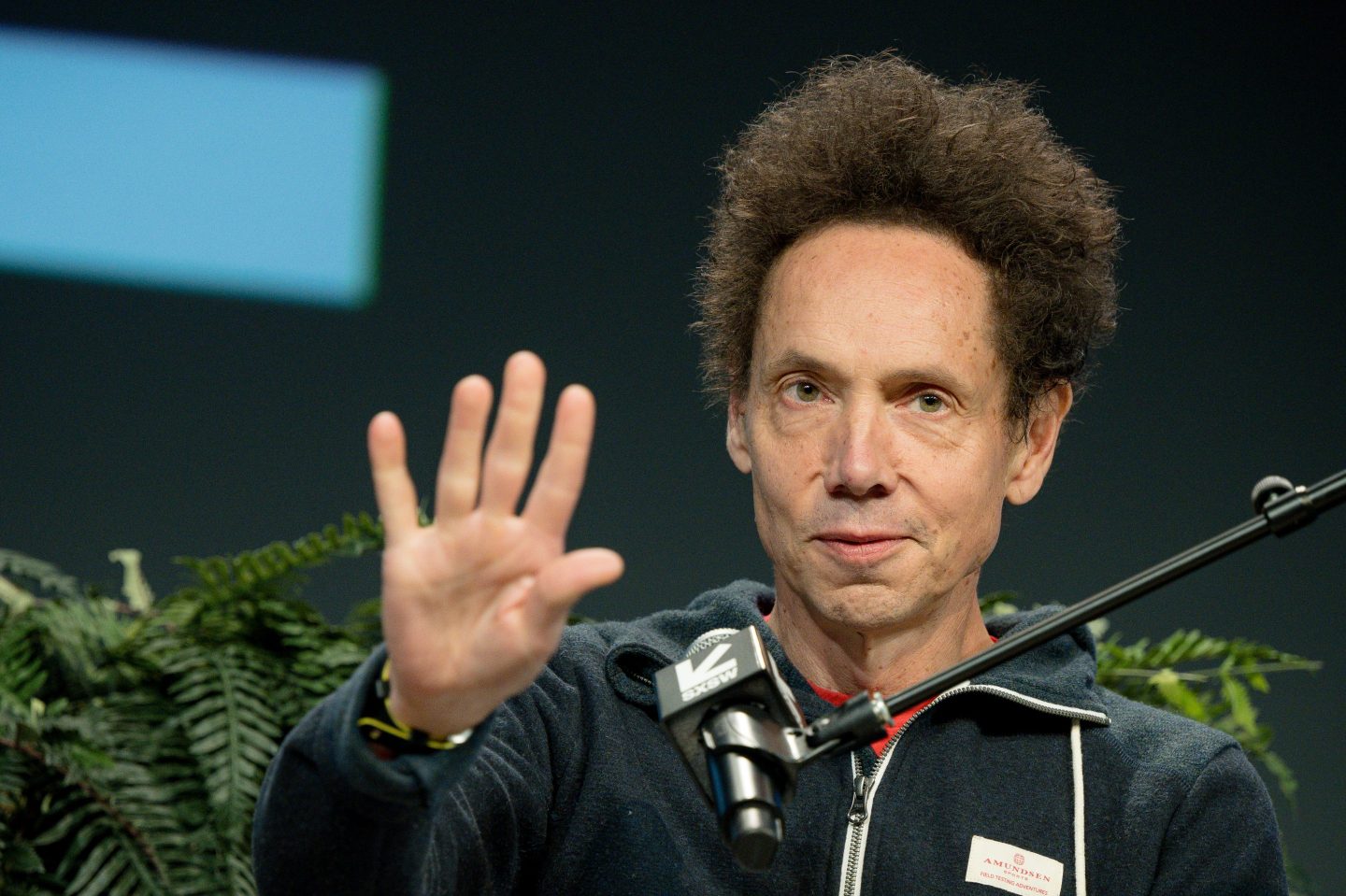
Meanwhile, author Malcolm Gladwell recently urged prospective college students to pick their second or third choice school, where they have a shot at being at the top of their class.
“If you’re interested in succeeding in an educational institution, you never want to be in the bottom half of your class. It’s too hard,” he said in an episode of the Hasan Minhaj Doesn’t Know podcast. “So you should go to Harvard if you think you can be in the top quarter of your class at Harvard. That’s fine. But don’t go there if you’re going to be at the bottom of class. Doing STEM? You’re just gonna drop out.”
But the proliferation of AI-generated résumés has made many applications appear identical, causing some recruiters to fall back on university prestige to distinguish candidates.
A 2025 survey of over 150 companies found that 26% were recruiting from a narrow range of schools, up from 17% that were doing the same in 2022, according to recruiting intelligence firm Veris Insights.
That means job applicants from top schools or those located near company headquarters have priority, Chelsea Schein, Veris’s vice president of research strategy, told the Wall Street Journal.
“Everyone’s not starting from the same place if some people have access to on-campus engagement and some don’t,” she said.