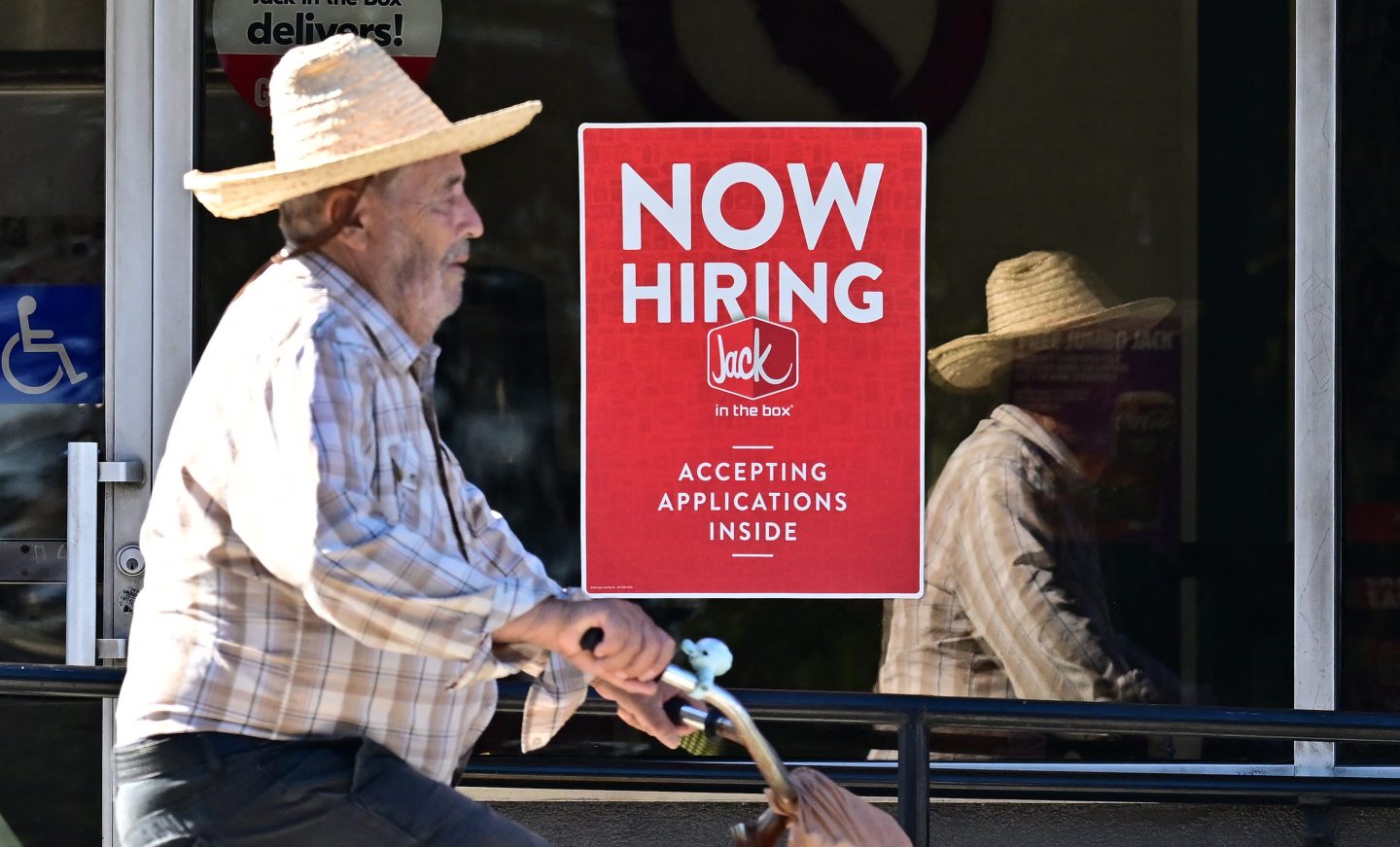

With Zohran Mamdani due to be sworn in as New York City Mayor (and in a beautiful, abandoned subway station), the year of “affordability” is being capped off fittingly. The “K-shaped economy,” with diverging prospects for the rich and poor, is the near consensus from economists. And yet, there’s an inconvenient fact: wages are going up, a lot.
Apollo chief economist Torsten Slok noted in a Tuesday blog post that wages are growing faster than inflation, a pattern that has persisted for more than a decade, usually an indication of increased spending and productivity that can buoy the economy.
“When discussing affordability, it is important to note that while the CPI price level has increased 26% since 2019, wages have increased 30%,” he said, citing data from the U.S. Bureau of Labor Statistics.
Similar to Slok, Jason Furman, Harvard Kennedy School of Government professor and former chair of the Council of Economic Advisers under Obama, told CNBC’s “Squawk Box” last week that strong wage growth bucks the trend of economic doom. He went so far as to say that consistently rising incomes weakens the argument that there’s a lopsided, K-shaped economy of the rich getting richer while the poor get poorer.
“I’m less convinced about this K-shaped recovery than other people are,” Furman said. “Everyone wants prices to be 25% lower. Nobody wants their wages to be 25% lower.”
He added that gas prices are the cheapest they’ve been all year, which usually reflects well on the presidential administration, but Americans seem to disagree. In fact, they are feeling increasingly dour about their financial future, and consumer confidence has plummeted to its lowest level since April, even as GDP growth, which reached a lofty 4.3% last quarter, indicates an economic boom.
But take a closer look, and the reasons that many Americans aren’t convinced become clearer.
Making sense of wage growth and affordability panic
Greater inspection of wage growth in the U.S. may reconcile why concerns over affordability have persisted in the face of objectively good economic news. Data from the Federal Reserve Bank of Atlanta indicates that while the quartile of highest-income Americans have seen their wage growth diminish slightly from 5.5% in 2023 to 4.5% now, those in the lowest-income quartile have seen wage growth shrink from a high of 7.5% in 2022 to about 3.5% today, the lowest in about a decade. The inflation rate, as of November, is about 2.7%.
A July report from the Indeed Hiring Lab found wage growth sitting above inflation has increased purchasing power from some, but not all, Americans. In 2021’s job market rebound, wage growth surged for lower-paying roles like food service and childcare workers, according to the report. But today, higher wage growth is correlated with higher-paying jobs, meaning that purchasing power increased for 57% of Americans in the last year, most of them higher-earners. It’s a return to the 2021-era job boom, but a worrying sign for lower-wage employees.
“While this return to pre-pandemic levels is an encouraging sign for many American workers and their paychecks, it is sobering for the 43% of workers who aren’t keeping up,” Indeed Hiring Lab economist Cory Stahle wrote in the report. “The generally rising tide of healthy wage growth is lifting most boats—but not all of them.”
Strong consumer spending patterns reflect this trend, according to a Bank of America report from Dec. 22. Disparities in wage growth have correlated with household spending growth, with spending in the top third of income-earnings increasing 4% year-over-year in November, and spending from the bottom third increasing less than 1% in the same period, the bank noted.
Rather than wage growth and consumer spending contradicting the K-shaped economy, as Furman noted the data initially suggests, it may actually be a sign the two-tiered environment is here to stay.
“From a macroeconomic perspective, higher- and middle-income households’ consumer spending accounts for the bulk of overall US consumption, so the economy can continue to grow as a ‘K’ for some time,” BofA analysts wrote.