
• Home
  • Latest
  • Fortune 500
  • Finance
  • Tech
  • Leadership
  • Lifestyle
  • Rankings
  • Multimedia

Trendingnow

1

‘Take time in quiet’: Melinda French Gates says to spend at least 10 minutes a day on self-care

2

Harry and Meghan's homecoming comes with a multimillion-dollar tax catch—waiting four years could have shielded their $60 million fortune

3

Current price of oil as of August 21, 2026

1

‘Take time in quiet’: Melinda French Gates says to spend at least 10 minutes a day on self-care

2

Harry and Meghan's homecoming comes with a multimillion-dollar tax catch—waiting four years could have shielded their $60 million fortune

3

Current price of oil as of August 21, 2026
Economyunemployment

Sneaking unemployment rate means the U.S. economy is inching closer to a key recession indicator, says Moody’s

Eleanor Pringle
By
Eleanor Pringle
Eleanor Pringle
Senior Reporter, Economics and Markets
Down Arrow Button Icon
Eleanor Pringle
By
Eleanor Pringle
Eleanor Pringle
Senior Reporter, Economics and Markets
Down Arrow Button Icon
December 19, 2025, 6:36 AM ET
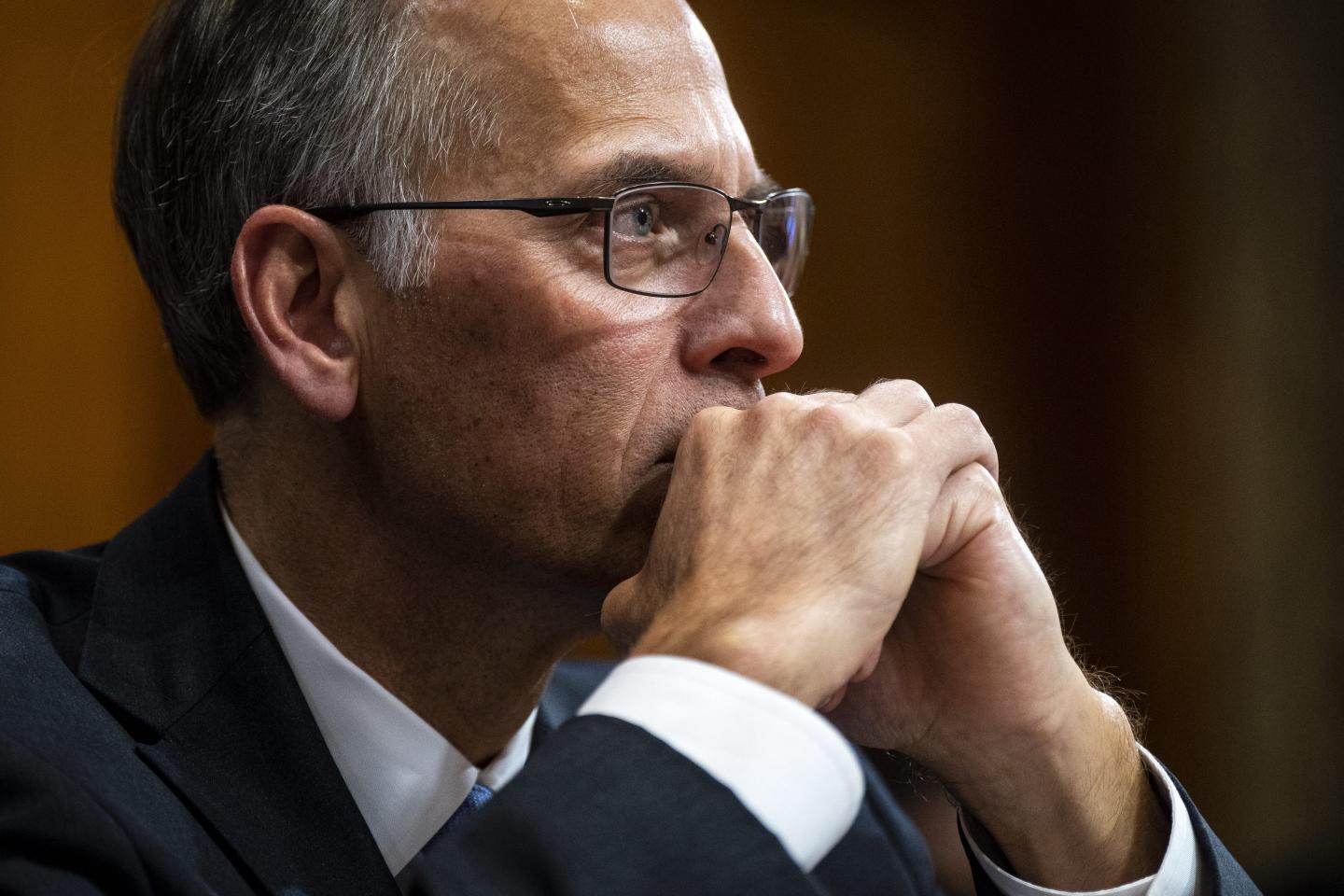
Mark Zandi, chief economist at Moodys Analytics, during a Senate Budget Committee hearing in Washington, DC, US, on Thursday, May 4, 2023.
Mark Zandi, chief economist at Moody’s Analytics, in May 2023. Al Drago—Bloomberg/Getty Images
Add Fortune on Google for similar content.

While America’s labor market may not be collapsing, Moody’s Analytics has highlighted that it is inching steadily closer toward a key recession indicator, with analysts now placing the probability of an economic contraction at around 40%.

According to the Bureau of Labor Statistics (BLS), the unemployment rate for November edged up to 4.6%, continuing the creep higher that analysts have been nervously monitoring throughout the year. The BLS noted a meagre 64,000 roles were created last month, showing little net change from April this year.

While 4.6% is not a dire figure—around 4% is seen as a reasonable rate of unemployment in a relatively stable economy—it is markedly higher than last November, when it was 4.2%. But it’s not necessarily the rate of unemployment that is making economists nervous. Rather, it’s the broader trend of decline and what this demonstrates about the trajectory of the economy.

Recommended Video

In the most recent episode of Moody’s podcast Inside Economics, its chief economist, Mark Zandi, and senior director of economic research Dante DeAntonio observed that America is close to triggering the Sahm Rule.

The Sahm Rule, invented by former Fed economist Claudia Sahm, is a recession signal that is activated when the three-month moving average of the national unemployment rate rises by 0.5 percentage points or more, relative to the minimum of the three-month averages from the previous 12 months. In November, it stood at 0.43.

“We didn’t quite trigger it this month, but we’re sort of on the precipice,“ DeAntonio said. “If it stays at 4.6% next month we’ll trigger the Sahm Rule again. It’ll be exactly at the threshold, just like we were in the middle of 2024.”

While the Sahm Rule is fairly accurate, the U.S. economy did not in fact fall into recession last year—thanks in part to the Fed engineering a “soft landing” via interest rate cuts. So will the same rule apply now and into 2026?

Cris deRitis, deputy chief economist at Moody’s Analytics, said he’d place a 40% likelihood on a recession occurring next year, explaining: “The trends are not our friends here.” His call is somewhat elevated from the consensus of Wall Street, which places the odds at 30% to 35%.

DeAntonio and Zandi agreed with their colleague, with the latter saying: “The thing that makes me nervous and adds to my level of angst … [is] one reason why job growth is weaker is less labor supply, because of the immigration policy. That gets you to the 50K to 75K break-even monthly job number. That by itself, if nothing else was going on, is already pretty weak, and that goes to lack of bodies and lack of people to work.” The break-even number is the monthly jobs growth figure needed to keep the unemployment rate steady.

Demand for workers is falling, and AI is a reason

If the unemployment level is relatively stable because of lack of supply, that means demand from employers is incredibly weak, Zandi said: “We could trace it back to the tariffs; we can trace it back to some of the other deglobalization efforts that the administration has engaged in, including immigration policy, because immigrants are consumers … but the other factor is AI.”

So far the impact from AI has been only “modest,” the Moody’s economist reasoned, perhaps impacting younger market entrants as opposed to the wider market. But what happens when the productivity gains from AI really become clear?

“That’s at least the betting in the stock markets. Stock investors are buying AI stocks thinking that we’re going to see big adoption rates by businesses, that it’s gonna raise productivity growth, it’s gonna raise profitability … If they’re half right or even a quarter right then we’re in a world of outright job decline, all else being equal.”

Fortune Daily breaks the traditional barrier between audience and newsroom. The show transforms Fortune’s trusted reporting into actionable, conversational, and entertaining insights for an emerging class of business leaders. Watch here.
About the Author
Eleanor Pringle
By Eleanor PringleSenior Reporter, Economics and Markets
LinkedIn icon

Eleanor Pringle is an award-winning senior reporter at Fortune covering news, the economy, and personal finance. Eleanor previously worked as a business correspondent and news editor in regional news in the U.K. She completed her journalism training with the Press Association after earning a degree from the University of East Anglia.

See full bioRight Arrow Button Icon
Add Fortune on Google for similar content.

Latest in Economy


Most Popular

Fortune Secondary Logo
Rankings
  • 100 Best Companies
  • Fortune 500
  • Global 500
  • Fortune 500 Europe
  • Most Powerful Women
  • World's Most Admired Companies
  • See All Rankings
  • Lists Calendar
Sections
  • Finance
  • Fortune Crypto
  • Features
  • Leadership
  • Health
  • Commentary
  • Success
  • Retail
  • Mpw
  • Tech
  • Lifestyle
  • CEO Initiative
  • Asia
  • Politics
  • Conferences
  • Europe
  • Newsletters
  • Personal Finance
  • Environment
  • Magazine
  • Education
Customer Support
  • Frequently Asked Questions
  • Customer Service Portal
  • Privacy Policy
  • Terms Of Use
  • Single Issues For Purchase
  • International Print
Commercial Services
  • Advertising
  • Fortune Brand Studio
  • Fortune Analytics
  • Fortune Conferences
  • Business Development
  • Group Subscriptions
About Us
  • About Us
  • Press Center
  • Work At Fortune
  • Terms And Conditions
  • Site Map
  • About Us
  • Press Center
  • Work At Fortune
  • Terms And Conditions
  • Site Map
  • Facebook icon
  • Twitter icon
  • LinkedIn icon
  • Instagram icon
  • TikTok icon
  • YouTube icon

    Latest in Economy


    Most Popular

    © 2026 Fortune Media IP Limited. All Rights Reserved. Use of this site constitutes acceptance of our Terms of Use and Privacy Policy | CA Notice at Collection and Privacy Notice | Do Not Sell/Share My Personal Information
    FORTUNE is a trademark of Fortune Media IP Limited, registered in the U.S. and other countries. FORTUNE may receive compensation for some links to products and services on this website. Offers may be subject to change without notice.