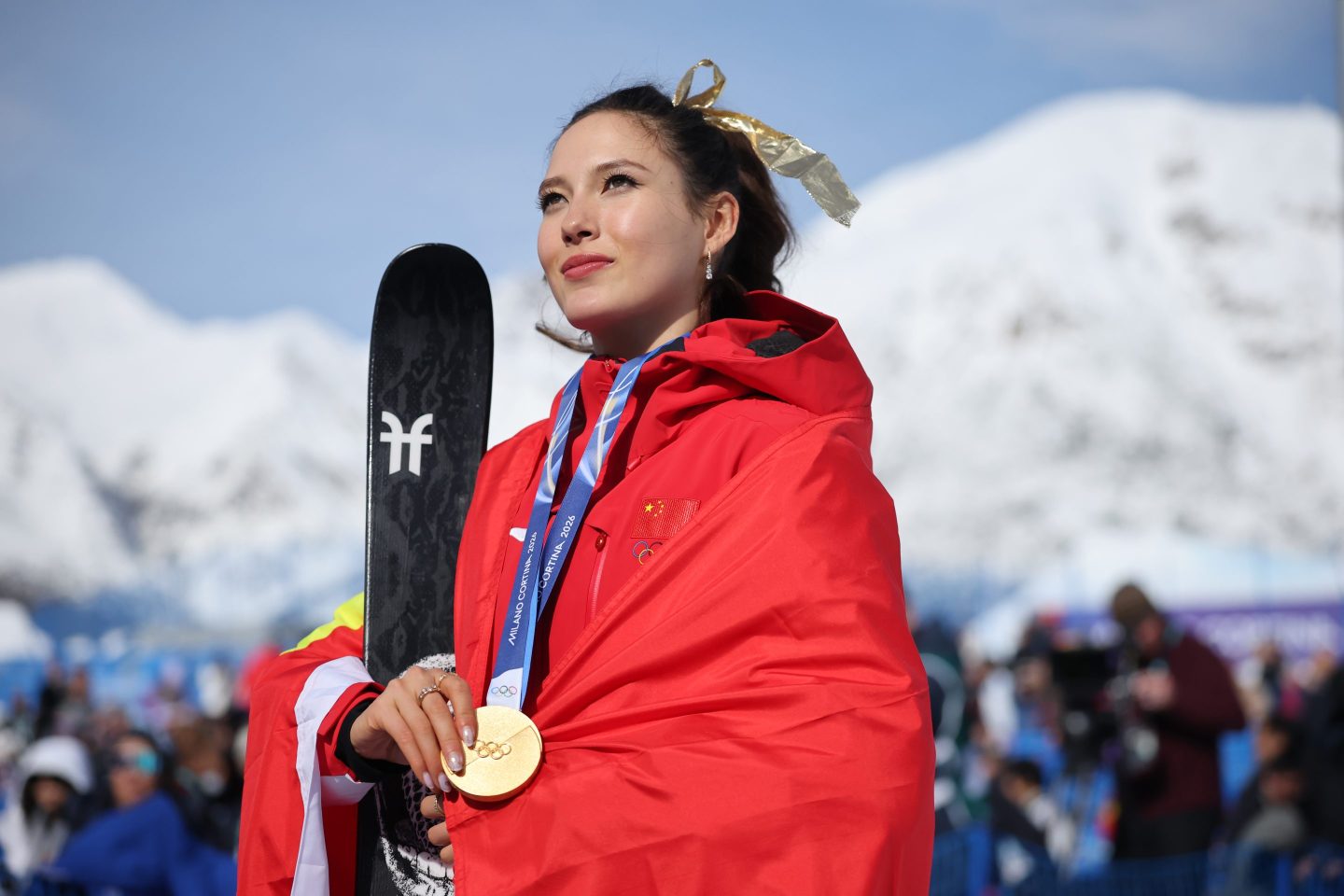
The Trump administration has instructed U.S. embassies and consulates around the world to prioritize visa applications from foreigners wishing to visit the United States to either invest in America or attend the 2026 World Cup, 2028 Olympics and other major sporting events.
At the same time, the administration has added new criteria for highly skilled foreign workers seeking a particular visa. The new rules would deny entry to those deemed to have directed or participated in the censorship of American citizens on social media through content moderation initiatives that have sprung up throughout Europe and elsewhere to combat extremist speech.
In a series of cables sent this week to all U.S. diplomatic missions that were obtained by The Associated Press, the State Department said visa applications for businesspeople considering “significant investments” in the United States should be at the top of the list for consideration along with applications from those wanting to travel “for major sporting events which showcase American excellence.”
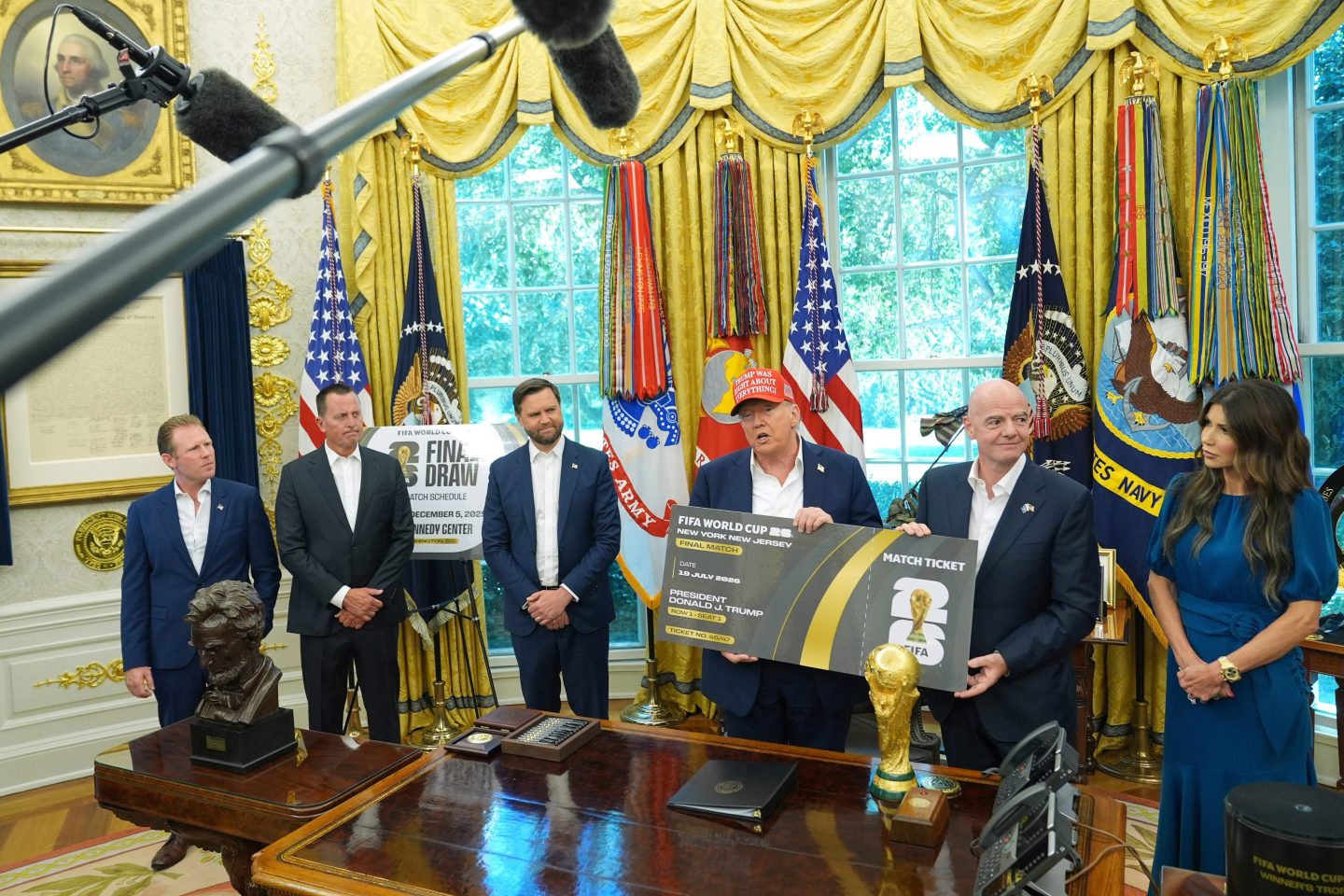
It is the latest effort by President Donald Trump’s administration to crack down on migrants and visitors entering the U.S. But with major sports events planned in the United States, the administration is looking to ensure that fans are able to attend those competitions. The policies are getting heightened attention ahead of Friday’s World Cup draw.
Focusing on foreign sports fans
As part of a broader initiative to control the entry of foreigners into the U.S., the State Department has said all those who require visas to enter the country would need to submit to an in-person interview and screening to vet them for potential national security risks.
This has led to lengthy wait times at many embassies and consulates for interviews to apply for what are known as “B1” and “B2” visas despite a surge in consular staffing.
Last month, Trump announced a new initiative, dubbed “FIFA Pass,” for foreigners traveling to the U.S. for the World Cup that will allow them to get interviews for visas more quickly. Nonetheless, he still encouraged them to apply for their visas “right away.”
Secretary of State Marco Rubio said the administration had dispatched more than 400 additional consular officers around the world to handle the demand for visas for the World Cup and that in about 80% of the globe, travelers to the U.S. can get a visa appointment within 60 days — something reflected in the cable.
The new steps in the cable this week go beyond the FIFA Pass initative to expedite applications for those looking to travel to the United States for the Olympics and other major sports events.
Posts “should ensure sufficient appointment capacity to accommodate spectators and other fans traveling for events surrounding the (World Cup) tournament,” said one of the two cables sent Tuesday. “These should take priority over all other B1/B2 applications, except those related to American re-industrialization.”
Others to be prioritized include foreign diplomats, government officials traveling on official business, temporary agricultural workers, religious workers, physicians and nurses, and students attending academic institutions with less than 15% foreign enrollment.
“Posts should ensure that applicants of higher ranked groups get priority over applicants and lower rank groups, regardless of demand by lower ranked applicants,” the cable said. “Posts may significantly reduce the number of appointment slots available to lower rank groups in order to accommodate demand from higher rank groups.”
New visa guidelines for highly skilled workers
A second cable sent Tuesday to all embassies and consulates set out new criteria for considering H-1B visa applications, instructing diplomats to “be on the lookout” for those who may have been or are “responsible for or complicit in the censorship of Americans” online and elsewhere.
Those visas allow American companies to bring in people with technical skills that are hard to find in the United States, and President Donald Trump has said he would slap a $100,000 annual fee on them.
The department said evidence of this could lead to visa denial. It defined such information as having “adopting global content moderation policies inconsistent with freedom of expression, complying with global content moderation or censorship demands from a foreign entity and providing access to private data on American citizens in connection with content moderation.”
Proof of this could be obtained from an applicant’s resume, employment history, social media profiles and posts, and public statements or writings, the cable said, adding that the State Department was developing tools to make it easier and quicker to conduct these screenings.
It noted that all visa applicants are subject to these criteria, but that H-1B applicants should be looked at most closely “as many work or have worked in the tech sector, including in social media or financial services companies involved in the suppression of protected expression.”
“You must thoroughly explore their employment histories to ensure no participation in such activities,” the cable said, adding that “if you uncover evidence and applicant was responsible for or complicit in censorship or attempted censorship of protected expression in the United States you should pursue a finding that the applicant is ineligible” for a visa.