• Home
  • News
  • Fortune 500
  • Tech
  • Finance
  • Leadership
  • Lifestyle
  • Rankings
  • Multimedia
CommentaryMarkets

Time in the market is more powerful than timing the market

By
Thasunda Brown Duckett
Down Arrow Button Icon
By
Thasunda Brown Duckett
Down Arrow Button Icon
October 22, 2025, 9:00 AM ET

Thasunda Brown Duckett is President and Chief Executive Officer of TIAA, a leading provider of secure retirements and outcome-focused investment solutions for millions of people and thousands of institutions.

Before joining TIAA in 2021, she held several key executive roles during a 17-year career at JP Morgan Chase, including CEO of the Consumer Bank and Auto Finance. Earlier in her career, she was a Director of Emerging Markets at Fannie Mae.

In addition, Duckett is an appointee to the President’s Board of Advisors on Historically Black Colleges and Universities (HBCUs), The Business Council Executive Committee and the Committee for Economic Development. She also serves on the board of Business Roundtable.

 
Thasunda
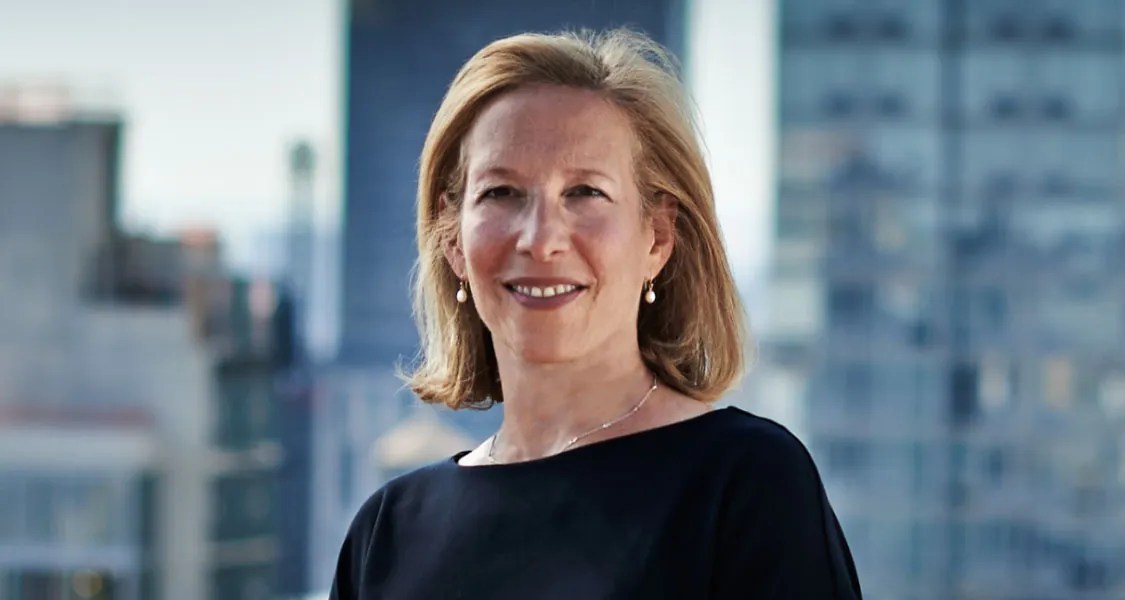
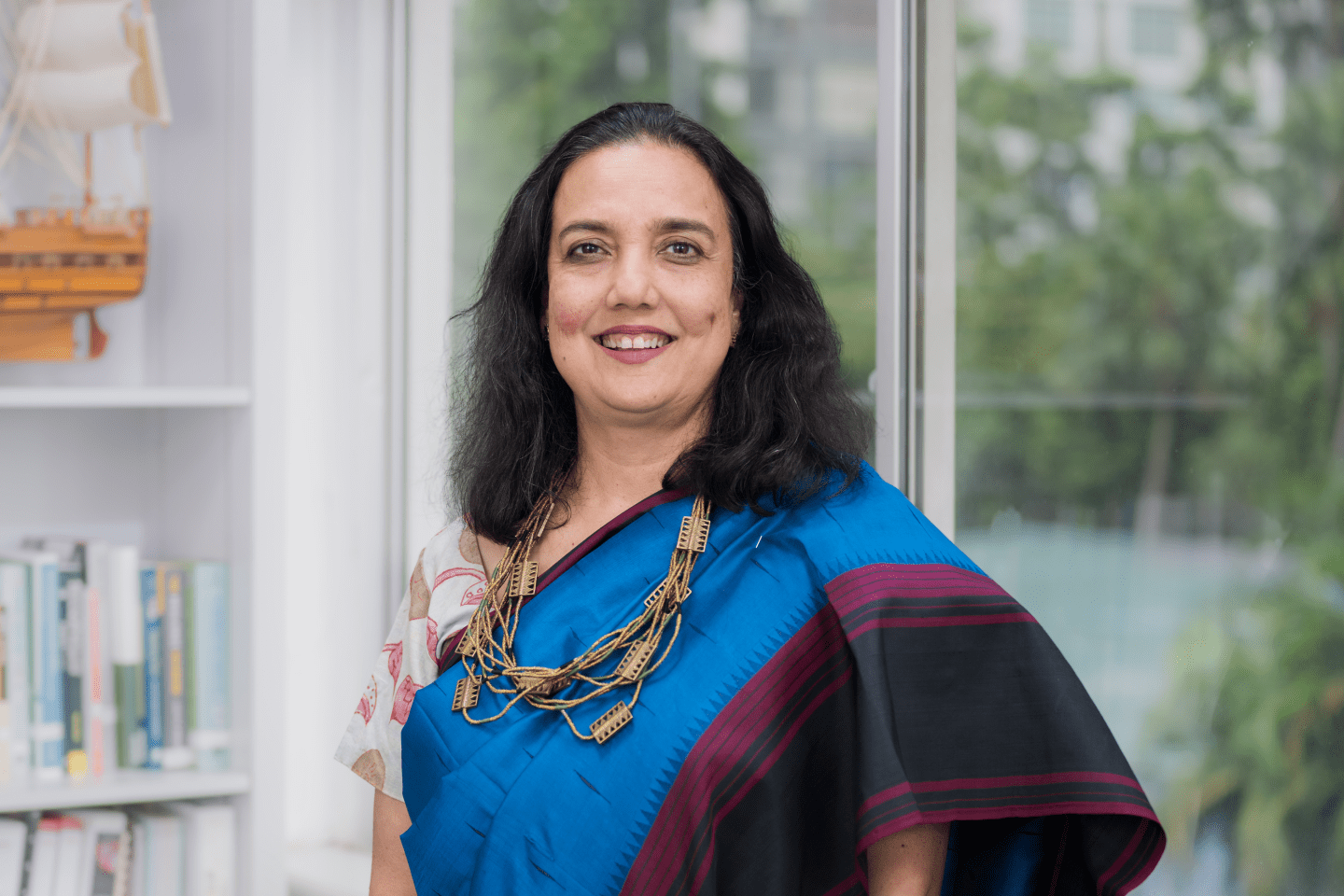
Thasunda Brown Duckett is president and CEO of TIAA.courtesy of TIAA

When market volatility shakes our confidence and headlines scream uncertainty, I remind people that the real risk isn’t the ups and downs—it’s our reaction to them. In 2025, amid escalating global trade tensions, steep tariffs, stubborn inflation and a government shutdown, we’ve witnessed wave after wave of turbulence. Yet from decades in financial services, I’ve learned a simple truth: Your biggest risk isn’t market volatility – it’s how you respond to it. Rather than be reactive and try to time the market, it’s important to stay the course. 

Recommended Video

Market cycles have always been intrinsic to investing.  Since 1928, significant market declines of at least 5% have happened in 92 out of 98 years. Yet despite these downdrafts, the S&P 500 has been positive 79% of the time over one-year periods, and that success rate increases to 100% for those who stayed invested for 11 years or more. Just consider this year: despite a sharp April selloff triggered by tariff fears, the S&P 500 has rebounded more than 30%. These aren’t just statistics—they’re powerful reminders that a long-term perspective is our most reliable guide.

I often tell people, “Don’t let today’s headlines steal your tomorrow.” In periods of uncertainty, when emotions run high, our financial focus can waver. The important thing is to stay invested and get protected. Stick to your long-term strategy and add some cushioning to help your portfolio ride out bumpy patches. Here are five ways to put that into action.

First, don’t try to time the market

Many people think they can sell at market peaks and buy at bottom levels. But even the most experienced professionals know this is a fool’s game. I remind people: “Time in the market is more powerful than timing the market.” Staying invested through every cycle allows your money the chance to grow, regardless of short-term fluctuations.

Second, add steadily to your savings and investments

Set your contributions on autopilot. Whether it’s through your workplace retirement plan or another disciplined savings strategy like an IRA, regular exposure to the market is crucial. Remember, when asset prices dip, your steady contributions buy more shares. Over time, that accumulation can significantly boost your overall returns, turning short-term uncertainty into long-term advantage.

Third, make sure your portfolio is diversified

It’s tempting—especially when you’re young or feeling behind—to chase the latest high-flying stock. Yet success over the long haul almost always comes from a balanced mix of assets. Diversification, especially into areas that aren’t perfectly correlated, stabilizes your portfolio so that not every part moves in lockstep when markets shift.

Fourth, if you’re saving for retirement, add protection to your portfolio through an insurance product like an annuity

This becomes more important the older you get. If you’re nearing retirement, you don’t want your nest egg to fall victim to a quick, sharp stock slide like we saw during the great financial crisis in 2007-2008, or at the start of the pandemic. While prices will likely recover, you may be planning to draw down your savings to pay for retirement expenses before the recovery hits full swing. Bonds are often seen as a protective investment, but bond prices can decline, too – as we saw during 2022 when the Fed raised interest rates dramatically to fight inflation. A portion of your portfolio should be dedicated to guaranteed income—like an annuity—that can provide a stable return no matter what turbulence the markets face. This isn’t just about preserving wealth; it’s about maintaining the dignity of retirement.

Fifth, consult a professional

Investing is complicated. There’s no shame in asking for help. I lead a financial services company and I still meet regularly with a personal financial advisor. Get advice – and get it from the right places. Not the latest hot stock tip you heard from the guy at work, and not the latest trend on social media. A good financial professional will get to know your goals, educate you about different asset classes and strategies, and – maybe most importantly – prevent you from making rash decisions when volatility strikes.

By staying invested and getting protected, you can manage through market turbulence with confidence. There will be plenty of days when choppy waters make you a bit queasy, but if you keep your eyes on the horizon, you’ll maintain a steady outlook.

The opinions expressed in Fortune.com commentary pieces are solely the views of their authors and do not necessarily reflect the opinions and beliefs of Fortune.
Fortune Brainstorm AI returns to San Francisco Dec. 8–9 to convene the smartest people we know—technologists, entrepreneurs, Fortune Global 500 executives, investors, policymakers, and the brilliant minds in between—to explore and interrogate the most pressing questions about AI at another pivotal moment. Register here.
About the Author
By Thasunda Brown Duckett
See full bioRight Arrow Button Icon

Latest in Commentary

Matt Rogers
CommentaryInfrastructure
I built the first iPhone with Steve Jobs. The AI industry is at risk of repeating an early smartphone mistake
By Matt RogersDecember 4, 2025
2 hours ago
Jerome Powell
CommentaryFederal Reserve
Fed officials like the mystique of being seen as financial technocrats, but it’s time to demystify the central bank
By Alexander William SalterDecember 4, 2025
2 hours ago
Rakesh Kumar
CommentarySemiconductors
China does not need Nvidia chips in the AI war — export controls only pushed it to build its own AI machine
By Rakesh KumarDecember 3, 2025
1 day ago
Rochelle Witharana is Chief Financial and Investment Officer for The California Wellness Foundation
Commentarydiversity and inclusion
Fund managers from diverse backgrounds are delivering standout returns and the smart money is slowly starting to pay attention
By Rochelle WitharanaDecember 3, 2025
1 day ago
Ayesha and Stephen Curry (L) and Arndrea Waters King and Martin Luther King III (R), who are behind Eat.Play.Learn and Realize the Dream, respectively.
Commentaryphilanthropy
Why time is becoming the new currency of giving
By Arndrea Waters King and Ayesha CurryDecember 2, 2025
2 days ago
Trump
CommentaryTariffs and trade
The trade war was never going to fix our deficit
By Daniel BunnDecember 2, 2025
2 days ago

Most Popular

placeholder alt text
North America
Jeff Bezos and Lauren Sánchez Bezos commit $102.5 million to organizations combating homelessness across the U.S.: ‘This is just the beginning’
By Sydney LakeDecember 2, 2025
2 days ago
placeholder alt text
Economy
Two months into the new fiscal year and the U.S. government is already spending more than $10 billion a week servicing national debt
By Eleanor PringleDecember 4, 2025
4 hours ago
placeholder alt text
Economy
Ford workers told their CEO 'none of the young people want to work here.' So Jim Farley took a page out of the founder's playbook
By Sasha RogelbergNovember 28, 2025
6 days ago
placeholder alt text
North America
Anonymous $50 million donation helps cover the next 50 years of tuition for medical lab science students at University of Washington
By The Associated PressDecember 2, 2025
2 days ago
placeholder alt text
Economy
Scott Bessent calls the Giving Pledge well-intentioned but ‘very amorphous,’ growing from ‘a panic among the billionaire class’
By Nick LichtenbergDecember 3, 2025
22 hours ago
placeholder alt text
Innovation
Google CEO Sundar Pichai says we’re just a decade away from a new normal of extraterrestrial data centers
By Sasha RogelbergDecember 1, 2025
3 days ago
Rankings
  • 100 Best Companies
  • Fortune 500
  • Global 500
  • Fortune 500 Europe
  • Most Powerful Women
  • Future 50
  • World’s Most Admired Companies
  • See All Rankings
Sections
  • Finance
  • Leadership
  • Success
  • Tech
  • Asia
  • Europe
  • Environment
  • Fortune Crypto
  • Health
  • Retail
  • Lifestyle
  • Politics
  • Newsletters
  • Magazine
  • Features
  • Commentary
  • Mpw
  • CEO Initiative
  • Conferences
  • Personal Finance
  • Education
Customer Support
  • Frequently Asked Questions
  • Customer Service Portal
  • Privacy Policy
  • Terms Of Use
  • Single Issues For Purchase
  • International Print
Commercial Services
  • Advertising
  • Fortune Brand Studio
  • Fortune Analytics
  • Fortune Conferences
  • Business Development
About Us
  • About Us
  • Editorial Calendar
  • Press Center
  • Work At Fortune
  • Diversity And Inclusion
  • Terms And Conditions
  • Site Map

© 2025 Fortune Media IP Limited. All Rights Reserved. Use of this site constitutes acceptance of our Terms of Use and Privacy Policy | CA Notice at Collection and Privacy Notice | Do Not Sell/Share My Personal Information
FORTUNE is a trademark of Fortune Media IP Limited, registered in the U.S. and other countries. FORTUNE may receive compensation for some links to products and services on this website. Offers may be subject to change without notice.