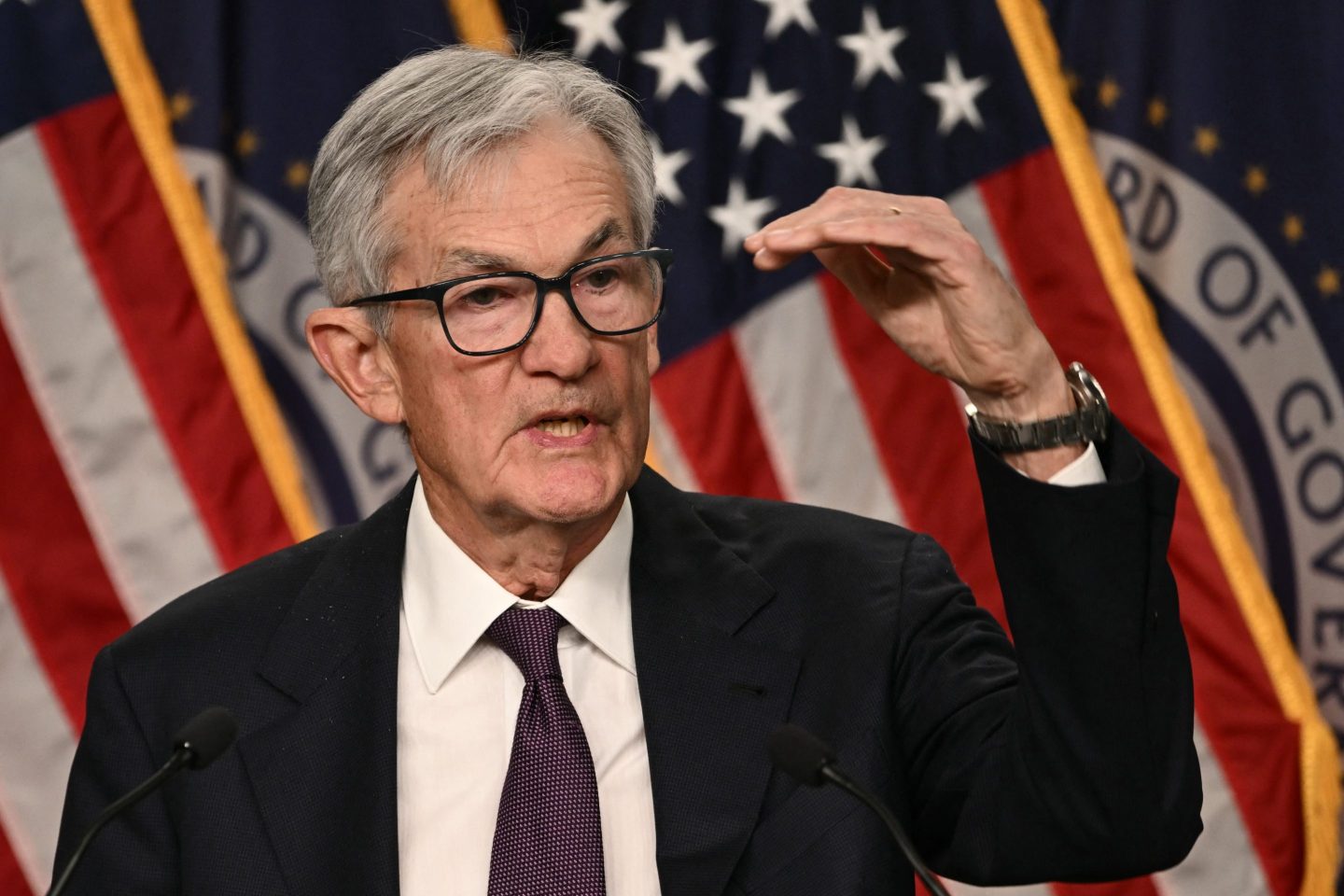
Deutsche Bank called it “the summer AI turned ugly.” For weeks, with every new bit of evidence that corporations were failing at AI adoption, fears of an AI bubble have intensified, fueled by the realization of just how topheavy the S&P 500 has grown, along with warnings from top industry leaders. An August study from MIT found that 95% of AI pilot programs fail to deliver a return on investment, despite over $40 billion being poured into the space. Just prior to MIT’s report, OpenAI CEO Sam Altman rang AI bubble alarm bells, expressing concern over the overvaluation of some AI startups and the intensity of investor enthusiasm. These trends have even caught the attention of Fed Chair Jerome Powell, who noted that the U.S. was witnessing “unusually large amounts of economic activity” in building out AI capabilities.
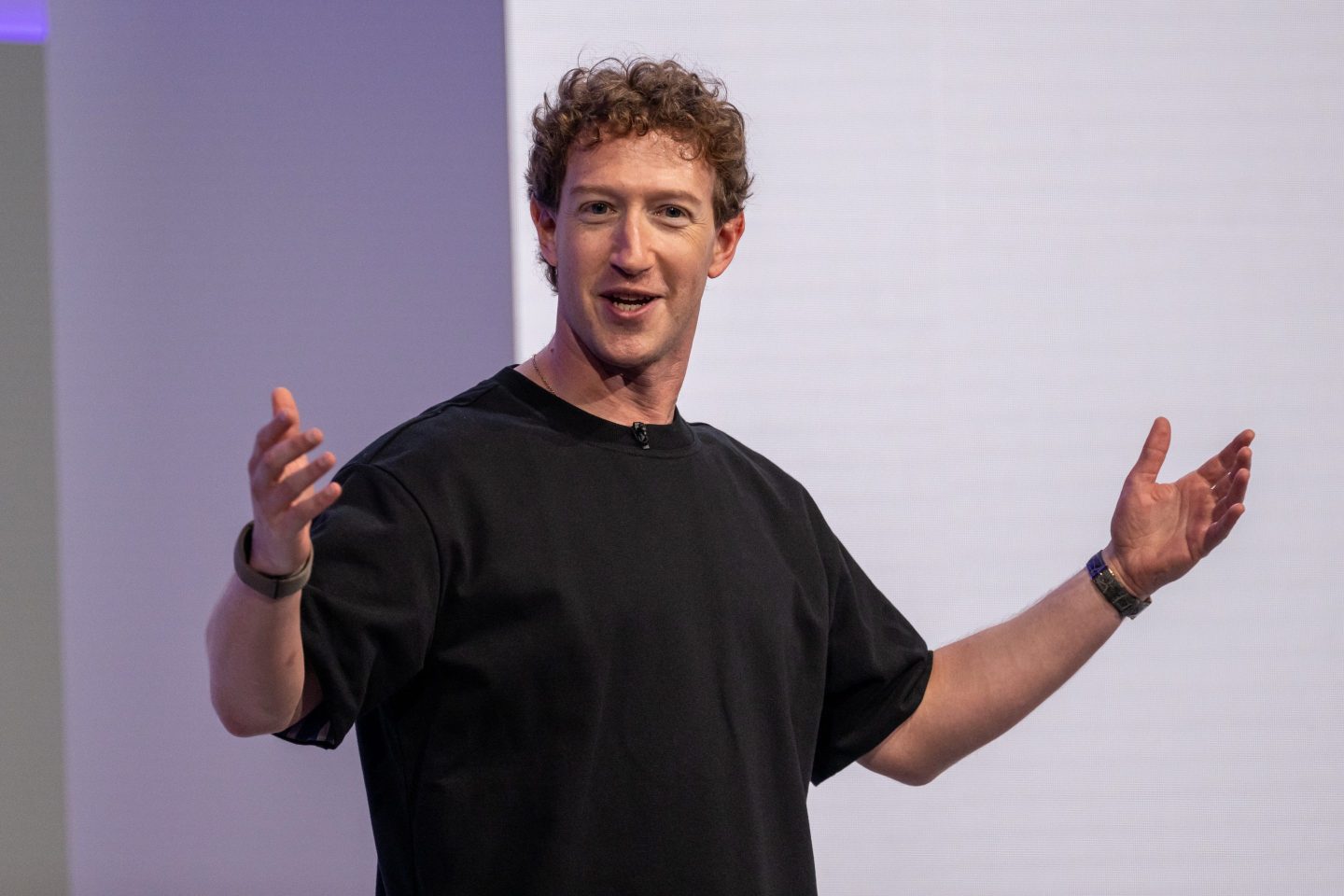
Mark Zuckerberg has some similar thoughts.
The Meta CEO acknowledged that the rapid development of and surging investments in AI stands to form a bubble, potentially outpacing practical productivity and returns and risking a market crash. But Zuckerberg insists that the risk of over-investment is preferable to the alternative: being late to what he sees as an era-defining technological transformation.
“There are compelling arguments for why AI could be an outlier,” Zuckerberg hedged in an appearance on the Access podcast. “And if the models keep on growing in capability year-over-year and demand keeps growing, then maybe there is no collapse.”
Then Zuckerberg joined the Altman camp, saying that all capital expenditure bubbles like the buildout of AI infrastructure, seen largely in the form of data centers, tend to end in similar ways. “But I do think there’s definitely a possibility, at least empirically, based on past large infrastructure buildouts and how they led to bubbles, that something like that would happen here,” Zuckerberg said.
Bubble echoes
Zuckerberg pointed to past bubbles, namely railroads and the dot-com bubble, as key examples of infrastructure buildouts leading to a stock-market collapse. In these instances, he claimed that bubbles occurred due to businesses taking on too much debt, macroeconomic factors, or product demand waning, leading to companies going under and leaving behind valuable assets.
The Meta CEO’s comments echoed Altman’s, who has similarly cautioned that the AI boom is showing many signs of a bubble.
“When bubbles happen, smart people get overexcited about a kernel of truth,” Altman told The Verge, adding that AI is that kernel: transformative and real, but often surrounded by irrational exuberance. Altman has also warned that “the frenzy of cash chasing anything labeled ‘AI’” can lead to inflated valuations and risk for many.
The consequences of these bubbles are costly. During the dot-com bubble, investors poured money into tech startups with unrealistic expectations, driven by hype and a frenzy for new internet-based companies. When the results fell short, the stocks involved in the dot-com bubble lost more than $5 trillion in total market cap.
An AI bubble stands to have similarly significant economic impacts. In 2025 alone, the largest U.S. tech companies, including Meta, have spent more than $155 billion on AI development. And, according to Statista, the current AI market value is approximately $244.2 billion.
But, for Zuckerberg, losing out on AI’s potential is a far greater risk than losing money in an AI bubble. The company recently committed at least $600 billion to U.S. data centers and infrastructure through 2028 to support its AI ambitions. According to Meta’s chief financial officer, this money will go towards all of the tech giant’s US data center buildouts and domestic business operations, including new hires. Meta also launched its superintelligence lab, recruiting talent aggressively with multi-million-dollar job offers, to develop AI that outperforms human intelligence.
“If we end up misspending a couple hundred billion dollars, that’s going to be very unfortunate obviously. But I would say the risk is higher on the other side,” Zuckerberg said. “If you build too slowly, and superintelligence is possible in three years but you built it out were assuming it would be there in five years, then you’re out of position on what I think is going to be the most important technology that enables the most new products and innovation and value creation in history.”
While he sees the consequences of not being aggressive enough in AI investing outweighing overinvesting, Zuckerberg acknowledged that Meta’s survival isn’t dependent upon AI’s success.
For companies like OpenAI and Anthropic, he said “there’s obviously this open question of to what extent are they going to keep on raising money, and that’s dependent both to some degree on their performance and how AI does, but also all of these macroeconomic factors that are out of their control.”