• Home
  • Latest
  • Fortune 500
  • Finance
  • Tech
  • Leadership
  • Lifestyle
  • Rankings
  • Multimedia
Commentarywork culture

Civility can be your edge in this polarized time, when people have forgotten how to coexist

By
Frederick J. Ryan, Jr.
Down Arrow Button Icon
By
Frederick J. Ryan, Jr.
Down Arrow Button Icon
September 19, 2025, 8:30 AM ET
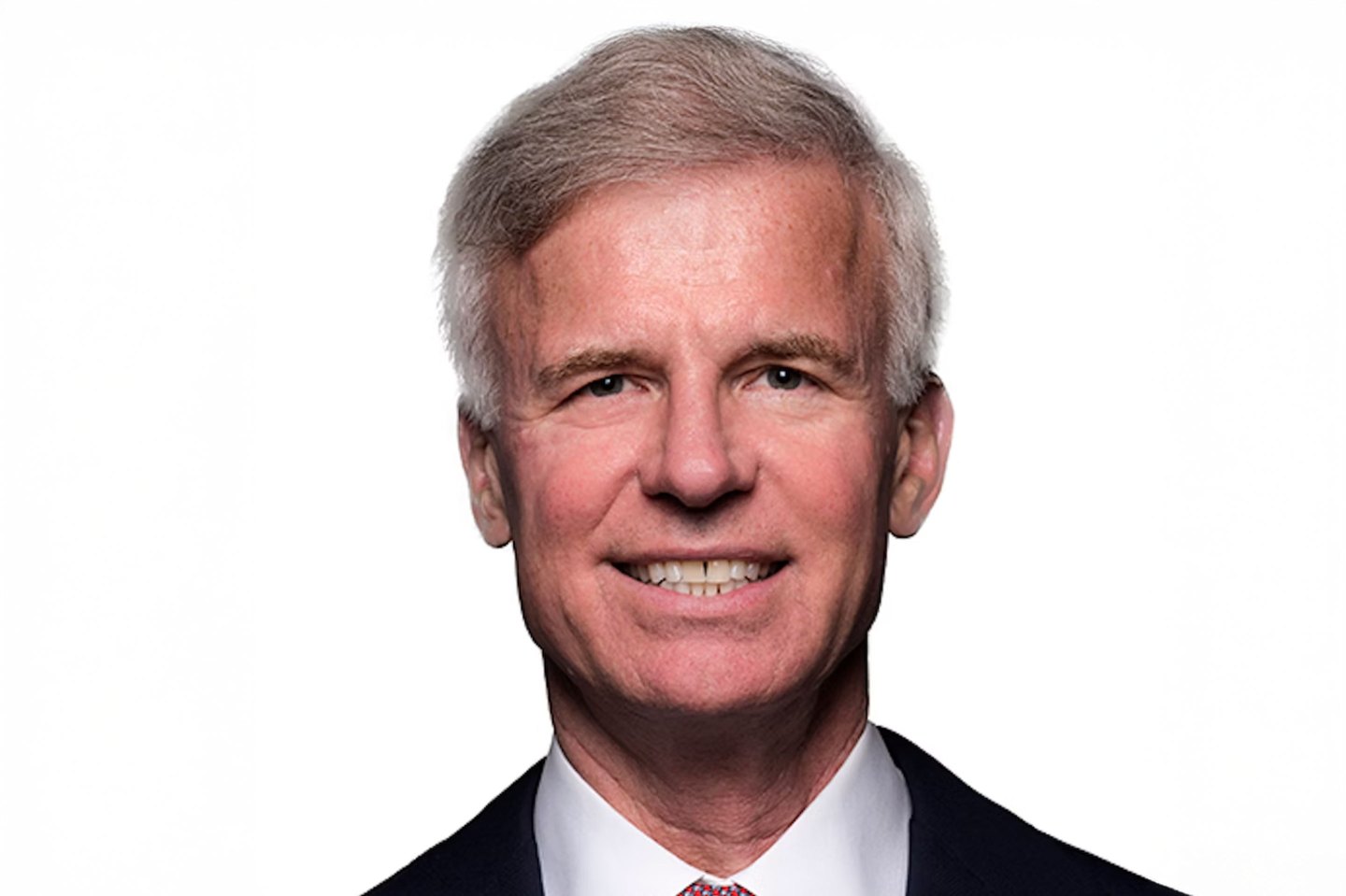
Frederick J. Ryan, Jr. is the director of the Ronald Reagan Center on Civility and Democracy.
Fred Ryan
Frederick J. Ryan, Jr.Courtesy of the Ronald Reagan Center

We live in an especially polarized time, one clouded by political violence, family estrangement and relationships started or ended based on political affiliations. Many have forgotten how to coexist with people unlike themselves.

Recommended Video

Incivility dominates too many aspects of American life, but one place still stands out as a training ground for respectful discourse: the workplace. 

According to a recent survey conducted by the Ronald Reagan Presidential Foundation and Institute, 46% of Americans say they’ve learned civility skills at work, more than any other place. These skills include the ability to disagree productively and respectfully, consider opposing viewpoints, listen without interrupting and collaborate toward shared goals despite personal differences. 

Civility is a critical skill both within and outside of the workplace, and one that needs to be continually cultivated through all stages of life. Companies that consciously nurture civility build cultures of trust, creativity and resilience — and set their employees, businesses and the nation as a whole up for success.

The civic role of the workplace

Today, with fewer Americans participating in civic and community life through institutions, organizations, programs, social clubs, groups, activities, and even close friendships, we rely more heavily on the workplace to forge connections with people who are different than us. The workplace is now one of the last places where people from diverse backgrounds, experiences and ideologies regularly interact and find themselves working together in pursuit of a shared goal.

Thomas Jefferson once argued that democracy depends not just on voting, but on the daily practice of collaborative problem solving and respectful disagreement. At its best, the workplace can hone these same skills, teaching people to present ideas and speak publicly, disagree respectfully for the common good and make decisions collaboratively. 

In a fractured world, the office has become an unexpected civic incubator. Forward-thinking leaders should treat it as both a civic responsibility and a business opportunity.

The business case for civility

Civility isn’t just healthy for democracy and our work relationships. It’s good for the bottom line. 

According to a study from SHRM, incivility costs U.S. employers $2 billion a day in lost productivity and absenteeism. When employees feel disrespected, they disengage and their productivity suffers. Teams fracture. Innovations stalls. And businesses suffer. 

By contrast, workplaces built on trust and mutual respect perform better across the board. These environments benefit from stronger retention, higher morale and more innovation. It also fosters psychological safety, which encourages bold, creative thinking and effective decision-making. In short, civility supports innovation, and innovation drives success.

How civility is practiced and taught

Civility isn’t about avoiding disagreement. It’s about disagreeing well and keeping the difficult moments, whether in a work meeting or at the dinner table, productive and meaningful. Leaders can set this tone. The way you handle conflict, invite dissent and model respect filters through your entire organization. 

There are three steps that can take your leadership and organization to the next level. First, practice and model civility. Invite input from colleagues, listen to their ideas with curiosity and regulate your own reactions, especially under pressure.

Second, design your workspace for it: Create space for constructive dialogue and feedback. Encourage participatory decision-making, which builds critical thinking, persuasion and buy-in.

Third, always reward positive behavior. In order to see civility repeated, you have to reinforce it. Recognize employees who collaborate across lines of difference and contribute to a respectful culture. These behaviors can be learned and taught. Workplaces that invest in them are stronger for it.

The key takeaway

In an age of social fragmentation, the workplace is the most consistent place where Americans from all walks come together. Business leaders are responsible for making these environments productive and constructive. While the workplace is not a replacement for democratic institutions, it can help revive the habits that keep them strong. If we want healthier organizations and a healthier democracy, business leaders must champion civility as a core company value.

The opinions expressed in Fortune.com commentary pieces are solely the views of their authors and do not necessarily reflect the opinions and beliefs of Fortune.

Join us at the Fortune Workplace Innovation Summit May 19–20, 2026, in Atlanta. The next era of workplace innovation is here—and the old playbook is being rewritten. At this exclusive, high-energy event, the world’s most innovative leaders will convene to explore how AI, humanity, and strategy converge to redefine, again, the future of work. Register now.
About the Author
By Frederick J. Ryan, Jr.
See full bioRight Arrow Button Icon

Latest in Commentary

Julian Braithwaite is the Director General of the International Alliance for Responsible Drinking
CommentaryProductivity
Gen Z is drinking 20% less than Millennials. Productivity is rising. Coincidence? Not quite
By Julian BraithwaiteDecember 13, 2025
15 hours ago
carbon
Commentaryclimate change
Banking on carbon markets 2.0: why financial institutions should engage with carbon credits
By Usha Rao-MonariDecember 13, 2025
16 hours ago
Dr. Javier Cárdenas is the director of the Rockefeller Neuroscience Institute NeuroPerformance Innovation Center.
Commentaryconcussions
Fists, not football: There is no concussion protocol for domestic violence survivors
By Javier CárdenasDecember 12, 2025
2 days ago
Gary Locke is the former U.S. ambassador to China, U.S. secretary of commerce, and governor of Washington.
CommentaryChina
China is winning the biotech race. Patent reform is how we catch up
By Gary LockeDecember 12, 2025
2 days ago
millennial
CommentaryConsumer Spending
Meet the 2025 holiday white whale: the millennial dad spending $500+ per kid
By Phillip GoerickeDecember 12, 2025
2 days ago
Sarandos
CommentaryAntitrust
Netflix, Warner, Paramount and antitrust: Entertainment megadeal’s outcome must follow the evidence, not politics or fear of integration
By Satya MararDecember 12, 2025
2 days ago

Most Popular

placeholder alt text
Success
Apple cofounder Ronald Wayne sold his 10% stake for $800 in 1976—today it’d be worth up to $400 billion
By Preston ForeDecember 12, 2025
2 days ago
placeholder alt text
Economy
Tariffs are taxes and they were used to finance the federal government until the 1913 income tax. A top economist breaks it down
By Kent JonesDecember 12, 2025
2 days ago
placeholder alt text
Success
40% of Stanford undergrads receive disability accommodations—but it’s become a college-wide phenomenon as Gen Z try to succeed in the current climate
By Preston ForeDecember 12, 2025
2 days ago
placeholder alt text
Economy
The Fed just ‘Trump-proofed’ itself with a unanimous move to preempt a potential leadership shake-up
By Jason MaDecember 12, 2025
1 day ago
placeholder alt text
Economy
For the first time since Trump’s tariff rollout, import tax revenue has fallen, threatening his lofty plans to slash the $38 trillion national debt
By Sasha RogelbergDecember 12, 2025
1 day ago
placeholder alt text
Success
Apple CEO Tim Cook out-earns the average American’s salary in just 7 hours—to put that into context, he could buy a new $439,000 home in just 2 days
By Emma BurleighDecember 12, 2025
2 days ago
Rankings
  • 100 Best Companies
  • Fortune 500
  • Global 500
  • Fortune 500 Europe
  • Most Powerful Women
  • Future 50
  • World’s Most Admired Companies
  • See All Rankings
Sections
  • Finance
  • Leadership
  • Success
  • Tech
  • Asia
  • Europe
  • Environment
  • Fortune Crypto
  • Health
  • Retail
  • Lifestyle
  • Politics
  • Newsletters
  • Magazine
  • Features
  • Commentary
  • Mpw
  • CEO Initiative
  • Conferences
  • Personal Finance
  • Education
Customer Support
  • Frequently Asked Questions
  • Customer Service Portal
  • Privacy Policy
  • Terms Of Use
  • Single Issues For Purchase
  • International Print
Commercial Services
  • Advertising
  • Fortune Brand Studio
  • Fortune Analytics
  • Fortune Conferences
  • Business Development
About Us
  • About Us
  • Editorial Calendar
  • Press Center
  • Work At Fortune
  • Diversity And Inclusion
  • Terms And Conditions
  • Site Map

© 2025 Fortune Media IP Limited. All Rights Reserved. Use of this site constitutes acceptance of our Terms of Use and Privacy Policy | CA Notice at Collection and Privacy Notice | Do Not Sell/Share My Personal Information
FORTUNE is a trademark of Fortune Media IP Limited, registered in the U.S. and other countries. FORTUNE may receive compensation for some links to products and services on this website. Offers may be subject to change without notice.