The U.S. economy is experiencing a noticeable slowdown in mid-2025, with sluggish domestic demand growth, muted job gains, and new tariff actions poised to impact both inflation and overall economic momentum, according to a recent analysis from UBS Global Research.
The US Economics Weekly note from the Swiss bank noted real GDP grew at an annualized rate of just 1.2% in the first half of 2025, a significant step down from the more robust pace observed in 2023 and early 2024. Quarter-over-quarter growth figures point to a sequential weakening, the team led by economist Jonathan Pingle added, particularly in domestic demand, which has dropped from above 3% last year to around 1% in recent quarters.
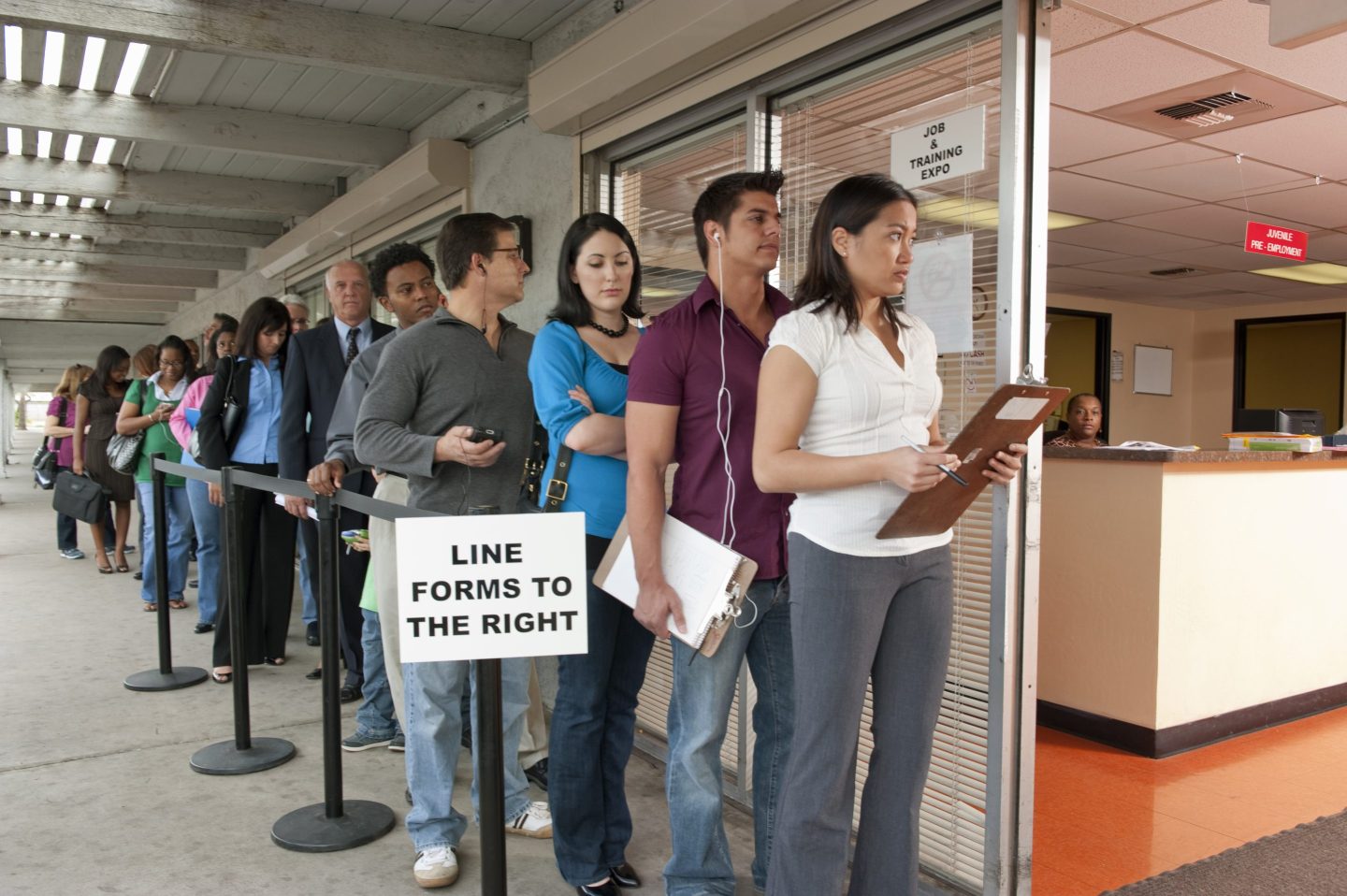
Labor demand is responding in kind. Monthly nonfarm payroll growth has slowed sharply, with July seeing an increase of only 73,000 jobs—well below expectations and accompanied by sizeable downward revisions for previous months. The three-month average for job gains is now just 35,000 per month, a rate described as “stall speed” by Federal Reserve Vice Chair Michelle Bowman and Governor Chris Waller. (Both Bowman and Waller are prominent names floated to replace Fed chair Jerome Powell, a figure the Trump White House has extensively criticized.) The unemployment rate ticked up to 4.25%, the highest level since 2021, and the broadest measure of labor underutilization, known as U-6, is also trending higher—more than a percentage point above pre-pandemic levels.
Crucially, Pingle’s team found shrinking labor force participation rather than a sudden immigration or population shock is behind the weaker labor force growth. “The drop in the labor force participation rate has masked how much slackening is actually taking place,” the report contends, noting that multiple demographic groups, including Black Americans and teenagers, are showing higher unemployment and falling participation.
Population growth as recorded by the household survey is holding steady near previous years’ levels—contradicting assertions that tighter immigration is meaningfully constricting the labor market. UBS notes this contradicts statements from Jerome Powell: “Despite Chair Powell’s pronouncement at the post FOMC press conference that the immigration slowdown was slowing population growth and thus labor force growth, that is not what is happening in the actual data. The Household Survey and Establishment Survey look more like the labor market is slackening, and the household survey itself estimates that population growth is not slowing.”
The average workweek remains subdued, sitting at 34.25 hours in July—below 2019 levels and far from the “stretching” typical when labor markets are tight due to worker shortages. Industry-specific data show that job losses are not concentrated in sectors with large immigrant workforces, further supporting the view that slack comes from weakened demand, not a supply constraint.
Tariffs set to climb, threatening further drag
Tariff policy, after a series of negotiations and executive actions, is on track to become even more restrictive. The new suite of reciprocal tariffs, including a 35% rate on Canadian imports (excluding USMCA-compliant goods) and across-the-board hikes affecting nearly 70 countries, is expected to raise the U.S. weighted average tariff rate (WATR) from about 16% to approximately 19% starting in early August. UBS estimates this will subtract 0.1 to 0.2 percentage points from growth over the next year.
Sectoral carve-outs persist, but with the EU now facing a 15% tariff on most exports to the U.S.—lower than originally proposed, but still a significant rise—UBS expects direct pressure on prices for automobiles, semiconductors, pharmaceuticals, and more. Presidential proposals to slap a 200% tariff on pharmaceuticals remain under discussion, but would have massive implications if implemented.
Rate cuts on the horizon
With evidence mounting that both growth and labor markets are softening and that tariffs may further boost core inflation from 2.8% currently to as high as 3.4% by year-end, pressure is building for the Federal Reserve to ease monetary policy. While Chair Jerome Powell kept a possible September rate cut on the table, he offered little forward guidance, stating that the totality of incoming data will dictate the next move. UBS maintained its expectation that the Federal Open Market Committee will cut rates by 25 basis points in September and by as much as 100 basis points before the end of 2025.
Ultimately, the bank found that the U.S. economy has entered a clear slowdown as 2025 unfolds, with fading domestic momentum, cooling job growth, and the shadow of higher tariffs likely to dampen the outlook further. UBS researchers argue that the data show a demand-driven deceleration, not a supply squeeze, and that the Fed will likely act soon to cushion the landing.
For this story, Fortune used generative AI to help with an initial draft. An editor verified the accuracy of the information before publishing.