In 1957, the Soviet Union launched Sputnik, the world’s first satellite into space. This shocked Americans, who, for the previous decade, felt as though their place as the world’s superpower was non-negotiable and secure. For the first time since World War II, America’s global standing was at risk.
What happened next was the most dedicated, coordinated effort to advance science and technological education in our nation’s history. Sputnik helped Americans realize that investing in science, technology, education, and mathematics (STEM) was crucial to ensuring national security and resisting the Soviet Union’s growing power.
In response, President Dwight Eisenhower signed the National Defense Education Act of 1958, arguably the most successful investment in STEM education. The law, which provided funding for mathematics education in K-12 schools and established the first government-funded student loan program in history, more than doubled the number of students enrolled in college from 3.6 million in 1960 to 7.5 million by 1970. The NDEA shaped an entire generation and set the U.S. on a path toward decades of innovation and scientific discovery.
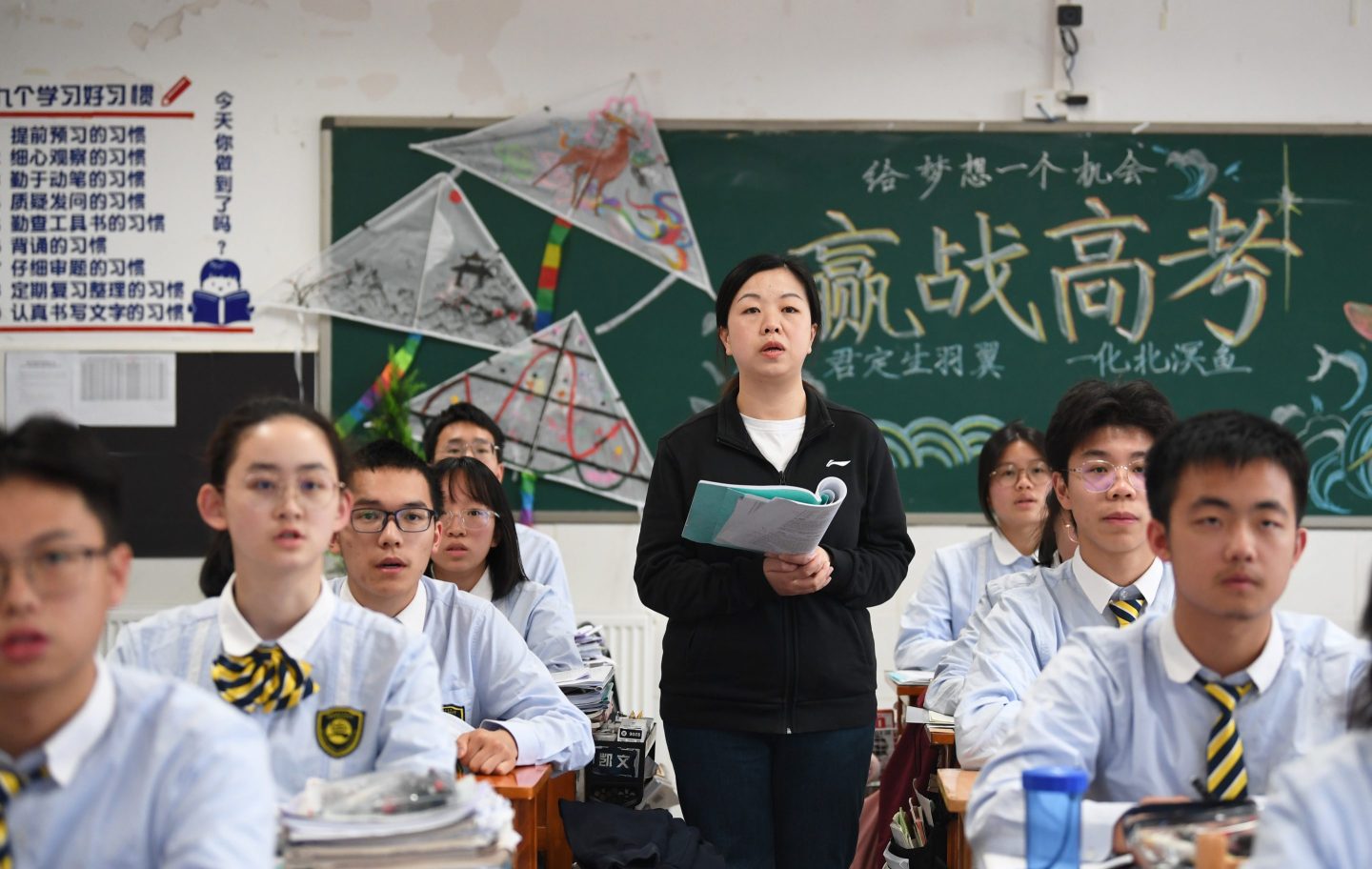
Today, we once again find our global standing to be threatened. Across the board, K-12 students struggle to meet math and reading proficiency standards. This is an economic and national security crisis. There is a growing consensus that our students are falling behind, especially in math and science. This is unsurprising. Across the U.S., there is a shortage of teachers qualified with degrees in STEM-based education. At the same time, China is outpacing us in manufacturing and science education, producing tens of thousands more STEM graduates each year than the United States. Chinese and Indian students also represent a growing number of international students in the United States, making up a combined nearly three-quarters of all international STEM students. While some of these students choose to remain in the U.S. after graduation, many go home, taking their world-class education back with them and benefiting other nations.
Low-income students and students of color particularly feel this decline in standards and access to STEM education. Among public high schools where 75% or more of students are Black and Hispanic, nearly two-thirds do not offer calculus, more than half do not offer any form of computer science, and nearly half do not offer any form of physics, according to federal data. This apparent educational inequity paints a distressing picture of our future. These same students who are being denied high-quality education—namely, Black, Hispanic, and American Indian students—will soon account for nearly 60% of the U.S. population. In other words, we are actively disinvesting from our future.
As the President of Xavier University of Louisiana, a leading HBCU and top producer of African American students who go on to complete medical school or graduate study in STEM, I’ve seen firsthand how our education system fails to set students up for success in college. I’ve witnessed students arrive on campuses, eager to dive into their classes, only to struggle immediately in their introductory science courses. Our professors rise to the occasion, working to close the gap between what should have been taught in high school and what is expected of them in a rigorous academic environment like Xavier.
The truth is that for as many STEM graduates as Xavier produces, the U.S. cannot keep pace with its international competitors, nor will we build the technology of the future without a collective investment in a national STEM education.
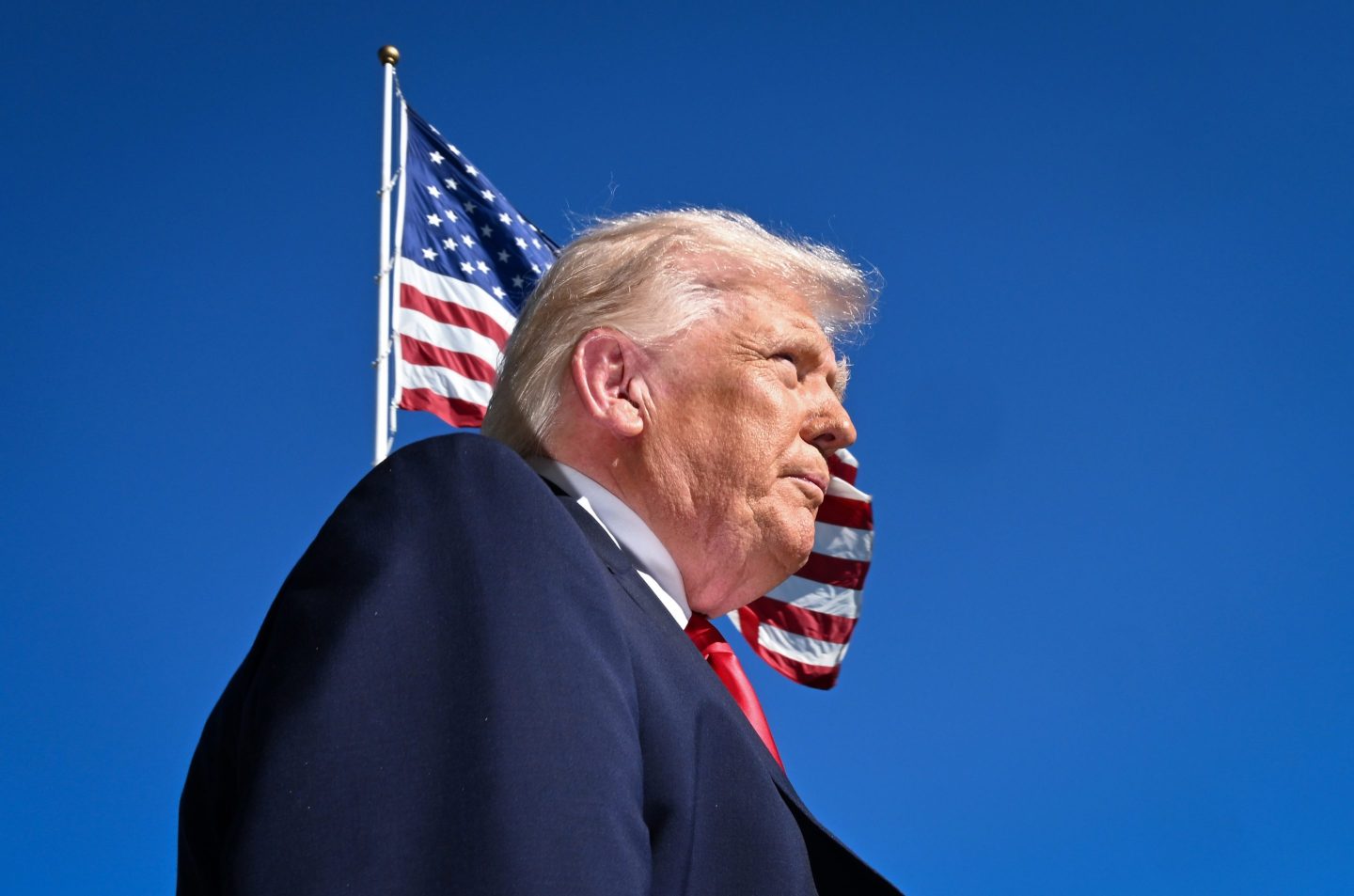
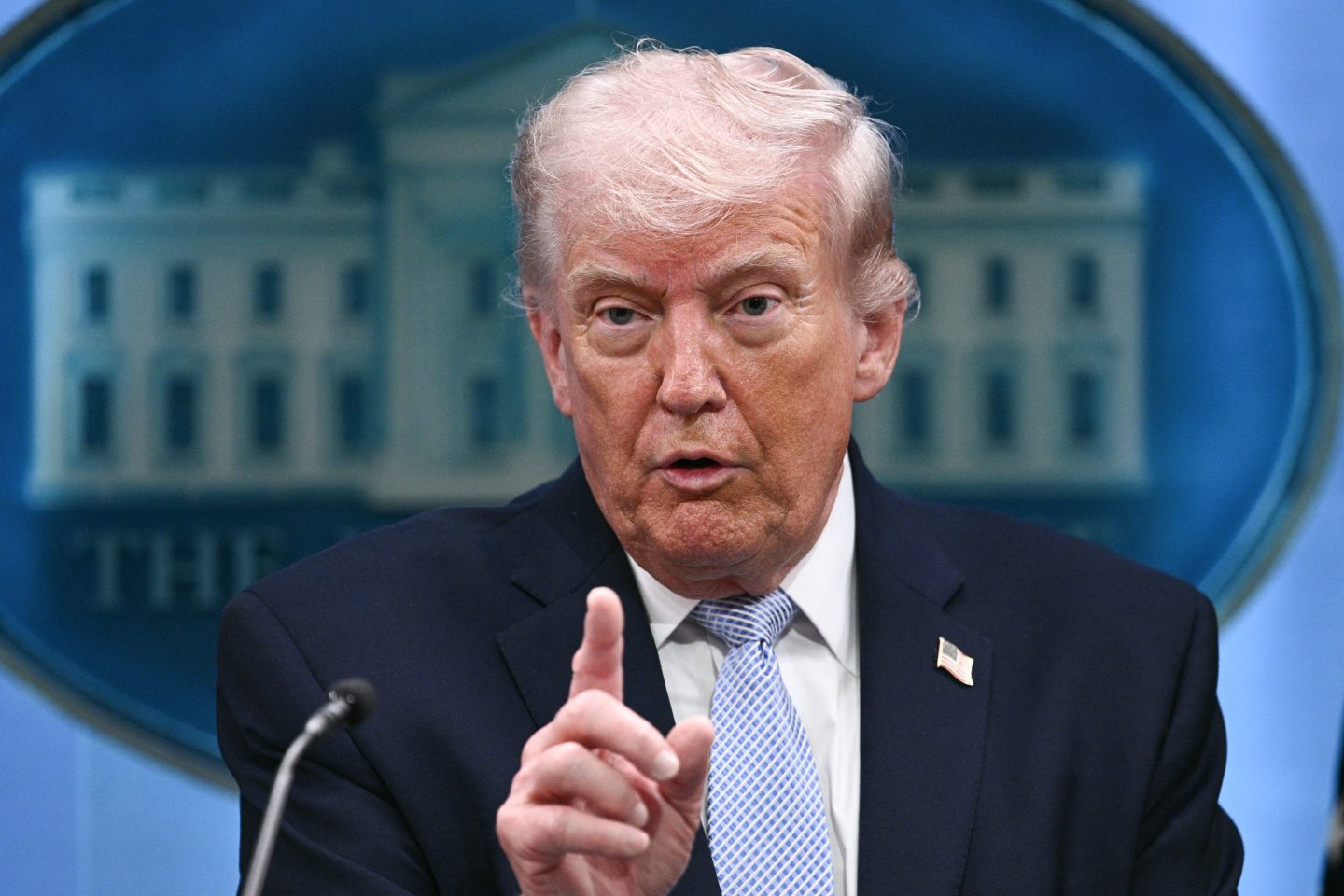
President-elect Trump has vowed to abolish the U.S. Department of Education, believing that education is a local issue. That may be true, but STEM is an urgent national priority that needs a national strategy. One that will enable the next generation of talent to thrive and to create in America. This multi-pronged approach starts with recruiting our sharpest young people into teaching and rewarding them by paying them fairly. As states take on an even more significant education role during President Trump’s coming term, they should be rewarded for increasing teacher pay. While paying STEM teachers more and providing them with specialized training is not an elixir to reforming K-12, it’s an essential start and will undoubtedly help prepare our young kids for the rigors of advanced study.
We also need to make it easier for students to afford college. Even Elon Musk, now the world’s richest man, had to go to extraordinary lengths to afford to attend the University of Pennsylvania. College affordability starts with expanding Pell Grants, the cornerstone of financial aid for 80 million low-income American students over the last 50 years. When the Pell Grant was created in the 1970s, the maximum award covered more than three-quarters of the cost of tuition, room and board, and living expenses for a public, four-year university. Today, as college costs continue to rise, that same grant is estimated only to cover a third of the costs.
There is no shortage of opinions on the failures of the American education system and lots of debate as to how to overhaul and fix it. However, the motivating factor often missing is the collective understanding that our failure to invest in STEM threatens our national security. It is clear that the United States will fall behind other countries in scientific advancement and discovery if it chooses not to invest in its future and the talents of its children. This was the case in the 1950s and is the case again today. The generation that the Space Race inspired went on to become the scientists, mathematicians, and engineers who eradicated smallpox, built the personal computer, created the first recombinant DNA molecule, drew attention to climate change, and put the global community on a path toward a solution. Now is the time for a new generation of young scientists to get the support they need to go on and do the same. Our future, security, and position among nations depend on it.
More must-read commentary published by Fortune:
- Shell’s Pyrrhic victory may well set the stage for more corporate climate accountability
- Demis Hassabis-James Manyika: AI will help us understand the very fabric of reality
- I worked with Steve Jobs. Here’s what he’d say about today’s leadership style
- The next wave of AI won’t be driven by LLMs. Here’s what investors should focus on instead
The opinions expressed in Fortune.com commentary pieces are solely the views of their authors and do not necessarily reflect the opinions and beliefs of Fortune.