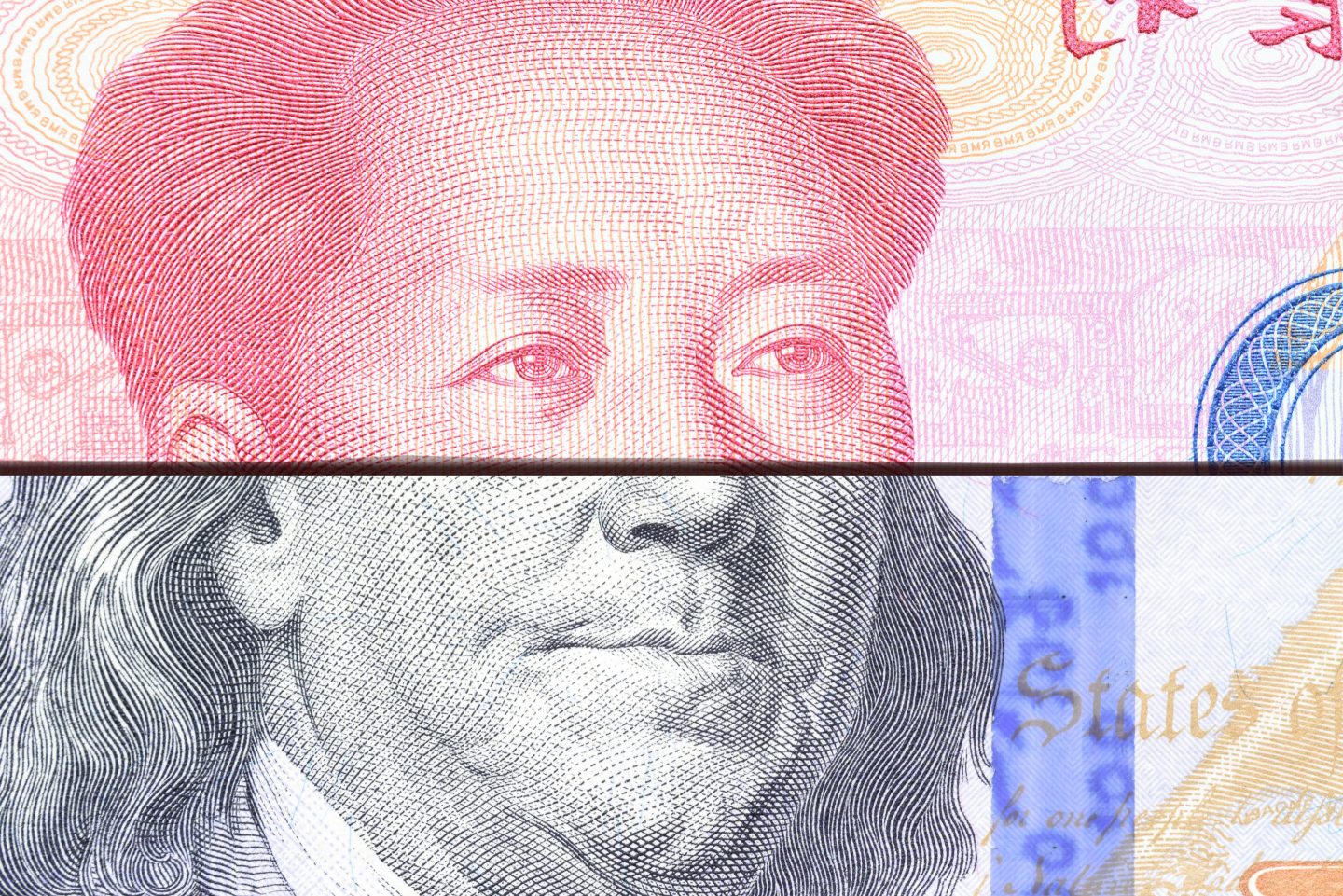
For decades, politics in many countries—and especially in the U.S.—have been in an endless tug of war between two camps: one that believes we need to be more generous to people who are struggling, and another who believes that the taxes and regulations that create that generosity suffocate the very growth on which that generosity depends.
What if these two camps should actually be pulling in the same direction? What if raising the floor—of social benefits like income, health care, housing and more—might actually accelerate our economic growth?
When we invest in programs that reduce economic fear, we allow more people to participate in the economy and society—to invent, care, serve, and thrive. The safety net becomes a trampoline.
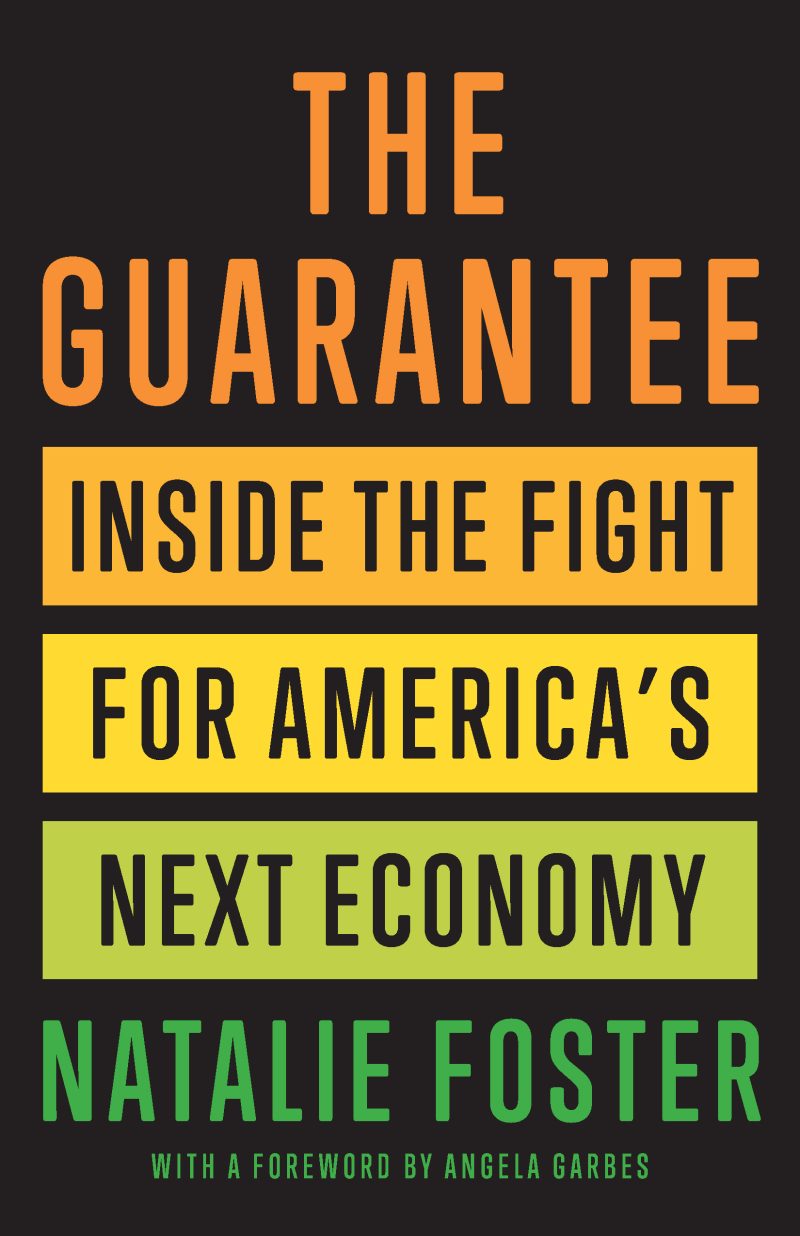
We have new evidence this is already happening, detailed in the just-released book The Guarantee, by policy advocate Natalie Foster. Over the last few years, the U.S. has embarked on a sweeping set of new programs and experiments—everything from a child tax credit during Covid to cities trying to provide their least fortunate with a guaranteed income to states expanding Medicaid.
These programs—which raised the floor for people in areas like family care, education, housing, income, wealth, and more, and more closely model how other Western countries operate—arrived on the back of a wave of working peoples’ anger. Millions of people have long felt that even if they play society’s game by the rules (work hard, get an education, stay out of trouble), they still can’t provide for a decent life for themselves and their families. That is a system in crisis.
More and more young people, including college-educated young people, are entering the working class. The fears of artificial intelligence pulling the rug out from workers cuts across many socioeconomic classes, from delivery drivers to Hollywood writers to lawyers. Workers in industries everywhere are organizing and going on strike.
Amid this, many corporations continue to thrive (in profits, stock value, and otherwise). Yet the American economy as a whole seems to be stuck in low gear. New business formation in the U.S. has declined by nearly 50% since the 1970s, while research suggests that scientific progress has slowed significantly in the last few decades. More people remain stuck, geographically, in the place where they’re born and that birthplace often limits their economic prospects.
What if the issue is that too few people are actually contributing to our economic vitality, because the system holds them back?
Economic “precarity”—the complicated word for people feeling fear—prevents them from participating in our economy. If you’re worried about housing, you’re unlikely to be a person who invents a new cure for a disease. If you’re unable to find childcare, you’re less likely to invest in yourself and learn new skills for a new career, spend time finding a better job, or take a chance starting a business. If you’re sick, you miss work. If you are short on money, you’re not buying the goods or services that employ others. You’re also more likely to let your valid rage at the system bubble into more destructive and violent forms of change.
Enabling innovation
Imagine how people might participate differently in the economy if the society guaranteed their basic needs—the world The Guarantee book describes.
If all people have their basics covered, some will contribute the extraordinary. More people would have the opportunity to be the next Einstein, Marie Curie, or Katherine Johnson. One study estimates that we would have four times as many innovators, if everyone had the socioeconomic background to pursue innovation—imagine all those “Lost Einsteins.”
In my occupation, investing in technology startups, people often see how a founder’s second startup—in part emboldened by the safety of their personal economic comfort—outshines the first. Look at Reed Hastings’ second act, Netflix. Or Evan Williams’ second act, Twitter. The founder of a well-known Silicon Valley startup accelerator told me that the best founders come from rich families; they can afford to go without an income until they raise capital.
The worry about losing creators goes beyond science and technology—think of all the lost Lin-Manuel Mirandas, Octavia Butlers, Maya Lins, and Taylor Swifts whose creative gifts suffocate in the chokehold of economic necessity. By providing a foundation of economic stability, we can enable a new generation of innovators and creators across every field.
If everyone felt economic safety, then more people could invest in their education and skills, and take chances on a better career. In Stockton, California, where an experiment offered a group of low-income residents a guaranteed income of just $500 per month, recipients were more likely to find full-time jobs.
A higher social floor
Risks come from feeling safe enough to take them, not (as many believe) from forcing yourself to take a risk out of fear. At a time when technology seems to be advancing in unpredictable ways, we need more than ever for people to feel confident enough to adapt.
When people feel underpaid, they sometimes go on strike, and we end up as a society with risks to needed services, and companies lose revenue. Poverty also imposes a direct cost on the rest of the economy, estimated at $1 trillion in the U.S. per year in lost work, health care costs, crime, and more.
Opponents of guarantees often make classist, and sometimes racist, arguments: that poor people “can’t be trusted.” To some extent, the debates to come over guarantees will turn on your view of human nature: if you give people free things, what do they do with their freedom? I believe people want to be productive—we all build our dignity from bricks of purpose, creativity, and contribution. We all yearn to feel needed, to have an impact, to leave a mark on this world in the short time we’re here. It’s ironic that many advocates for personal freedom seem to believe that people, given freedom, will just freeload (especially if they’re poor).
Of course, there will be enormous cost to these guarantees. The question is whether there will be a return worth justifying that cost. Usually, commentators cast a higher social floor as a tradeoff: if we provide guarantees, we’ll slow the economy because taxes will give people less incentive to innovate. It seems like the incentives for the most privileged members of our society to innovate are strong enough. We need more people to participate more than we need a stronger incentive for the rich to make more money on investments (which happens to be my own occupation). The anxiety over AI might just create a pretext for us to do more now. And, with a divided U.S. Congress in near paralysis, policies that can both boost growth and take care of those in need might be the only ones that can pass.
If we see the guarantees described in The Guarantee as a safety “net,” we’ll forever worry about people getting tied up in that net and never emerging. If we see these benefits as a floor, then they can lift people up. Best, though, might be designing a higher social floor as a trampoline: to bounce people upward into the dignity of inventing, of caring, and of serving our society’s needs.
More must-read commentary published by Fortune:
- Gen Zers and millennials are switching jobs at an accelerating pace, and it’s paying off. Here’s where it can still go wrong
- How we raised $100 million for my Silicon Valley startup in a down market
- Sports leagues thought they hit the jackpot by partnering with the betting industry—but gambling scandals are turning Americans against them
- Second Chance Month is a failed promise for former inmates. Here’s how we can fix that
The opinions expressed in Fortune.com commentary pieces are solely the views of their authors and do not necessarily reflect the opinions and beliefs of Fortune.