A federal judge on Tuesday rejected a request by Native American tribes and environmentalists to stop work on a $10 billion transmission line being built through a remote southeastern Arizona valley that will carry wind-generated electricity from New Mexico to customers as far away as California.
The project — approved in 2015 following a lengthy review — has been touted as the biggest U.S. electricity infrastructure undertaking since the Hoover Dam was built in the 1930s.
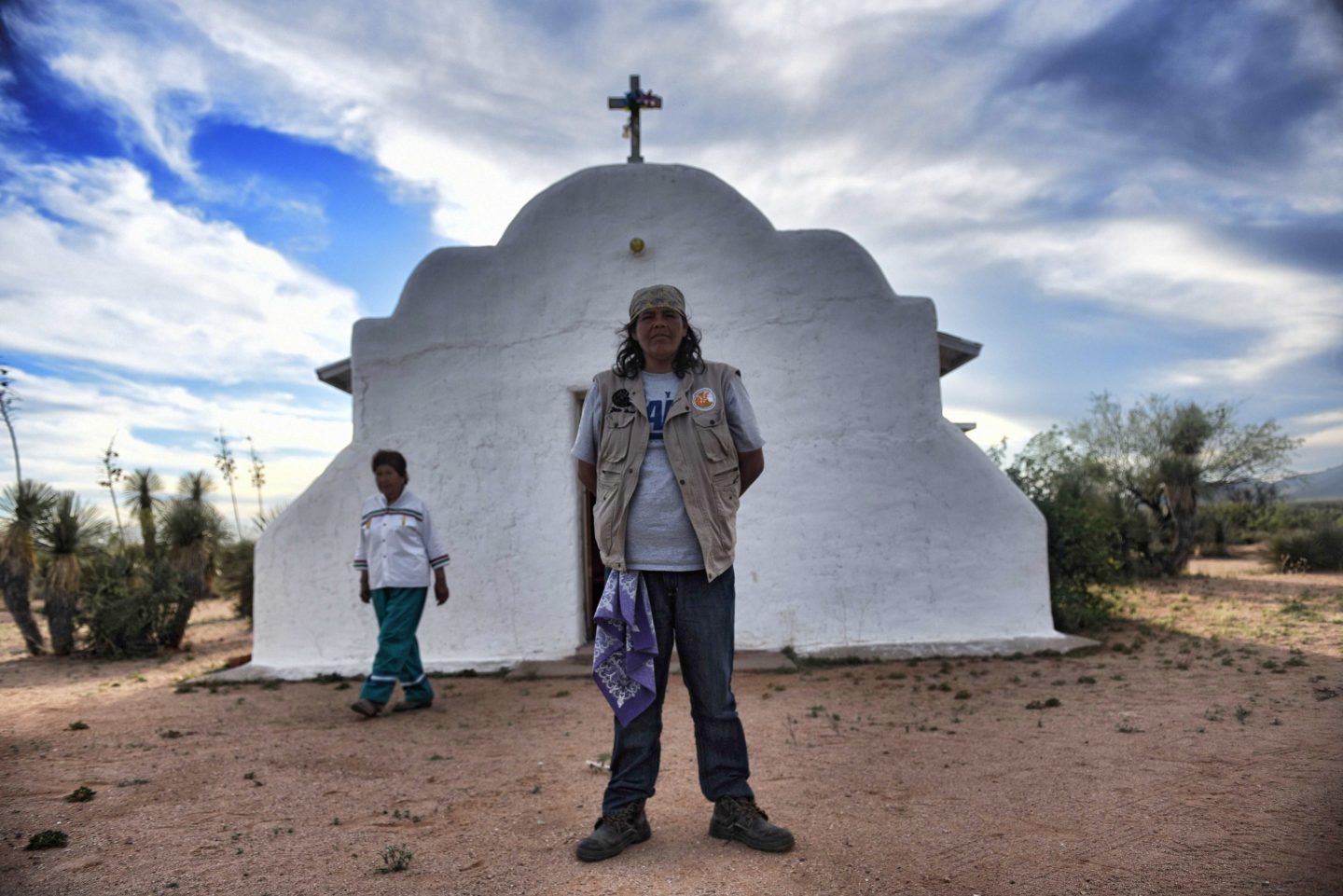
Two tribes joined with archaeologists and environmentalists in filing a lawsuit in January, accusing the U.S. Interior Department and Bureau of Land Management of refusing for nearly 15 years to recognize “overwhelming evidence of the cultural significance” of the remote San Pedro Valley to Native American tribes including the Tohono O’odham, Hopi, Zuni and San Carlos Apache Tribe.
The suit was filed after Pattern Energy received approval to transmit electricity generated by its SunZia wind farm in central New Mexico through the San Pedro Valley, east of Tucson.
The lawsuit called the valley “one of the most intact, prehistoric and historical … landscapes in southern Arizona,” and asked the court to issue restraining orders or permanent injunctions to halt construction.
In denying the motions, Judge Jennifer Zipps said the plaintiffs were years too late in bringing their claims and that the Bureau of Land Management had fulfilled its obligations to identify historic sites and prepare an inventory of cultural resources.
Tohono O’odham Attorney General Howard Shanker argued during a hearing in March that claims by federal land managers that they could not find any evidence of the valley’s significance to area tribes was disingenuous at best. He referenced an academic book about the valley published by the University of Arizona Press and the declaration of a tribal member who once served as a cultural resource officer.
The transmission lines will forever transform “a place of beauty, prayer and solitude for generations of O’odham who want to connect with the spirits of their direct ancestors,” Shanker said. “So the irreparable harm is clear.”
Government representatives told the judge that the SunZia project is a key renewable energy initiative and that the tribes waited too long to bring their claims. They also argued that tribal representatives accompanied government officials in surveying the area in 2018 to identify and inventory any potential cultural resources.
Pattern Energy lawyers argued that more than 90% of the project had been completed and that there were no inadvertent discoveries of cultural sites in the valley. They told the judge that “through good planning” the sites that were identified have been avoided as crews cleared the ground for roads and pads where the transmission towers will be located.
The judge agreed, saying the record supports the Bureau of Land Management’s assertion that the project route avoids direct impacts to cultural resources that were identified by the surveys.
Pattern Energy also argued that stopping work would be catastrophic, with any delay having a cascading effect that would compromise the project and the company’s ability to get electricity to customers as promised in 2026.
SunZia expects the transmission line to begin commercial service in 2026, carrying more than 3,500 megawatts of wind power to 3 million people.
The San Pedro Valley represents a 50-mile (80-kilometer) stretch of the planned 550-mile (885-kilometer) conduit to carry electricity from wind farms in central New Mexico through Arizona and on to more populated areas in California. The project is among those that will bolster President Joe Biden’s agenda for cutting greenhouse gas emissions.
Work started last year in New Mexico following years of negotiations that resulted in approval from the Bureau of Land Management. The route in New Mexico was modified after the U.S. Defense Department raised concerns about the effects of high-voltage lines on radar systems and military training operations.
In Arizona, work was halted briefly in November amid pleas by tribes to review environmental approvals for the San Pedro Valley. Construction resumed weeks later in what Tohono O’odham Chairman Verlon M. Jose characterized as “a punch to the gut.”
During the March hearing, lawyers accused the federal government of stringing the tribes along with insinuations that more work would be done to survey the valley.
Hilary Tompkins, an attorney for Pattern Energy, described the consultation process over the last decade as comprehensive and said the plaintiffs had ample opportunities to raise their concerns.
“As construction continues, we remain committed to engaging in an open, good-faith effort to advance the goals of cultural resources protection, environmental stewardship and the clean energy transition,” she said Tuesday.
The transmission line also is being challenged before the Arizona Court of Appeals. The court is being asked to consider whether state regulatory officials properly considered the benefits and consequences of the project.