

• Home
  • Latest
  • Fortune 500
  • Finance
  • Tech
  • Leadership
  • Lifestyle
  • Rankings
  • Multimedia

Trendingnow

1

Egg companies made $1.22 billion in profit off a $6 carton — now they’re buying their way out of a price-fixing case with 53 million donated eggs

2

Meet the Zillennials: The luckiest micro-generation in the workforce, born between 1993 and 1998

3

Economists have found an answer to slowing cognitive decline: Avoid retiring early, study finds

1

Egg companies made $1.22 billion in profit off a $6 carton — now they’re buying their way out of a price-fixing case with 53 million donated eggs

2

Meet the Zillennials: The luckiest micro-generation in the workforce, born between 1993 and 1998

3

Economists have found an answer to slowing cognitive decline: Avoid retiring early, study finds
SuccessAnimals

Meet the 56-year-old veterinarian who walked away from a 6-figure salary in the prime of her career because corporate ownership drove her to the nonprofit world

Sunny Nagpaul
By
Sunny Nagpaul
Sunny Nagpaul
Down Arrow Button Icon
Sunny Nagpaul
By
Sunny Nagpaul
Sunny Nagpaul
Down Arrow Button Icon
February 8, 2025, 9:27 AM ET
Getty Images
Add Fortune on Google for similar content.

Alicia Bye hit a breaking point about 12 years ago. At age 43, she co-owned two animal clinics in Texas, but by age 44 she had moved to Washington state to work as a wildlife veterinarian at a nonprofit where she earns $50,000, less than half of what she used to make. 

Recommended Video

Her husband’s career prompted the move, she told Fortune, but so did the concentration of corporate ownership in the industry she loves. 

Bye is part of a shrinking population of veterinarians trained in treating large animals like cows, goats, horses, pigs, and other livestock that makes up the country’s food chain. Conversely, livestock numbers have increased alongside population growth for years. The result is potentially disastrous for the American food chain, with the risks of disease and sick animals making their way onto people’s plates. 

“Veterinarians care for cattle, they care for poultry; that’s where food comes from,” Bye said. “If you don’t have people who understand how to treat those species, that’s going to have grave impacts and not just on clients and pet animals.” 

A corporate clinic can attract veterinarians to profitable areas with better pay and flexible working hours, but Bye is concerned about the less profitable suburban and rural regions of the country these vets are moving away from—and the food-chain animals they are leaving behind. 
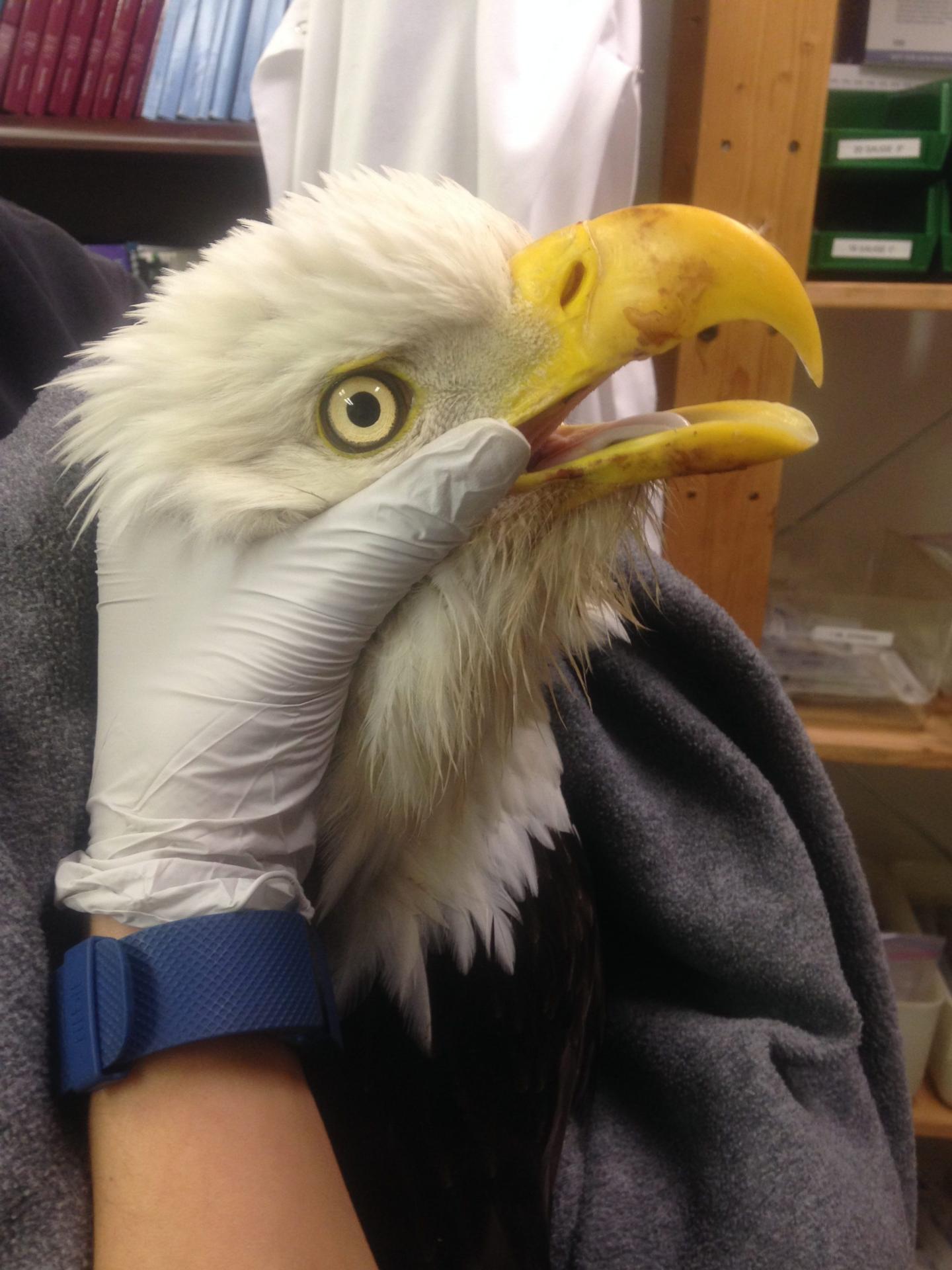
The chaotic result means many vets, who already struggle with sky-high student debt and low pay (especially in suburban and rural areas), are not able to care for rural animals and pay their own bills—an experience Bye is now quite familiar with. She realized how little attention food animals get, and now spends a few weeks at a time living in Texas working part-time with a classmate she graduated with, whose workload at his single-vet, large-animal hospital in Texas was busier than a beehive. 

The food chain and infectious disease

Food-animal vets ensure that food-chain animals are safe to consume. They “serve on the frontlines for infectious disease surveillance,” contributing to national and global health security, according to a report by Johns Hopkins University. Yet the profession has seen its labor force plummet while the number of herds of their four-legged clients have soared. The U.S. produces more veal and beef than anywhere else in the world, with over 12,000 metric tons in 2023, along with other animal products. 

Yet the number of large-animal vets has decreased 90% since the 1940s, and today just 2% of veterinarians exclusively work with livestock. According to the U.S. Department of Agriculture, 46 states have at least one rural area with a shortage of livestock vets. 

Part of the problem is that large corporations and investment firms are increasingly turning a field traditionally known for mom-and-pop, independent owners into big businesses. Now you can expect 75% of all specialty and emergency animal clinics to have a corporate owner, according to animal health firm Brakke Consulting. The firms are capitalizing on an important crisis vets face, namely poor pay and high student debt, which forces them to seek out better-paid jobs that corporate industries can afford. But corporations, which keep their eyes on profitability, often set up shop in busier cities or towns, which is drawing veterinarians away from the more rural areas they’re needed in.

For vets, who face average student debts of over $188,000, the lure of better pay is strong. They can earn more at a private practice, too. According to the American Veterinary Medical Association, in 2022 a private practice veterinarian earned an average salary of $114,000, compared to an independent practice salary of $87,000.    

A study that measured the impact of corporatization on independent veterinary practices found that a corporate practice could generate almost twice the revenue of an independent, rural practice of the same magnitude, and that the profitability of the model is “a major entry deterrence for rural veterinarians.” It also found that after a corporate practice emerges in an area, the employment and revenue rates of independent rural practices both decrease by about 3%. 

Read more from Fortune

  • This entrepreneurial couple cashed out their 401(k)s and sold a $126 million company—now, they run a U.K. soccer team
  • Trump’s 25% tariffs are backfiring and threatening Gen Z’s trade career aspirations—putting car manufacturing jobs in peril
  • Gen Z women are being sold a risky dream: the realities behind ‘investing’ in designer bags like the Hermès Birkin
  • Like Tim Cook and Gen Z, AEG’s top exec eats the same lunch most days and wears the same outfit
  • Warren Buffett reveals the unique education strategy he took in school—and eventually paid off with a $170 billion fortune
  •  

    ‘We could both work 12-hour days every day’: The chaos of a rural animal clinic

    Studies state that the rise of corporate ownership “puts a disproportionate amount of strain,” on the remaining veterinarians’ workload—a situation that Bye, a part-time rural vet, describes as “beyond busy.”

    Now age 56, Bye is in a better position than many veterinarians: She’s paid off her student debt, car loans, and has a place to live in both states she works in. She returns to Texas every few weeks to work a few days at a semirural animal hospital near Brenham that has only one vet, a prior classmate of hers, at the helm. 

    Ten days ago, she arrived to work at the clinic and saw a truckload of unannounced animal drop-offs (two were emergencies and five were large animals, like horses and cows). There were five animal surgeries scheduled within an hour and a half, and without her, there was only one vet to handle it all.

    “Then a horse comes in with a huge puncture wound under its arm, and while we’re talking about the horse, a farmer comes in with a cow that can’t give birth,” she said. “We could both work 12-hour days every day, that’s how much need is there. And that’s just a normal day.”
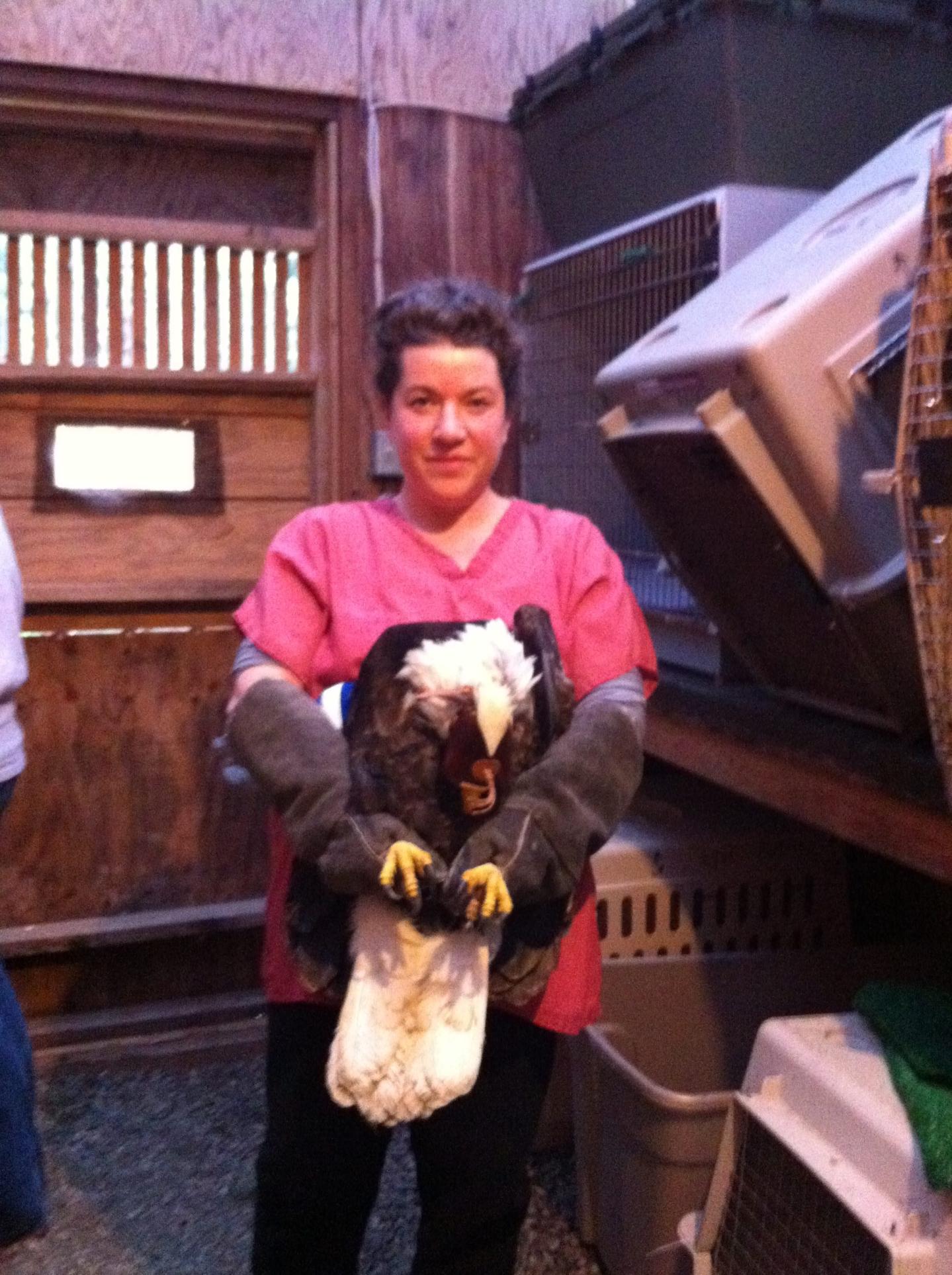
    The clinic, she said, is often booked out three weeks in advance and serves about a 30-mile radius of people who seek medical attention for their dogs, cats, and farm animals, like horses, chickens, goats, cows, and calves. Her reason for returning to the frenzy of the clinic is simple: “I know how desperate they are, and there are very few clinicians now that are trained to work with large animals.” 

    She plans to return to Texas for good once her son finishes school because she understands that small, independent clinics that don’t generate as much revenue as corporate-owned clinics are in trouble. 

    It’s not the first time food-animal vets have called for more support. About a decade after Bye graduated from vet school as part of Texas A&M’s class of 1999, she described getting a lot of “desperate emails” from the U.S. Department of Agriculture, proclaiming a big need for people to work in slaughter plants and farms. Next came messages from the Food and Drug Administration. 

    People trained in large-animal care, like Bye, were in great demand—but they were offered poor compensation compared to the more lucrative and profitable field of companion animals like dogs and cats, which is the field she began working in so she could afford to pay off her debt and rent.  

    The amount of money a person can bring home, Bye said, accounts for the “huge discrepancy between what skills are needed and what people are being trained for.” 

    Two government initiatives aimed at addressing the food-animal vet shortage includes the Veterinary Medicine Loan Repayment Program, which was established by Congress in 2003 and repays up to $75,000 of educational debt in exchange for three years of service in a shortage area. But it comes with a drawback: The payments are federally taxed, unlike similar programs for physicians, according to The Hill. 

    Proposed legislation, the Rural Veterinary Workforce Act, was introduced in 2023 to end the federal taxation, which now costs the U.S. Department of Agriculture an additional 39% for each loan repayment, the outlet reported. 

    A version of this story originally published on Fortune.com on Feb. 28, 2024.

    The Fortune 500 Innovation Forum will convene Fortune 500 executives, U.S. policy officials, top founders, and thought leaders to help define what’s next for the American economy, Nov. 16-17 in Detroit. Apply here.
    About the Author
    Sunny Nagpaul
    By Sunny Nagpaul
    LinkedIn icon
    See full bioRight Arrow Button Icon
    Add Fortune on Google for similar content.

    Latest in Success

    Finance
    Lorem ipsum dolor sit amet, consectetur adipiscing elit, sed do eiusmod tempor incididunt ut labore et dolore magna aliqua. Ut enim ad minim veniam
    By Fortune Editors
    October 20, 2025
    Finance
    Lorem ipsum dolor sit amet, consectetur adipiscing elit, sed do eiusmod tempor incididunt ut labore et dolore magna aliqua. Ut enim ad minim veniam
    By Fortune Editors
    October 20, 2025
    Finance
    Lorem ipsum dolor sit amet, consectetur adipiscing elit, sed do eiusmod tempor incididunt ut labore et dolore magna aliqua. Ut enim ad minim veniam
    By Fortune Editors
    October 20, 2025
    Finance
    Lorem ipsum dolor sit amet, consectetur adipiscing elit, sed do eiusmod tempor incididunt ut labore et dolore magna aliqua. Ut enim ad minim veniam
    By Fortune Editors
    October 20, 2025
    Finance
    Lorem ipsum dolor sit amet, consectetur adipiscing elit, sed do eiusmod tempor incididunt ut labore et dolore magna aliqua. Ut enim ad minim veniam
    By Fortune Editors
    October 20, 2025
    Finance
    Lorem ipsum dolor sit amet, consectetur adipiscing elit, sed do eiusmod tempor incididunt ut labore et dolore magna aliqua. Ut enim ad minim veniam
    By Fortune Editors
    October 20, 2025

    Most Popular

    Finance
    Lorem ipsum dolor sit amet, consectetur adipiscing elit, sed do eiusmod tempor incididunt ut labore et dolore magna aliqua. Ut enim ad minim veniam
    By Fortune Editors
    October 20, 2025
    Finance
    Lorem ipsum dolor sit amet, consectetur adipiscing elit, sed do eiusmod tempor incididunt ut labore et dolore magna aliqua. Ut enim ad minim veniam
    By Fortune Editors
    October 20, 2025
    Finance
    Lorem ipsum dolor sit amet, consectetur adipiscing elit, sed do eiusmod tempor incididunt ut labore et dolore magna aliqua. Ut enim ad minim veniam
    By Fortune Editors
    October 20, 2025
    Finance
    Lorem ipsum dolor sit amet, consectetur adipiscing elit, sed do eiusmod tempor incididunt ut labore et dolore magna aliqua. Ut enim ad minim veniam
    By Fortune Editors
    October 20, 2025
    Finance
    Lorem ipsum dolor sit amet, consectetur adipiscing elit, sed do eiusmod tempor incididunt ut labore et dolore magna aliqua. Ut enim ad minim veniam
    By Fortune Editors
    October 20, 2025
    Finance
    Lorem ipsum dolor sit amet, consectetur adipiscing elit, sed do eiusmod tempor incididunt ut labore et dolore magna aliqua. Ut enim ad minim veniam
    By Fortune Editors
    October 20, 2025
    Fortune Secondary Logo
    Rankings
    • 100 Best Companies
    • Fortune 500
    • Global 500
    • Fortune 500 Europe
    • Most Powerful Women
    • World's Most Admired Companies
    • See All Rankings
    • Lists Calendar
    Sections
    • Finance
    • Fortune Crypto
    • Features
    • Leadership
    • Health
    • Commentary
    • Success
    • Retail
    • Mpw
    • Tech
    • Lifestyle
    • CEO Initiative
    • Asia
    • Politics
    • Conferences
    • Europe
    • Newsletters
    • Personal Finance
    • Environment
    • Magazine
    • Education
    Customer Support
    • Frequently Asked Questions
    • Customer Service Portal
    • Privacy Policy
    • Terms Of Use
    • Single Issues For Purchase
    • International Print
    Commercial Services
    • Advertising
    • Fortune Brand Studio
    • Fortune Analytics
    • Fortune Conferences
    • Business Development
    • Group Subscriptions
    About Us
    • About Us
    • Press Center
    • Work At Fortune
    • Terms And Conditions
    • Site Map
    • About Us
    • Press Center
    • Work At Fortune
    • Terms And Conditions
    • Site Map
    • Facebook icon
    • Twitter icon
    • LinkedIn icon
    • Instagram icon
    • Pinterest icon

    Latest in Success

    Ejay O'Donnell, Bart Szaniewski, and Grant Eastey wear Dad Gang hats in a factory
    SuccessEntrepreneurship
    Three dads started selling hats from a garage with $750—now they’ve sold $35 million worth, partnered with Gary Vee, and grown a community of fathers
    By Preston ForeJuly 4, 2026
    2 hours ago
    loco
    Travel & LeisureEntrepreneurship
    The World Cup is just now discovering Middle America’s big heart. These Irish bingo kingpins built a $24 million business knowing it all along
    By Nick LichtenbergJuly 4, 2026
    3 hours ago
    Elon Musk with a black DOGE hat
    SuccessWealth
    Even as Elon Musk calls philanthropy ‘very hard,’ every day Americans gave a record $617 billion—despite feeling the squeeze over the cost of living
    By Preston ForeJuly 4, 2026
    5 hours ago
    ‘It’s just his AI and my AI going back and forth’: The workplace phenomenon that’s undermining human relationships
    Future of WorkWorkforce
    ‘It’s just his AI and my AI going back and forth’: The workplace phenomenon that’s undermining human relationships
    By Jacqueline MunisJuly 3, 2026
    21 hours ago
    Chad Hurley and Steven Chen wearing suits
    SuccessWealth
    YouTube’s founders split over $650 million when they sold to Google in 2006—had they held out, they could have taken a slice of $550 billion
    By Preston ForeJuly 3, 2026
    21 hours ago
    2
    Commentary250 Years of Innovation
    America’s secret weapon isn’t just innovation — It’s the freedom to fail
    By Keith KrachJuly 3, 2026
    1 day ago

    Most Popular

    Egg companies made $1.22 billion in profit off a $6 carton — now they’re buying their way out of a price-fixing case with 53 million donated eggs
    Law
    Egg companies made $1.22 billion in profit off a $6 carton — now they’re buying their way out of a price-fixing case with 53 million donated eggs
    By Wyatte Grantham-Philips and The Associated PressJuly 2, 2026
    2 days ago
    Meet the Zillennials: The luckiest micro-generation in the workforce, born between 1993 and 1998
    AI
    Meet the Zillennials: The luckiest micro-generation in the workforce, born between 1993 and 1998
    By Nick LichtenbergJuly 3, 2026
    1 day ago
    Economists have found an answer to slowing cognitive decline: Avoid retiring early, study finds
    Economy
    Economists have found an answer to slowing cognitive decline: Avoid retiring early, study finds
    By Sasha RogelbergJuly 2, 2026
    2 days ago
    On Wall Street, analysts increasingly don’t believe the U.S. government’s 'misleading' job numbers
    Economy
    On Wall Street, analysts increasingly don’t believe the U.S. government’s 'misleading' job numbers
    By Jim EdwardsJuly 3, 2026
    1 day ago
    $25 billion CEO says one-hour interviews are a waste of time—he puts candidates through six hours of tests and wants them to order wine at lunch
    Success
    $25 billion CEO says one-hour interviews are a waste of time—he puts candidates through six hours of tests and wants them to order wine at lunch
    By Orianna Rosa RoyleJuly 3, 2026
    1 day ago
    In Iran, regime officials who survived the war intended to kill them appear in public for dayslong funeral of the late Supreme Leader Khamenei
    Politics
    In Iran, regime officials who survived the war intended to kill them appear in public for dayslong funeral of the late Supreme Leader Khamenei
    By Nasser Karimi, Jon Gambrell and The Associated PressJuly 3, 2026
    1 day ago

    © 2026 Fortune Media IP Limited. All Rights Reserved. Use of this site constitutes acceptance of our Terms of Use and Privacy Policy | CA Notice at Collection and Privacy Notice | Do Not Sell/Share My Personal Information
    FORTUNE is a trademark of Fortune Media IP Limited, registered in the U.S. and other countries. FORTUNE may receive compensation for some links to products and services on this website. Offers may be subject to change without notice.