• Home
  • News
  • Fortune 500
  • Tech
  • Finance
  • Leadership
  • Lifestyle
  • Rankings
  • Multimedia
CommentaryAI

Google’s SVP of research, technology and society: People understand that AI will disrupt their lives–but they hope it’s for the better. We must not let them down

By
James Manyika
James Manyika
Down Arrow Button Icon
By
James Manyika
James Manyika
Down Arrow Button Icon
January 16, 2024, 8:28 AM ET
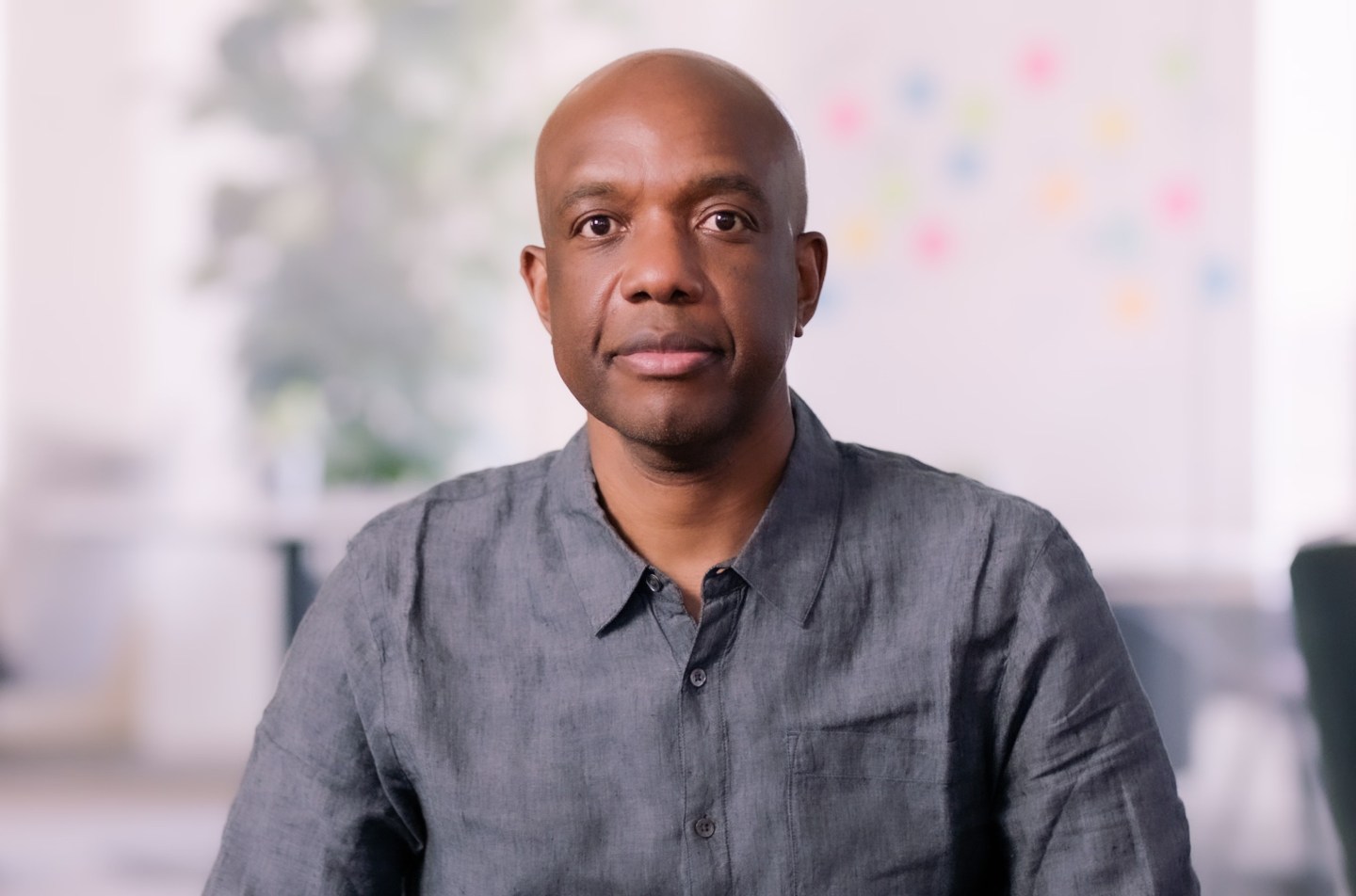
James Manyika is Google's SVP of research, technology and society.
James Manyika is Google's SVP of research, technology and society.Courtesy of James Manyika

In 2023, after a decade of significant progress in its development and use, artificial intelligence (AI) burst into the public consciousness, expanding our sense of possibility, challenging how we approach many tasks, and sparking public and private debate. If 2023 was the year the world came to experience AI, 2024 is the year that will chart the course for how it impacts society for decades to come.

This makes the coming year a moment of urgent opportunity. If the world gets this right, AI will assist us in everyday tasks as well as our most ambitious and imaginative endeavors, enable innovation and prosperity, and benefit people everywhere. To do that, we must work proactively and collectively toward realizing AI’s benefits, addressing its challenges and risks, and governing it in ways that build trust.

AI’s potential economic value has been estimated to be from $17 to $25 trillion globally. Some of this economic benefit will be a result of entrepreneurs and businesses of all sizes leveraging AI to innovate, create, and be more productive. It will also undoubtedly come from the scientific applications and discoveries AI makes possible. Some illustrative examples in science from the past year include AI models able to categorize genetic mutations as benign or harmful, and breakthroughs that will lead to more inclusive and equitable genetics testing and treatment. There are numerous other examples in fields ranging from material science to energy.

AI also offers new ways to address pressing societal challenges–whether it’s helping us diagnose and improve health outcomes or mitigate and adapt to climate change. For example, AI-enabled flood forecasting is now providing flood alerts to more than 80 countries and 472 million people. 

This is not going unnoticed by the general public. The results of forthcoming public opinion research Google conducted with Ipsos, spanning 17 countries, show that while respondents expect AI to disrupt work and life, they also believe that this disruption would overall be positive. These attitudes are most pronounced in countries in the Global South–but come with heightened expectations that those countries will be involved in AI’s development and use and benefit from its transformational potential.

At the same time, AI also presents complexities and risks that must be taken seriously. Some of these include performance issues like factuality, bias, and toxicity. Even when AI works as intended, it can be applied in inappropriate ways or misused by bad actors. Misinformation is a particularly timely concern for 2024, as an estimated 2.5 billion people in more than 60 countries are expected to go to the polls.

As the world has done with previous technological breakthroughs, we need to navigate societal complexities around how AI will cause the labor market and jobs to evolve. If we get it right, AI offers an avenue for assisting people, powering our economies, and expanding shared prosperity. But we will need to thoughtfully address questions around inclusion and reskilling, with a focus on how AI can complement rather than replace human capacity. None of these challenges can or should be addressed by a single entity, given that the development, deployment, and use of AI will happen across countries and regions. Governance for AI must be inclusive–and focused on the public interest.

Last year brought a number of national and international efforts to address some of these questions, including governance and regulation: the U.S., the E.U., the G7, and the UN High-Level Advisory Body on AI, an effort I am co-chairing. In 2024, we must build on this encouraging progress in ways that benefit people, protect fundamental human rights, and international law, and engage a broad and representative group of stakeholders including those in the Global South. The world is currently off track on more than 80% of the United Nations’ Sustainable Development Goals with huge implications for people’s lives, prosperity, and the health of our planet–and AI may help us make more progress.

If we as a society are to set ourselves on the road to fully realizing the societal and economic potential of AI, then 2024 must be a year of action across sectors, disciplines, and geographic borders. We have much to accomplish.

James Manyika is Google’s SVP of research, technology and society.

More must-read commentary published by Fortune:

  • Economic pessimists’ bet on a 2023 recession failed. Why are they doubling down in 2024?
  • ‘Parroting Putin’s propaganda’: The business exodus over Ukraine was no Russian bonanza
  • WEF president: ‘It’s time to revitalize trade—and reverse the trend of Slowbalization’
  • The anti-DEI movement has gone from fringe to mainstream. Here’s what that means for corporate America

The opinions expressed in Fortune.com commentary pieces are solely the views of their authors and do not necessarily reflect the opinions and beliefs of Fortune.

Fortune Brainstorm AI returns to San Francisco Dec. 8–9 to convene the smartest people we know—technologists, entrepreneurs, Fortune Global 500 executives, investors, policymakers, and the brilliant minds in between—to explore and interrogate the most pressing questions about AI at another pivotal moment. Register here.
About the Author
By James Manyika
See full bioRight Arrow Button Icon

Latest in Commentary

Steve Milton is the CEO of Chain, a culinary-led pop-culture experience company founded by B.J. Novak and backed by Studio Ramsay Global.
CommentaryFood and drink
Affordability isn’t enough. Fast-casual restaurants need a fandom-first approach
By Steve MiltonDecember 5, 2025
10 hours ago
Paul Atkins
CommentaryCorporate Governance
Turning public companies into private companies: the SEC’s retreat from transparency and accountability
By Andrew BeharDecember 5, 2025
10 hours ago
Matt Rogers
CommentaryInfrastructure
I built the first iPhone with Steve Jobs. The AI industry is at risk of repeating an early smartphone mistake
By Matt RogersDecember 4, 2025
1 day ago
Jerome Powell
CommentaryFederal Reserve
Fed officials like the mystique of being seen as financial technocrats, but it’s time to demystify the central bank
By Alexander William SalterDecember 4, 2025
1 day ago
Rakesh Kumar
CommentarySemiconductors
China does not need Nvidia chips in the AI war — export controls only pushed it to build its own AI machine
By Rakesh KumarDecember 3, 2025
2 days ago
Rochelle Witharana is Chief Financial and Investment Officer for The California Wellness Foundation
Commentarydiversity and inclusion
Fund managers from diverse backgrounds are delivering standout returns and the smart money is slowly starting to pay attention
By Rochelle WitharanaDecember 3, 2025
2 days ago

Most Popular

placeholder alt text
Economy
Two months into the new fiscal year and the U.S. government is already spending more than $10 billion a week servicing national debt
By Eleanor PringleDecember 4, 2025
1 day ago
placeholder alt text
Success
‘Godfather of AI’ says Bill Gates and Elon Musk are right about the future of work—but he predicts mass unemployment is on its way
By Preston ForeDecember 4, 2025
1 day ago
placeholder alt text
Success
Nearly 4 million new manufacturing jobs are coming to America as boomers retire—but it's the one trade job Gen Z doesn't want
By Emma BurleighDecember 4, 2025
1 day ago
placeholder alt text
Success
Nvidia CEO Jensen Huang admits he works 7 days a week, including holidays, in a constant 'state of anxiety' out of fear of going bankrupt
By Jessica CoacciDecember 4, 2025
1 day ago
placeholder alt text
Real Estate
‘There is no Mamdani effect’: Manhattan luxury home sales surge after mayoral election, undercutting predictions of doom and escape to Florida
By Sasha RogelbergDecember 4, 2025
1 day ago
placeholder alt text
Economy
Tariffs and the $38 trillion national debt: Kevin Hassett sees ’big reductions’ in deficit while Scott Bessent sees a ‘shrinking ice cube’
By Nick LichtenbergDecember 4, 2025
1 day ago
Rankings
  • 100 Best Companies
  • Fortune 500
  • Global 500
  • Fortune 500 Europe
  • Most Powerful Women
  • Future 50
  • World’s Most Admired Companies
  • See All Rankings
Sections
  • Finance
  • Leadership
  • Success
  • Tech
  • Asia
  • Europe
  • Environment
  • Fortune Crypto
  • Health
  • Retail
  • Lifestyle
  • Politics
  • Newsletters
  • Magazine
  • Features
  • Commentary
  • Mpw
  • CEO Initiative
  • Conferences
  • Personal Finance
  • Education
Customer Support
  • Frequently Asked Questions
  • Customer Service Portal
  • Privacy Policy
  • Terms Of Use
  • Single Issues For Purchase
  • International Print
Commercial Services
  • Advertising
  • Fortune Brand Studio
  • Fortune Analytics
  • Fortune Conferences
  • Business Development
About Us
  • About Us
  • Editorial Calendar
  • Press Center
  • Work At Fortune
  • Diversity And Inclusion
  • Terms And Conditions
  • Site Map

© 2025 Fortune Media IP Limited. All Rights Reserved. Use of this site constitutes acceptance of our Terms of Use and Privacy Policy | CA Notice at Collection and Privacy Notice | Do Not Sell/Share My Personal Information
FORTUNE is a trademark of Fortune Media IP Limited, registered in the U.S. and other countries. FORTUNE may receive compensation for some links to products and services on this website. Offers may be subject to change without notice.