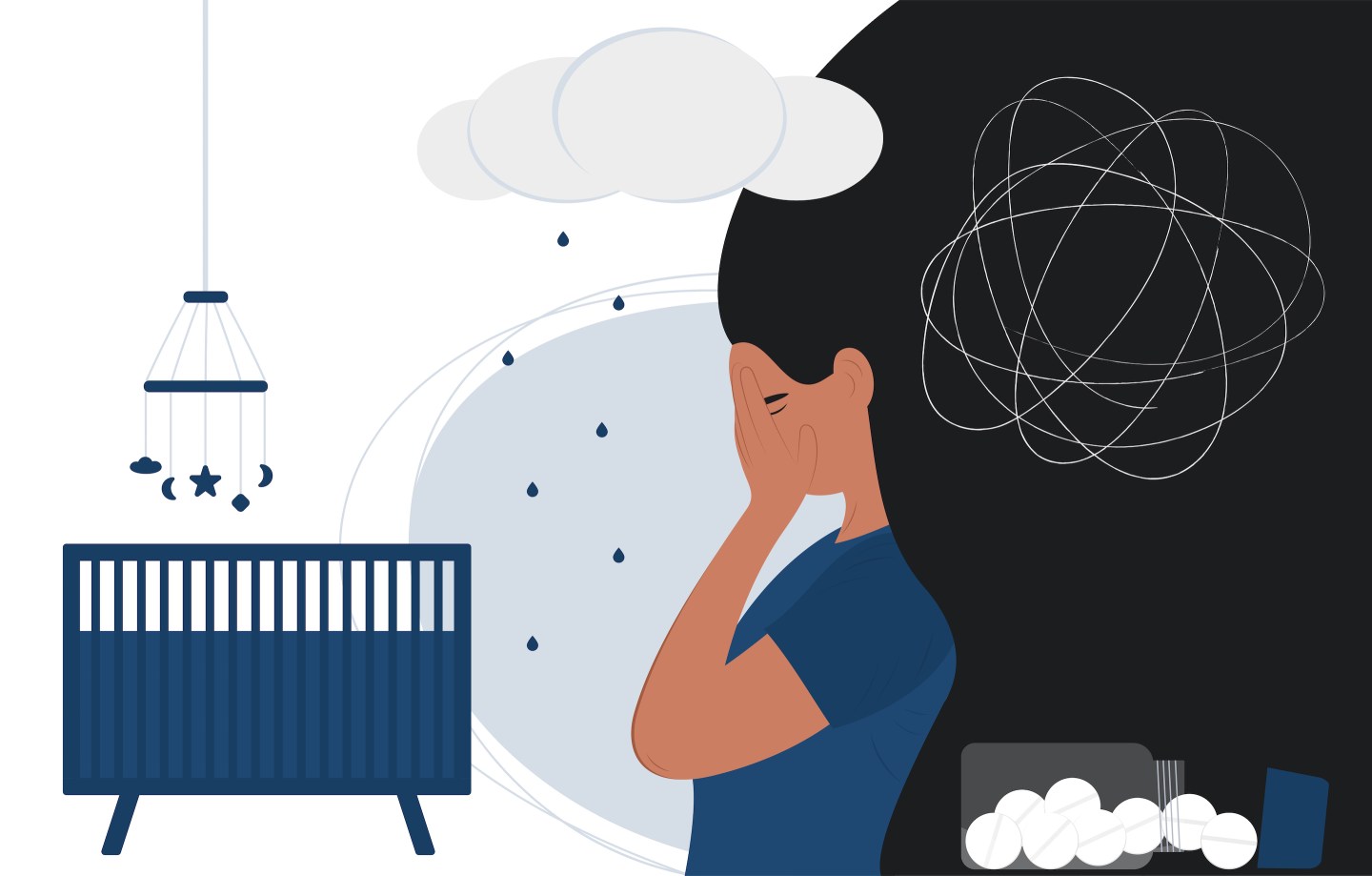
When one thinks about an expecting or new mother, idealized images of a smiling woman cradling her stomach or holding her newborn may come to mind. Unfortunately, for many women, the realities of pregnancy and postpartum are far more complex. For some, it is an unexpected and unsettling trigger for something serious and potentially quite dangerous.
Postpartum depression (PPD) is a public health crisis that has lived in the shadows of society despite being one of the most common medical complications associated with childbirth. It is estimated that about one in eight women in the U.S. experience symptoms of PPD, with the prevalence reported to be much higher among Black and brown women. PPD is more prevalent than preterm birth, preeclampsia, or gestational diabetes, all of which are commonly screened for and treated urgently. Yet women with PPD often face societal stigma and barriers to treatment access.
PPD is not the “baby blues,” and the consequences, if left untreated, can be devastating. PPD can have a lasting generational impact, leading to the potential for delayed or impaired long-term developmental, psychological, cognitive, and physical outcomes in children. It is estimated that the types of outcomes associated with perinatal mood and anxiety disorders cost the system nearly $2 billion for all impacted children through the first five years of life. Suicide is a leading cause of maternal mortality and accounts for up to 20% of postpartum deaths. These staggering statistics speak to the urgency to treat maternal mental health conditions.
As the CEO of a company deeply committed to maternal mental health, with the only two FDA-approved treatments for women with PPD on the market, and as a psychiatrist on the front lines of clinical practice supporting women during this vulnerable period, we have a shared vision for a better path. We believe that an immediate and holistic investment must be made in addressing shortcomings in women’s health care, particularly within disproportionately impacted communities of color and those with social disadvantages. These investments are complementary and necessary for overall well-being. When women are healthier, everyone benefits.
While mental well-being is quickly being recognized as a critical component of overall health, more work must be done. Awareness and education can be an essential first step. Ensuring resources and support are readily available, before giving birth, will allow new moms to recognize symptoms and seek help instead of feeling ashamed.
Ease access barriers through integrated care
Women who seek care for maternal mental health often face barriers to accessing adequate treatment. First, evaluation and treatment routinely fail to include mental health components. Second, psychiatrists are well-trained to treat PPD, but rarely get referrals. Limited availability for timely appointments with a trained mental health care professional can undermine a woman’s ability to get care.
Integration of care is a promising approach to addressing the provider shortage and may improve early identification and treatment. Ob-gyns, midwives, nurses, primary care physicians, pediatricians, and doulas all play a critical role in identifying and caring for women with untreated maternal mental health conditions. The integration between various health care professionals can better support women, reduce stigma, and improve awareness.
Standardized educational requirements within medical schools can also help fill the care gap. Despite how common and serious maternal mental health conditions are, medical student exposure to reproductive psychiatry is limited.
Make screening for mental well-being standard
Several U.S. health care institutions recommend screening for maternal mental health disorders. In practice, these screenings often occur situationally and only if symptoms or other risk factors are present. Today’s approach has led to approximately 50% of all postpartum depression cases in the U.S. going undiagnosed.
The American College of Obstetricians and Gynecologists (ACOG) recently updated its perinatal mental health screening and treatment guidelines, marking an important step forward in acknowledging gaps and raising the standard of care. Policy reforms can help accelerate and incentivize the standardization of screening through more consistent maternal mental health reimbursement.
Follow up and educate on the range of possible treatment options
Finally, health care providers should review all potential treatment options, including talk therapy, support groups, therapeutic interventions, and inpatient hospitalization when safety or ability to care for oneself is a concern. Education about care optionality can empower women to make more informed decisions about their health care. The weeks following birth are a critical period, setting the stage for long-term health and well-being.
We have to do better. Maternal mental health is women’s health. It’s time we raise our collective voices about the urgency to prioritize action. With informed policies and practice frameworks we can better support early intervention and ensure a collaborative focus on new moms. PPD is not a moral failing; it is a serious medical condition that is often the result of biological issues. We owe it to these women, their babies, and their families to treat it as such.
Barry Greene is CEO of Sage Therapeutics. Dr. Craig Chepke, MD, DFAPA, is a medical director at Excel Psychiatric Associates. Sage is a sponsor of Fortune Brainstorm Health.