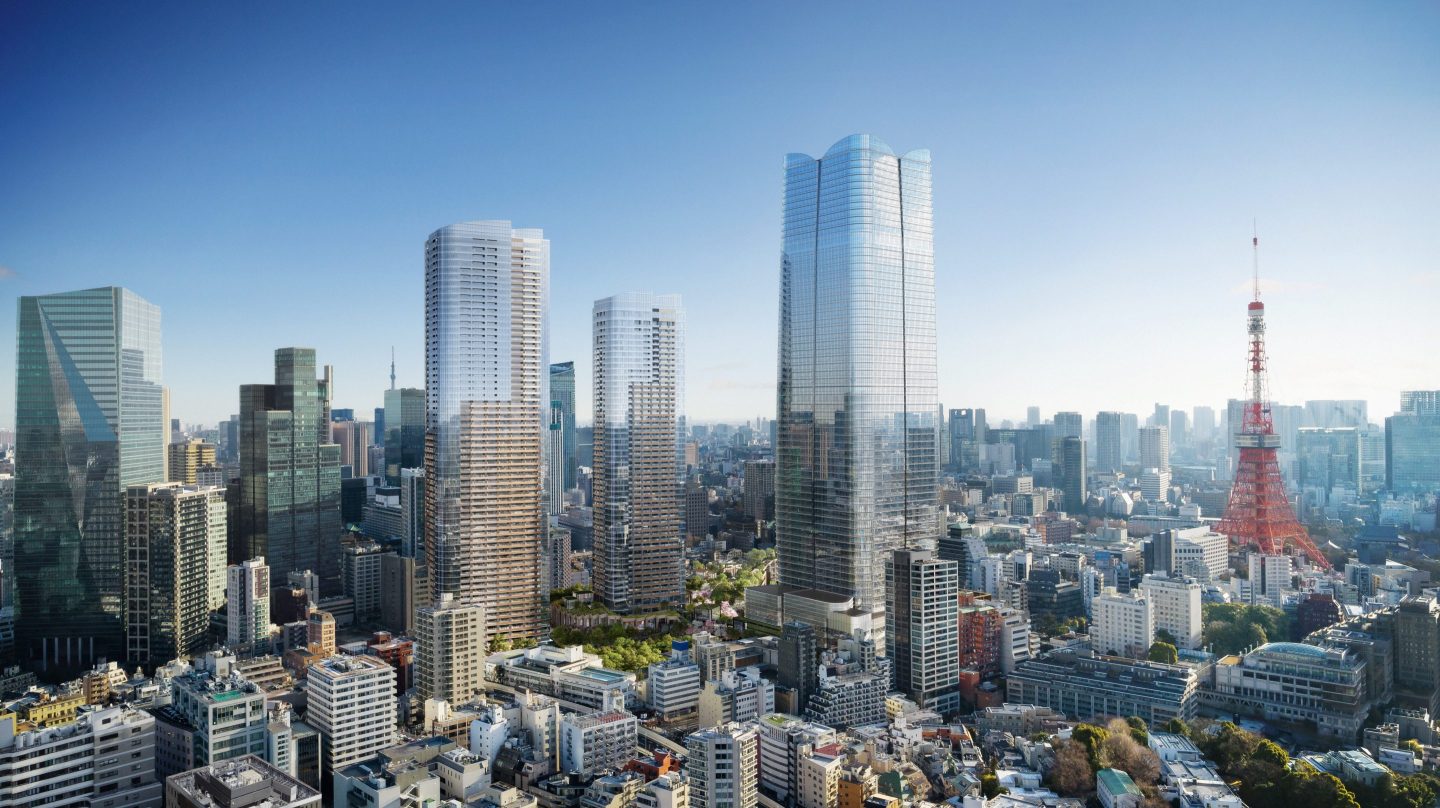
On Nov. 24, a new skyscraper will officially loom over Tokyo’s skyline. The Azabudai Hills, at 1,067 feet, is now Japan’s tallest skyscraper, surpassing the Abeno Harukas tower in Osaka by 83 feet.
But the project is more than just a tall tower. For its developer, Mori Building Company, Azabudai Hills is a path to recast Tokyo’s future.
“Tokyo must evolve into a ‘city of choice’ among global players,” Shingo Tsuji, Mori Building’s CEO, says. “Global players are looking for more than just an office environment.” (A recent report from management consultancy firm Kearney ranked Tokyo in fourth place among global cities, behind New York, Paris and London, despite “declines in business activity and information exchange.”)
And to get there, Mori is pitching the project, designed by architecture firm Pelli Clarke & Partners, as a “vertical garden city,” a combination of green space, mixed-use buildings and public transit on a whopping 872,000 square-foot plot of land that reflects how city-dwellers want to live in a post-COVID world.
Pelli Clarke & Partners and its founder, Cesar Pelli, have a long history with Japan, after the Argentine-American architect helped design the U.S. embassy in Tokyo, completed in 1976. Since then, the firm has helped design projects throughout the country, like Abeno Harukas, formerly Japan’s tallest building, and Tokyo’s Nihonbashi Mitsui Tower, which combines a gleaming skyscraper with a 1929-era historic landmark.
PC&P’s Azabudai Hills project features a few traits that distinguish it from skyscrapers around the world. For one, it’s fat. The tower’s floor space is a lot larger than the needle-thin towers that puncture cityscapes the world over. That large floor plan is key to Mori’s vision of cramming the many different aspects of urban life in one single building.
Standard floor plans in Azabudai Hills’s main tower are about 52,000 square feet. That compares to skyscrapers like New York’s One World Trade Center or Hong Kong’s International Commerce Center that offer between 35,000 to 40,000 square feet of leasable area per floor.
And it’s not purely an office block. The Azabudai Hills project is three connected towers: a mixed-use main tower, with office, residential and hotel space, and two residential towers close by.
The architects tried to tackle two “contradictory” goals, says Fred Clarke, who founded the firm alongside Pelli in 1977. “Our thinking, from the beginning, was how to do a very large building that also had a serene and humane presence in the neighborhood,” he said.
“We’ve worked very hard to create expressive tops, particularly for the main building, to celebrate reaching upward, then create a transparent, welcoming, porous ground at lower levels that welcome the community into the building,” he says.
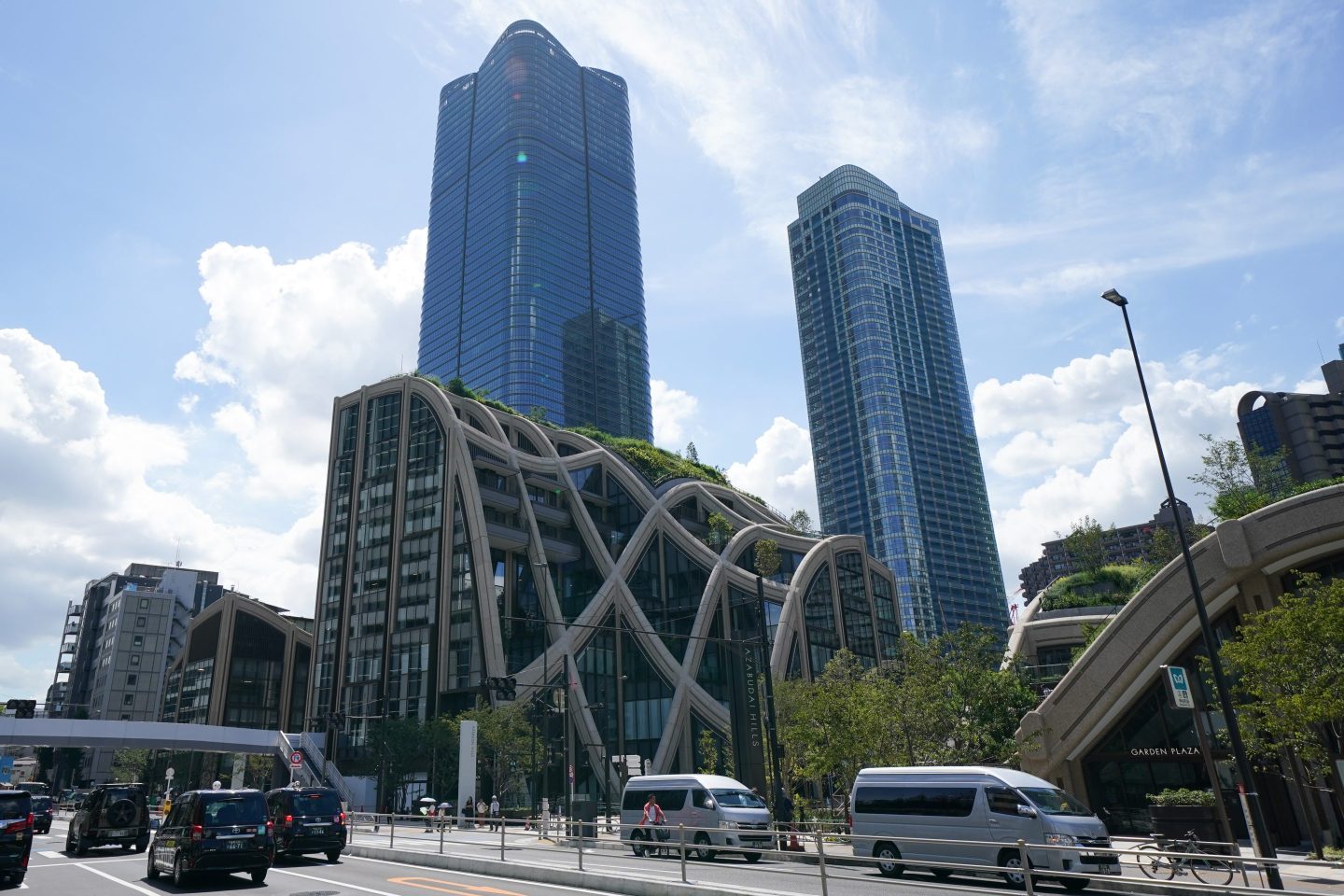
Tsuji of Mori Building sees a different upside to a tall, mixed-use building: more green space at street level. One third of the 8.1 hectare space will be taken up by a park, with space reserved for an orchard and a vegetable garden.
The centerpiece of the ground level is a massive pergola, designed by famed designer Thomas Heatherwick, also responsible for the controversial Vessel structure in New York’s Hudson Yards. In 2019, Heatherwick said he “wanted to put some of the wildness squeezed out of cities back into the heart of the [Azabudai Hills] project,” in an interview with design outlet Wallpaper.
Tsuji believes the after-effects of the pandemic are pushing Japan’s urban residents to embrace Azabudai Hills. “People will increasingly desire to live, work, and relax in an environment that is harmony with nature, not to mention a place that is beneficial for their mental and physical health,” he says.
Sidestepping the skyscraper arms race
Despite being the tallest building in Japan, Azabudai Hills isn’t that high by global standards. At 1,067 feet, the building doesn’t rank in the world’s top 100 tallest skyscrapers.
No. 100 is currently Suning Plaza Tower 1 in Zhenjiang, China, standing at 1,109 feet, according to the Council on Tall Buildings and Urban Habitat. The U.S.’s tallest building, the One World Trade Center in New York City, is in 7th place at 1,776 feet. Dubai’s Burj Khalifa is the world’s highest skyscraper by a large margin, at 2,717 feet.
PC&P knows how to build tall skyscrapers; Pelli designed the Petronas Towers in Kuala Lumpur, Malaysia, the world’s tallest buildings upon completion in 1998. (They are now ranked in 19th place).
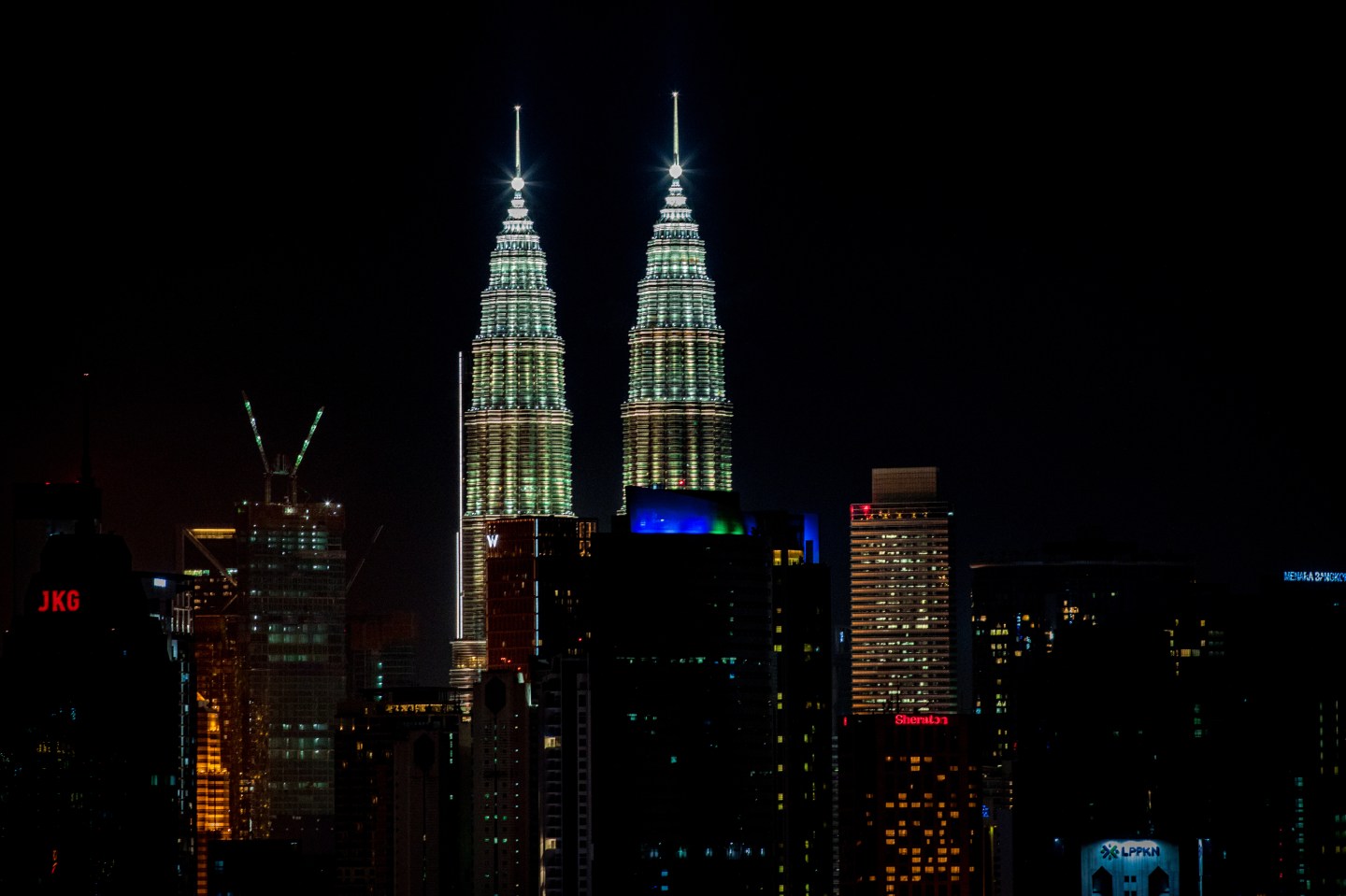
So why has Japan skipped the skyscraper arms race seen in countries like China, Malaysia and the UAE?
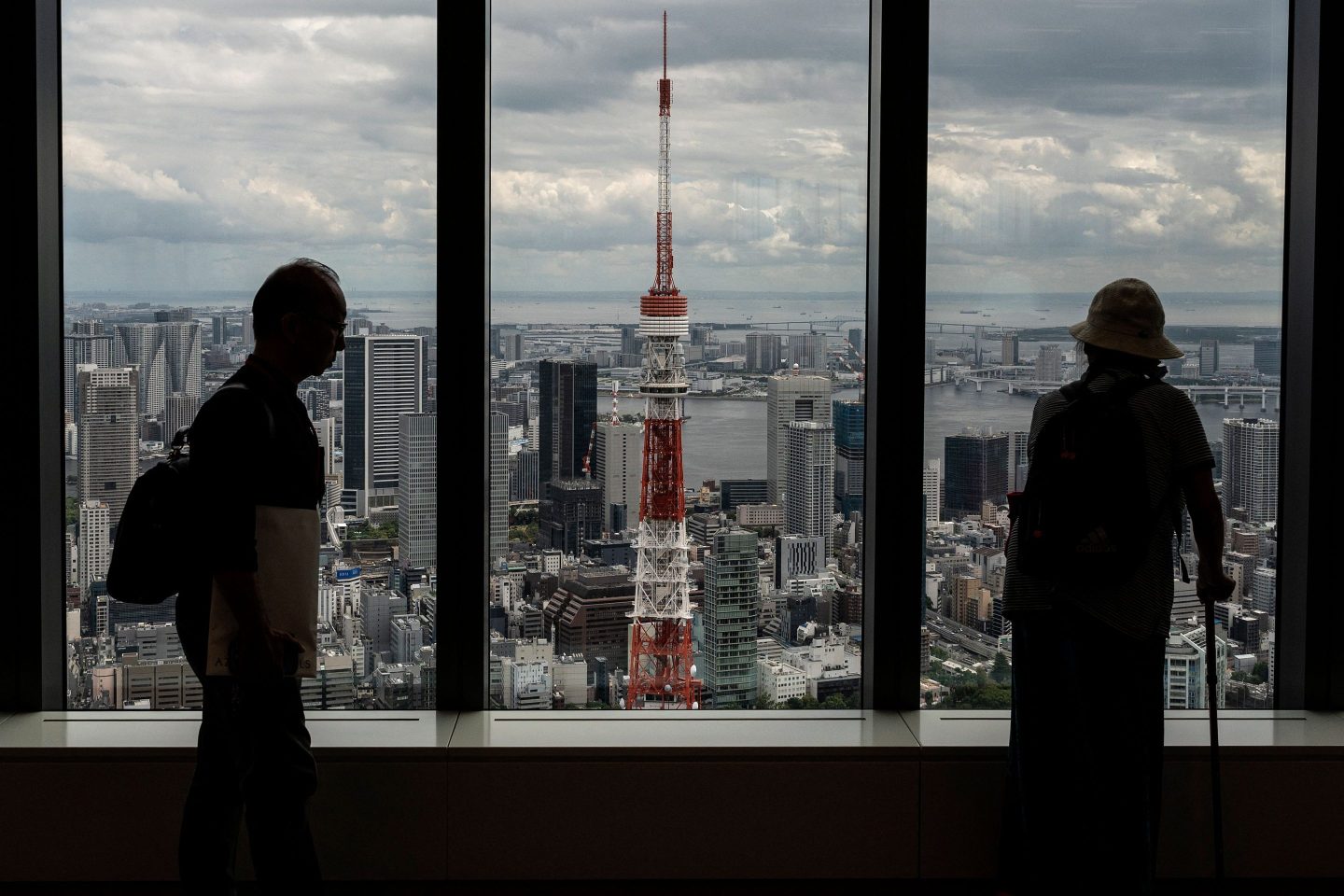
One reason, Clarke explains, is tradition. “It’s agreed that tall buildings, at least at this moment in time, in Japan will not be taller than Tokyo Tower,” he says. (Tokyo Tower is a major communications and observation tower in the city, and stands at 1,091 feet).
Clarke points to a few other factors that limit building height: cost, as well as the need to ensure that all buildings can withstand Japan’s common earthquakes. “Structural engineering is a limitation,” he says, “but at this point in history, they could go much higher if they really wanted to.”
Learning from Asia
Clarke noted that Asian cities were much more welcoming to mixed-use buildings that combine office, retail, and residential space together in one building or complex. That’s partly due to cost: Land and construction costs in cities like Singapore and Hong Kong can be expensive, forcing designers and developers to be efficient in terms of design.
But there’s a cultural aspect too: In Asia, “people really do want to live, work and recreate in the same place,” Clarke says. “People really don’t want to commute for eight or nine hours a week.”
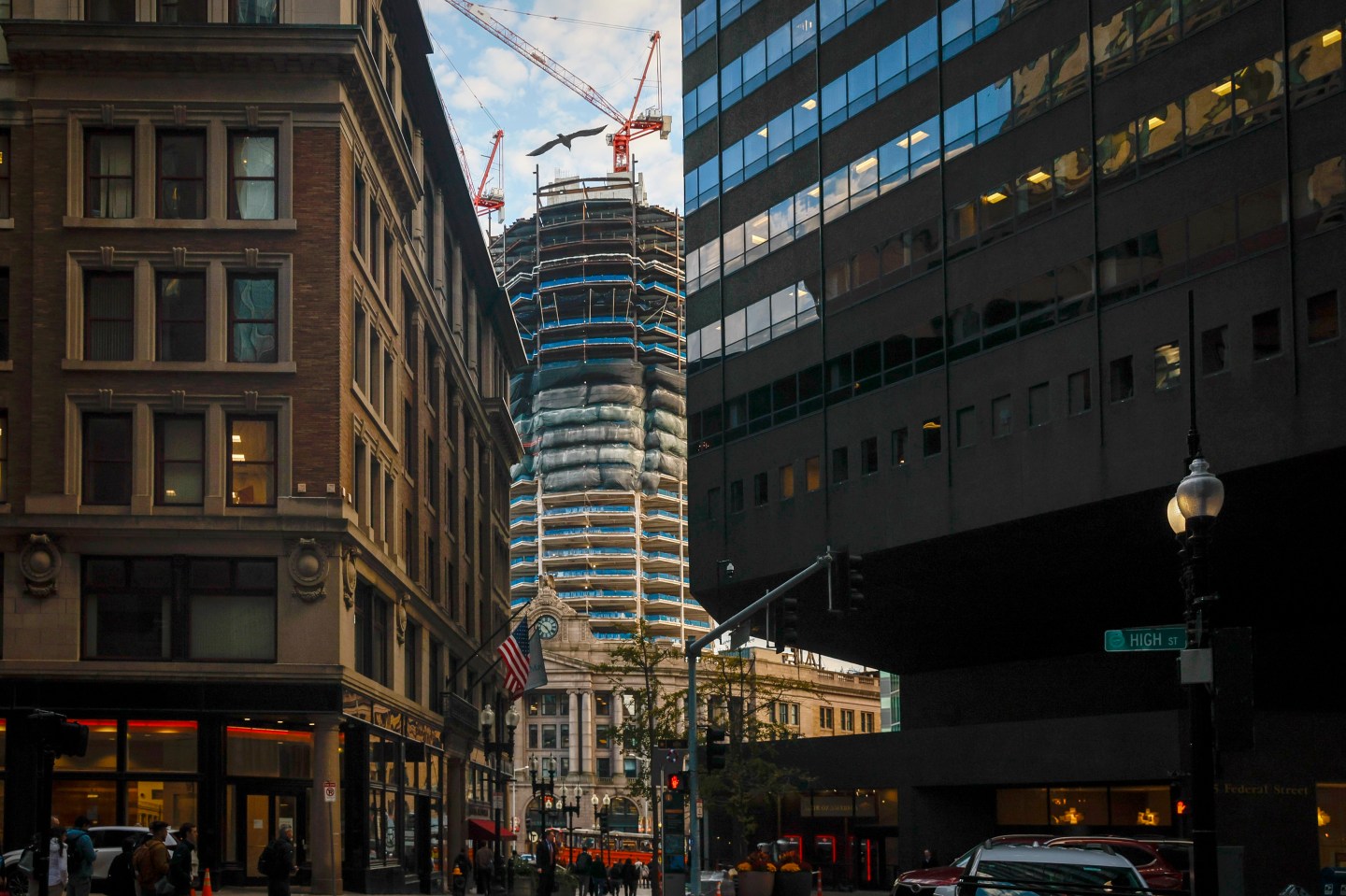
PC&P is now bringing mixed use buildings to the United States, such as the 30-year-long project to build a tower on top of Boston’s South Station. (Construction of the tower, which preserves the station’s design, started in 2020 and is expected to open in 2025).
“Society matures and evolves” around a lengthy project like South Station or Azabudai Hills, Clarke says. “The project can adapt and be responsive to societal change.”
Fortune’s Brainstorm Design conference is returning on Dec. 6 at the MGM Cotai in Macau, China. Panelists and attendees will debate and discuss “Empathy in the Age of AI” or how new technologies are revolutionizing the creative industry.