
This year has seen the hottest summer ever recorded, with the toll of extreme heat visible in the deadly fires in Maui, a blistering monthlong heat wave in Phoenix, and temperatures in the Middle East so scorching that Iran shut down for two days. (Yes, the whole country shut down.)
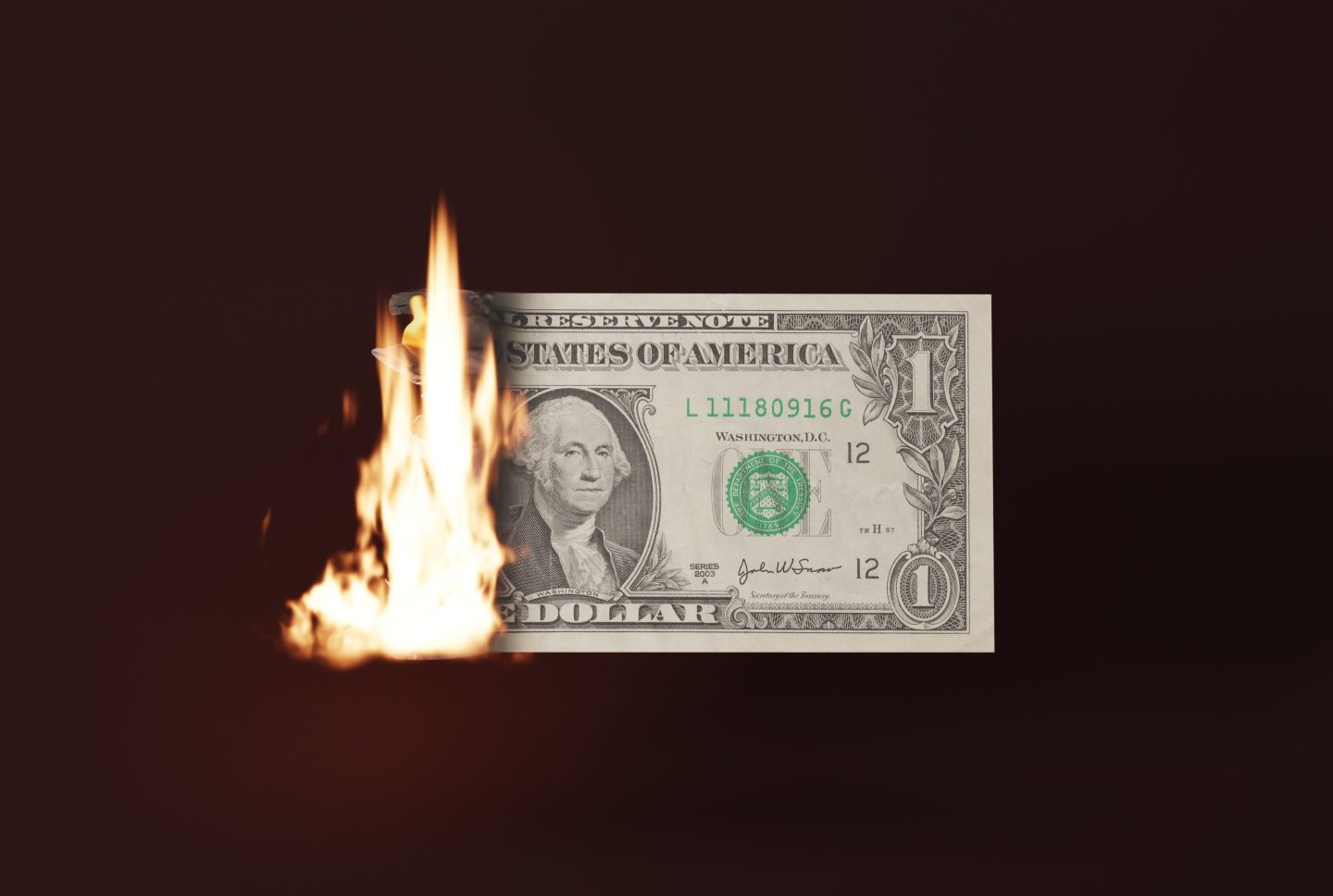
The heat is also taking an economic toll as workers everywhere adapt by working more slowly or shortening their hours. But what does that add up to? A report by the Atlantic Council estimated in 2021 that high temperatures cost the economy $100 billion a year by reducing labor productivity, but the hottest summer in 100,000 years could be changing that calculus, fast.
The $100 billion figure could double by 2030 and hit $500 billion by 2050, unless carbon emissions are reduced or businesses adapt to extreme heat, the Atlantic Council concluded. Other experts put the costs higher still. High heat could lead to $1 trillion in losses by the end of the century, University of Chicago environmental scientist Amir Jina told CBS News in 2021.
Heat is the “silent killer” whose deadliness belies its unequal impact, according to former Federal Reserve economist Claudia Sahm. Known, among other things, for developing a recession indicator now called the “Sahm Rule,” she has also advised Congress and foreign governments on fiscal and monetary policy.
When it comes to heat’s impact, that $100 billion figure masks “considerable differences between various parts of the economy,” she wrote in Bloomberg Opinion. For instance, she wrote that corporate workers are better protected from heat than those in agriculture—who almost exclusively work outdoors and where there has been little adaptation to rising temperatures.
Though agriculture has the largest decline in productivity, the sector’s impact on the greater productivity loss is relatively small, Sahm said. Still, 20% of U.S. laborers work in heat-exposed sectors, including utilities, construction, manufacturing, and transportation.
Even education is impacted, Sahm said. Higher temperatures damage students’ ability to learn. Students in high temperatures had worse test results compared to those learning in air-conditioned buildings (which poorer school districts often lack), according to a 2018 research paper.
She’s not alone among economic and urban experts in seeing a vast change ahead, all because of the heat.
Outdoor laborers feeling the heat
Workers must take more frequent breaks or work fewer hours in extreme heat. Otherwise they risk heat-related illnesses such as heat stroke, heat exhaustion, and heat syncope (fainting). The most serious is heat stroke, which occurs when the body can no longer control its temperature, according to the Centers for Disease Control and Prevention. Heat stroke is possible in heat indexes, or “real feels,” above 103° F and highly likely at 125° F and higher.
Though lawmakers have introduced a bevy of legislation to protect outdoor laborers in extreme temperatures, only three states currently have regulations in place that meet OSHA (Occupational Safety and Health Administration) standards.
In 2021, over 2.5 billion hours of labor were lost to heat exposure, according to The Lancet. Another study from 2014 found that a weekday with temperatures greater than 86° F costs the average U.S. county $20 per person.
The demand for air conditioning has become a point of contention in some workplaces, too. When the union representing UPS drivers negotiated a new contract at the beginning of August, a major sticking point was for better heat protection at work, including air conditioning in trucks.
Extreme temperatures also exacerbate inequality. The poor are hit hardest by heat, according to Sahm, since they’re more likely to work heat-exposed jobs, lack air conditioning, and are less able to move to cooler areas.
In contrast, the rich can simply pick up and move to avoid the worsening hellish heat. Northern cities are already anticipating this, with places including Duluth, Minn., and Buffalo marketing themselves as climate havens.
Richard Florida, the influential urbanist who coined the phrase “creative class” over 20 years ago, creating work for urban planners nationwide, has been suggesting that the extreme heat era will create a massive migration back to the temperate climates of the Rust Belt in the coming decades. The region “offers colder weather but the best chance at the American dream. You heard it here first,” Florida wrote in a thread on X, the social media platform formerly known as Twitter.
And Hamilton Nolan, the firebrand progressive blogger who left Gawker in the wake of its (first) demise, before moving to In These Times, wrote weeks ago on his Substack about “the heat death of the American frontier.” He speculated in Floridian fashion that perhaps some “rundown post-industrial cities will get a new influx of residents and experience a revival,” or perhaps the current Sunbelt boom towns will be replaced by ones in places such as Columbus or Kalamazoo. He considered it likely that migrants will ultimately “rush into existing mega-cities, exacerbating housing crises, stoking resentments, and sparking uncomfortable political realignments.”
Life as we know it will change drastically in the coming years, but total abandonment can be avoided, Sahm argued, implicitly agreeing with Nolan’s thesis. Cities can make strategic improvements to infrastructure to adapt to the heat, like installing green roofs (a roof covered in a vegetative layer), cool pavements (pavements that reflect more solar energy and boost water evaporation), and planting more vegetation and trees, according to the EPA (Environmental Protection Agency). City officials can also establish early warning systems and develop urban cooling centers.
“Perhaps these are just symbolic steps, but they are important ones that other heat-exposed cities and areas can replicate and build upon,” Sahm wrote. “The economy depends on it.”