• Home
  • Latest
  • Fortune 500
  • Finance
  • Tech
  • Leadership
  • Lifestyle
  • Rankings
  • Multimedia
HealthCoronavirus

‘The Money Doctor’ slams COVID lockdowns as the biggest policy mistake in modern times

By
Chloe Taylor
Chloe Taylor
Down Arrow Button Icon
By
Chloe Taylor
Chloe Taylor
Down Arrow Button Icon
June 6, 2023, 9:02 AM ET
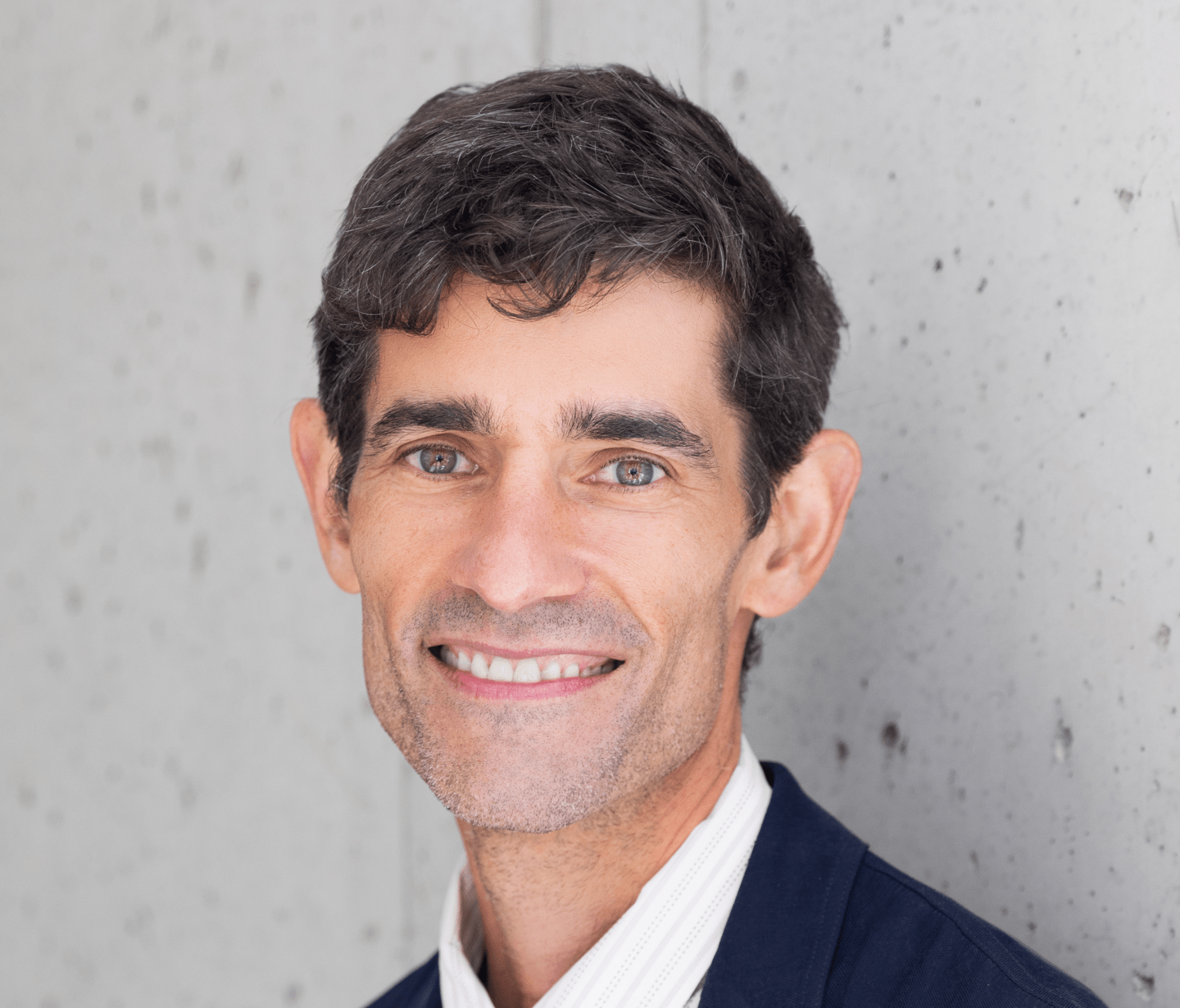
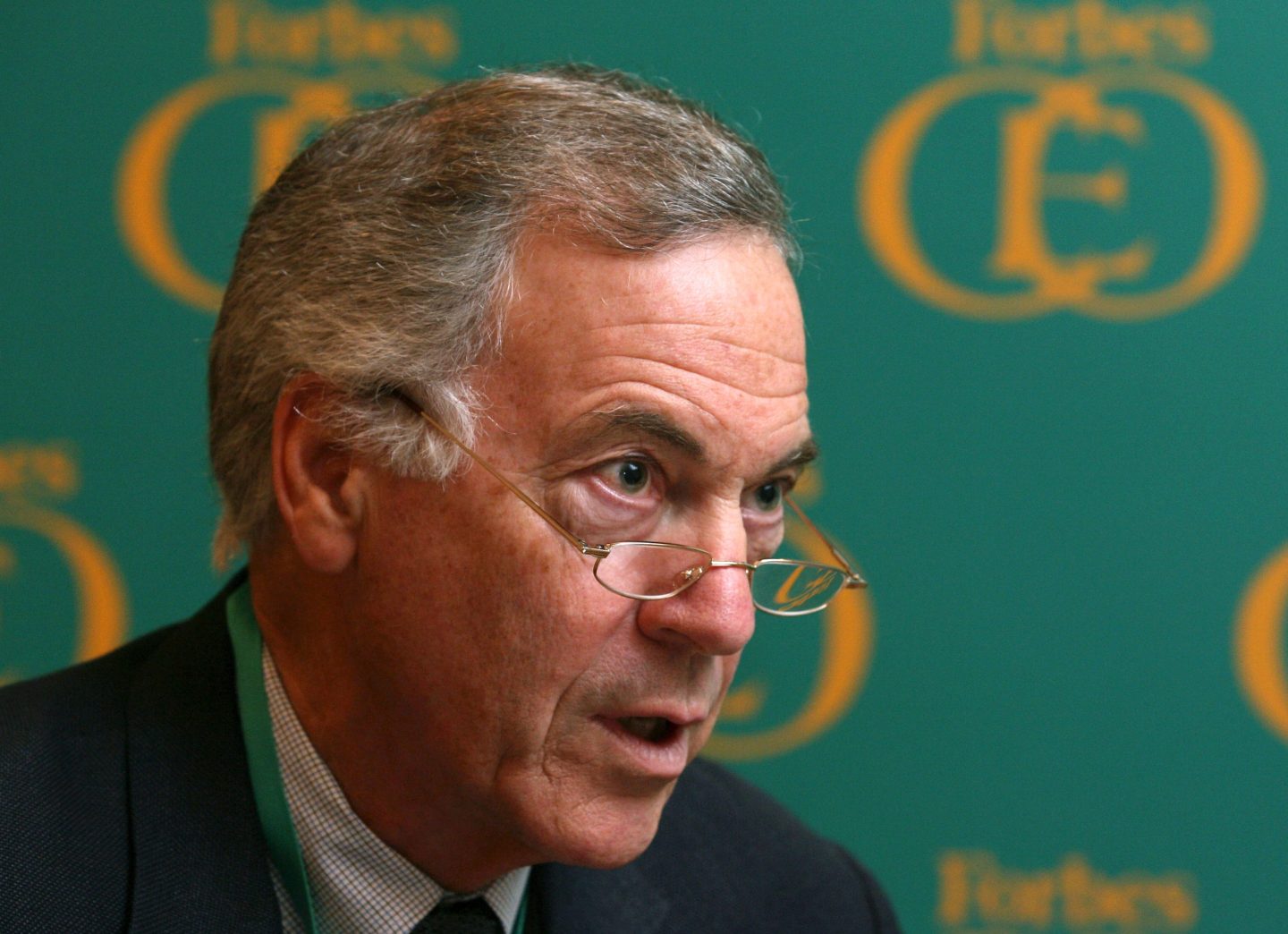
Steve Hanke, professor of applied economics at Johns Hopkins University, speaks during an interview at the Forbes Global CEO Conference in Kuala Lumpur, Malaysia, on Monday, Sept. 28, 2009.
Steve Hanke, professor of applied economics at Johns Hopkins University, pictured in 2009. Hanke, known as the "money doctor," argues COVID-19 lockdowns were a major policy mistake.Goh Seng Chong—Bloomberg/Getty Images

Stringent COVID-19 lockdown measures were a historic failure by lawmakers, according to “the money doctor” Steve Hanke, with the economist insisting the lives that were saved were heavily outweighed by the harsh fallout shutdown measures created.  

After researching lockdowns that were imposed in the spring of 2020—around the time the WHO declared the new coronavirus outbreak a pandemic—Steve Hanke, a professor of applied economics at Johns Hopkins University, labeled the pandemic-induced shutdowns “the biggest policy mistake in modern times.”

“When it comes to COVID, epidemiological models have many things in common: dubious assumptions, hair-raising predictions of disaster that miss the mark, and few lessons learned,” he said. “The lives saved were a drop in the bucket compared to the staggering collateral costs imposed.”

‘A global policy failure’

In a research paper published by conservative think tank the Institute of Economic Affairs (IEA) on Monday, Hanke—along with researchers from Lund University in Sweden and Danish think tank the Center for Political Studies—described lockdowns as “a global policy failure of gigantic proportions” after conducting an analysis of thousands of studies on the impact lockdowns had on COVID-19 mortality rates.

Questions about the IEA’s credibility have been raised in recent years thanks to opacity around its donors, claims of it being a hard-right lobby group, and its ties to former U.K. Prime Minister Liz Truss and her disastrous economic policies—which pushed Britain to the brink of recession in the space of a month.

Hanke himself, however, is a well-respected figure in economics.

He served as a senior economist on then-President Ronald Reagan’s Council of Economic Advisers in the 1980s, and in the 1990s advised several Eastern European countries on economic policy as an academic expert on hyperinflation, successfully predicting the collapse of the Russian ruble in 1998, calling the currency’s major devaluation which led to economic crisis in Russia.

His 50-year career, which has seen him advise heads of state and policymakers in Bulgaria, Venezuela, and Indonesia, has earned him the moniker “the money doctor.”

In more recent years, Hanke has served as a professor at Johns Hopkins University, an institution that spent three years collecting data on COVID cases worldwide and became a well-respected authority on the global transmission of COVID-19.

After comparing government interventions of varying strictness levels, the researchers estimated that the average lockdown imposed across Europe and the U.S. in the spring of 2020 reduced mortality by just 3.2%.

“This translates into approximately 6,000 avoided deaths in Europe and 4,000 in the United States,” they said, describing lockdowns as having had “a negligible effect” when it came to quashing COVID-related deaths. “In comparison, there are approximately 72,000 flu deaths in Europe and 38,000 flu deaths in the United States each year.”

Last year, the U.S. hit a grim milestone of more than 1 million deaths from COVID-19—just over two years after detecting its first case of the virus.

Voluntary changes in behavior, such as social distancing, played “an important role” in mitigating the effects of the pandemic on public health, Monday’s research paper said, while the closure of nonessential businesses appeared to have had a more profound impact than other interventions.

Hanke isn’t the first academic researcher to cast doubt over the efficacy of COVID lockdowns.

In 2021, economist Douglas W. Allen, a professor at Canada’s Simon Fraser University, argued it was possible that “lockdown will go down as one of the greatest peacetime policy failures in Canada’s history,” insisting that lockdowns had had, “at best, a marginal effect on the number of COVID-19 deaths.”

Discussion around the tradeoff between lives saved by lockdowns and the resulting economic downturns they triggered has long been ongoing, with some arguing that even the most draconian restrictions did not go far enough while others have questioned whether the “cure is worse than the disease.”

The U.S. economy suffered one of the sharpest contractions in its history in 2020 as the pandemic took hold, with the crisis sparking long-term changes to the U.S. labor market and the IMF projecting that tens of trillions of dollars will be lost to the global economy by 2024 thanks to COVID-19.

However, in early 2022, a study led by researchers from the University of Michigan found that widespread lockdowns in the U.S. during the first six months of the pandemic potentially saved more lives than the number of lives that were potentially lost to the resulting economic downturn.

Other researchers have concluded, meanwhile, that wide-scale lockdowns did indeed save millions of lives.

Join us at the Fortune Workplace Innovation Summit May 19–20, 2026, in Atlanta. The next era of workplace innovation is here—and the old playbook is being rewritten. At this exclusive, high-energy event, the world’s most innovative leaders will convene to explore how AI, humanity, and strategy converge to redefine, again, the future of work. Register now.
About the Author
By Chloe Taylor
LinkedIn iconTwitter icon
See full bioRight Arrow Button Icon

Latest in Health

HealthAffordable Care Act (ACA)
A Wisconsin couple was paying $2 a month for an ACA health plan. But as subsidies expire, it’s soaring to $1,600, forcing them to downgrade
By Ali Swenson and The Associated PressDecember 13, 2025
8 hours ago
Julian Braithwaite is the Director General of the International Alliance for Responsible Drinking
CommentaryProductivity
Gen Z is drinking 20% less than Millennials. Productivity is rising. Coincidence? Not quite
By Julian BraithwaiteDecember 13, 2025
9 hours ago
Nicholas Thompson
C-SuiteBook Excerpt
I took over one of the most prestigious media firms while training for an ultramarathon. Here’s what I learned becoming CEO of The Atlantic
By Nicholas ThompsonDecember 13, 2025
11 hours ago
Healthmeal delivery
Factor Meals Review 2025: Tester Approved
By Christina SnyderDecember 12, 2025
1 day ago
Donald Trump
HealthHealth Insurance
‘Tragedy in the making’: Top healthcare exec on why insurance will spike to subsidize a tax cut to millionaires and billionaires
By Nick LichtenbergDecember 12, 2025
1 day ago
HelloFresh meal delivery service.
Healthmeal delivery
HelloFresh Review : We Tasted Everything so You Don’t Have To
By Christina SnyderDecember 12, 2025
1 day ago

Most Popular

placeholder alt text
Economy
Tariffs are taxes and they were used to finance the federal government until the 1913 income tax. A top economist breaks it down
By Kent JonesDecember 12, 2025
2 days ago
placeholder alt text
Success
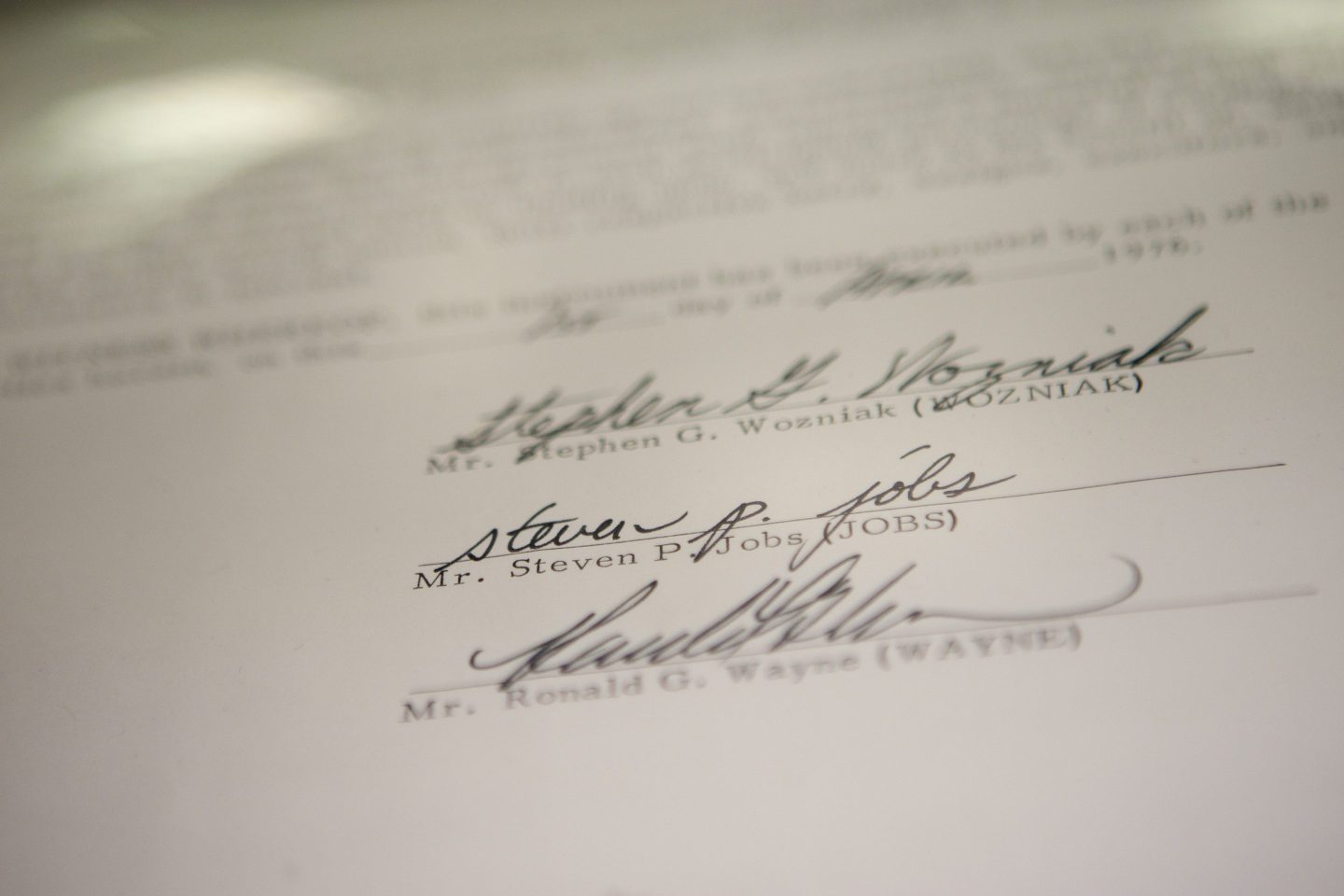
Apple cofounder Ronald Wayne sold his 10% stake for $800 in 1976—today it’d be worth up to $400 billion
By Preston ForeDecember 12, 2025
1 day ago
placeholder alt text
Success
40% of Stanford undergrads receive disability accommodations—but it’s become a college-wide phenomenon as Gen Z try to succeed in the current climate
By Preston ForeDecember 12, 2025
1 day ago
placeholder alt text
Economy
The Fed just ‘Trump-proofed’ itself with a unanimous move to preempt a potential leadership shake-up
By Jason MaDecember 12, 2025
1 day ago
placeholder alt text
Economy
For the first time since Trump’s tariff rollout, import tax revenue has fallen, threatening his lofty plans to slash the $38 trillion national debt
By Sasha RogelbergDecember 12, 2025
1 day ago
placeholder alt text
Success
Apple CEO Tim Cook out-earns the average American’s salary in just 7 hours—to put that into context, he could buy a new $439,000 home in just 2 days
By Emma BurleighDecember 12, 2025
1 day ago
Rankings
  • 100 Best Companies
  • Fortune 500
  • Global 500
  • Fortune 500 Europe
  • Most Powerful Women
  • Future 50
  • World’s Most Admired Companies
  • See All Rankings
Sections
  • Finance
  • Leadership
  • Success
  • Tech
  • Asia
  • Europe
  • Environment
  • Fortune Crypto
  • Health
  • Retail
  • Lifestyle
  • Politics
  • Newsletters
  • Magazine
  • Features
  • Commentary
  • Mpw
  • CEO Initiative
  • Conferences
  • Personal Finance
  • Education
Customer Support
  • Frequently Asked Questions
  • Customer Service Portal
  • Privacy Policy
  • Terms Of Use
  • Single Issues For Purchase
  • International Print
Commercial Services
  • Advertising
  • Fortune Brand Studio
  • Fortune Analytics
  • Fortune Conferences
  • Business Development
About Us
  • About Us
  • Editorial Calendar
  • Press Center
  • Work At Fortune
  • Diversity And Inclusion
  • Terms And Conditions
  • Site Map

© 2025 Fortune Media IP Limited. All Rights Reserved. Use of this site constitutes acceptance of our Terms of Use and Privacy Policy | CA Notice at Collection and Privacy Notice | Do Not Sell/Share My Personal Information
FORTUNE is a trademark of Fortune Media IP Limited, registered in the U.S. and other countries. FORTUNE may receive compensation for some links to products and services on this website. Offers may be subject to change without notice.