With ESG constantly in the headlines, many companies are struggling with how to talk about it with their stakeholders. Our latest research with Penn State indicates Republican and Democratic voters both believe certain ESG components, such as climate mitigation, are tied to their financial fortunes. Based on our findings, companies should consider shifting away from the broad term, ESG, and focusing on the specific areas that voters and lawmakers care about.
ESG is an investment framework that weighs corporate action to de-risk materially relevant Environmental, Social, and Governance business areas. Research has shown for some time that voters don’t understand ESG. However, surveying Americans on its components, particularly related to investments and the role of government in them, it turns out ESG might just be misunderstood.
Our latest study found a supportive majority for certain kinds of long-term de-risking. For starters, both Republican and Democratic voters believe corporate climate mitigation is important for their financial fortunes. For Republicans, this belief grows when we ask about specific topics like resource management and biodiversity. It falls when we ask about net-zero targets. This likely stems from these voters’ desire for tangible results and accountability–something they indicate is important to them.
Differences emerge between Republicans and Democrats when it comes to social issues. While voters tend to support issues that are fundamental to humanity such as access to education or fair pay, other issues–gun control, LGBTQ rights, voting rights, and DEI–see significant divergence across typical party lines. Interestingly, businesses tend to invest the most in the efforts that are aimed at addressing social issues, potentially contributing to the blowback against companies this year.
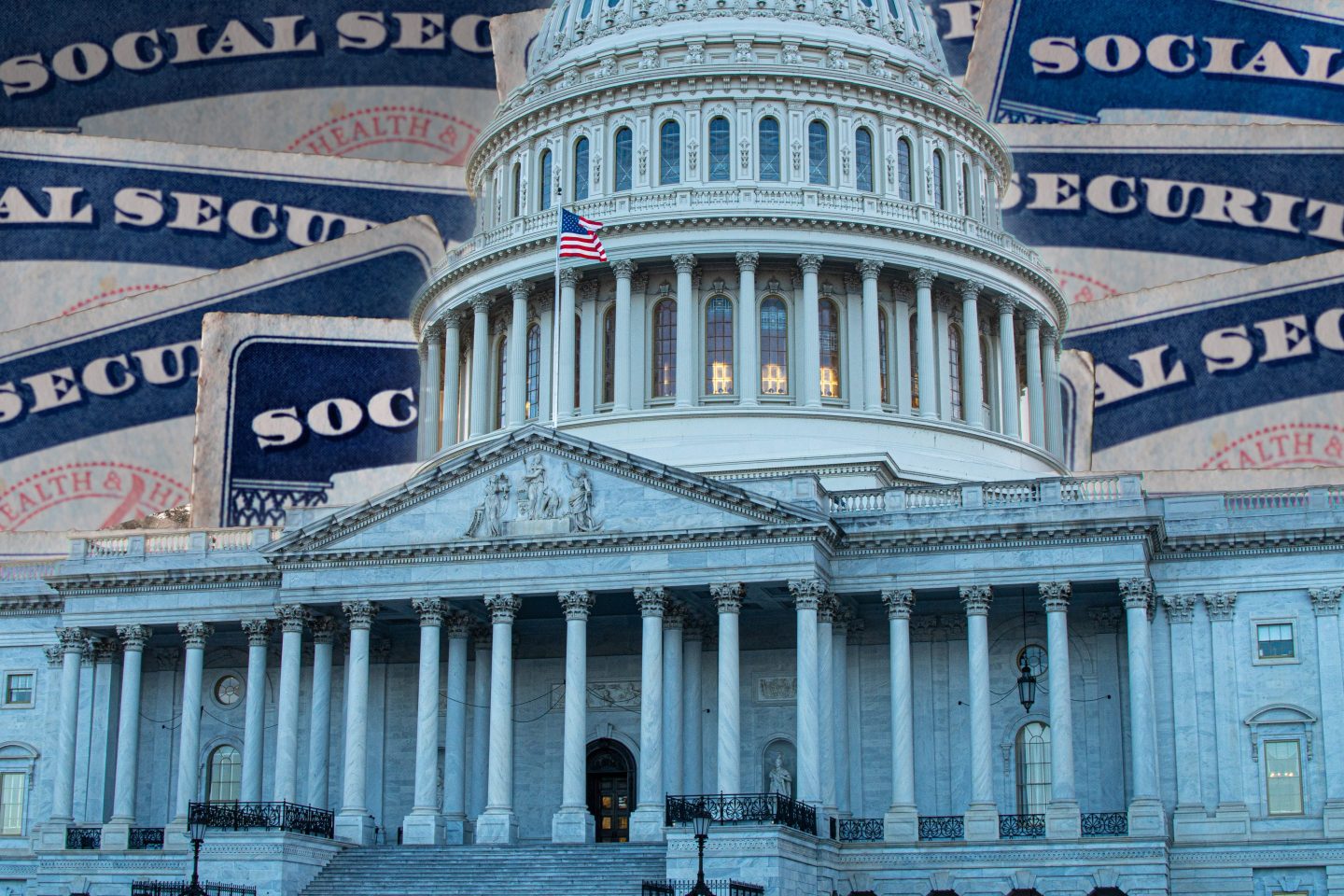
We also examined the appetite for political efforts to curb ESG investing. Despite the current political rhetoric, the appetite is low. This may be to blame for the failure of proposals to ban ESG investments in state pension funds, which in Texas have resulted in soaring interest rates. In fact, no one likes to lose money, and voters (even Democrats) see the market as being a better wealth driver than the government.
So how can companies action this data and lessen the blowback they face for being good corporate citizens? Businesses may consider abandoning the lightning rod term, “ESG.”
Already, Fortune 500 companies are reverting back to Corporate Responsibility (CSR) as a way to distance themselves from the political row. But this approach does little to improve stakeholders’ understanding of their efforts.
A tailored approach
A more strategic approach builds awareness of the corporate actions that appeal to voters, customers, investors, and policymakers. Tailoring messaging to individual groups certainly takes more effort, but it is crucial to building stronger relationships based on shared values.
For example, communicating efforts around conservation and biodiversity to Republican voters will improve brand reputation with conservative voters, lawmakers, as well as their Democratic counterparts. If a company is predominantly focused on social issues, communicating how its investment contributes to long-term value gains is key in any engagement with Republicans.
The ‘say-do gap’
Being more specific with communications efforts does more than help win over stakeholders who lack an understanding of ESG, it also builds trust based on transparency and accountability.
The last few years have been rife with companies speaking out on any and all issues, or at least that’s what voters told us. Since 2021, overall support for companies speaking out on social issues unrelated to their business has fallen. Two potential reasons for this are the perception of a gap between corporate announcements and real-world action–and the overly broad range of topics discussed. To reverse voter skepticism, corporations focus on specifics in their messaging around the efforts they undertake within the various ESG pillars.
Voter priorities
More concrete communications should also leverage voter beliefs when it comes to the boundaries of the government’s responsibilities. The resounding bipartisan opposition to limitations on corporate investments, support for investor management of financial decisions, and belief that business has a role in improving society should all inform messaging.
Again, tailoring these points to specific audiences is crucial: Voters and lawmakers alike expressed alignment with their party’s traditional views of government. For Republicans, focusing on the free markets and shareholder gains is still a winning argument. For Democrats, corporate responsibility to stakeholders and government oversight are priorities.
Beyond these narratives, our findings should provide companies with a strong mandate to focus on growing the economy by de-risking their businesses and improving society, particularly when it comes to the environment. Whatever name their efforts go by, the label is less important than the specifics. This means talking more about concrete efforts to mitigate environmental risks, how programs de-risk business, and how that progress aligns with policy priorities.
ESG certainly has its challenges–and it’s by no means a silver bullet to solving all of humanity’s ills. But it’s misunderstood, not monstrous.
Lindsay Singleton is the chief development officer of bipartisan public affairs firm ROKK Solutions. She is the co-author of Navigating ESG in the New Congress, annual research conducted with Penn State on voter views around corporate responsibility.
The opinions expressed in Fortune.com commentary pieces are solely the views of their authors and do not necessarily reflect the opinions and beliefs of Fortune.
More must-read commentary published by Fortune:
- Stanford researchers scoured every reputable study for the link between video games and gun violence that politicians point to. Here’s what the review found
- Is it smart to be a ‘stupid genius’ like Elon Musk?
- Why there will be no winners in the never-ending war between Disney and DeSantis
- America had the debate about paying its debt after the Revolution and the Civil War. Here’s why we reached the same conclusion twice