As a father of two and the board president of an education technology nonprofit, I have my sights set on any opportunity that improves the education ecosystem.
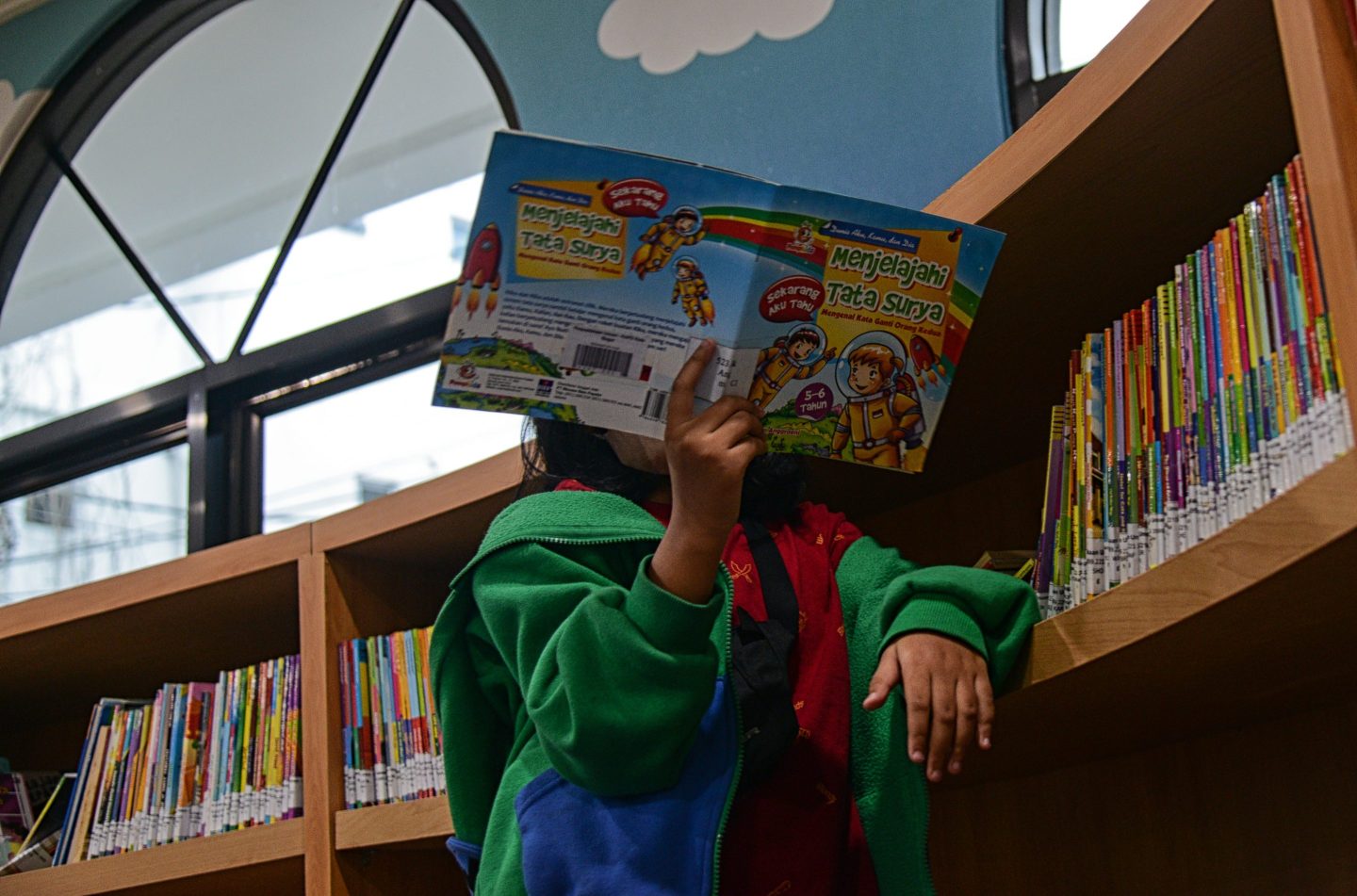
Reading boosts empathy and emotional intelligence. When a child reads, they develop these essential cognitive and social skills, which supports positive social change.
At Worldreader, we’ve seen how technology presents enormous opportunities to get children reading so they can reach their potential. We have brought reading on low-tech devices to 21 million people in more than 100 countries and demonstrated how digital technology can accelerate reading around the globe.
I spent years helping Microsoft and Amazon become the successes they are now, so I know there is both a Dr. Jekyll and Mr. Hyde in all technology. Generative artificial intelligence (A.I.) is no exception.
A.I. offers extraordinary ways to help readers empathize with others in profound ways. Imagine a child reading a short story about a boy who wakes up in the morning and fakes being sick to avoid going to school. His mom tells him to stay home, but she has to adjust her day and miss work. Now the reader can prompt A.I. to re-write the story to give them the mom’s perspective in this story. The shift in perspective can build empathy in ways a typical reading experience cannot.
Now picture this: A six-year-old in Michigan reads a book about an unlikely friendship between a lion and a penguin. The arc of the story is not illustrated, but there are five blank panels where the reader can voice her understanding and perception of the story, and A.I. will illustrate it for her. This reader is not only giving her parent and teacher the immediate ability to assess the child’s comprehension based on the type of picture portrayed but also interacting and playing with the text in a new way–important aspects of becoming a strong reader.
However, many questions persist about misinformation, algorithmic bias, data access issues, ethics, and transparency. School districts from New York to Los Angeles have attempted to ban the use of ChatGPT. The free A.I. bot has been used to generate essays, write, and pass exams. Fears of plagiarism and a departure from critical thinking are just a couple of the qualms the education community has with this technology. The biggest concern may be whether the sources of its knowledge reflect equitable values.
But A.I.’s role in education will not stop growing, so we need to harness its power for good. Like the arrival of the calculator in math classes years ago, the tool is not going away. When used in the right way, it can be a friend to educators and an amazing resource for kids, especially when it comes to literacy.
So if A.I. can help children, the next question we must ask ourselves is: Which children? As we take advantage of the benefits, we must consider how this new technology can bring all of us along, not just those who are important to for-profit companies.
Consider this: Nearly 70% of 10 year olds in low and middle-income countries and communities cannot read and understand a simple story. These are our workers and leaders of the future. Numerous studies have shown a strong correlation between reading engagement and academic success, regardless of family income or parents’ education level. That dire need can only be addressed with tomorrow’s tools, including A.I.
At Worldreader, we’ve spent years using literacy to advance equity by providing vulnerable and underserved children with digital reading solutions. But our and other efforts will be for naught in the absence of A.I. that is equitable. Any A.I. technology must pull from diverse datasets representative of the children we work with and a range of backgrounds and experiences. And the tools must be designed for–and delivered to–communities rich and poor, well-served and under-served.
We can’t assume that for-profit companies will get this right. Meeting any vulnerable group’s needs requires patience, trust, and deep respect, which takes time and resources even when there’s no profit in sight. That’s where nonprofit organizations can help. The industry should actively seek out nonprofits and organizations working in underserved communities and establish equitable, fair partnerships that benefit their respective missions.
A.I. will not be inclusive or reach its full potential if underserved communities are not part of the equation. The potential for this technology to dramatically improve education is enormous–but only if we develop it equitably.
David Risher is the CEO of Lyft and the board president and co-founder of Worldreader, an edtech nonprofit that gets children reading so they can reach their potential. It has brought reading on low-tech devices to 21 million people worldwide and aims to help millions more.
The opinions expressed in Fortune.com commentary pieces are solely the views of their authors and do not necessarily reflect the opinions and beliefs of Fortune.
More must-read commentary published by Fortune:
- A recession in 2023 is now inevitable. Layoffs in tech and finance will spread to other sectors
- Energy analysts have been making gaseous calls since Russia invaded Ukraine. It’s time to clear away the smoke of economic groupthink
- I am a Starbucks barista who doesn’t qualify for all the wonderful benefits you keep hearing about. We want the ‘different kind of company’ that Howard Schultz promised but failed to deliver
- The average NFL owner is 75–and not rich enough to hang onto their team