When the NFL owners gather for their annual meeting 15 years from now, the makeup of this unique and privileged group of billionaires will look vastly different than that of the 32 who met in Phoenix earlier this week. And while the NFL’s official stance for this year’s meeting was that there were no formal discussions regarding ownership criteria and requirements, informal conversations around changing the rules have already begun.
Starting with significantly larger personal balance sheets, the next generation of owners will be younger on average, have made their money in 21st-century industries (think Amazon), and will run their franchises like corporations rather than family businesses. They may also be institutional investors or sovereign funds. Diversity will also hopefully be a factor for the first time. The new ideas and habits these owners bring with them will almost certainly force the league to transform in a multitude of important ways. Deeper self-reflection by the NFL will encourage–and perhaps even force–the level of modernization it needs to hold onto the mantle of being “America’s Sport.”
What this new NFL will look like is up for debate, but the National Basketball Association is one model that could be a fair approximation. Today’s NBA is vastly different from the one I watched as a kid. One of the main reasons for this difference is the new generation of owners who entered the league’s board of governors over the past 40 years. The league has learned to listen to its players and fans and respond accordingly. Owners identify with their players and think of them far more like business partners than fungible employees. They have reacted quickly to the changes in how content is distributed and consumed, especially by kids who can become lifelong fans if managed properly. Social media has been a huge driver of fan engagement and is seen as a marketing boon by the NBA, while the NFL say they get it, but continue to act the opposite. Maybe new broadcast partners such as Amazon (again, Amazon) will help move things forward, but the owners will always have the loudest voice, and to date, short-term revenue gain clearly drives key decisions.
Over the past 43 years, 57 NBA teams have changed hands. Over the same period, only 24 NFL teams have traded–and only 11 since 2000. With a new wave of NBA leadership, came a massive infusion of younger, more innovative thinkers. The current average age of an NBA owner in 2023 is 62. The NFL’s group average exceeds 75. Having made their money in modern industries such as tech and finance, the new generation of NBA owners is also wealthier than their NFL counterparts with an average net worth in excess of $16.5 billion, while the NFL’s average is a “paltry” $8.5 billion.
Moreover, NFL owners’ teams account for over 50% of their net worth, while NBA owners’ teams speak for just 8% of their fortunes. Owners such as Jerry Jones and the Brown and Kraft families run their teams like family businesses, while next-gen NBA owners run theirs like corporations. Marc Lasry’s 500% return on his brief ownership tenure of the Bucks wasn’t missed by many.
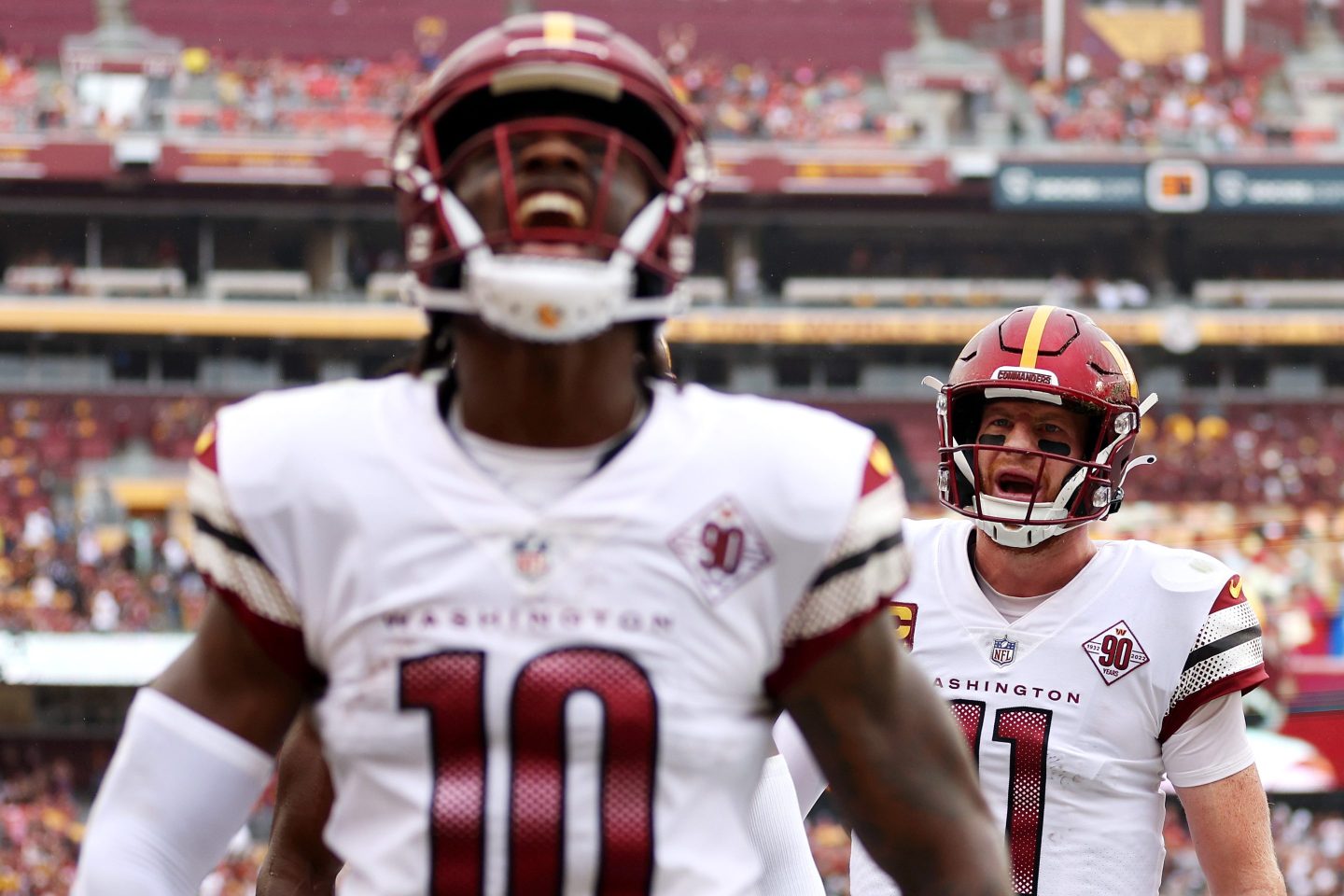
With NFL team values now topping $5 billion, the buyers of the next dozen or so teams will likely mirror those who bought NBA franchises over the past 20-plus years. Younger, wealthier, and more open to change. There will be surprise sellers, too. Established owners may look at Marc Lasry’s success exiting his position in the Bucks and decide they want to make a few billion dollars and move on. Old-guard owners, who once planned to keep their teams in the family for generations to come, may be forced to sell due to the affordability of estate taxes and the amount of free cash required to pay guaranteed long-term contracts. With the NFL facing an ownership overhaul, we can expect a wave of change that should be good for the sport. Potential owners such as Jeff Bezos and Josh Harris, reportedly the two lead bidders for the Commanders, will force a level of new thinking and commitment to innovate.
One concern is the escalating values of NFL franchises and the limited number of multi-billionaire buyers capable of committing the capital required to be a lead owner. If the league doesn’t find a way to expand the applicant pool, there could be a logjam at the top that ruins this rare opportunity to truly modernize the sport.
To ensure the bidding process is open to as many potential owners as possible, a few ideas should be considered:
- Lowering the threshold for a principal owner or general partner from the current 30% to a more accessible percentage. The league now allows up to $1 billion in debt for a team acquisition, up from $500 million in recent years, but this, too, needs to be increased in order to broaden the list of prospective owners.
- Make it easier for players to get involved. With salaries skyrocketing, there is no reason that star players, who will likely make $500 million during their careers, shouldn’t be groomed as future owners. Dwyane Wade (a client of my firm), is an example of a player who turned owner when he acquired a stake in the Utah Jazz. Adam Silver understood that the 1% ownership threshold should be waived to allow Dwyane to become an owner. He’s capitalizing on this opportunity in order to learn firsthand what it takes to join the ranks of majority owners. The NFL needs to mentor and encourage more players to envision a future where they themselves, are outright owning teams. With less than 20 global Black billionaires, this may also be the only path to solving the diversity issue that cripples the sport in so many insidious ways.
- Teams need to better mirror the communities that they represent. Football is a passion. Attending or watching games on Sunday is akin to a religious experience for more people than you’d think. Each team should enact official advisory committees made up partly of influential BIPOC community figures to advise not only current owners bu also vet potential new ones.
The NFL is a professional sports league, but it’s also a business. And business school 101 tells you that if you do not stay current or consistently think five years ahead, you’re going to get left behind (just ask the MLB). Changes are coming to the NFL–but it’s up to the league to harness this unique inflection point to ensure this transition not only diversifies its business interests, but also improves access and opportunity for prospective owners of every color, age, and industry who can benefit the league, players, and fans alike.
Mark Patricof is the founder and CEO of Patricof Co., a private equity firm whose client list includes athletes like Aaron Rodgers and Venus Williams.
The opinions expressed in Fortune.com commentary pieces are solely the views of their authors and do not necessarily reflect the opinions and beliefs of Fortune.
More must-read commentary published by Fortune:
- A recession in 2023 is now inevitable. Layoffs in tech and finance will spread to other sectors
- The return to the office once seemed inevitable. A new study shows companies are already reversing course
- How the IMF naively parroted Putin’s fake statistics–and botched its economic forecast for Russia
- Mozilla wants to do for A.I. what it did for web browsers with Firefox