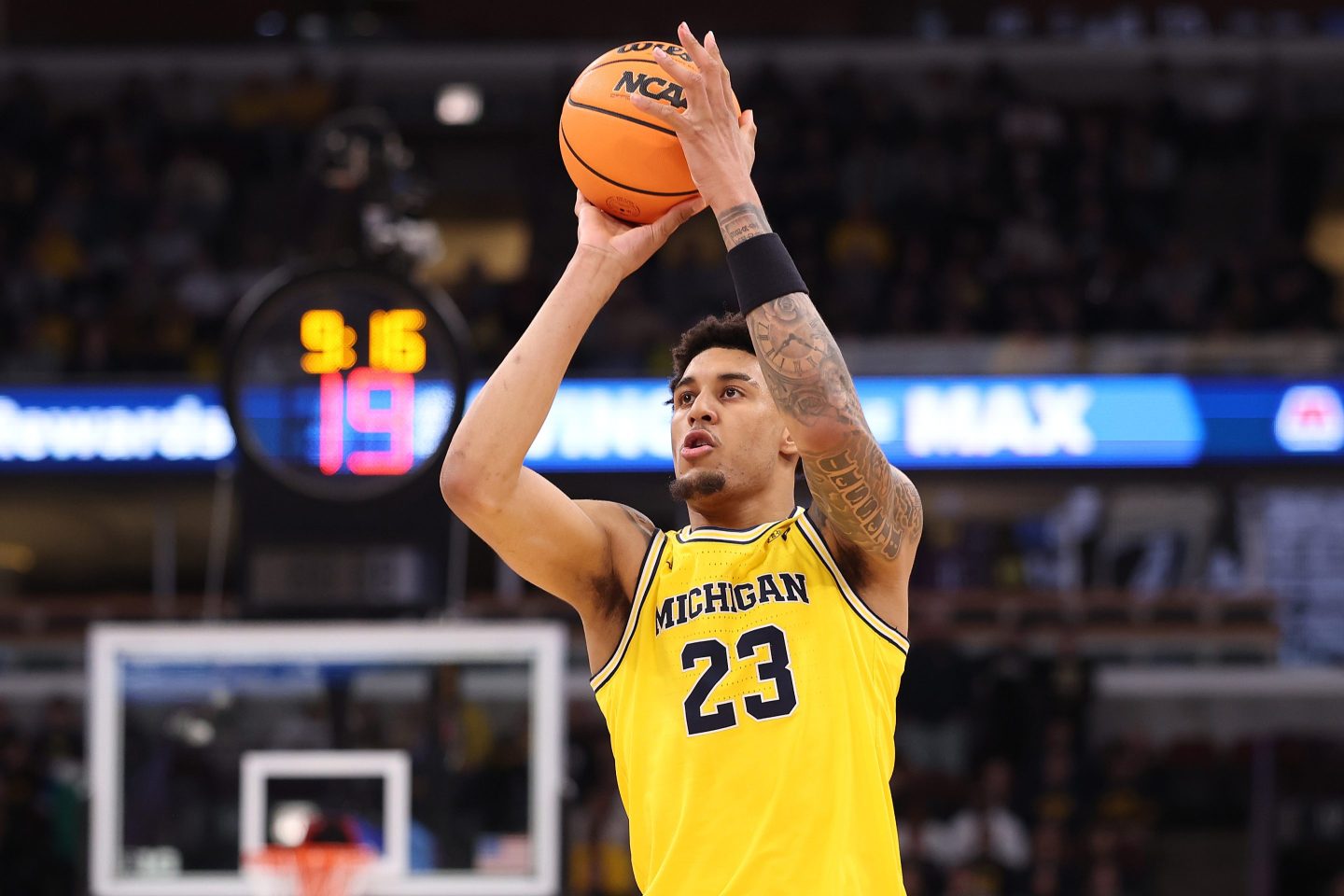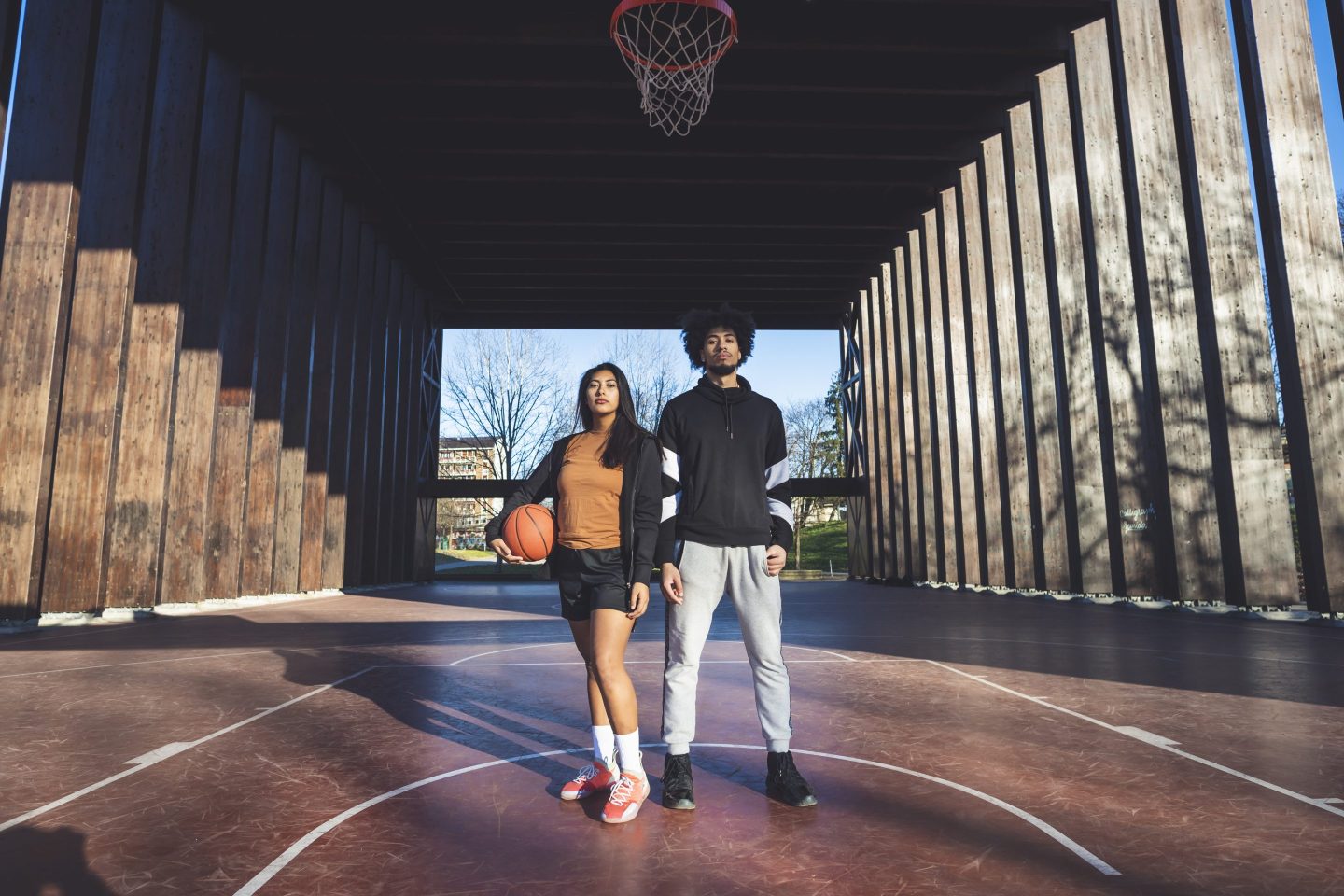
The men’s and women’s March Madness tournaments are structured identically. Sixty-eight teams play 67 games — each lasting 40 minutes — to vie for college basketball’s top prize. There’s one inescapable difference: the men make twice as much money.
For a second year, college athletes — male and female — can profit from playing ball. In June 2021, the Supreme Court cleared the way for college athletes to benefit from the use of their name, image and likeness. Since then, 20-year-olds have earned six — sometimes seven — figures on such NIL deals to shoutout brands on Instagram, sign autographs, or hop on Zoom with a few fans.
But those opportunities haven’t come equally. Data from Opendorse, a Lincoln, Nebraska-based marketing platform for athletes, found that male college basketball players make twice as much as their female counterparts. The numbers point to a disappointing reality that the long-standing disparities in professional sports already pervade college competition.
“It’s just following that historic trend of men getting more, being seen as more important,” said Andrea Geurin, the director of Loughborough University’s Institute for Sport Business in England. “Not that it is, but that’s our perception. That’s how society has always viewed sport.”
Opendorse analyzed deals executed using the company’s services by more than 100,000 college athletes from July 2021 through February of this year. According to the data, most of the men’s earnings edge comes from football, which by itself accounted for 55.1% of NIL deals. Even without football players in the dataset, Opendorse found that men take in roughly 60% of the compensation from NIL deals.
College athletes generally get paid in one of two ways. The first is through traditional endorsements. Companies like Outback Steakhouse, H&R Block, and Gatorade have signed star athletes to appear in ads or post about products or businesses on social media. With this type of deal, many of the top earners are women, according to Opendorse Chief Executive Officer Blake Lawrence.
“When it comes to brand marketers, the women basketball players on this list stand out in terms of their marketability,” Lawrence said, pointing out that women tend to have higher engagement levels on social media. Of players competing in the March Madness tournament, eight of the 10 most-followed on Instagram are women, according to Opendorse. “Their audience is collectively much larger.”
Zia Cooke, a basketball player for the University of South Carolina, is one of the high earners and has partnered with H&R Block for a gender inclusivity campaign.
“It just never seems fair that we can do the exact same work, spend the same time, make the same sacrifices as male athletes and not be rewarded the same way,” she said in an email. “But it also impacts our moms who work, our female coaches, our female professors. It’s everywhere. We’re all working hard to support ourselves and our families, too. The pay gap is everywhere and it compounds over the course of our lives and careers.”
The pay difference comes mainly from the second method of compensation: money flowing from so-called NIL collectives. In many cases, rich donors and alumni establish these funds to pool money from businesses and fans, then dole out that cash to a school’s athletes. Collectives exacerbate the pay gap between male and female basketball players. Opendorse data found that — excluding the money from collectives — male and female basketball players made roughly the same amount of money from NIL deals.
Collectives abound. The Garnet Trust for athletes at the University of South Carolina, for example, provides perks like early access to interviews and a team sticker for a $10-a-month membership. Higher-end options, at $100 a month, come with premium offerings like access to in-person and autograph events.
“A lot of the companies and individuals who are getting involved with collectives and who are investing in collectives are the traditional donors who have traditionally supported men’s sport,” said Thilo Kunkel, director of Temple University’s Sport Industry Research Center. “A large majority of them are men, and they are supporting what they have supported in the past.”
The National Collegiate Athletic Association has warned collectives that they can’t recruit athletes to a particular school by engaging directly with high school players. Even so, athletes know which schools have established collectives that are willing to pay up, so the funds likely factor into many players’ college decisions.
The Drake Group, an education think tank, submitted a letter to the U.S. Department of Education in January calling for increased oversight of NIL-related activities. Specifically, the group argued the department should clarify how deals, including funds coming from collectives, relate to Title IX requirements barring discrimination based on sex in education programs.
Closing the collegiate earnings gap is important in part because of the far greater inequality in professional sports, especially basketball.
“For a lot of women’s basketball players, college is the peak of their earning potential,” said Lawrence. “There will be women’s basketball players that get drafted into the WNBA and take a pay cut.”