• Home
  • Latest
  • Fortune 500
  • Finance
  • Tech
  • Leadership
  • Lifestyle
  • Rankings
  • Multimedia
Finance

Top Obama economist has a 3-point plan to fix banking and says ‘no one should feel good about what happened here’

By
Tristan Bove
Tristan Bove
Contributing Reporter
Down Arrow Button Icon
By
Tristan Bove
Tristan Bove
Contributing Reporter
Down Arrow Button Icon
March 13, 2023, 4:59 PM ET
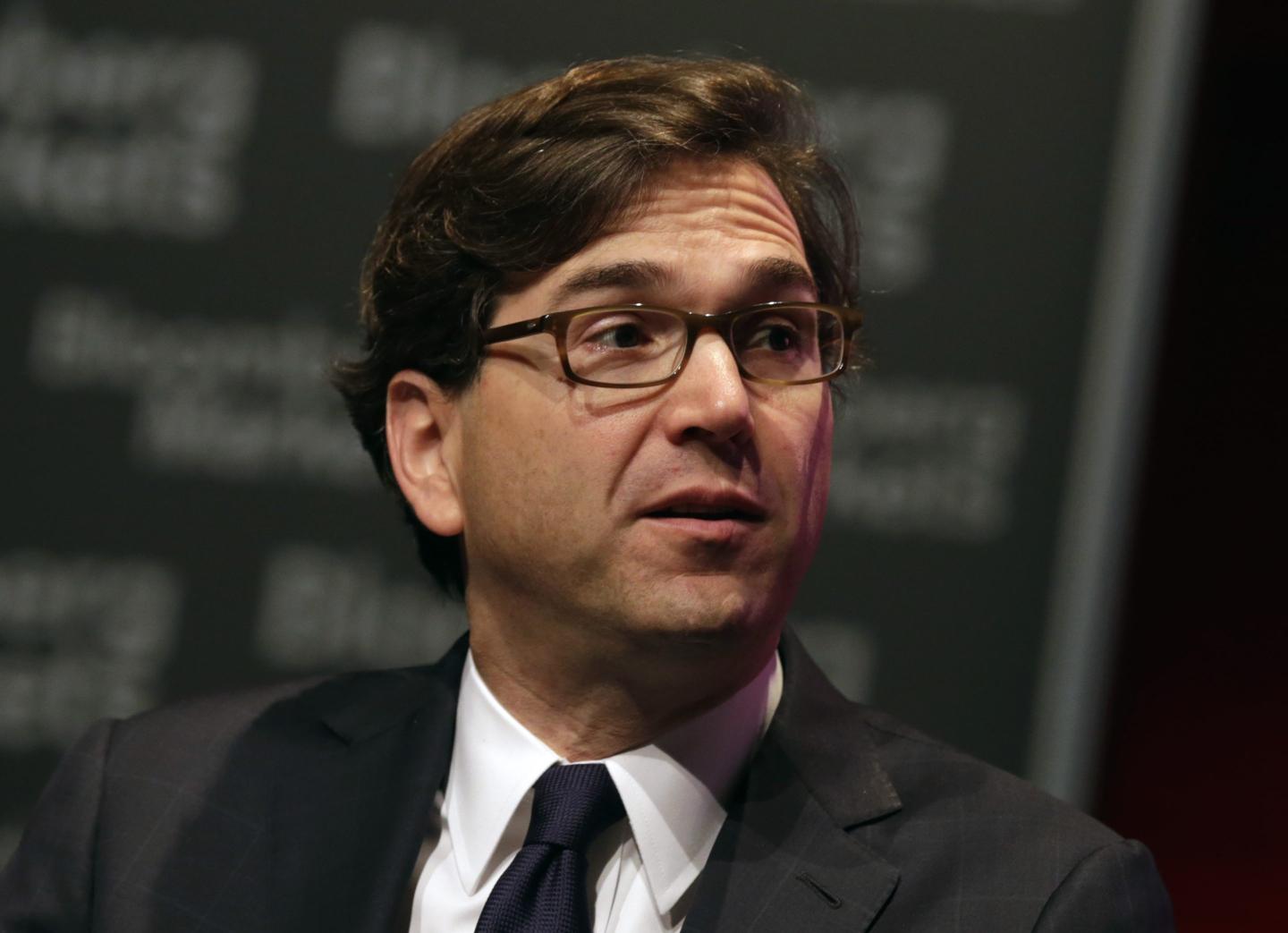
Jason Furman, Harvard economist and former presidential economic adviser during the Obama administration.
Jason Furman, Harvard economist and former presidential economic adviser during the Obama administration.Peter Foley—Bloomberg/Getty Images

The economic environment’s abrupt departure from zero-interest rates in the past year might mean that a collapse in the risk-filled banking sector was always likely, but almost nobody was expecting this, not even the regulators. Since the famously terrifying bank runs that ushered in the Great Depression of the 1930s, the Federal Deposit Insurance Corporation has guaranteed deposits up to a certain threshold, but that got thrown out the window Sunday night when the Federal Reserve, Treasury, and FDIC jointly announced a “systemic risk exception” that they also insisted wasn’t a bailout. Now all the depositors on Silicon Valley Bank’s roughly $220 billion balance sheet will be made whole, even though around 95% of them weren’t insured by the FDIC on Friday. Clearly something has to change, and Jason Furman, the Harvard economist who once advised President Barack Obama, has a three-point plan. Still, he insists “no one should feel good about what happened here.”

SVB became the second-largest bank failure in U.S. history after the largest-ever bank run, and while it insisted it was solvent right up to the very end, it just wasn’t prepared for the surge in withdrawals. The bank had reinvested many of its assets into risky long-term bonds that lost value as the Fed hiked interest rates, meaning that as the tech sector freaked out about the solvency of its favorite bank, it didn’t have the cash on hand to pay them. 

But with debates still raging over who and what was responsible for the crisis and if the government should step in to fix it, some things are becoming clear: Small and regional banks like SVB may not be as different from Wall Street behemoths as they’d like us to think, and banking regulation was revealed to be no match for a skittish group of tech executives.

“Regulators probably needed to do what they did to prevent potentially chaotic damage across the economy,” Jason Furman, a Harvard economist who held senior positions in two economic councils advising the president during the Obama administration, wrote in a tweet Sunday. 

Furman was referring to regulators’ decisions to step in and seize the assets of SVB and crypto-focused Signature Bank on Sunday, but added that the need for them to do so came down to a series of decisions and rulings that were likely “wrong” and allowed the banking spiral to occur. He outlined a three-point plan of next steps to stop it from happening again, largely focused on expanding regulators’ reach to keep all banks—even the small and regional ones who only years ago declared themselves innocuous to the financial system—in check.

Getting regulators up to speed

The last time banks had to deal with big regulatory oversight changes was after the 2008 financial crisis, when many institutions were hit by bank runs similar to the one that decimated SVB last week. The Obama administration pushed through the Dodd-Frank Act in 2010, which significantly increased accountability and transparency requirements for financial institutions, regulatory adjustments that would increase banks’ preparedness for sudden surges in withdrawals and discourage excessive risk-taking.

Dodd-Frank was supposed to keep all banks prepared for a crisis through regular stress tests and detailed plans for winding down operations in an orderly way in the event of bankruptcy. But the law has weakened over time, after intense lobbying from bank executives including SVB CEO Greg Becker successfully reduced the act’s requirements for small and regional banks in 2018.

“SVB, like our midsized bank peers, does not present systemic risks,” Becker said in a 2015 testimony to the Senate Banking Committee. “Because SVB’s business model and risk profile does not pose systemic risk, imposing the numerous Dodd-Frank Act requirements that were designed for the largest bank holding companies would place an outsized burden on us, with minimal corresponding regulatory benefit.” Notably, when the Fed, FDIC, and Treasury intervened this weekend, they cited a “systemic risk exception” to their normal operating process.

Furman outlined his three-point idea to understand what caused SVB’s failure and how to prevent future ones. The first step investigators need to take is to “find out what went wrong with regulation,” and how such a large systemic risk could have developed overnight. Secondly, existing regulation needs to be strengthened, Furman wrote, and expanded to cover smaller banks in addition to Wall Street giants. “I always thought small and midsized banks got off too easy,” he said.  

The demand to strengthen regulatory foundations for banks of all sizes was echoed Monday by Democratic Sen. Elizabeth Warren, who wrote in a New York Times op-ed that had Congress and former President Donald Trump not rolled back Dodd-Frank, “SVB and Signature would have been subject to stronger liquidity and capital requirements to withstand financial shocks” and may have been better prepared for last week’s flurry of withdrawals.

When smaller banks were lobbying for more lenient oversight in 2016, Furman insisted that the Obama-era changes were not as big a stumbling block as the banks were making them out to be.

“There’s no evidence at all that Dodd-Frank has had a negative impact on this sector,” he told the Wall Street Journal at the time, referring to the growth of small banks since the law was enacted as evidence. “In all those respects, this sector has been really successful in the last six years, and so it’s hard to say Dodd-Frank caused a problem.”

Furman’s third point had less to do with regulation and more with what banks themselves could do to guard against a bank run. “Increase deposit insurance—and make everyone pay for it in advance,” he wrote. (The market seems to agree that this change is coming, as many regional lenders, especially West Coast–based ones, saw record drops in share value when the market opened on Monday. In other words, investors see less profitable regional lending ahead.)

A larger deposit insurance fund to ensure clients’ funds are safe may have softened the blow in SVB’s case. Regulators confirmed Friday that all deposits under the FDIC’s $250,000 insurable limit would be available by Monday, but as much as 89% of SVB’s $175 billion in deposits is uninsured, according to 2022 regulatory filings, since the bank’s clientele is largely made up of a relatively small number of tech companies with big balance sheets. Regulators pledged Sunday that all depositors—even uninsured ones—would have access to their funds, although it required extraordinary government measures.

But raising deposit insurance funds was another potential protection for consumers that SVB lobbied against in the past. The bank was one of several to oppose the FDIC’s proposal last year to increase how much banks pay into their deposit funds, The Lever reported Sunday, citing federal records. SVB and other banks reportedly insisted their risk of failure was low, and paying more into deposit funds would hurt their bottom line.

Furman and stricter Obama-era banking regulations may be forgiven for feeling vindicated over the recent turn of events, although the economist insisted in his tweet that the crisis stemming from SVB’s collapse could still have serious ramifications for the economy.

“This was not the system working. The system failed and it was jury-rigged to keep it going. Need a better system,” he wrote.

Fortune's CFO Daily newsletter is the must-read analysis every finance professional needs to get ahead. Sign up today.
About the Author
By Tristan BoveContributing Reporter
LinkedIn iconTwitter icon
See full bioRight Arrow Button Icon

Latest in Finance

Finance
Lorem ipsum dolor sit amet, consectetur adipiscing elit, sed do eiusmod tempor incididunt ut labore et dolore magna aliqua. Ut enim ad minim veniam
By Fortune Editors
October 20, 2025
Finance
Lorem ipsum dolor sit amet, consectetur adipiscing elit, sed do eiusmod tempor incididunt ut labore et dolore magna aliqua. Ut enim ad minim veniam
By Fortune Editors
October 20, 2025
Finance
Lorem ipsum dolor sit amet, consectetur adipiscing elit, sed do eiusmod tempor incididunt ut labore et dolore magna aliqua. Ut enim ad minim veniam
By Fortune Editors
October 20, 2025
Finance
Lorem ipsum dolor sit amet, consectetur adipiscing elit, sed do eiusmod tempor incididunt ut labore et dolore magna aliqua. Ut enim ad minim veniam
By Fortune Editors
October 20, 2025
Finance
Lorem ipsum dolor sit amet, consectetur adipiscing elit, sed do eiusmod tempor incididunt ut labore et dolore magna aliqua. Ut enim ad minim veniam
By Fortune Editors
October 20, 2025
Finance
Lorem ipsum dolor sit amet, consectetur adipiscing elit, sed do eiusmod tempor incididunt ut labore et dolore magna aliqua. Ut enim ad minim veniam
By Fortune Editors
October 20, 2025

Most Popular

Finance
Lorem ipsum dolor sit amet, consectetur adipiscing elit, sed do eiusmod tempor incididunt ut labore et dolore magna aliqua. Ut enim ad minim veniam
By Fortune Editors
October 20, 2025
Finance
Lorem ipsum dolor sit amet, consectetur adipiscing elit, sed do eiusmod tempor incididunt ut labore et dolore magna aliqua. Ut enim ad minim veniam
By Fortune Editors
October 20, 2025
Finance
Lorem ipsum dolor sit amet, consectetur adipiscing elit, sed do eiusmod tempor incididunt ut labore et dolore magna aliqua. Ut enim ad minim veniam
By Fortune Editors
October 20, 2025
Finance
Lorem ipsum dolor sit amet, consectetur adipiscing elit, sed do eiusmod tempor incididunt ut labore et dolore magna aliqua. Ut enim ad minim veniam
By Fortune Editors
October 20, 2025
Finance
Lorem ipsum dolor sit amet, consectetur adipiscing elit, sed do eiusmod tempor incididunt ut labore et dolore magna aliqua. Ut enim ad minim veniam
By Fortune Editors
October 20, 2025
Finance
Lorem ipsum dolor sit amet, consectetur adipiscing elit, sed do eiusmod tempor incididunt ut labore et dolore magna aliqua. Ut enim ad minim veniam
By Fortune Editors
October 20, 2025
Fortune Secondary Logo
Rankings
  • 100 Best Companies
  • Fortune 500
  • Global 500
  • Fortune 500 Europe
  • Most Powerful Women
  • World's Most Admired Companies
  • See All Rankings
  • Lists Calendar
Sections
  • Finance
  • Fortune Crypto
  • Features
  • Leadership
  • Health
  • Commentary
  • Success
  • Retail
  • Mpw
  • Tech
  • Lifestyle
  • CEO Initiative
  • Asia
  • Politics
  • Conferences
  • Europe
  • Newsletters
  • Personal Finance
  • Environment
  • Magazine
  • Education
Customer Support
  • Frequently Asked Questions
  • Customer Service Portal
  • Privacy Policy
  • Terms Of Use
  • Single Issues For Purchase
  • International Print
Commercial Services
  • Advertising
  • Fortune Brand Studio
  • Fortune Analytics
  • Fortune Conferences
  • Business Development
  • Group Subscriptions
About Us
  • About Us
  • Press Center
  • Work At Fortune
  • Terms And Conditions
  • Site Map
  • About Us
  • Press Center
  • Work At Fortune
  • Terms And Conditions
  • Site Map
  • Facebook icon
  • Twitter icon
  • LinkedIn icon
  • Instagram icon
  • Pinterest icon

Latest in Finance

Heavy smoke from the Highway 82 Fire in Georgia.
Environmentwildfires
Record heat, zero rain, millions of acres lost: Experts warn wildfires are now America’s problem to survive
By Tristan BoveApril 30, 2026
25 minutes ago
gm
North AmericaAutos
GM just boosted its U.S. manufacturing spend to $6 billion in one year—and it may be returning to the idea that made it great
By Nick LichtenbergApril 30, 2026
26 minutes ago
hegseth
CommentaryMilitary
America shot its arsenal empty in 2 wars. Now it needs Beijing’s permission to reload
By Steve H. Hanke and Jeffrey WengApril 30, 2026
35 minutes ago
Two women look at the backs of two cleaning product packages.
RetailInflation
Your laundry bill is about to get more expensive—and Unilever says the Iran war is partly to blame
By Sasha RogelbergApril 30, 2026
59 minutes ago
Financial analyst working at a computer
Personal FinancePersonal Finance Evergreen
AI’s entry-level hiring nightmare is another gift to boomers’ retirement plans
By Catherina GioinoApril 30, 2026
1 hour ago
High earners are feeling the pain of wealth creep—and it’s leading to a new trade-off in their spending
Personal FinancePersonal Finance Evergreen
High earners are feeling the pain of wealth creep—and it’s leading to a new trade-off in their spending
By Catherina GioinoApril 30, 2026
1 hour ago

Most Popular

Apple cofounder Ronald Wayne—whose stake would be worth up to $400 billion had he not sold it in 1976—says that at 91, he has no regrets
Success
Apple cofounder Ronald Wayne—whose stake would be worth up to $400 billion had he not sold it in 1976—says that at 91, he has no regrets
By Preston ForeApril 27, 2026
3 days ago
‘They left me no choice’: Powell isn’t going anywhere—blocking Trump from another Fed appointee
Banking
‘They left me no choice’: Powell isn’t going anywhere—blocking Trump from another Fed appointee
By Eva RoytburgApril 29, 2026
23 hours ago
Jamie Dimon gets candid about national debt: ‘There will be a bond crisis, and then we’ll have to deal with it’
Economy
Jamie Dimon gets candid about national debt: ‘There will be a bond crisis, and then we’ll have to deal with it’
By Eleanor PringleApril 29, 2026
1 day ago
Google Cloud revenue is now 18% of Alphabet's business. Is this the beginning of the end of Google's search identity?
Big Tech
Google Cloud revenue is now 18% of Alphabet's business. Is this the beginning of the end of Google's search identity?
By Alexei OreskovicApril 29, 2026
17 hours ago
‘The cost of compute is far beyond the costs of the employees’: Nvidia executive says right now AI is more expensive than paying human workers
AI
‘The cost of compute is far beyond the costs of the employees’: Nvidia executive says right now AI is more expensive than paying human workers
By Sasha RogelbergApril 28, 2026
2 days ago
Elon Musk says saving for retirement is irrelevant because AI is going to create a world of abundance: 'It won't matter'
Future of Work
Elon Musk says saving for retirement is irrelevant because AI is going to create a world of abundance: 'It won't matter'
By Marco Quiroz-GutierrezApril 26, 2026
4 days ago

© 2026 Fortune Media IP Limited. All Rights Reserved. Use of this site constitutes acceptance of our Terms of Use and Privacy Policy | CA Notice at Collection and Privacy Notice | Do Not Sell/Share My Personal Information
FORTUNE is a trademark of Fortune Media IP Limited, registered in the U.S. and other countries. FORTUNE may receive compensation for some links to products and services on this website. Offers may be subject to change without notice.