• Home
  • News
  • Fortune 500
  • Tech
  • Finance
  • Leadership
  • Lifestyle
  • Rankings
  • Multimedia
SuccessAmerican workers

America isn’t just missing workers—the U.S. labor force overall is working less. But that may not be a bad thing

Megan Leonhardt
By
Megan Leonhardt
Megan Leonhardt
Down Arrow Button Icon
Megan Leonhardt
By
Megan Leonhardt
Megan Leonhardt
Down Arrow Button Icon
January 10, 2023, 10:58 AM ET
Americans, particularly men, are working less.
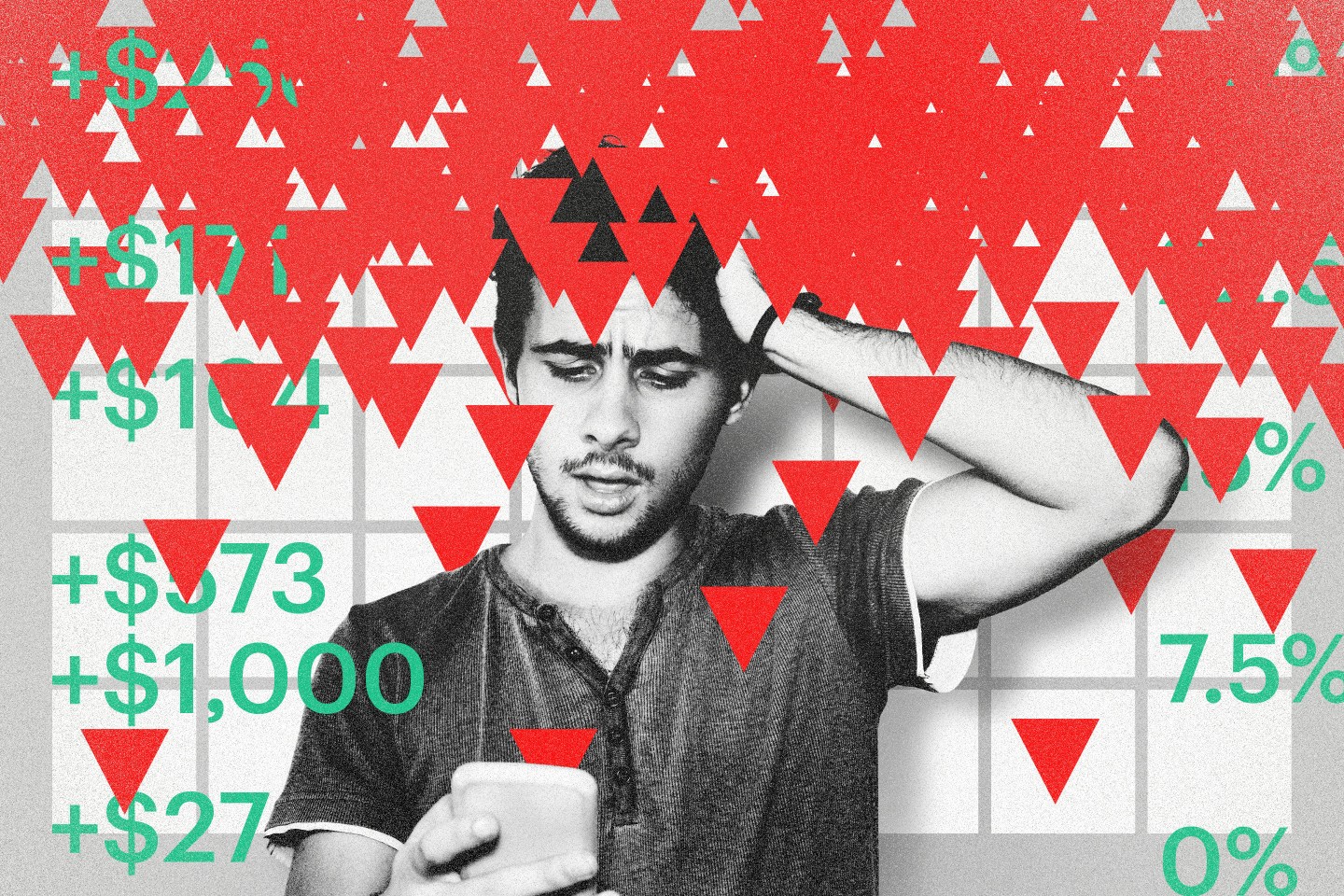
Americans, particularly men, are working less. Pixdeluxe/Getty Images

If it feels like it’s been years of “Now Hiring” signs dotting storefronts and slower service as a result of the ubiquitous staffing shortages, that’s because it has. 

The U.S. is still in the midst of a worker shortage, with approximately 10.5 million open jobs available as of November. And while much has been made about the lower labor force participation rate following the outbreak of COVID-19 and missing workers that have yet to come back, that’s not the whole story. 

Turns out, we’re not just missing workers—the U.S. labor force overall is working less. And the pullback in the number of hours worked may have a more significant and long-term impact. 

“The slack in the labor supply can arise not only from fewer people working or looking for jobs (lower participation rates) but also from workers working fewer hours,” writes authors Dain Lee, Jinhyeok Park and Yongseok Shin at Washington University in St. Louis in a new report.

This is really a big deal, Shin tells Fortune. The numbers show that the reduction in work hours could actually be more important than the participation rate, which has declined by 1 percentage point between 2019 and 2022.

Ultimately, when Americans work less, that means employers have to find more workers to maintain their previous productivity outputs. Although Americans have reduced the number of hours they work since the 1950s, the average plateaued in the 1980s and hasn’t shifted since—despite declines continuing in other developed countries, Shin says. 

“The U.S. is a very exceptional country where people value work so much, and they really idolize hard work, so that they work so many hours compared to other European countries,” Shin says. 

But since the start of the pandemic, that’s shifted. The decline in hours worked was more pronounced among men than women, especially for those men with a bachelor’s degree and in their prime working years (ages 25 to 54). Essentially, Shin and his team found that the decreases can be attributed more to those who could afford it, rather than among lower- and middle-class Americans struggling to get hours. In other words, the declines are voluntary. 

And the reduction of time spent working has proved persistent. “The fact that it lasted through 2022 suggests that the hours’ reduction cannot be explained by such pandemic-period factors as sickness, fear of infection, or childcare needs during school closures,” the authors write.

There’s also room for additional decreases. The average American works an average of 1,791 hours in 2021, according to the OECD. This is significantly higher, however, than Canada (1,685), Japan (1,607), the UK (1,497), France (1,490), or Germany (1,349). 

Shin says that working less may not be a bad outcome, particularly if it can lead to better work/life balances and less burnout—perhaps even longer overall working years. “Obviously, the labor market remains tight and employers may have a harder time hiring workers,” Shin says. But one silver lining could actually be that, in the end, it leads to a healthier workforce, both physically and mentally, that’s capable of working longer.

At the very least, Shin predicts the decline has staying power. “We don’t know the future, but it seems like this is something that may actually stick around,” Shin says. “Once you have that habit [of working less], I think it will just stick.”

Learn how to navigate and strengthen trust in your business with The Trust Factor, a weekly newsletter examining what leaders need to succeed. Sign up here.


About the Author
Megan Leonhardt
By Megan Leonhardt
LinkedIn iconTwitter icon
See full bioRight Arrow Button Icon

Latest in Success

Alex Amouyel is the President and CEO of Newman’s Own Foundation
Commentaryphilanthropy
Following in Paul Newman and Yvon Chouinard’s footsteps: There are more ways for leaders to give it away in ‘the Great Boomer Fire Sale’ than ever
By Alex AmouyelDecember 7, 2025
2 hours ago
Hank Green sipping tea
SuccessPersonal Finance
Millionaire YouTuber Hank Green tells Gen Z to rethink their Tesla bets—and shares the portfolio changes he’s making to avoid AI-bubble fallout
By Preston ForeDecember 7, 2025
3 hours ago
Tamera Fenske, chief supply chain officer at Kimberly-Clark
SuccessCareers
Kimberly-Clark exec is one of 76 women in the Fortune 500 with her title—she says bosses used to compare her to their daughters when she got promoted
By Emma BurleighDecember 7, 2025
5 hours ago
SuccessWealth
The $124 trillion Great Wealth Transfer is intensifying as inheritance jumps to a new record, with one 19-year-old reaping the rewards
By Jason MaDecember 6, 2025
18 hours ago
Bambas
LawSocial Media
22-year-old Australian TikToker raises $1.7 million for 88-year-old Michigan grocer after chance encounter weeks earlier
By Ed White and The Associated PressDecember 6, 2025
1 day ago
Timm Chiusano
Successcreator economy
After he ‘fired himself’ from a Fortune 100 job that paid up to $800k, the ‘Mister Rogers’ of Corporate America shows Gen Z how to handle toxic bosses
By Jessica CoacciDecember 6, 2025
1 day ago

Most Popular

placeholder alt text
AI
Nvidia CEO says data centers take about 3 years to construct in the U.S., while in China 'they can build a hospital in a weekend'
By Nino PaoliDecember 6, 2025
21 hours ago
placeholder alt text
Real Estate
The 'Great Housing Reset' is coming: Income growth will outpace home-price growth in 2026, Redfin forecasts
By Nino PaoliDecember 6, 2025
1 day ago
placeholder alt text
Economy
The most likely solution to the U.S. debt crisis is severe austerity triggered by a fiscal calamity, former White House economic adviser says
By Jason MaDecember 6, 2025
16 hours ago
placeholder alt text
Big Tech
Mark Zuckerberg rebranded Facebook for the metaverse. Four years and $70 billion in losses later, he’s moving on
By Eva RoytburgDecember 5, 2025
2 days ago
placeholder alt text
Asia
Despite their ‘no limits’ friendship, Russia is paying a nearly 90% markup on sanctioned goods from China—compared with 9% from other countries
By Jason MaNovember 29, 2025
8 days ago
placeholder alt text
Success
Nvidia CEO Jensen Huang admits he works 7 days a week, including holidays, in a constant 'state of anxiety' out of fear of going bankrupt
By Jessica CoacciDecember 4, 2025
3 days ago
Rankings
  • 100 Best Companies
  • Fortune 500
  • Global 500
  • Fortune 500 Europe
  • Most Powerful Women
  • Future 50
  • World’s Most Admired Companies
  • See All Rankings
Sections
  • Finance
  • Leadership
  • Success
  • Tech
  • Asia
  • Europe
  • Environment
  • Fortune Crypto
  • Health
  • Retail
  • Lifestyle
  • Politics
  • Newsletters
  • Magazine
  • Features
  • Commentary
  • Mpw
  • CEO Initiative
  • Conferences
  • Personal Finance
  • Education
Customer Support
  • Frequently Asked Questions
  • Customer Service Portal
  • Privacy Policy
  • Terms Of Use
  • Single Issues For Purchase
  • International Print
Commercial Services
  • Advertising
  • Fortune Brand Studio
  • Fortune Analytics
  • Fortune Conferences
  • Business Development
About Us
  • About Us
  • Editorial Calendar
  • Press Center
  • Work At Fortune
  • Diversity And Inclusion
  • Terms And Conditions
  • Site Map

© 2025 Fortune Media IP Limited. All Rights Reserved. Use of this site constitutes acceptance of our Terms of Use and Privacy Policy | CA Notice at Collection and Privacy Notice | Do Not Sell/Share My Personal Information
FORTUNE is a trademark of Fortune Media IP Limited, registered in the U.S. and other countries. FORTUNE may receive compensation for some links to products and services on this website. Offers may be subject to change without notice.