• Home
  • Latest
  • Fortune 500
  • Finance
  • Tech
  • Leadership
  • Lifestyle
  • Rankings
  • Multimedia
FinanceEconomy

Top economist Mohamed El-Erian says we’re not just headed for another recession, but a ‘profound economic and financial shift’

By
Alena Botros
Alena Botros
Former staff writer
Down Arrow Button Icon
By
Alena Botros
Alena Botros
Former staff writer
Down Arrow Button Icon
November 23, 2022, 2:32 PM ET
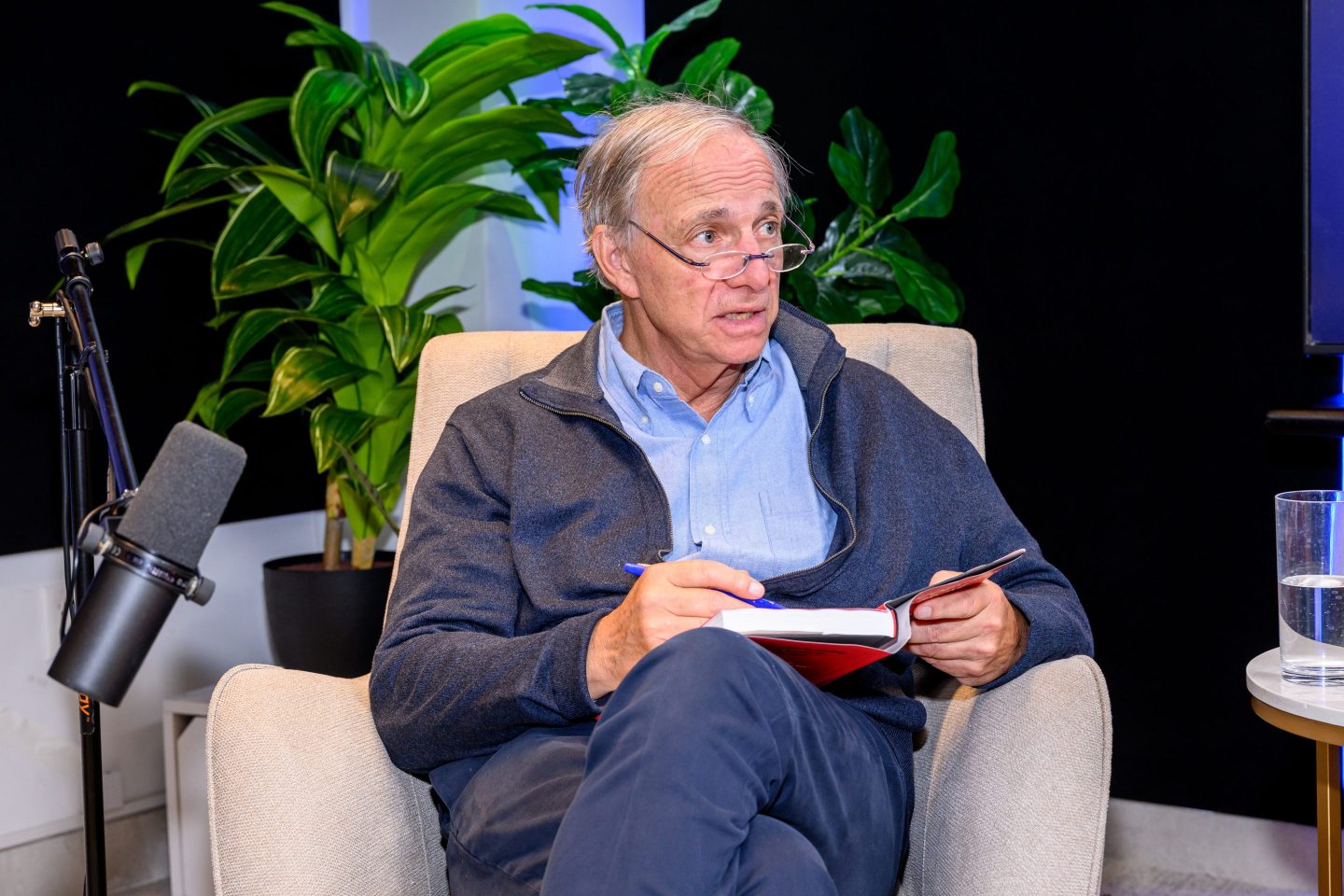
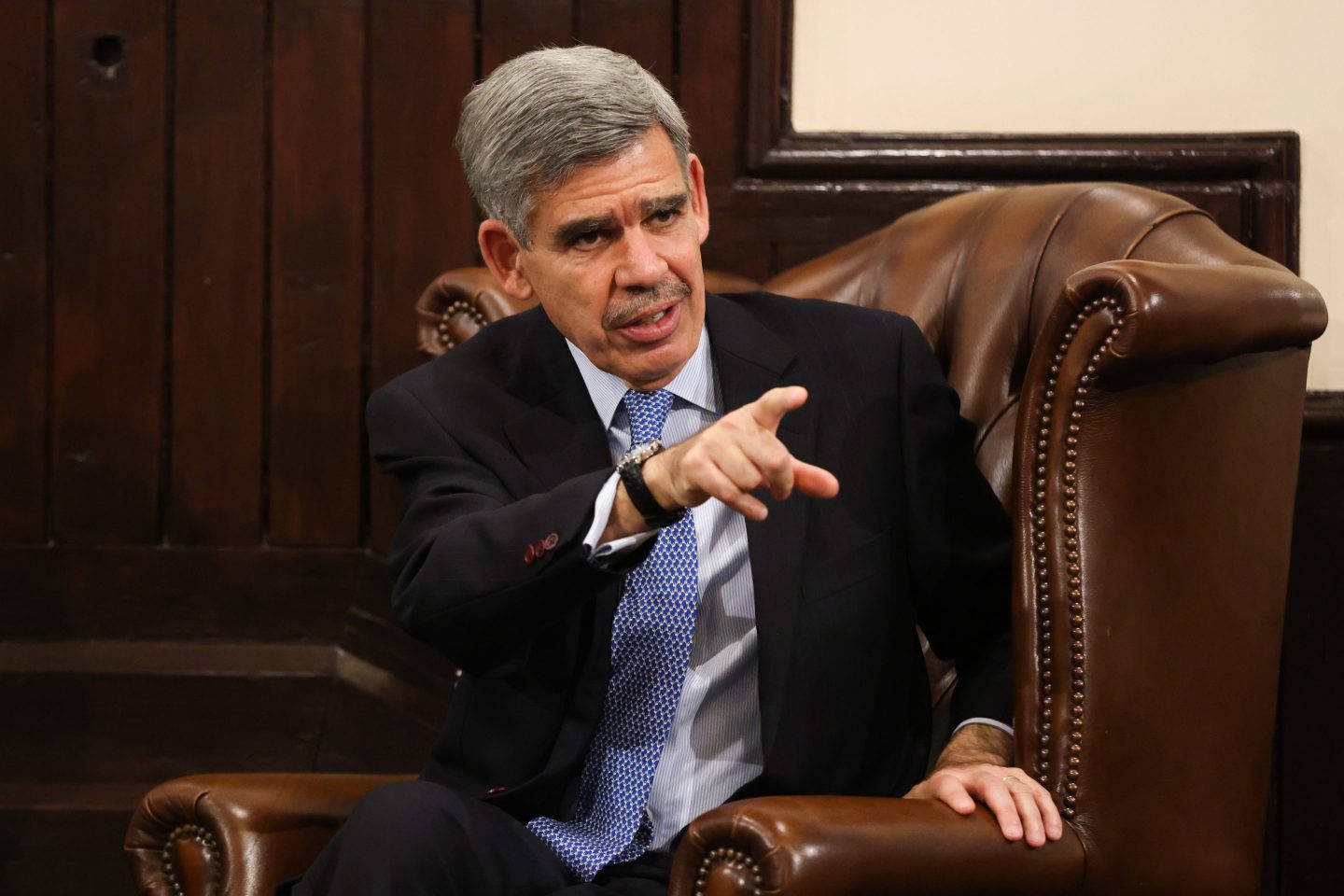
Photo of Mohamed El-Erian.
Mohamed El-Erian during an event at at the University of Cambridge.Hollie Adams/Bloomberg—Getty Images

Investors and economists have been sounding the recession alarm. But one major economist who has seen warning signs mounting for many months says this potential recession is unlike what we’re used to. 

That economist is Mohamed El-Erian, previously the chief executive officer of the massively influential bond-market player PIMCO. He also chaired former President Barack Obama’s Global Development Council and has written several economic best-sellers. Simply put, he’s one of the best Fed and markets watchers alive, and he hasn’t liked what he’s seen for some time now.

There’s a tendency to see economic challenges as “temporary and quickly reversible,” El-Erian wrote in a commentary for Foreign Affairs, citing the Federal Reserve’s initial thought that high inflation would be transitory or the consensus that a recession could be short. 

“The world isn’t just teetering on the brink of another recession,” he continued. “It is in the midst of a profound economic and financial shift.”

He referenced economic theory that a recession occurs when a business cycle reaches its natural endpoint and before the next cycle really takes flight, but he said this time won’t be one more turn of the “economic wheel,” as he sees the world experiencing major changes that “will outlast the current business cycle.” He highlighted three trends that suggest a transformation in the global economy is under way.

Three major trends transforming the world economy

The first transformational trend, El-Erian says, is the shift from insufficient demand to insufficient supply. The second is the end of boundless liquidity from central banks. And the third is the growing fragility of financial markets. 

These help to explain “many of the unusual economic developments of the last few years,” he wrote, and looking forward he sees even more uncertainty as economic shocks “grow more frequent and more violent.” Analysts aren’t waking up to this yet, he added.

The first shift was driven by the effects of the pandemic, beginning with the entire system coming to a halt and stimulus from the government, or what El-Erian called “enormous handouts,” causing “demand surges well ahead of supply.” 

But as time went on, El-Erian said, it became clear that the issue of supply “stemmed from more than just the pandemic.” It’s tied to Russia’s invasion of Ukraine that resulted in sanctions and geopolitical tensions, along with a widespread labor shortage brought forward by the pandemic. These disruptions in supply chains gave way to “nearshoring,” a more permanent shift of companies moving their production closer to home, rather than a reconstruction of the 2019-era supply chain. This essentially reflects a change in the “nature of globalization.” 

“Making matters worse, these changes in the global economic landscape come at the same time that central banks are fundamentally altering their approach,” El-Erian said. As he has been for months now, El-Erian criticized the Federal Reserve in particular for being too slow to recognize inflation entrenching itself into the economy, and then for its steep rate hikes to make up for lost time. 

As inflation soared, the Fed pivoted to aggressive rate hikes—with the last four increases all being by 75 basis points that lifted the federal funds rate to a range of 3.75% to 4%. But this fundamental change in approach led to the third problem, El-Erian writes. “Markets recognized that the Fed was scrambling to make up for lost time and started worrying that it would keep rates higher for longer than would be good for the economy. The result was financial market volatility.”

Markets have been trained to expect easy money from central banks, he said, and the “perverse effect” of that has been for “a significant chunk of global financial activity” to flood into asset management, private equity and hedge funds, among other less-regulated entities. The gyrations in markets since the easy money era ended this year can be understood as that significant chunk looking for a new home, investment-wise. It’s fragile at this point.

“The fragility of the financial system also complicates the job of central banks,” he said. “Instead of facing their normal dilemma—how to reduce inflation without harming economic growth and employment—the Fed now faces a trilemma: how to reduce inflation, protect growth and jobs, and ensure financial stability.”

El-Erian isn’t alone in citing multiple threats to the future of the world economy. The veteran economist Nouriel Roubini and the financial historian Adam Tooze are two other prominent voices warning of interrelated threats. Roubini has just authored a new book called “MEGATHREATS” about no fewer than 10 giant economic problems facing the world, while Tooze has popularized the term “polycrisis” to describe a group of related and compounding problems. 

Roubini himself told Fortune recently that he and Tooze are describing a similar set of phenomena, although he did not touch on El-Erian’s criticisms. However, like El-Erian, Roubini explained the multiple factors at play, and because they’re so interconnected, it creates a domino-like effect, contributing to a possible recession. 

“If you raise interest rates, you can also have a crash of equity markets, bond markets, credit markets, and asset prices in general that causes further financial and economic damage,” Roubini told Fortune. Still, he explained that raising rates does help fight inflation, even though it risks the possibility of a hard landing, all of which are triggered by “negative shocks” to the supply chain. 

Moving forward, El-Erian concluded, these changes mean economic outcomes will be harder to predict. And it won’t necessarily mean one simple outcome but rather a reflection of a “cascading effect”—in that one bad event could likely lead to another. 

Our new weekly Impact Report newsletter will examine how ESG news and trends are shaping the roles and responsibilities of today's executives—and how they can best navigate those challenges. Subscribe here.


About the Author
By Alena BotrosFormer staff writer
LinkedIn iconTwitter icon

Alena Botros is a former reporter at Fortune, where she primarily covered real estate.

See full bioRight Arrow Button Icon

Latest in Finance

Finance
Lorem ipsum dolor sit amet, consectetur adipiscing elit, sed do eiusmod tempor incididunt ut labore et dolore magna aliqua. Ut enim ad minim veniam
By Fortune Editors
October 20, 2025
Finance
Lorem ipsum dolor sit amet, consectetur adipiscing elit, sed do eiusmod tempor incididunt ut labore et dolore magna aliqua. Ut enim ad minim veniam
By Fortune Editors
October 20, 2025
Finance
Lorem ipsum dolor sit amet, consectetur adipiscing elit, sed do eiusmod tempor incididunt ut labore et dolore magna aliqua. Ut enim ad minim veniam
By Fortune Editors
October 20, 2025
Finance
Lorem ipsum dolor sit amet, consectetur adipiscing elit, sed do eiusmod tempor incididunt ut labore et dolore magna aliqua. Ut enim ad minim veniam
By Fortune Editors
October 20, 2025
Finance
Lorem ipsum dolor sit amet, consectetur adipiscing elit, sed do eiusmod tempor incididunt ut labore et dolore magna aliqua. Ut enim ad minim veniam
By Fortune Editors
October 20, 2025
Finance
Lorem ipsum dolor sit amet, consectetur adipiscing elit, sed do eiusmod tempor incididunt ut labore et dolore magna aliqua. Ut enim ad minim veniam
By Fortune Editors
October 20, 2025

Most Popular

Finance
Lorem ipsum dolor sit amet, consectetur adipiscing elit, sed do eiusmod tempor incididunt ut labore et dolore magna aliqua. Ut enim ad minim veniam
By Fortune Editors
October 20, 2025
Finance
Lorem ipsum dolor sit amet, consectetur adipiscing elit, sed do eiusmod tempor incididunt ut labore et dolore magna aliqua. Ut enim ad minim veniam
By Fortune Editors
October 20, 2025
Finance
Lorem ipsum dolor sit amet, consectetur adipiscing elit, sed do eiusmod tempor incididunt ut labore et dolore magna aliqua. Ut enim ad minim veniam
By Fortune Editors
October 20, 2025
Finance
Lorem ipsum dolor sit amet, consectetur adipiscing elit, sed do eiusmod tempor incididunt ut labore et dolore magna aliqua. Ut enim ad minim veniam
By Fortune Editors
October 20, 2025
Finance
Lorem ipsum dolor sit amet, consectetur adipiscing elit, sed do eiusmod tempor incididunt ut labore et dolore magna aliqua. Ut enim ad minim veniam
By Fortune Editors
October 20, 2025
Finance
Lorem ipsum dolor sit amet, consectetur adipiscing elit, sed do eiusmod tempor incididunt ut labore et dolore magna aliqua. Ut enim ad minim veniam
By Fortune Editors
October 20, 2025
Rankings
  • 100 Best Companies
  • Fortune 500
  • Global 500
  • Fortune 500 Europe
  • Most Powerful Women
  • Future 50
  • World’s Most Admired Companies
  • See All Rankings
Sections
  • Finance
  • Leadership
  • Success
  • Tech
  • Asia
  • Europe
  • Environment
  • Fortune Crypto
  • Health
  • Retail
  • Lifestyle
  • Politics
  • Newsletters
  • Magazine
  • Features
  • Commentary
  • Mpw
  • CEO Initiative
  • Conferences
  • Personal Finance
  • Education
Customer Support
  • Frequently Asked Questions
  • Customer Service Portal
  • Privacy Policy
  • Terms Of Use
  • Single Issues For Purchase
  • International Print
Commercial Services
  • Advertising
  • Fortune Brand Studio
  • Fortune Analytics
  • Fortune Conferences
  • Business Development
About Us
  • About Us
  • Editorial Calendar
  • Press Center
  • Work At Fortune
  • Diversity And Inclusion
  • Terms And Conditions
  • Site Map
  • Facebook icon
  • Twitter icon
  • LinkedIn icon
  • Instagram icon
  • Pinterest icon

Most Popular

placeholder alt text
Economy
'I just don't have a good feeling about this': Top economist Claudia Sahm says the economy quietly shifted and everyone's now looking at the wrong alarm
By Eleanor PringleJanuary 31, 2026
3 days ago
placeholder alt text
Future of Work
Ford CEO has 5,000 open mechanic jobs with up to 6-figure salaries from the shortage of manually skilled workers: 'We are in trouble in our country'
By Marco Quiroz-GutierrezJanuary 31, 2026
3 days ago
placeholder alt text
Big Tech
The Chan Zuckerberg Initiative cut 70 jobs as the Meta CEO’s philanthropy goes all in on mission to 'cure or prevent all disease'
By Sydney LakeFebruary 1, 2026
2 days ago
placeholder alt text
Success
In 2026, many employers are ditching merit-based pay bumps in favor of ‘peanut butter raises’
By Emma BurleighFebruary 2, 2026
20 hours ago
placeholder alt text
Personal Finance
Current price of silver as of Monday, February 2, 2026
By Joseph HostetlerFebruary 2, 2026
23 hours ago
placeholder alt text
Economy
Musk’s fantasy for a future where work is optional just got more real: U.K. minister calls for universal basic income to cushion AI-related job losses
By Sasha RogelbergFebruary 1, 2026
2 days ago

© 2026 Fortune Media IP Limited. All Rights Reserved. Use of this site constitutes acceptance of our Terms of Use and Privacy Policy | CA Notice at Collection and Privacy Notice | Do Not Sell/Share My Personal Information
FORTUNE is a trademark of Fortune Media IP Limited, registered in the U.S. and other countries. FORTUNE may receive compensation for some links to products and services on this website. Offers may be subject to change without notice.


Latest in Finance

Photo: Alex Karp
InvestingMarkets
Palantir’s blockbuster earnings fired a starting gun on a global rally in stocks
By Jim EdwardsFebruary 3, 2026
50 minutes ago
NewslettersCFO Daily
From Wall Street to Washington: The CEO who is overhauling the IRS and SSA
By Sheryl EstradaFebruary 3, 2026
50 minutes ago
U.S. President Donald Trump speaks to reporters and members of the media at Mar-a-Lago on February 1, 2026 in Palm Beach, Florida.
Economynational debt
President Trump just missed a key legal deadline for his spending plans—stoking economists’ fears over the $38.5 trillion national debt
By Eleanor PringleFebruary 3, 2026
1 hour ago
NewslettersTerm Sheet
Why President Trump’s latest crypto scandal could spell disaster for the blockchain industry
By Leo SchwartzFebruary 3, 2026
1 hour ago
trump
CommentaryLeadership
What happened at Davos was a warning to CEOs: their companies are designed for a world that no longer exists
By Ram CharanFebruary 3, 2026
2 hours ago
A image of a person looking at Moltbook.
AIData Security
Moltbook, the viral social media site for AI bots, contains a ‘lethal trifecta’ for how the agent internet could fail, security researchers say
By Beatrice NolanFebruary 3, 2026
2 hours ago