On Wednesday, Fitch Ratings downgraded its rating of Russian government bonds to junk status and warned that a Russian “sovereign default is imminent.” The downgrade from Fitch follows similar decisions by ratings agencies S&P Global and Moody’s, both of which now see a Russian default as much more likely than before President Vladimir Putin invaded Ukraine.
A Russian default—which may come as early as next month, according to Morgan Stanley—could wipe out billions in earnings owed to bondholders, as they strive to recover some value from suddenly near-worthless bonds. However, the broader fallout might be limited. Russian bonds “are not common holdings in most fixed-income portfolios,” notes Morningstar’s Mike Mulach. Russia’s overall debt pile is also not that large.
A Russian default on sovereign debt could even present an opportunity for bargain-hunting “vulture” funds, hopeful they can trade junk bonds for a cut of Russia’s frozen overseas assets—such as the country’s hundreds of billions of dollars in foreign reserves that foreign governments have impounded as punishment for the war in Ukraine.
How did a Russia default become “imminent”?
Russia owes roughly $40 billion worth of euro- and dollar-denominated sovereign debt, approximately $20 billion of which is held by foreigners, the Financial Times reports.
The relatively small sums—the U.S. paid out $137.2 billion in interest payments on foreign-held debt in 2020 alone—means a Russian default is unlikely to pose a major systemic risk to the global financial system, but it will be enough to roil investors with exposure to Russian debt and downgrade the country’s status as a trusted borrower.
Up until a few weeks ago, when Putin invaded Ukraine, Russia was considered one of the world’s safest bets for sovereign debt investment, due to the country’s low GDP-to-debt ratio and its sizable foreign reserves. Russia likely still has enough cash to pay back its debts, but recent sanctions on Russian oil and gas exports may have closed off a major revenue stream for the country and strained its cash flow.
Meanwhile, Western sanctions barring Russian banks from accessing international markets and the Kremlin imposing capital controls on its own citizens to combat capital flight have made it difficult for Russian entities to transfer principal and interest payments to foreign creditors. Even if Putin was willing to service Russia’s debt, he might not be able to.
Russia’s next bond payment is due on Mar. 16 (with a 30-day grace period), and investors already think the country won’t bother paying. Doubt has pushed the cost of insuring $10,000 worth of Russian dollar-denominated bonds to $2,169 on Monday, according to IHS Markit, up from $124 at the end of 2021.
“I would be shocked—absolutely shocked—if they made the effort to make that payment later this month,” Jay Newman, an investor credited with winning one of the lengthiest sovereign debt battles in history, told Bloomberg. “There’s no logic to them paying at this point.”
What happens to bondholders if Russia defaults?
Normally, a sovereign default leads to a long period of debt restructuring. A government might negotiate with bondholders and offer the promise of favorable policy changes in exchange for some level of debt forgiveness. In the meantime, bondholders are left sitting on billions in losses.
Because investors don’t want to buy bonds from a country in default, governments usually try to resolve debt issues so that they can return to raising funds. Venezuela—which owes $60 billion in unpaid debt to bondholders—has continued negotiations with foreign bondholders even amid tough U.S. sanctions on the country, including a call in late January between a top Venezuelan economic aide and U.S. bondholders.
Yet recent sanctions on Russia have already barred the country from international credit markets. Investors likely couldn’t buy new bonds from Russia even if they wanted to. That means, for Russia, the normal cost of refusing to negotiate with creditors—a bad reputation among potential creditors—is irrelevant for Putin.
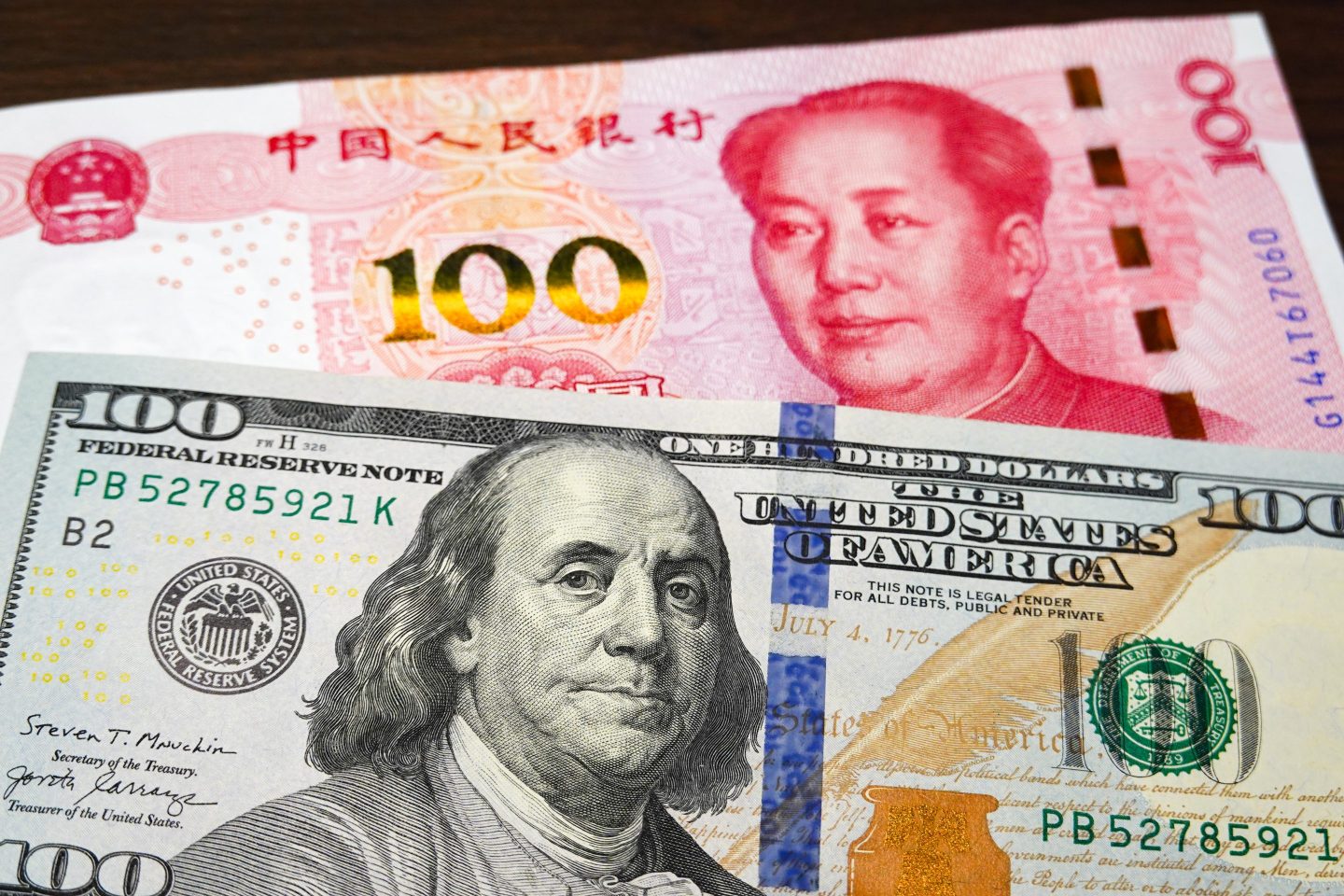
In cutting its rating of Russian bonds, Moody’s predicted that investors should expect to recover only 35% to 65% of the bond’s face value—the amount the investor is paid upon the bond’s maturity. An additional wrinkle is that Russia may consider its debt obligations paid off if issuers make payments in rubles, after President Putin issued a decree last week authorizing Russian entities to settle debts in the local currency.
But foreign bondholders, many of which hold debt that stipulates which currency the note must be settled in, likely won’t accept the change. Putin’s last-minute switch could create a situation in which the Kremlin claims it’s not in default, even if its bondholders disagree.
What can investors do if Russia won’t settle its debt?
Bondholders could turn to foreign courts in the hope of recovering their debts, but legal battles over sovereign debt can take a long time.
After Argentina defaulted on its national debt in 2001, hedge fund Elliott Management launched a 15-year legal battle against the South American country to reclaim the money owed on sovereign bonds owned by the management fund. After the 2016 election of President Mauricio Macri, who made resolving the issue a top priority, Argentina eventually settled with Elliott in 2016 for $2.4 billion, an increase of about 10 to 15 times on what it had paid for the bonds.
But Newman, who led the hedge fund’s fight with Argentina, thinks Russia’s creditors are out of luck.
“There’s no protection at all in these bonds for creditors,” Newman says, noting that Russia’s bonds don’t authorize a third-party jurisdiction to arbitrate disputes. Yet distressed bondholders might be able to persuade a court to distribute frozen Russian assets as compensation for bad debt—assets like the $315 billion in Russian foreign reserves frozen by foreign banks following U.S., European, and Japanese sanctions.
Arguing a claim on Russia’s frozen assets might involve lengthy court proceedings but “it’s certainly doable,” says Mark Weidemaier, a professor at the University of North Carolina.
Last month, U.S. President Joseph Biden’s order to seize the dollar-denominated reserves of the Afghan central bank—which the U.S. froze after Afghanistan fell to the Taliban—set a precedent in which Washington “has shown that it is willing to take fairly dramatic steps…when it doesn’t like the government of a foreign state,” notes Weidemaier.
That might make Russian debt an attractive opportunity for vulture funds, which buy up distressed debt at bargain prices in bond markets, then use legal means to try to force borrowers to pay back the full amount of what they owe.
Never miss a story: Follow your favorite topics and authors to get a personalized email with the journalism that matters most to you.