• Home
  • Latest
  • Fortune 500
  • Finance
  • Tech
  • Leadership
  • Lifestyle
  • Rankings
  • Multimedia
Commentary#MeToo

Anita Hill: Five years after the ‘Uber Blog’ helped launch #MeToo, businesses still must do more to fight sexual harassment

By
Anita Hill
Anita Hill
Down Arrow Button Icon
February 18, 2022, 5:30 AM ET
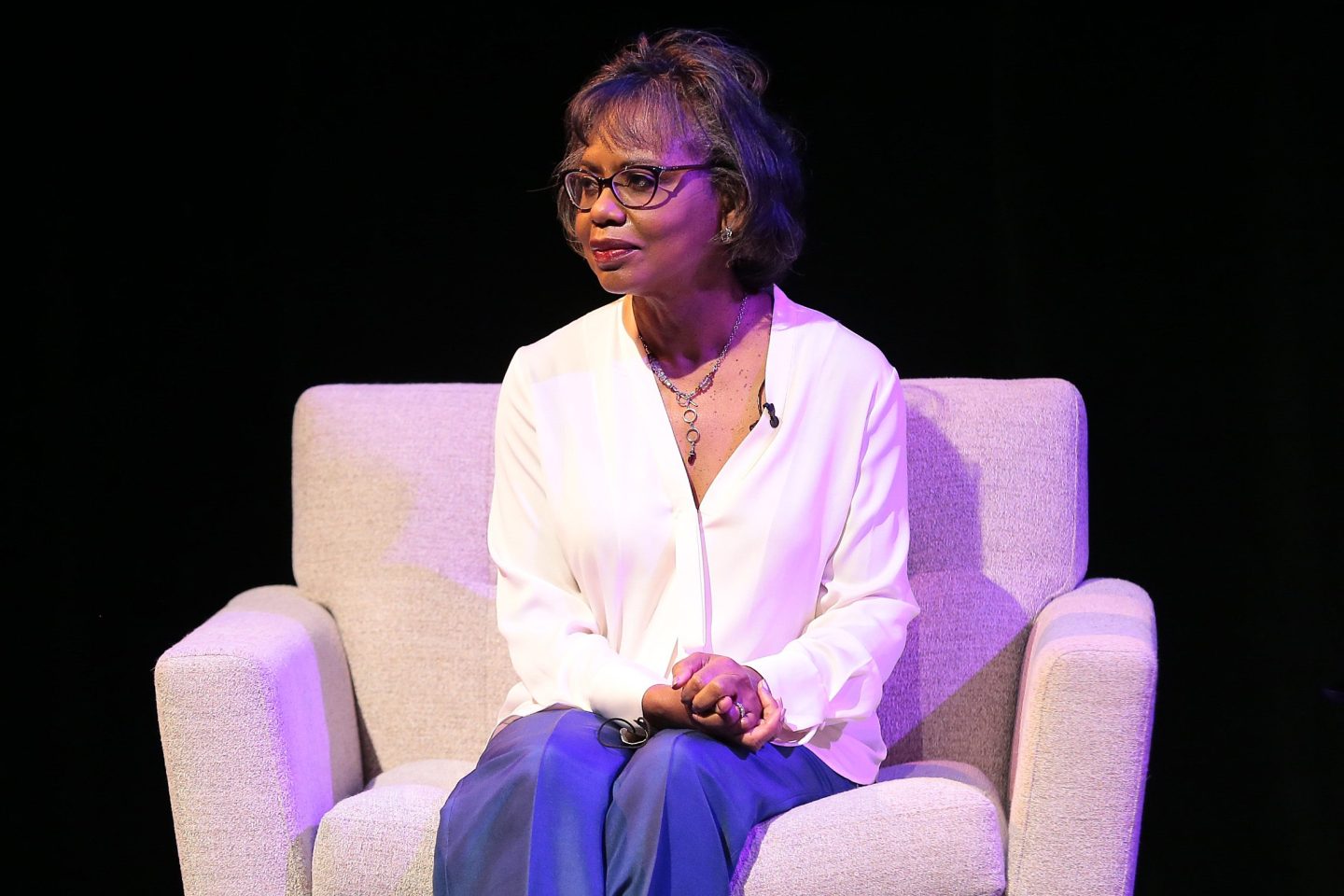
Anita Hill at an event in Los Angeles in 2021
Anita Hill at an event in Los Angeles in 2021. “As the five-year anniversary of #MeToo approaches, workers expect and deserve safer workplaces and accountability,” writes Hill.Leon Bennett—Getty Images

This essay is the first in a series of Fortune op-eds by Anita Hill marking the fifth anniversary of the #MeToo movement.

In February of 2017, before there was a #MeToo movement, former Uber engineer Susan Fowler published a blog post about the gauntlet of barriers she faced at that company when she complained about being sexually harassed. The “Uber Blog” went viral, and what had been a muted effort to respond to the problem reverberated throughout Silicon Valley. Now, five years later, we should credit Fowler for showing employers how to respond to sexual harassment complaints. 

The need for solutions is as urgent as ever. Charlotte Burrows, who chairs the Equal Employment Opportunity Commission, the federal agency in charge of enforcing the law prohibiting sexual harassment, put it bluntly: “It’s been clear for some time that the pandemic is not only a public health and economic crisis, but it has created a civil rights crisis for many American workers.” During lockdown, in-person sexual harassment and retaliation has continued, and online harassment has increased. 

The Uber Blog offered companies three frames of reference for progress that remain salient: Clean up contaminated cultures; fix broken structures; and empower workers, victims, and bystanders. Fowler revealed how leaders, especially those in management who engaged in or ignored sexual harassment in their organization, shape culture. Second, she detailed how the lack of standards and transparency in human resource offices’ sexual harassment procedures failed victims miserably. And, finally, she exposed work colleagues’ complicity in bad behavior, and the role of bystanders who saw no option other than to go along with workplace harassment. 
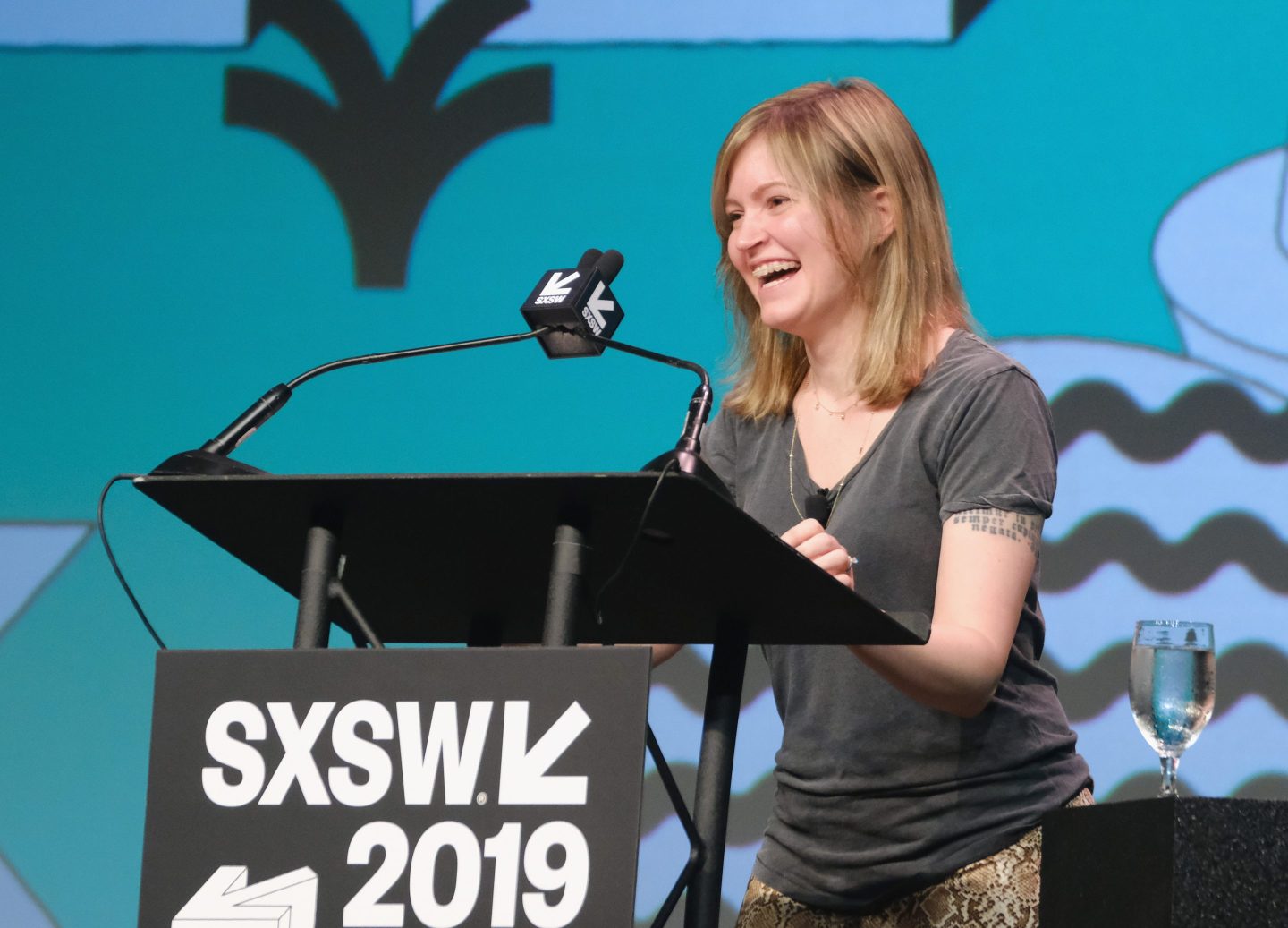
Susan Fowler speaks at the 2019 SXSW conference in Austin.
Rita Quinn—Getty Images for SXSW

Fowler (who now goes by Susan Rigetti) would ultimately be praised as a whistleblower. She also became known as “that woman who was sexually harassed,” a label she dreaded. Months after Fowler’s Uber Blog went viral, #MeToo became a rallying cry. Many credited Fowler as central to a wave of revelations about sexual harassment and assault that subsequently filtered out of U.S. tech and entertainment industry workplaces. In locations from Silicon Valley to Hollywood to New York, complaints led to high-profile figures like television journalist Charlie Rose losing jobs; they also led to Harvey Weinstein facing criminal prosecution and ultimately being convicted for rape. And with #MeToo, public concern about the problem of sexual harassment in the workplace grew and deepened. But what didn’t happen was the “slippery slope” of false accusations that some warned about.

One important, but overlooked, takeaway from Fowler’s experience is what it tells us about the influence that outside forces have on an organization’s culture. One of Uber’s influential investors, Freada Kapor Klein, who had quietly worked to get the company to address its toxic culture, went public with her concerns. Ultimately, urged on by a group of major investors and advisers, Uber’s board forced CEO Travis Kalanick to resign. Along with charges that he had mishandled claims, Kalanick was also faulted for his personal conduct, including jokingly referring to the company as “Boob-er.” Under new leadership, the company began needed reform, which continues today. And more broadly, today shareholders and leaders in industries that do business with scandal-riddled firms are more likely to criticize those companies for how they handle complaints. 

Our work at the Hollywood Commission has shown how an industry’s history and contemporary reputation sets the standards for what is an acceptable behavior within organizations that inhabit that industry. A commitment to cultural reform must be industrywide to be effective. 

For example, Uber, Google, and more recently gaming’s Activision Blizzard, all sources of sexual harassment scandals, all exist in a tech ecosystem that is largely understood to have a sexual harassment problem. The same can be said for the entertainment industry, the epicenter of the #MeToo movement. Industrywide neglect (not to mention glorification) sends a message that workplace sexual harassment and gender violence are acceptable. Rather than try to relocate, some workers simply leave the industry altogether. Some organizations are implementing new rules and practices, but the larger ecosystem problem persists. 

Even though the reverberations of #MeToo continue, surveys show only moderate change in the way companies handle complaints. In 2019, Have Her Back (HHB) Consulting reported on its post #MeToo research. The disappointing news was that 42% of women HHB polled said that their employers had implemented nothing to address harassment. Another 2019 study, reported in the Harvard Business Review, showed mixed results in business workplace culture and operations. In the wake of #MeToo, sexual coercion and unwanted sexual attention had declined. However, the authors of that same study concluded that “workplaces may be seeing a ‘backlash effect,’ or an increase in hostility toward women.” That same year, in a third study, 21% of men declared their reluctance to hire women because of #MeToo—though, fortunately, there is no evidence that they acted on that reluctance. 

Three years after #MeToo rocked the entertainment industry, the Hollywood Commission polled nearly 10,000 entertainment industry workers to map industry progress in combating sexual harassment. Despite perceived progress, people reported feeling left out by the movement or that routine harassment continued. According to one worker, “It’s incredibly important to address issues like sexual assault or coercion in the workplace, but there hasn’t been much addressing of the smaller injustices that happen on a daily basis.” 

Another telling revelation from the Hollywood Commission’s study was the lack of confidence workers had in the systems companies had in place for holding harassers accountable. Across all gender, race, and job classification categories, most workers didn’t believe that powerful men who harassed would be held accountable by their employers. 

As the five-year anniversary of #MeToo approaches, workers expect and deserve safer workplaces and accountability. And with corporate commitment, providing these basic protections, though not easy, remains a possibility. 

Anita Hill is chair of the Hollywood Commission, an organization that works to stop discrimination, harassment, and abuse in the entertainment industry. She is a professor of social policy, law, and women’s studies at Brandeis University and the author of Believing: Our Thirty-Year Journey to End Gender Violence.

Never miss a story: Follow your favorite topics and authors to get a personalized email with the journalism that matters most to you.


About the Author
By Anita Hill
See full bioRight Arrow Button Icon

Latest in Commentary

Finance
Lorem ipsum dolor sit amet, consectetur adipiscing elit, sed do eiusmod tempor incididunt ut labore et dolore magna aliqua. Ut enim ad minim veniam
By Fortune Editors
October 20, 2025
Finance
Lorem ipsum dolor sit amet, consectetur adipiscing elit, sed do eiusmod tempor incididunt ut labore et dolore magna aliqua. Ut enim ad minim veniam
By Fortune Editors
October 20, 2025
Finance
Lorem ipsum dolor sit amet, consectetur adipiscing elit, sed do eiusmod tempor incididunt ut labore et dolore magna aliqua. Ut enim ad minim veniam
By Fortune Editors
October 20, 2025
Finance
Lorem ipsum dolor sit amet, consectetur adipiscing elit, sed do eiusmod tempor incididunt ut labore et dolore magna aliqua. Ut enim ad minim veniam
By Fortune Editors
October 20, 2025
Finance
Lorem ipsum dolor sit amet, consectetur adipiscing elit, sed do eiusmod tempor incididunt ut labore et dolore magna aliqua. Ut enim ad minim veniam
By Fortune Editors
October 20, 2025
Finance
Lorem ipsum dolor sit amet, consectetur adipiscing elit, sed do eiusmod tempor incididunt ut labore et dolore magna aliqua. Ut enim ad minim veniam
By Fortune Editors
October 20, 2025

Most Popular

Finance
Lorem ipsum dolor sit amet, consectetur adipiscing elit, sed do eiusmod tempor incididunt ut labore et dolore magna aliqua. Ut enim ad minim veniam
By Fortune Editors
October 20, 2025
Finance
Lorem ipsum dolor sit amet, consectetur adipiscing elit, sed do eiusmod tempor incididunt ut labore et dolore magna aliqua. Ut enim ad minim veniam
By Fortune Editors
October 20, 2025
Finance
Lorem ipsum dolor sit amet, consectetur adipiscing elit, sed do eiusmod tempor incididunt ut labore et dolore magna aliqua. Ut enim ad minim veniam
By Fortune Editors
October 20, 2025
Finance
Lorem ipsum dolor sit amet, consectetur adipiscing elit, sed do eiusmod tempor incididunt ut labore et dolore magna aliqua. Ut enim ad minim veniam
By Fortune Editors
October 20, 2025
Finance
Lorem ipsum dolor sit amet, consectetur adipiscing elit, sed do eiusmod tempor incididunt ut labore et dolore magna aliqua. Ut enim ad minim veniam
By Fortune Editors
October 20, 2025
Finance
Lorem ipsum dolor sit amet, consectetur adipiscing elit, sed do eiusmod tempor incididunt ut labore et dolore magna aliqua. Ut enim ad minim veniam
By Fortune Editors
October 20, 2025
Rankings
  • 100 Best Companies
  • Fortune 500
  • Global 500
  • Fortune 500 Europe
  • Most Powerful Women
  • Future 50
  • World’s Most Admired Companies
  • See All Rankings
Sections
  • Finance
  • Leadership
  • Success
  • Tech
  • Asia
  • Europe
  • Environment
  • Fortune Crypto
  • Health
  • Retail
  • Lifestyle
  • Politics
  • Newsletters
  • Magazine
  • Features
  • Commentary
  • Mpw
  • CEO Initiative
  • Conferences
  • Personal Finance
  • Education
Customer Support
  • Frequently Asked Questions
  • Customer Service Portal
  • Privacy Policy
  • Terms Of Use
  • Single Issues For Purchase
  • International Print
Commercial Services
  • Advertising
  • Fortune Brand Studio
  • Fortune Analytics
  • Fortune Conferences
  • Business Development
About Us
  • About Us
  • Editorial Calendar
  • Press Center
  • Work At Fortune
  • Diversity And Inclusion
  • Terms And Conditions
  • Site Map

© 2025 Fortune Media IP Limited. All Rights Reserved. Use of this site constitutes acceptance of our Terms of Use and Privacy Policy | CA Notice at Collection and Privacy Notice | Do Not Sell/Share My Personal Information
FORTUNE is a trademark of Fortune Media IP Limited, registered in the U.S. and other countries. FORTUNE may receive compensation for some links to products and services on this website. Offers may be subject to change without notice.


Latest in Commentary

AsiaTariffs and trade
Countries must move beyond seeing AI as a race, where one side must beat the other
By Boris Babic and Brian WongJanuary 3, 2026
2 days ago
trump
CommentaryVenezuela
5 takeaways on Venezuela in the aftermath of Maduro: A memo to CEOs
By Jeffrey SonnenfeldJanuary 3, 2026
2 days ago
Bhargava
CommentaryPasswords
You probably use the same password for 30 different websites. It’s time for a passkey. 
By Rishi BhargavaJanuary 3, 2026
3 days ago
Sweden
CommentarySweden
Meet Sweden, the unicorn factory chasing America in the AI race
By Oscar TäckströmJanuary 3, 2026
3 days ago
Eric Simons
Commentarystart-ups
15 years after skipping college to launch 3 startups, I believe the taboo around questioning higher ed is holding an entire generation back
By Eric SimonsJanuary 2, 2026
4 days ago
MGI
CommentaryProductivity
The world is awash in wealth but starved for productivity—and that imbalance is distorting growth, debt, and opportunity. We need AI to come through
By Jan Mischke, Olivia White and Rebecca J. AndersonDecember 31, 2025
6 days ago

Most Popular

placeholder alt text
Personal Finance
Janet Yellen warns the $38 trillion national debt is testing a red line economists have feared for decades
By Eva RoytburgJanuary 5, 2026
12 hours ago
placeholder alt text
AI
Experienced software developers assumed AI would save them a chunk of time. But in one experiment, their tasks took 20% longer
By Sasha RogelbergJanuary 5, 2026
16 hours ago
placeholder alt text
C-Suite
CEO of $90 billion Waste Management hauled trash and went to 1 a.m. safety briefings—‘It’s not always just dollars and cents’
By Amanda GerutJanuary 3, 2026
3 days ago
placeholder alt text
Future of Work
Bosses are fighting a new battle in the RTO wars: It's not about where you work, but when you work
By Nick LichtenbergJanuary 4, 2026
2 days ago
placeholder alt text
Energy
‘Big Short’ investor Michael Burry says toppling of Venezuela’s Maduro will weaken Russia’s global standing as its oil ‘just became less important’
By Marco Quiroz-GutierrezJanuary 5, 2026
12 hours ago
placeholder alt text
Economy
Under Biden, America got 150 countries to agree a 15% global corporate tax. Under Trump, America gets an exemption
By Fatima Hussein and The Associated PressJanuary 5, 2026
10 hours ago