• Home
  • Latest
  • Fortune 500
  • Finance
  • Tech
  • Leadership
  • Lifestyle
  • Rankings
  • Multimedia
Commentarypublic health

Health care’s ‘rabbit and duck’ problem: the gap between public health and medicine

By
Lloyd B. Minor
Lloyd B. Minor
Down Arrow Button Icon
By
Lloyd B. Minor
Lloyd B. Minor
Down Arrow Button Icon
May 14, 2021, 11:35 AM ET
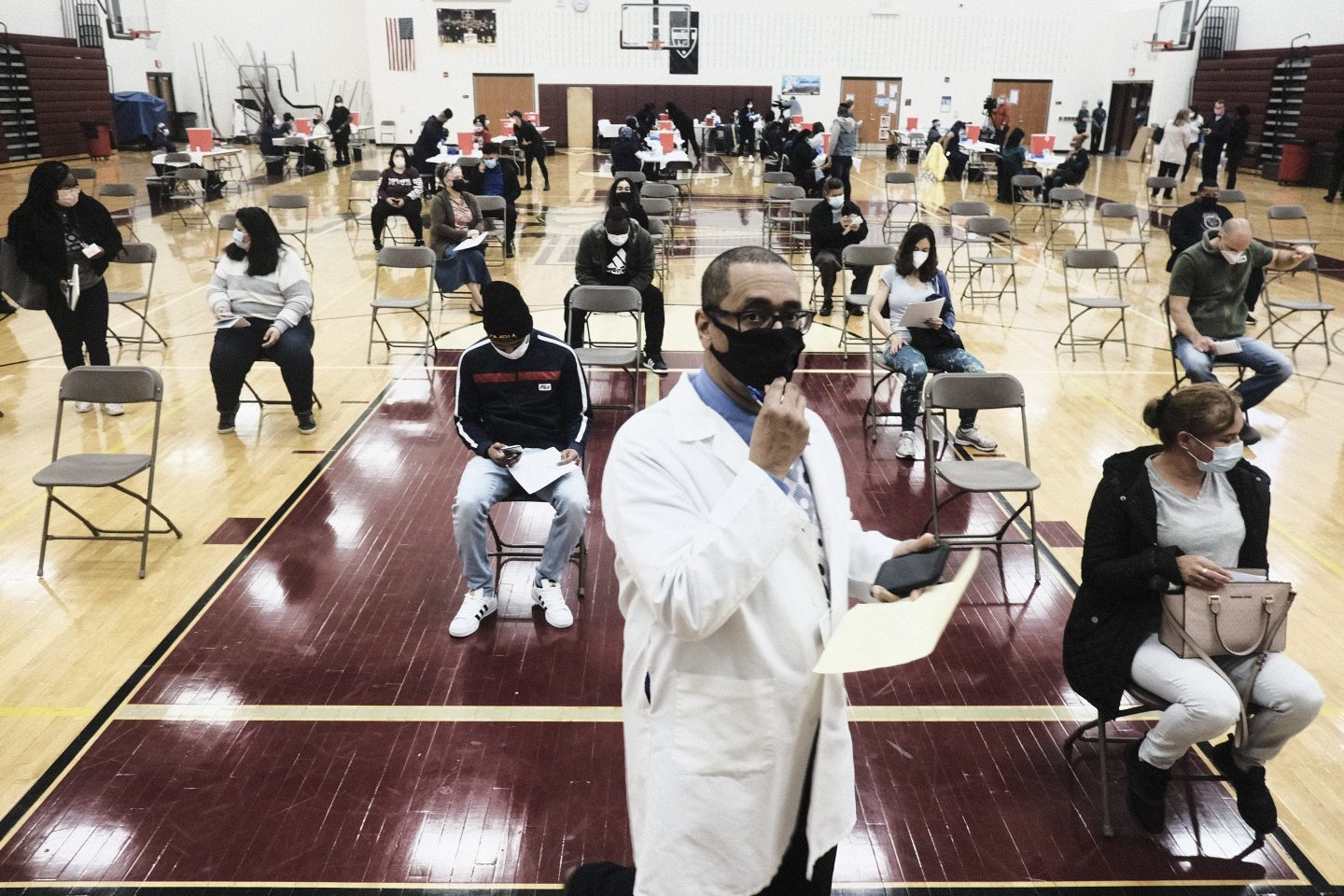
A COVID vaccination pop-up clinic in Detroit. In the pandemic, writes Lloyd Minor, “…physicians, in particular, have struggled to engage a health crisis that demands keeping entire populations healthy and out of harm’s way.”
A COVID vaccination pop-up clinic in Detroit. In the pandemic, writes Lloyd Minor, “…physicians, in particular, have struggled to engage a health crisis that demands keeping entire populations healthy and out of harm’s way.”Matthew Hatcher—Getty Images

From my formal medical training and every day I provided care to patients, I honed my skills with a singular focus: caring for the person in front of me. I learned how to build trust with patients, understand their health needs, and precisely diagnose and treat any number of health conditions. 

As physicians, we are taught that precision, empathy, and individually tailored care define good medicine. But a pandemic that has claimed more than a half-million American lives underscores the inadequacies of a system focused almost exclusively on the medical treatment of individuals. There has never been a more urgent need to integrate public health—the discipline of improving the well-being of whole populations—into patient care and, critically, to take advantage of public health’s focus on confronting community issues that predict our health. 

Since the early 1900s, a wide gulf has separated medicine from public health. There are many reasons for this gap, but a clear line can be drawn back to the fall of 1914. 

Medical education in the U.S. was undergoing a sweeping transformation as medical schools sought to standardize and bring rigor to physician training. In the process, many began offering postgraduate courses in public health. Disciplines such as disease prevention, epidemiology, and sanitary science were gaining prominence, though their role in patient care was hotly debated.  

In this climate, the Rockefeller Foundation convened a fateful October meeting of public health leaders, foundation members, and physicians to envision a modern public health curriculum. The prevailing belief stemming from the conference was that public health would be best distinguished as separate from medical education. This philosophy—with the financial backing of the Rockefellers—would go on to influence some of our nation’s most revered public health schools. 

While well-intentioned and warranted in many ways, public health’s break from medicine has come at a high cost.  

Practically speaking, medicine and public health have operated in isolation for more than a century, with public health often treated as a second-class discipline. By 1994, only 1% of U.S. physicians had received formal public health training. Public health also remains a fraction of our nation’s nearly $4 trillion health care budget—with funding projected to fall below 2.5% of total spending by 2023. 

That is despite well-established evidence that 60% to 70% of the factors that determine our health are social, environmental, and behavioral in nature—issues at the heart of public health practice. And yet our sprawling health care system remains fixated on the treatment of individuals who are sick instead of preventing disease and maintaining health at the community level.

We have seen the ramifications of this system laid bare by COVID-19: glaring racial health inequities, overwhelmed intensive care units, and a national vaccination rollout that launched in fits and starts and continues to encounter public hesitancy. 

For two disciplines that have remained far apart, our worlds have suddenly collided, and physicians, in particular, have struggled to engage a health crisis that demands keeping entire populations healthy and out of harm’s way.
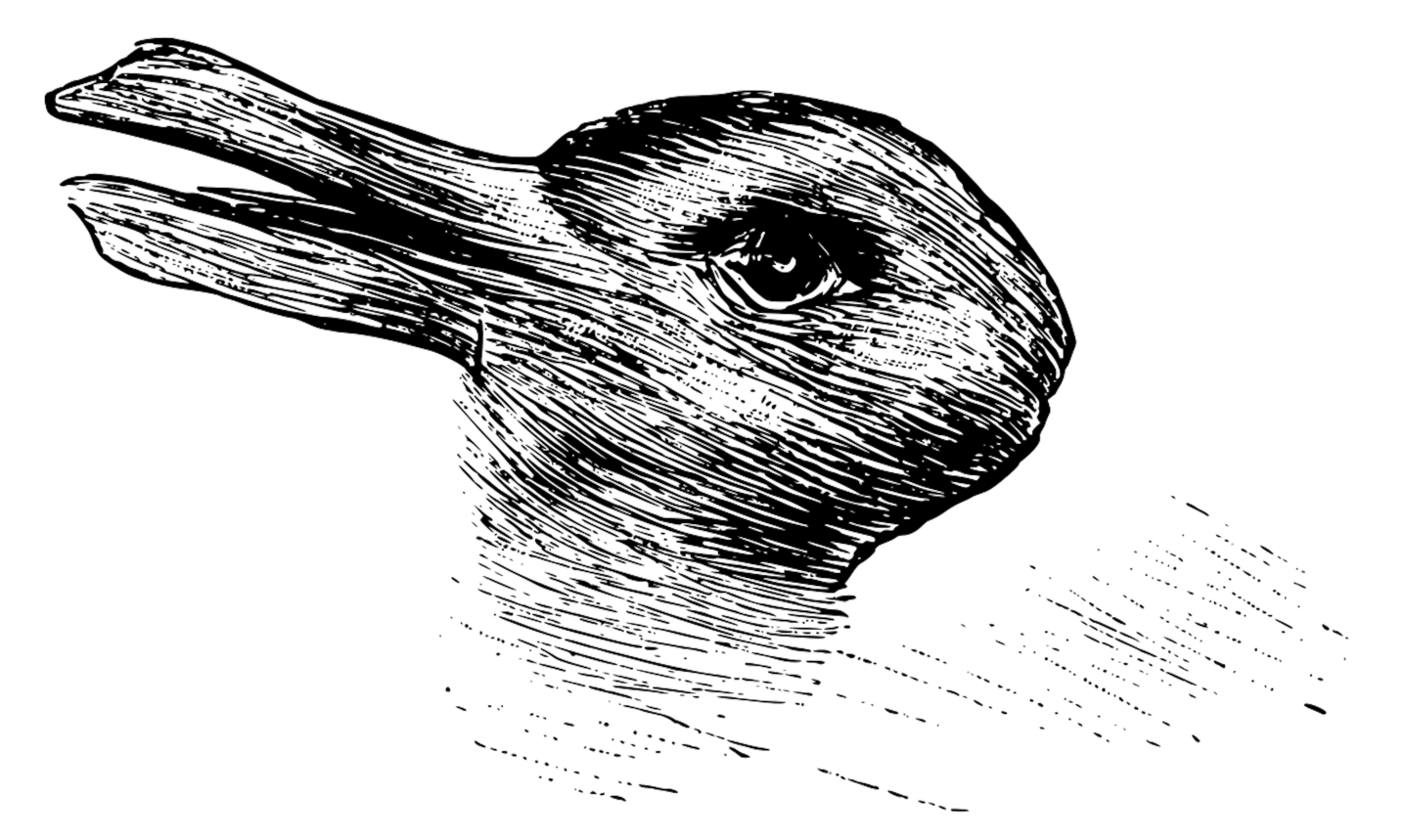
Rabbit, or duck?

This classic illusion captures the problem. When it comes to promoting health, one side sees rabbit, the other sees duck; neither see both simultaneously. 

To fundamentally address our health care system’s deficiencies and avoid a repeat of another catastrophic pandemic, we need both perspectives in medicine; public health must become an integral part. To continue behaving as though community health has no bearing on individual health is to believe an illusion. A tree cannot thrive in a burning forest—no more than a patient can expect a long and healthy life in an underserved community with crumbling public health infrastructure. 

I am by no means the first to point out this disconnect. Many laudable initiatives have sought to bring the two disciplines together, including a decades-long partnership between the Association of American Medical Colleges and the U.S. Centers for Disease Control and Prevention. What’s different now is that the pandemic has shattered any remaining illusions about medicine’s capabilities. Expert care of patients and biomedical research save lives, but they take us only so far. 

While many medical schools, including at Stanford, offer training in public health through dual-degree programs and supplemental coursework, this still puts too much of the onus on medical students to volunteer for these opportunities. Future training must natively integrate public health concepts into the core curricula. 

Beyond training, our “sick care” system is still largely a product of our payment system. Reimbursement for public health interventions—the kind that aim to prevent disease—is nonexistent or marginal at best. We cannot expect physicians to practice population medicine without the financial support to do so. Until we have a payment system that rewards for outcomes, we can expect the same results. 

Physicians will always concentrate on the patient in front of us. But we let that patient down if we don’t broaden our perspective to see not just an individual but a member of a community. It’s time to give our rabbit and duck problem a hard look.

Lloyd Minor is a scientist, surgeon, and the Carl and Elizabeth Naumann Dean of the Stanford University School of Medicine. He is also the author of Discovering Precision Health.
Our mission to make business better is fueled by readers like you. To enjoy unlimited access to our journalism, subscribe today.
About the Author
By Lloyd B. Minor
See full bioRight Arrow Button Icon

Latest in Commentary

Finance
Lorem ipsum dolor sit amet, consectetur adipiscing elit, sed do eiusmod tempor incididunt ut labore et dolore magna aliqua. Ut enim ad minim veniam
By Fortune Editors
October 20, 2025
Finance
Lorem ipsum dolor sit amet, consectetur adipiscing elit, sed do eiusmod tempor incididunt ut labore et dolore magna aliqua. Ut enim ad minim veniam
By Fortune Editors
October 20, 2025
Finance
Lorem ipsum dolor sit amet, consectetur adipiscing elit, sed do eiusmod tempor incididunt ut labore et dolore magna aliqua. Ut enim ad minim veniam
By Fortune Editors
October 20, 2025
Finance
Lorem ipsum dolor sit amet, consectetur adipiscing elit, sed do eiusmod tempor incididunt ut labore et dolore magna aliqua. Ut enim ad minim veniam
By Fortune Editors
October 20, 2025
Finance
Lorem ipsum dolor sit amet, consectetur adipiscing elit, sed do eiusmod tempor incididunt ut labore et dolore magna aliqua. Ut enim ad minim veniam
By Fortune Editors
October 20, 2025
Finance
Lorem ipsum dolor sit amet, consectetur adipiscing elit, sed do eiusmod tempor incididunt ut labore et dolore magna aliqua. Ut enim ad minim veniam
By Fortune Editors
October 20, 2025

Most Popular

Finance
Lorem ipsum dolor sit amet, consectetur adipiscing elit, sed do eiusmod tempor incididunt ut labore et dolore magna aliqua. Ut enim ad minim veniam
By Fortune Editors
October 20, 2025
Finance
Lorem ipsum dolor sit amet, consectetur adipiscing elit, sed do eiusmod tempor incididunt ut labore et dolore magna aliqua. Ut enim ad minim veniam
By Fortune Editors
October 20, 2025
Finance
Lorem ipsum dolor sit amet, consectetur adipiscing elit, sed do eiusmod tempor incididunt ut labore et dolore magna aliqua. Ut enim ad minim veniam
By Fortune Editors
October 20, 2025
Finance
Lorem ipsum dolor sit amet, consectetur adipiscing elit, sed do eiusmod tempor incididunt ut labore et dolore magna aliqua. Ut enim ad minim veniam
By Fortune Editors
October 20, 2025
Finance
Lorem ipsum dolor sit amet, consectetur adipiscing elit, sed do eiusmod tempor incididunt ut labore et dolore magna aliqua. Ut enim ad minim veniam
By Fortune Editors
October 20, 2025
Finance
Lorem ipsum dolor sit amet, consectetur adipiscing elit, sed do eiusmod tempor incididunt ut labore et dolore magna aliqua. Ut enim ad minim veniam
By Fortune Editors
October 20, 2025
Rankings
  • 100 Best Companies
  • Fortune 500
  • Global 500
  • Fortune 500 Europe
  • Most Powerful Women
  • Future 50
  • World’s Most Admired Companies
  • See All Rankings
Sections
  • Finance
  • Leadership
  • Success
  • Tech
  • Asia
  • Europe
  • Environment
  • Fortune Crypto
  • Health
  • Retail
  • Lifestyle
  • Politics
  • Newsletters
  • Magazine
  • Features
  • Commentary
  • Mpw
  • CEO Initiative
  • Conferences
  • Personal Finance
  • Education
Customer Support
  • Frequently Asked Questions
  • Customer Service Portal
  • Privacy Policy
  • Terms Of Use
  • Single Issues For Purchase
  • International Print
Commercial Services
  • Advertising
  • Fortune Brand Studio
  • Fortune Analytics
  • Fortune Conferences
  • Business Development
About Us
  • About Us
  • Editorial Calendar
  • Press Center
  • Work At Fortune
  • Diversity And Inclusion
  • Terms And Conditions
  • Site Map
  • Facebook icon
  • Twitter icon
  • LinkedIn icon
  • Instagram icon
  • Pinterest icon

© 2026 Fortune Media IP Limited. All Rights Reserved. Use of this site constitutes acceptance of our Terms of Use and Privacy Policy | CA Notice at Collection and Privacy Notice | Do Not Sell/Share My Personal Information
FORTUNE is a trademark of Fortune Media IP Limited, registered in the U.S. and other countries. FORTUNE may receive compensation for some links to products and services on this website. Offers may be subject to change without notice.


Most Popular

placeholder alt text
Success
In 2026, many employers are ditching merit-based pay bumps in favor of ‘peanut butter raises’
By Emma BurleighFebruary 2, 2026
1 day ago
placeholder alt text
Future of Work
Ford CEO has 5,000 open mechanic jobs with up to 6-figure salaries from the shortage of manually skilled workers: 'We are in trouble in our country'
By Marco Quiroz-GutierrezJanuary 31, 2026
3 days ago
placeholder alt text
Economy
'I just don't have a good feeling about this': Top economist Claudia Sahm says the economy quietly shifted and everyone's now looking at the wrong alarm
By Eleanor PringleJanuary 31, 2026
4 days ago
placeholder alt text
Personal Finance
Current price of silver as of Monday, February 2, 2026
By Joseph HostetlerFebruary 2, 2026
1 day ago
placeholder alt text
Cybersecurity
Top AI leaders are begging people not to use Moltbook, a social media platform for AI agents: It’s a ‘disaster waiting to happen’
By Eva RoytburgFebruary 2, 2026
1 day ago
placeholder alt text
Big Tech
The Chan Zuckerberg Initiative cut 70 jobs as the Meta CEO’s philanthropy goes all in on mission to 'cure or prevent all disease'
By Sydney LakeFebruary 1, 2026
2 days ago

Latest in Commentary

minnesota
CommentaryMinnesota
I’ve studied nonviolent resistance in war zones for 20 years and Minnesota reminds me of Colombia, the Philippines and Syria
By Oliver Kaplan and The ConversationFebruary 3, 2026
2 hours ago
EuropeLetter from London
Oracle billionaire Larry Ellison’s next big bet: Redefining how long–and how well–we live
By Kamal AhmedFebruary 3, 2026
6 hours ago
davos
CommentaryCareers
While elites debate geopolitics, Americans are rethinking college in the search for economic mobility
By Ed MitzenFebruary 3, 2026
7 hours ago
american dream
CommentaryCapitalism
We need more capitalists, not necessarily more capitalism
By Seth Levine and Elizabeth MacBrideFebruary 3, 2026
7 hours ago
pretti
CommentaryLeadership
What should business leaders say about Alex Pretti’s death?
By Deepak MalhotraFebruary 3, 2026
8 hours ago
Photo of Donald Trump
CommentaryLeadership
What happened at Davos was a warning to CEOs: Their companies are designed for a world that no longer exists
By Ram CharanFebruary 3, 2026
9 hours ago