“More and more of the things that we find valuable weigh less and less. More and more of the value is in the things that don’t have any weight or mass. These intangibles are really what becomes the driver of our economy, and if we can deliver these intangibles anytime anywhere to anybody, that instant aspect of them means that we in fact don’t have to own them anymore.”
Take it from Wired co-founder and visionary futurist Kevin Kelly—the era of planned obsolescence is coming to an end. It’s about time! For decades, we’ve been buying automobiles, appliances and electronics that have been engineered to expire after a fixed period of time. As dutiful consumers, we have been expected to fill up our lives (and landfills) with disposable junk on a regular basis.
Goodbye to all that.
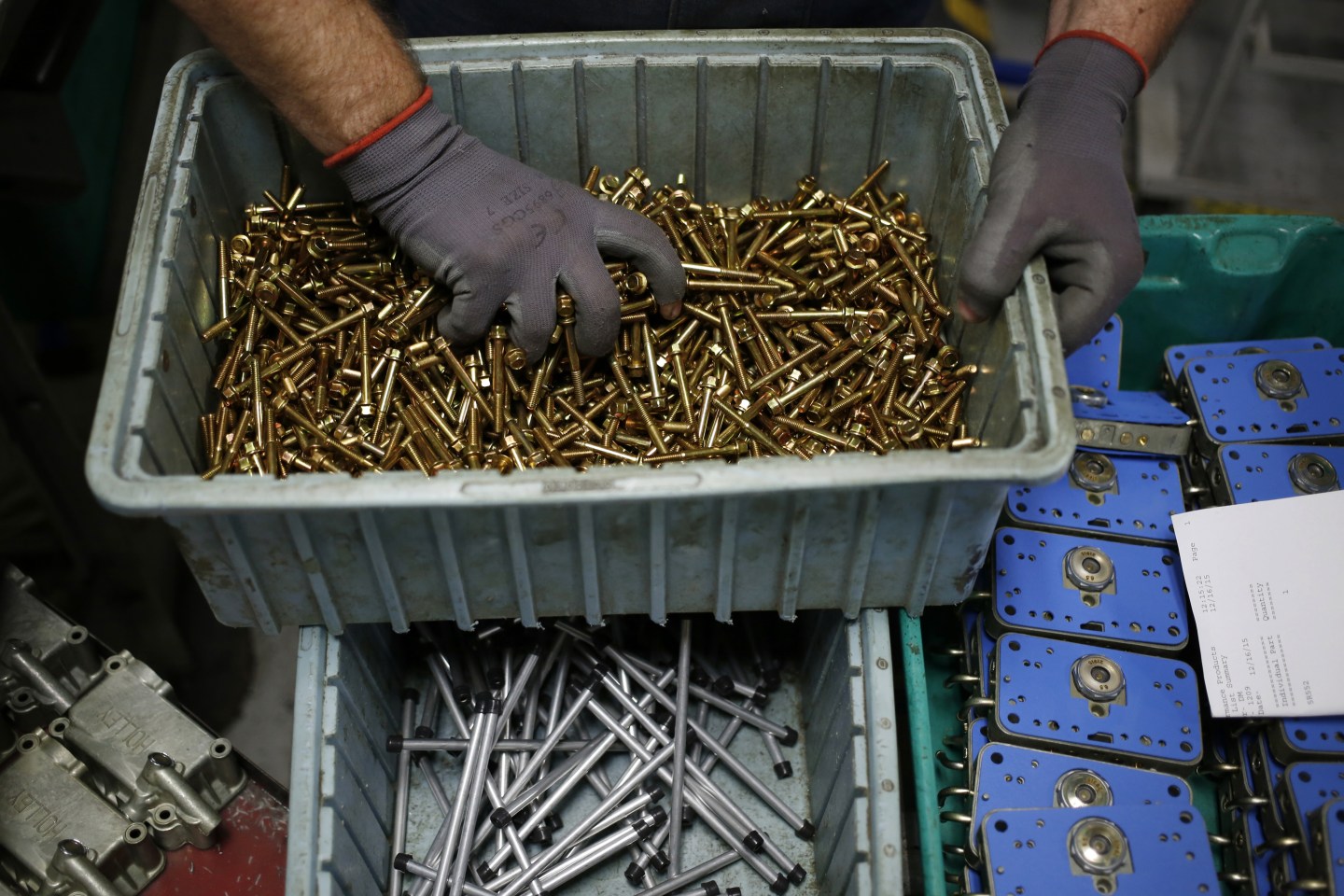
But if “intangibles” like digital services and subscription programs are truly ascendant, as Kelly suggests, does that mean the death knell for manufacturing? Far from it. In fact, I think that manufacturing is currently experiencing a rebirth that is very similar to what happened to the software industry twenty years ago.
In the 1980s and 1990s software was shipped in boxes—literally. Tech support entailed 800 numbers and long waits. Then a company called Salesforce came along and changed all that: no CDs, no boxes, and free product updates delivered over the Internet. The rest is history. Today, we no longer feel the need to buy or own software; we simply point our browsers or download our favorite apps.
I was lucky enough to be an early executive at Salesforce and remember the exact moment that transformed everything—the day we delivered our first release over the Internet. Before that moment, software engineers had no idea how people were using their products. But suddenly our monitors lit up with real-time usage data, and it was an incredible experience.
Today, industrial designers and engineers around the world are experiencing that light bulb moment. Automotive engineers are discovering how drivers actually drive their cars, and washing machine designers are discovering how much detergent people actually use. Suddenly, everyone has become a data scientist.
Connected devices are enabling a whole new generation of manufacturers to see how people are using their products on a minute-by-minute basis, allowing them to invest and create with vastly more insight and intelligence. The end result? Today the manufacturing industry is delivering the outcomes their users are seeking, as opposed to simply pushing products.
The physical world is about to be revolutionized in the same way as the software sector. Everything is turning “as a service.” So what will this new world look like? Here are five key trends that I see emerging:
The decline of ownership
The Harris Poll recently conducted an international survey on changing consumer preferences, and the results all point in the same direction: Ownership is on the way out. Three-quarters (75%) of adults around the world believe that in the future, people will subscribe to more services and own less physical “stuff.” Roughly the same percentage would prefer the ability to pay for what they use, rather than just a flat fee. The top three listed benefits of subscription services? Convenience (42%), cost savings (35%), and variety (35%).
The decline of materialism
A generation ago, success meant materialism and keeping up with the Joneses. While greed and venality will be with us as long as human beings exist, concepts of status and personal fulfillment are shifting from splashy belongings to engaging experiences. Just take a look at Instagram. What explains this phenomenon? I think it all boils down to a single word: Usership, a new consumer sentiment that values people over things, experiences over products, and access over ownership.
The rise of commercially-driven sustainability
The environmental implications of the broad secular shift towards usership over ownership will be profound. Corporate sustainability and environmental responsibility will change from “nice to have” to an economic imperative. Why? Because manufacturers—not consumers—will now be responsible for maintaining and re-purposing the equipment that they produce. Car companies, for example, will operate more like fleet managers. If they don’t do that efficiently and responsibly, they will lose out to the competition. It’s that simple.
The rise of true customer-focused business models
I know, I know. Every company claims to be a customer-oriented company. But how customer-oriented can you really be if your business model depends on pushing products off retail shelves to anonymous purchasers? How much customer insight have you sacrificed to your sales channel? Today your company’s entire operations—product, marketing, sales, and even finance—must revolve around what’s best for your customers because today the value sits with the relationship, not with the product. It’s time to start building direct relationships.
Consumption as the new value metric
Finally, if you want to succeed in this new economy, you need to start paying attention to consumption, as opposed to unit sales. Miles driven, not cars sold. Hours played, not games shipped. Features used, not applications downloaded. That’s where the real gold lies. That’s where the usership lives.
With apologies to R.E.M., it’s the end of manufacturing as we know it. And I feel fine.
Tien Tzuo is the CEO and Founder of Zuora and the author of “SUBSCRIBED: Why the Subscription Model Will be Your Company’s Future – and What to Do About It.”